Quick Answer
If your skin feels tight, flaky, or easily irritated, ceramides are your first line of defense—they physically rebuild the barrier. If you're dealing with dullness, uneven tone, or post-acne marks, niacinamide helps calm and brighten. For many, layering both delivers the best results: a ceramide serum or moisturizer to repair, followed by a niacinamide toner to even out tone.
When your skin feels sensitive, dehydrated, or just looks tired, two ingredients often come up: ceramides and niacinamide. Both are praised for barrier support, but they work in different ways. Understanding that difference helps you pick the right product—or combine them effectively.
Ceramides are lipid molecules that make up about 50% of your skin's barrier. They act like mortar between brick-like skin cells, keeping moisture in and irritants out. Niacinamide (a form of vitamin B3) is a multitasker that boosts ceramide production, calms inflammation, and brightens. This comparison breaks down how each works, who benefits most, and how to layer them without compromising your routine.
What Do Ceramides Do?
Ceramides are the building blocks of your skin's protective barrier. When they're depleted—from harsh cleansers, over-exfoliation, or cold weather—your skin loses moisture and becomes more reactive. Using a ceramide-rich product helps restore that lipid layer, reducing water loss and soothing tightness.
Look for ceramide-based moisturizers or serums if your skin feels rough, flaky, or stings after cleansing. They're especially helpful for dry, sensitive, or eczema-prone skin. The 5X Ceramide Skin Barrier Repair Serum from SKINTIFIC is a lightweight option that combines five types of ceramides with probiotics to strengthen the barrier and improve moisture retention.
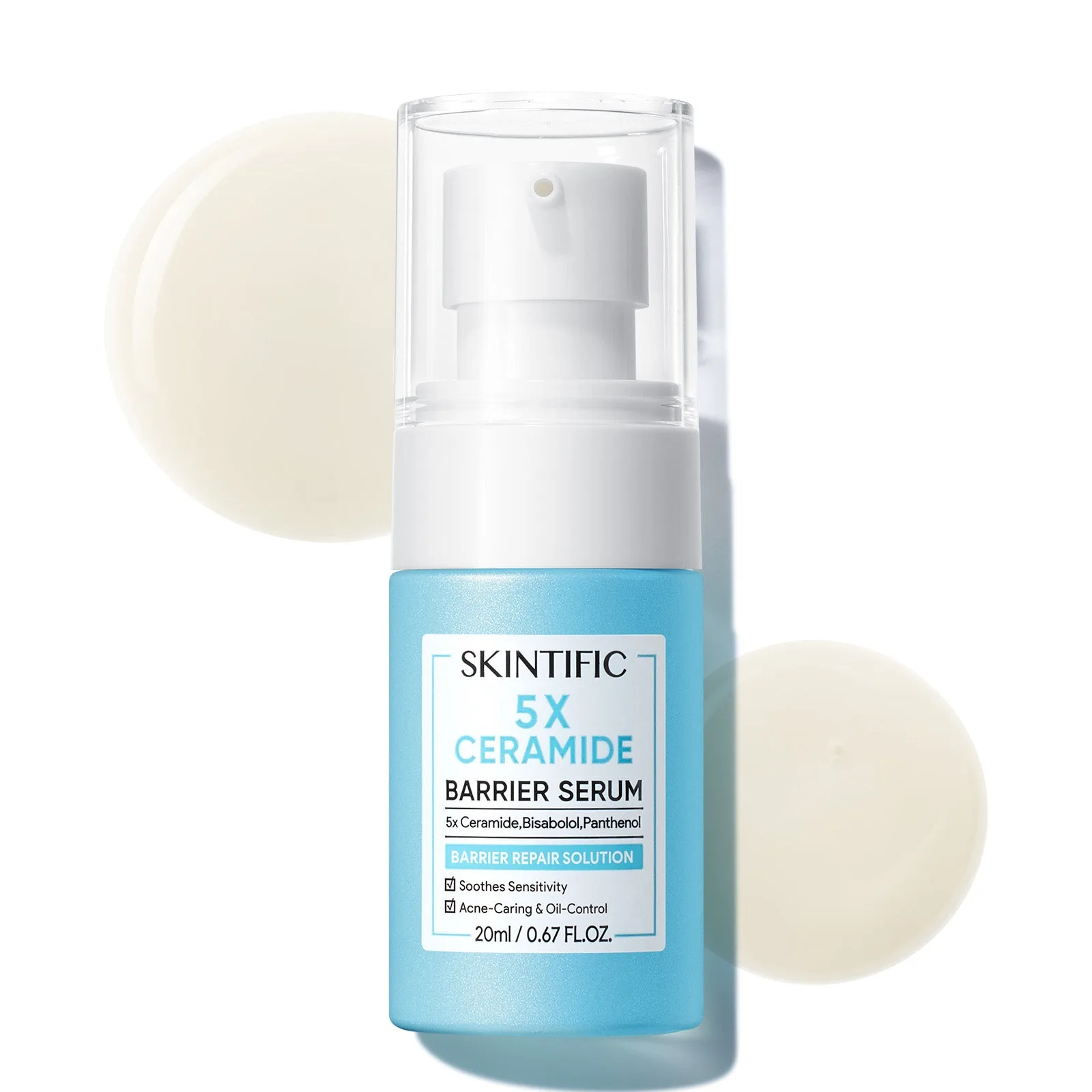
5X Ceramide Skin Barrier Repair Serum
- Best for: dry, damaged, or over-exfoliated skin
- Use daily, especially after cleansing or exfoliating
- Pairs well with niacinamide for a comprehensive approach
What Does Niacinamide Do?
Niacinamide is a water-soluble vitamin that supports the skin in several ways. It helps boost ceramide production (so it indirectly repairs the barrier), reduces inflammation, regulates oil, and fades dark spots. It's a great choice for oily, acne-prone, or combination skin that needs balance without heavy moisture.
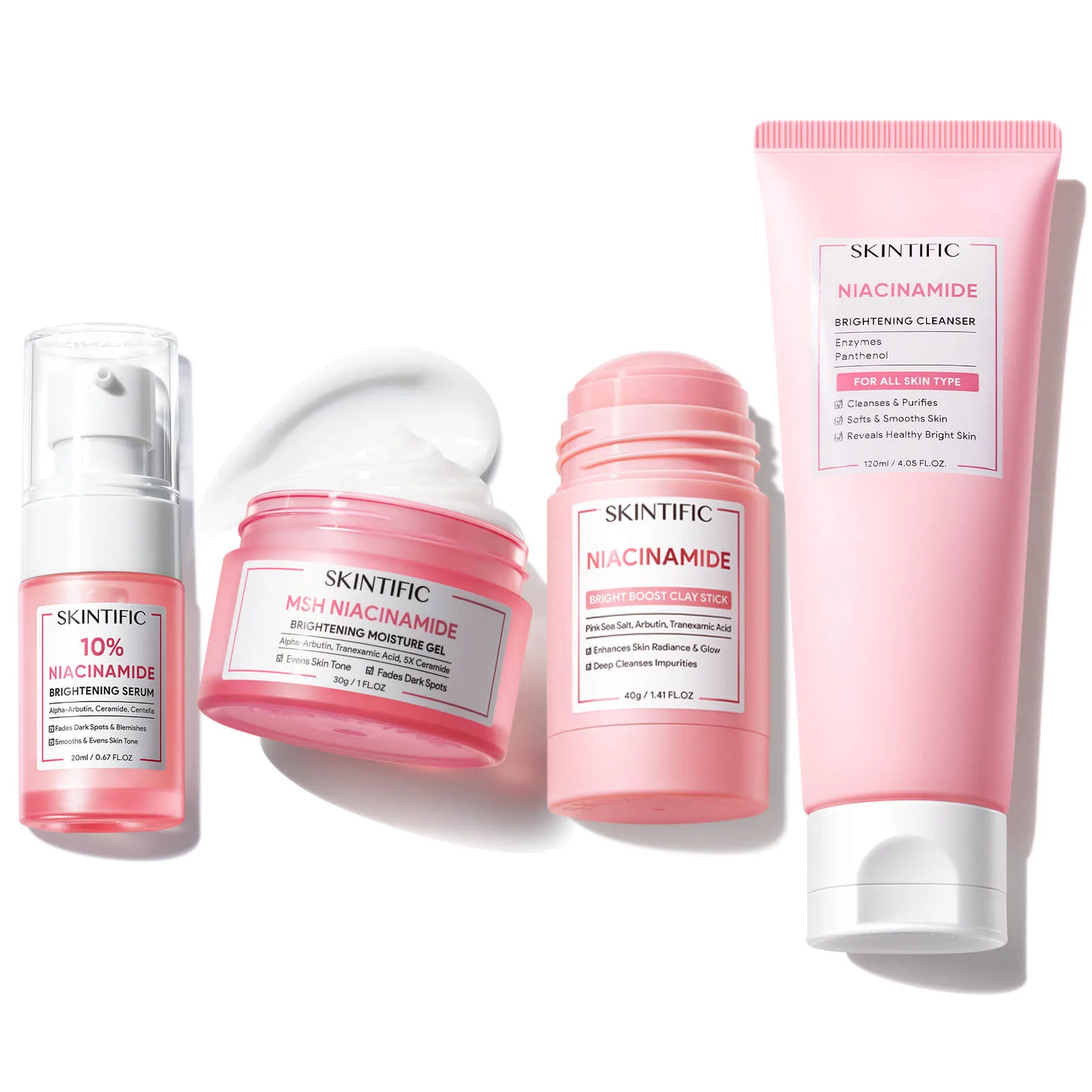
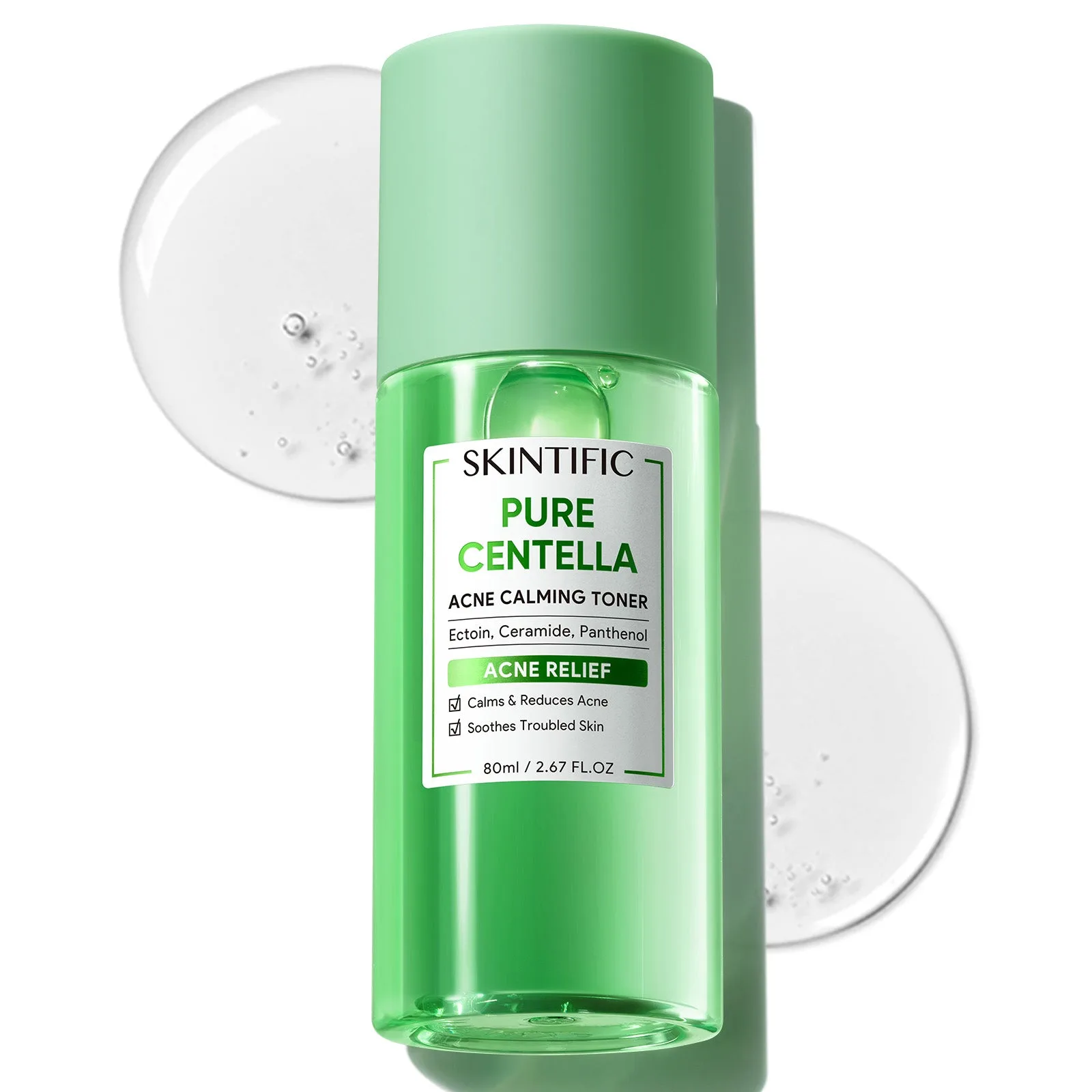
If your concerns are dullness, uneven tone, or redness, niacinamide is a strong pick. The Niacinamide Brightening Essence Toner from SKINTIFIC uses triple brightening agents—niacinamide, glutathione, and tranexamic acid—to brighten and hydrate. It's lightweight and absorbs quickly, making it a good first step after cleansing.
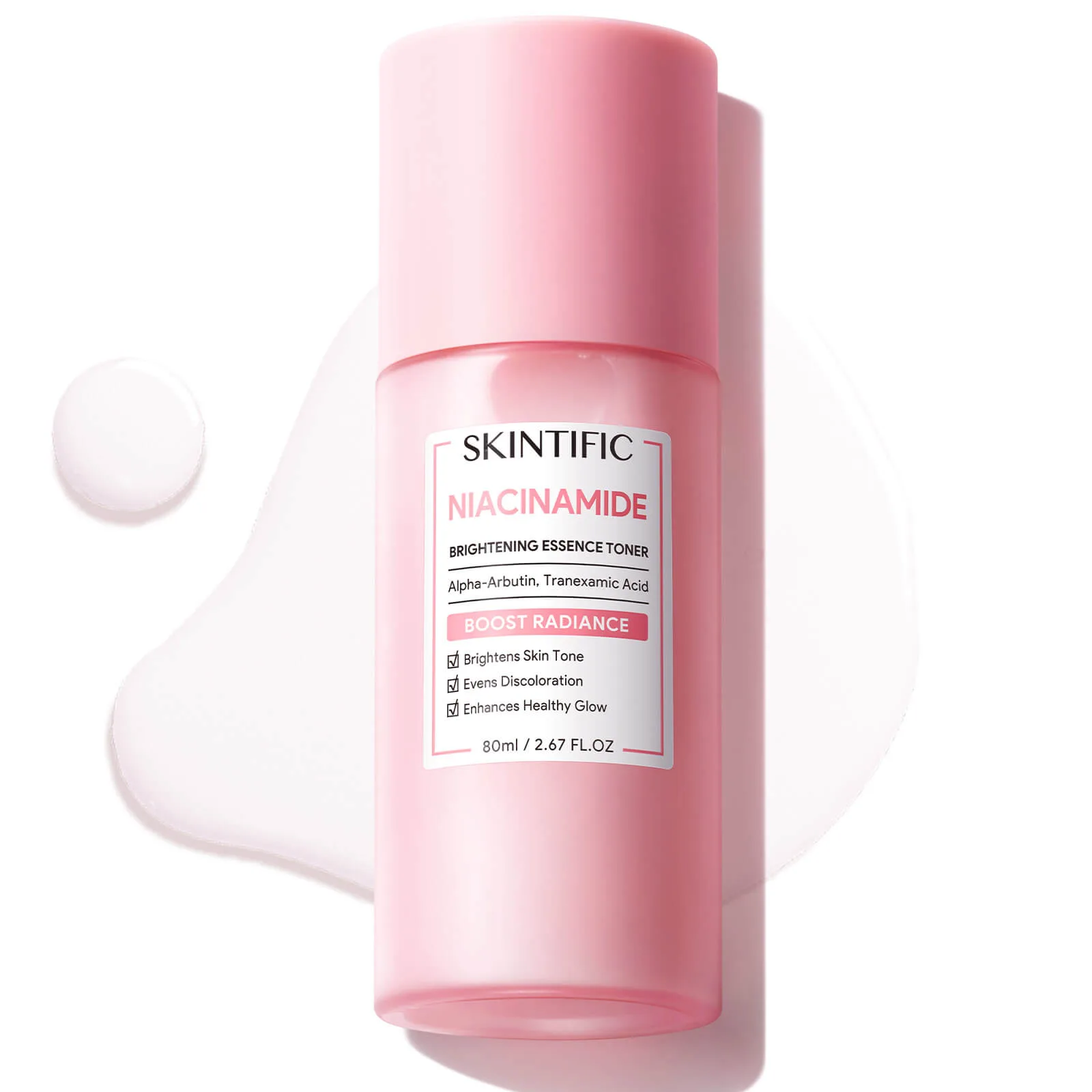
Niacinamide Brightening Essence Toner
- Best for: dullness, uneven tone, oily or combination skin
- Helps calm redness and support barrier function
- Can be used morning and night
Ceramides vs. Niacinamide: Key Differences
The main difference is their primary action: ceramides physically rebuild the barrier, while niacinamide supports it indirectly and adds brightening benefits. If your skin is severely compromised, ceramides are more essential. If your barrier is mostly intact but you want a glow boost, niacinamide is the better target.
You don't have to choose one. Many routines include both: a niacinamide toner or serum in the morning, and a ceramide moisturizer at night. This combination addresses repair and brightening simultaneously. Just introduce new products gradually to avoid irritation.
- Ceramides: repair and strengthen the barrier
- Niacinamide: calm, brighten, and support barrier function
- Layering both can give comprehensive results
Trade-Offs at a Glance
- Ceramides for immediate repair: If your skin is compromised, ceramides provide the physical building blocks to restore the barrier quickly. The trade-off is that they don't address pigmentation or oiliness directly. Choose ceramides when barrier damage is your top concern.
- Niacinamide for multi-tasking: Niacinamide calms, brightens, and supports barrier function, but it's not a substitute for ceramides if the barrier is severely damaged. It works best on relatively healthy skin. Choose niacinamide for dullness and uneven tone, not as a sole repair solution.
- Layering both: Using a niacinamide toner followed by a ceramide serum or moisturizer gives you the best of both. The trade-off is more steps and a higher chance of irritation if introduced too quickly. Introduce one product at a time, and patch test.
Product Facts
- 5X Ceramide Skin Barrier Repair Serum: Powered by 5 types of ceramides, probiotics, and soothing botanical ingredients, this serum helps strengthen the skin barrier, improve moisture retention, and reduce visible irritation. If your skin feels tight or reactive, this serum targets the root cause by rebuilding the lipid barrier, making it a smart first step in a repair routine.
- Niacinamide Brightening Essence Toner: Formulated with Triple Brightening Agents (Niacinamide, Glutathione, and Tranexamic Acid) and BPE Technology for enhanced absorption and maximum brightening and hydration. For dull or uneven skin, this toner delivers niacinamide's brightening and calming benefits in a lightweight, pre-serum step.
Which Should You Choose?
Best for
- Ceramides: dry, flaky, sensitive, or over-exfoliated skin that needs barrier repair
- Niacinamide: dull, uneven, or oily skin that wants brightening and calming without heavy moisture
Not for
- If your skin is severely compromised, niacinamide alone may not be enough; opt for ceramides first.
- If you have very dry skin, niacinamide might not provide enough hydration; pair it with a ceramide moisturizer.
Both ceramides and niacinamide are valuable for a healthy skin barrier. Ceramides rebuild, while niacinamide brightens and supports. For most people, a combination of the two—like a niacinamide toner and a ceramide serum—offers the most balanced approach. Start with what your skin needs most, and layer thoughtfully.