The bowl decision starts with what goes in it
Cereal and soup pull a bowl in two directions. Cereal needs room to stir without sloshing over the rim; soup needs enough depth to keep liquid from spilling when a spoon moves through it. Before you buy a separate bowl for each, check whether one bowl covers both jobs for your child's current eating stage.
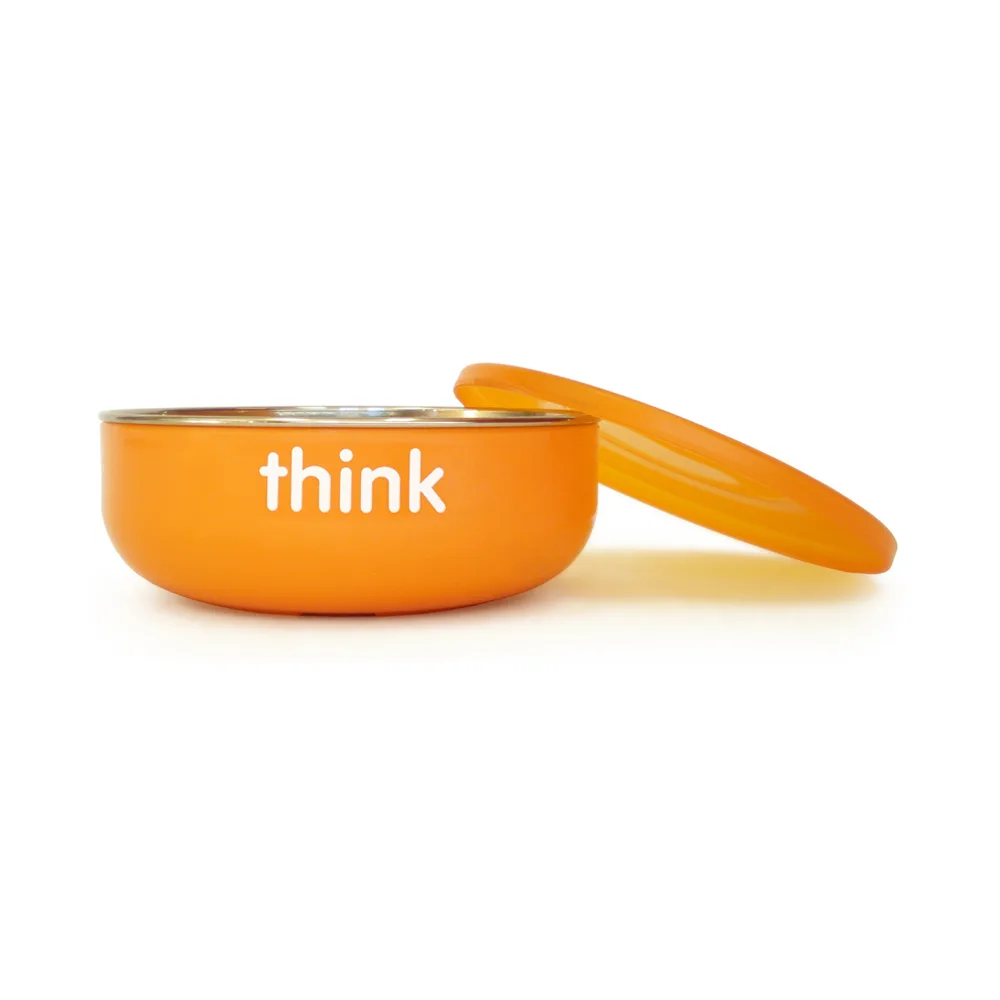
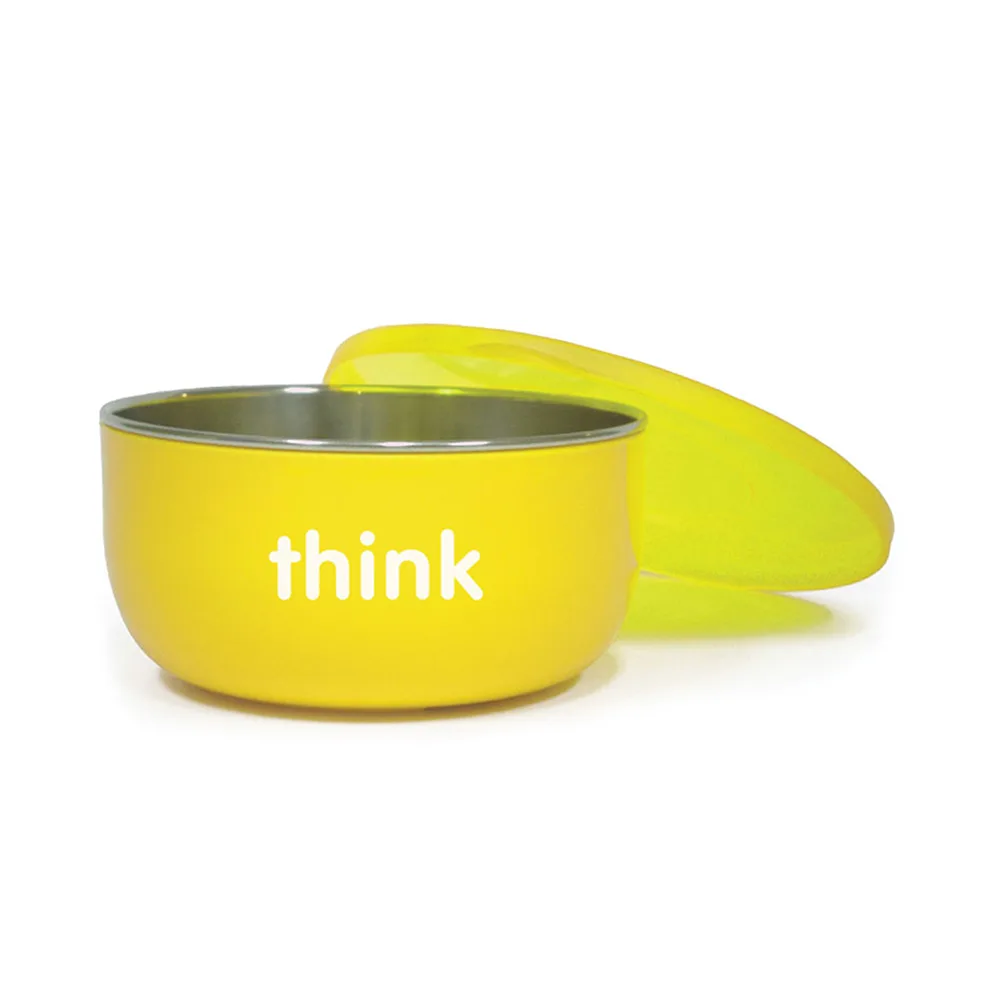
The Thinkbaby BPA Free Cereal / Soup Bowl is built for exactly this overlap. Its name puts cereal and soup together, and its supplied dimensions give you a concrete way to judge whether your usual portions fit.
What the bowl's measurements mean for cereal and soup
-
BPA Free Cereal / Soup Bowl - Pink: Diameter: 10.5 cm, depth: 4.5 cm, holds 300ml / 10oz. A 10.5 cm opening gives a spoon room to move, while 4.5 cm of depth keeps liquid from riding up the side too easily. The 300ml capacity is the number to compare against your child's usual cereal or soup portion.
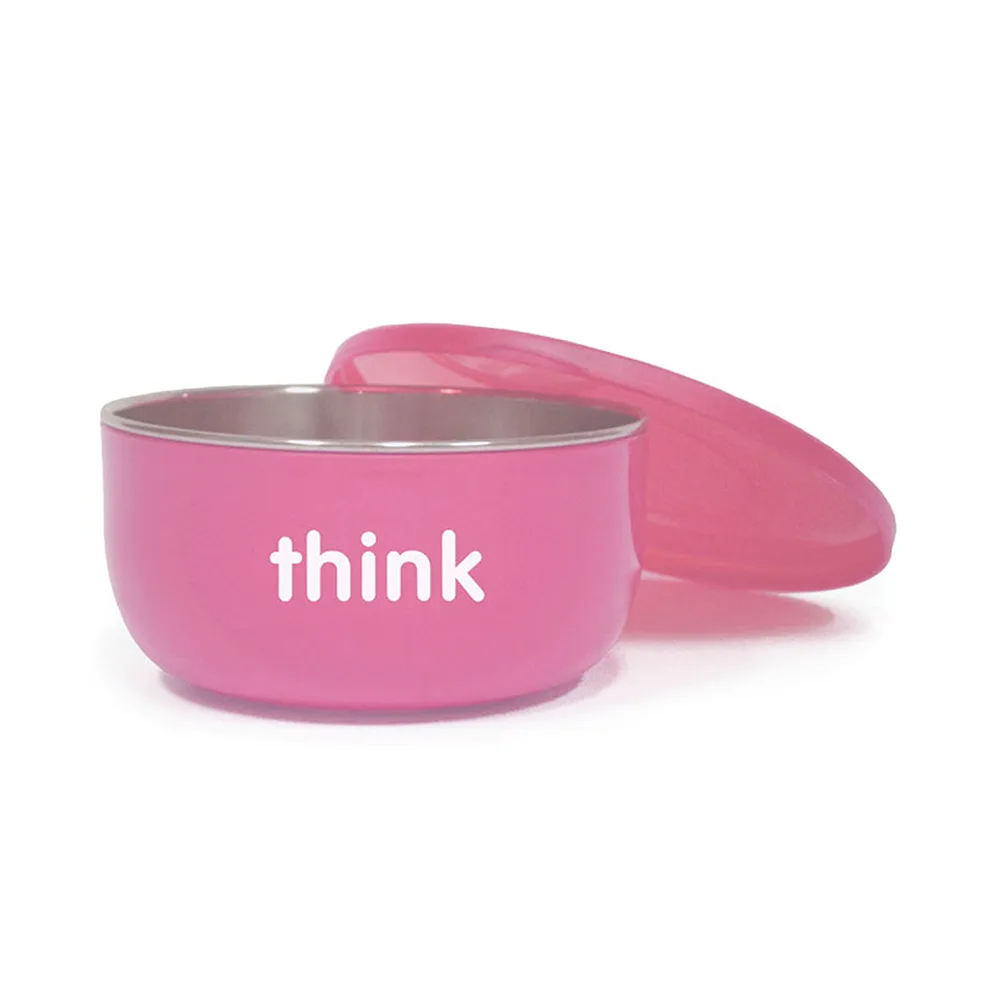
BPA Free Cereal / Soup Bowl - Pink
-
BPA Free Cereal / Soup Bowl - Pink: The bowl is made of 304 (18/8) stainless steel. Stainless steel is the material behind the bowl's structure, so the care advice below focuses on washing rather than on plastic-safe reheating questions.
Cereal vs soup: how the same bowl handles each
Neither food is officially restricted to this bowl in the supplied information. Use these practical distinctions to decide how you serve each one.
- Cereal for baby: A 300ml bowl leaves room to stir fortified cereal or oatmeal without filling it to the rim. The 10.5 cm diameter gives a spoon space to circle the bowl, which matters when a baby is still learning to scoop.
- Soup for toddlers: The 4.5 cm depth is the useful figure here. Shallow enough for a toddler to see the spoon, deep enough to hold a portion of soup. Serve smaller amounts and refill rather than filling to 300ml if your toddler is still learning to use a spoon.
- Purees for baby: The bowl is described as useful from the moment a doctor green-lights solid food feeding, which is the puree stage. A 300ml capacity is larger than a first-spoon portion, so start with a small amount and add more as appetite grows.
Materials and safety claims the catalog supports
The brand states the bowl is free of BPA, phthalates, nitrosamines, lead, PVC, and melamine. It also states that no recycled content is used, because the brand says it cannot control what is in recycled material. These are supplied claims, not independent test results.
- Why melamine is called out: The brand explains that early laboratory research showed melamine-based tableware can leach melamine at various temperatures and when combined with other chemicals. The bowl is built to be free of melamine.
- What the BPA-free claim does not tell you: The supplied record does not include microwave, oven, or freezer suitability. Treat those as unconfirmed rather than assuming they are safe or unsafe.
Cleaning the bowl without guessing
The supplied care notes cover hand-washing and dishwasher detergent, but not water temperature or drying method. Follow those confirmed points and use your normal dishwashing routine for the rest.
- Hand-washing: The American Pediatrics Association suggestion cited in the record is warm soapy water, but only if you live in an area with treated water systems.
- Dishwasher detergent: The brand recommends a detergent free of chlorine. It names Eco Lever and Seventh Generation as examples of natural detergents likely to be free of toxic chemicals.
- End of life: The brand asks that the bowl be recycled or handed down rather than discarded. The record also notes the product is wrapped in polypropylene.
Where one bowl stops and two begin
The supplied record does not set a maximum age or a portion limit for cereal versus soup. What it does say is that the bowl was designed for a wide range of feeding ages, from a doctor's approval of solid foods through school days, and that parents use it for feeding, food storage, and transport.
If your child eats both cereal and soup in the same week, the 300ml capacity and 4.5 cm depth make one bowl a reasonable starting point. If you regularly serve very large soup portions or need a bowl with confirmed microwave reheating, the supplied information does not settle that choice, so check the packaging or contact the brand before relying on it.