What Makes a CFexpress 4.0 Type B Card Different?
CFexpress 4.0 Type B cards use the PCI Express 4.0 bus and NVMe protocol, delivering read speeds up to 3,500 MB/s and write speeds over 3,000 MB/s in some models. That speed matters if you shoot raw bursts, 8K video, or high-bitrate 4K. But not every card reaches the same sustained write speed, and the differences affect which camera and workflow each card supports.
This guide compares four cards from ProMaster, Sony, and Delkin Devices. The goal is to match the card to your actual camera and shooting habits, not just the fastest number on the box.
Speed and Sustained Write Performance
Sustained write speed determines whether a card can keep up with continuous high-bitrate recording or long burst sequences without dropping frames.
- ProMaster Rugged 512GB: VPG400 certified with a sustained write speed of 2,000 MB/s. Maximum write speed is 3,100 MB/s. This card is designed for demanding video and continuous raw bursts.
- ProMaster Advanced 512GB: Sustained write speed of 820 MB/s, with maximum write speed 3,200 MB/s. The sustained rate is lower than the Rugged variant, which may limit extreme high-bitrate recording.
- Sony TOUGH 480GB: Read up to 1,850 MB/s, write up to 1,750 MB/s. Sony does not specify a VPG certification, but the card is marketed for stable 4K and beyond recording.
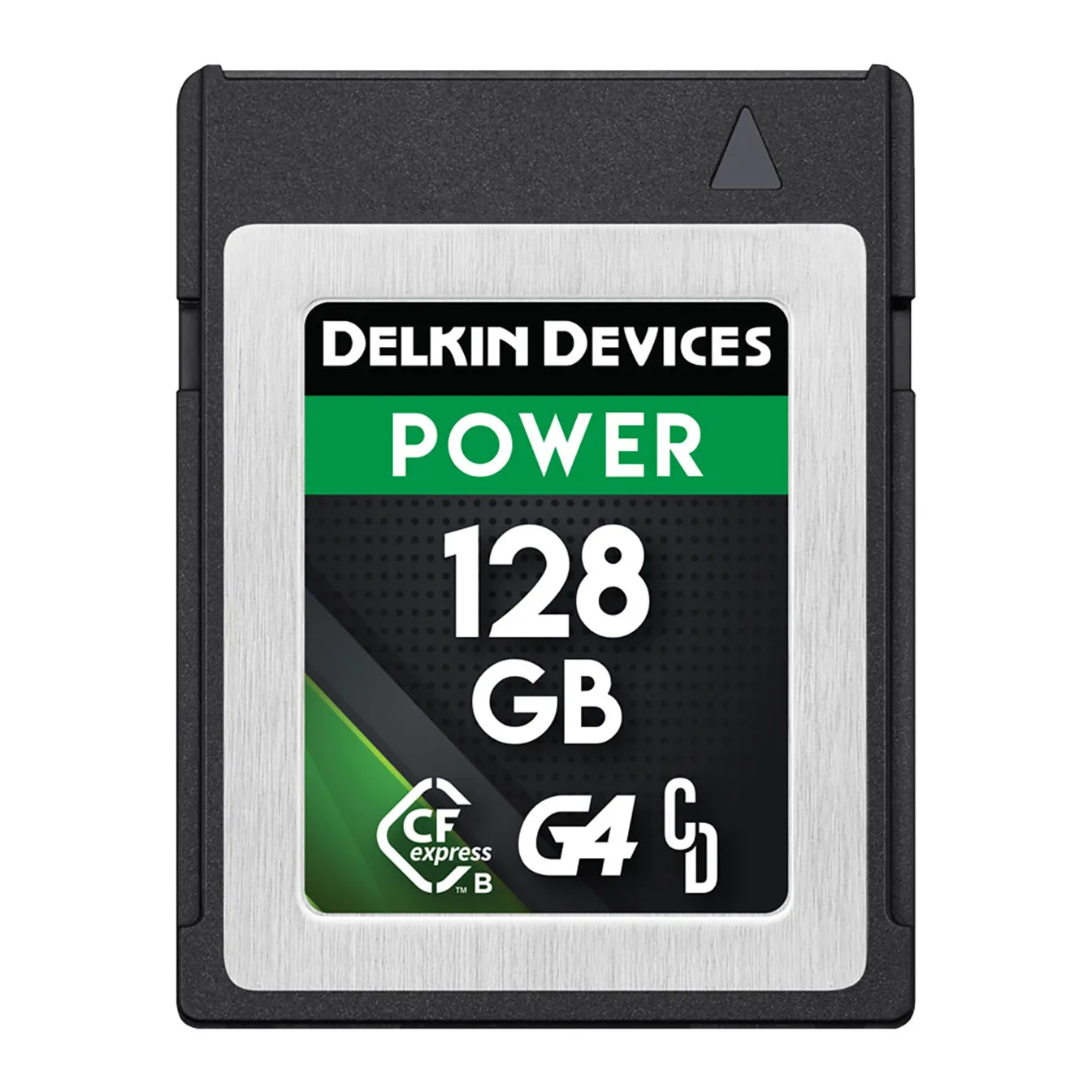
- Delkin POWER 128GB: PCIe 3.0 interface with sustained write speed of 805 MB/s, maximum write 1,700 MB/s. Suited for 8K, 6K, and 4K video at high frame rates, but the sustained rate is lower than the Rugged card.
Card Durability and Environmental Resistance
-
ProMaster CFexpress 4.0 Type B 512GB Rugged VPG400 Memory Card: ProMaster Rugged CFexpress 4.0 Type B card has an operating temperature range of 32°F to 158°F (0°C to 70°C) and is built with premium components for extreme conditions. If you shoot outdoors in heat or cold, the Rugged card's temperature tolerance and build quality reduce the risk of failure.
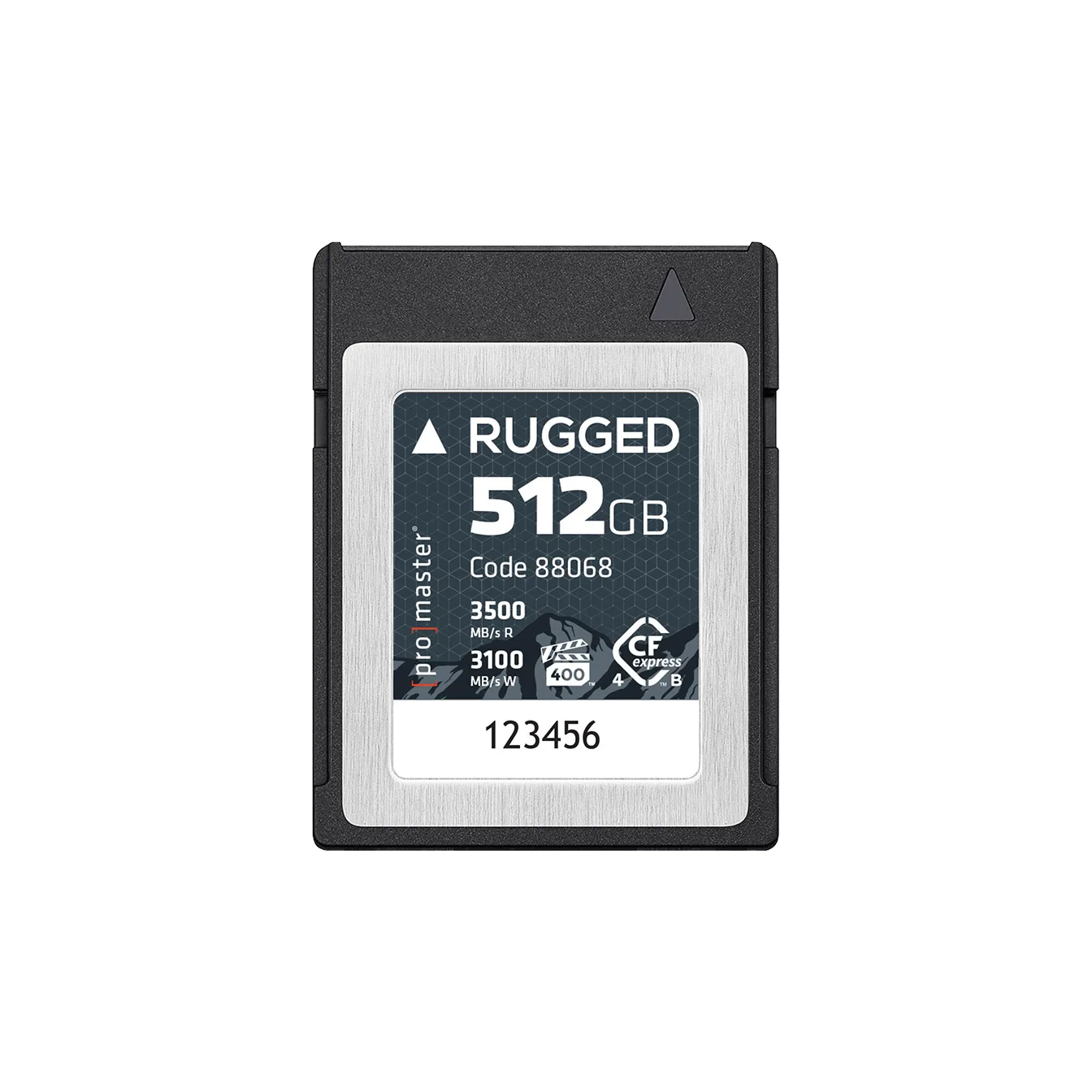
ProMaster CFexpress 4.0 Type B 512GB Rugged VPG400 Memory Card
-
Sony 480GB CFexpress Type B TOUGH Memory Card: Sony TOUGH card withstands drops, extreme temperatures, X-rays, and UV light. For field work, travel, or harsh environments, the TOUGH design offers proven physical resilience.
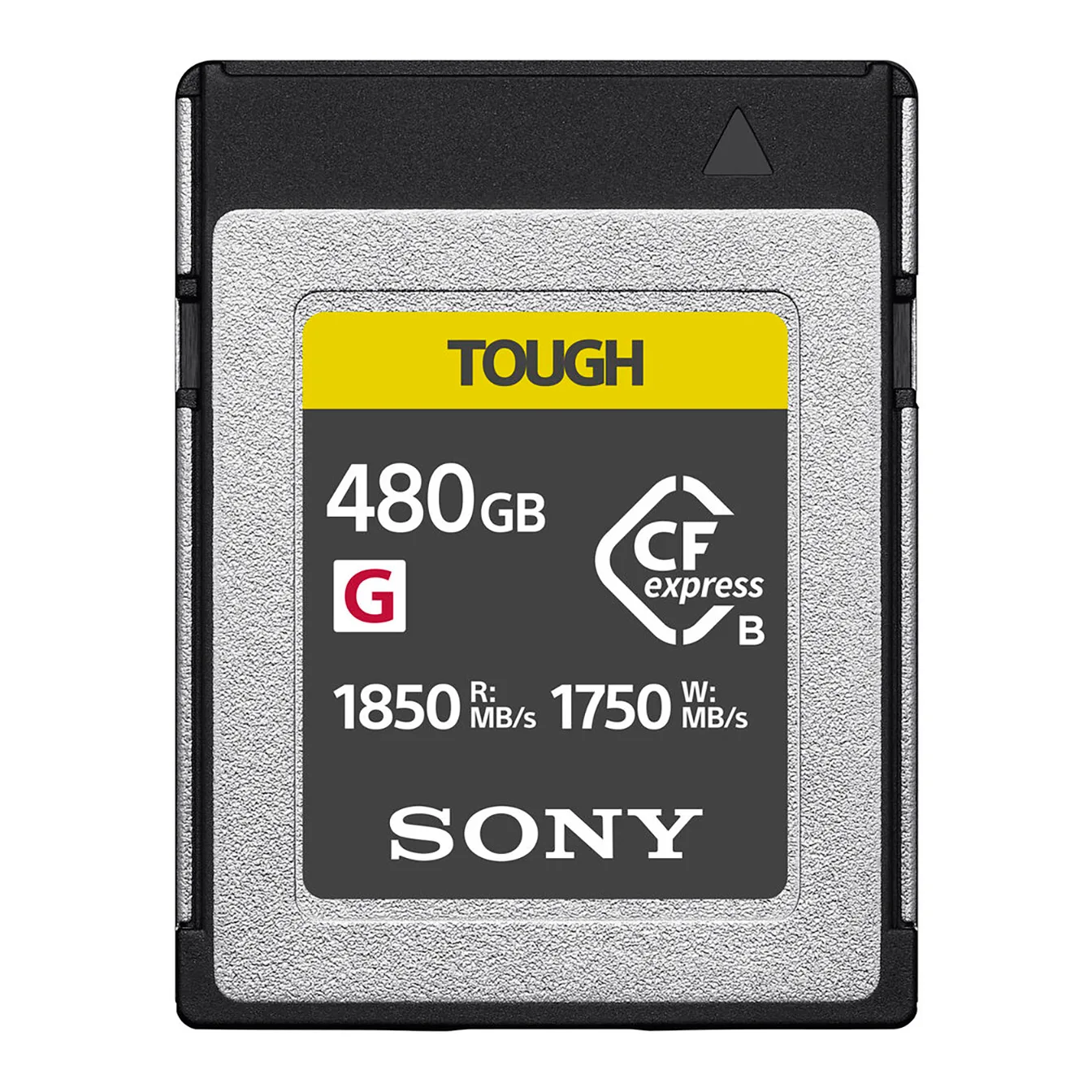
Sony 480GB CFexpress Type B TOUGH Memory Card
-
Delkin Devices 128GB POWER CFexpress Type B Memory Card: Delkin POWER card is shockproof, magnet proof, X-ray proof, anti-static, UV-guarded, and temperature resistant. It provides similar environmental protection to the Sony TOUGH, but at a lower capacity and price point.
Capacity and Price Trade-offs
The ProMaster Rugged 512GB costs $296.97 (compared to $449.95), the ProMaster Advanced 512GB is $223.97 ($349.95), the Sony TOUGH 480GB is $437.99 ($599.99), and the Delkin POWER 128GB is $118.39 ($159.99). The Rugged and Advanced cards offer the most capacity per dollar, but the Rugged's sustained write speed is significantly higher. The Sony TOUGH provides proven durability and a trusted brand but at a higher cost per gigabyte. The Delkin POWER is a budget-friendly entry point for professionals who need reliable 128GB storage.
If you need 512GB and maximum sustained speed, the Rugged card is the clear choice. If you can work with 480GB and prioritize Sony's durability track record, the TOUGH card is a solid option. For a smaller capacity at a lower price, the Delkin POWER delivers professional-grade reliability.
Compatibility and Warranty Considerations
All four cards are CFexpress Type B, which means they fit cameras with a Type B slot. The Delkin card explicitly states it is not compatible with Type A, CompactFlash, or CFast 2.0 hosts. The ProMaster Rugged card is an official member of the CompactFlash Association and comes with a limited lifetime warranty and a 48-hour replacement guarantee (registration required). The Sony TOUGH card includes File Rescue software for recovering lost files. The Delkin POWER card comes with a limited lifetime warranty and US-based customer support.
Before buying, confirm that your camera supports CFexpress Type B. Some older cameras may require a firmware update. The warranty and replacement policies add peace of mind, especially for professionals who cannot afford downtime.