Quick answer
Choose 8x12 inch chamber vacuum bags for single servings, small cuts, and compact freezer portions, and choose 12x14 inch bags for family-size portions, larger roasts, or foods with bones and marinades. Both sizes are made for the 300 Series Chamber Vacuum Sealer VSCH-300AC1B, so the decision comes down to what you seal most often.
Why chamber bag size matters more than roll width
With a chamber sealer, the bag sits entirely inside the chamber, so the limiting factor is the chamber's usable length and width rather than an external sealing bar. That means a bag that is too long wastes material and can fold over during sealing, while a bag that is too short leaves too little headspace for the seal to sit flat.
For the 300 Series Chamber Vacuum Sealer VSCH-300AC1B, both 8x12 and 12x14 inch bags are designed to work with the machine. The practical difference is how much food each bag holds and how comfortably it lies in the chamber.
Portion size is the clearest dividing line
An 8x12 inch bag suits a single chicken breast, a salmon fillet, a portion of ground meat, or a handful of vegetables. A 12x14 inch bag holds a whole chicken, a larger roast, several portions of stew, or a batch of marinated food that needs room to spread out.
If you usually cook for one or two people, the smaller bag keeps portions neat and reduces leftover air space. If you batch-cook for a family or seal whole cuts, the larger bag prevents you from cramming food against the seal.
Food shape and liquid content change the choice
Bony or irregular foods, such as ribs or whole fish, need extra bag material so sharp edges do not poke through. Liquids and marinades also need more headspace, because a chamber sealer pulls a vacuum quickly and a too-small bag can let liquid reach the seal area.
For these foods, the 12x14 inch bag gives you a safer margin. For flat, uniform portions, the 8x12 inch bag is easier to stack and label.
Storage and cost trade-offs
Larger bags take more drawer or shelf space and cost more per bag, but they can be cut down for smaller items if you keep a heat sealer handy. Smaller bags are cheaper per bag and easier to store, but they limit what you can seal without double-bagging.
Neither size is inherently better; the right answer depends on the shape of your typical workload. A mixed pantry of both sizes is common in households that seal both single portions and larger batches.
Decision rules for choosing between 8x12 and 12x14 bags
- If you mostly seal single servings or small cuts: Choose 8x12 inch bags. They hold one chicken breast, one fillet, or a single portion of ground meat without excess bag material. Keep a marker handy to label and date each portion before freezing.
- If you seal whole chickens, roasts, or family-size batches: Choose 12x14 inch bags. The extra length and width let larger foods lie flat and leave enough headspace for a clean seal. Lay the bag flat in the chamber so the food does not bunch at the seal.
- If you seal bony or irregular foods: Choose 12x14 inch bags and avoid stretching the bag tight against sharp edges. The larger bag gives you a buffer zone around bones and shells. Double-check that no bone tip is pressing against the bag before sealing.
- If you seal liquids or marinades: Choose 12x14 inch bags for wet foods and leave extra headspace at the top. A chamber sealer pulls a fast vacuum, so a too-small bag can let liquid rise toward the seal. Chill liquid-heavy foods before sealing to reduce the chance of leakage.
- If you want one size for everything: Start with 12x14 inch bags if your meals vary, then add 8x12 inch bags once you know how often you seal small portions. The larger bag can be cut down, but the smaller bag cannot be stretched. Buy a single pack of each size first to test your real portion sizes before committing to a larger order.
Product facts to know
-
12 x 14 inch chamber vacuum bags: 12 x 14 inch chamber vacuum bags, 250 per pack, BPA free and food safe for sous vide, freezing, thawing, and microwave use. The larger size gives you room for family portions and bulky foods, and the 250-count pack suits frequent batch sealing.
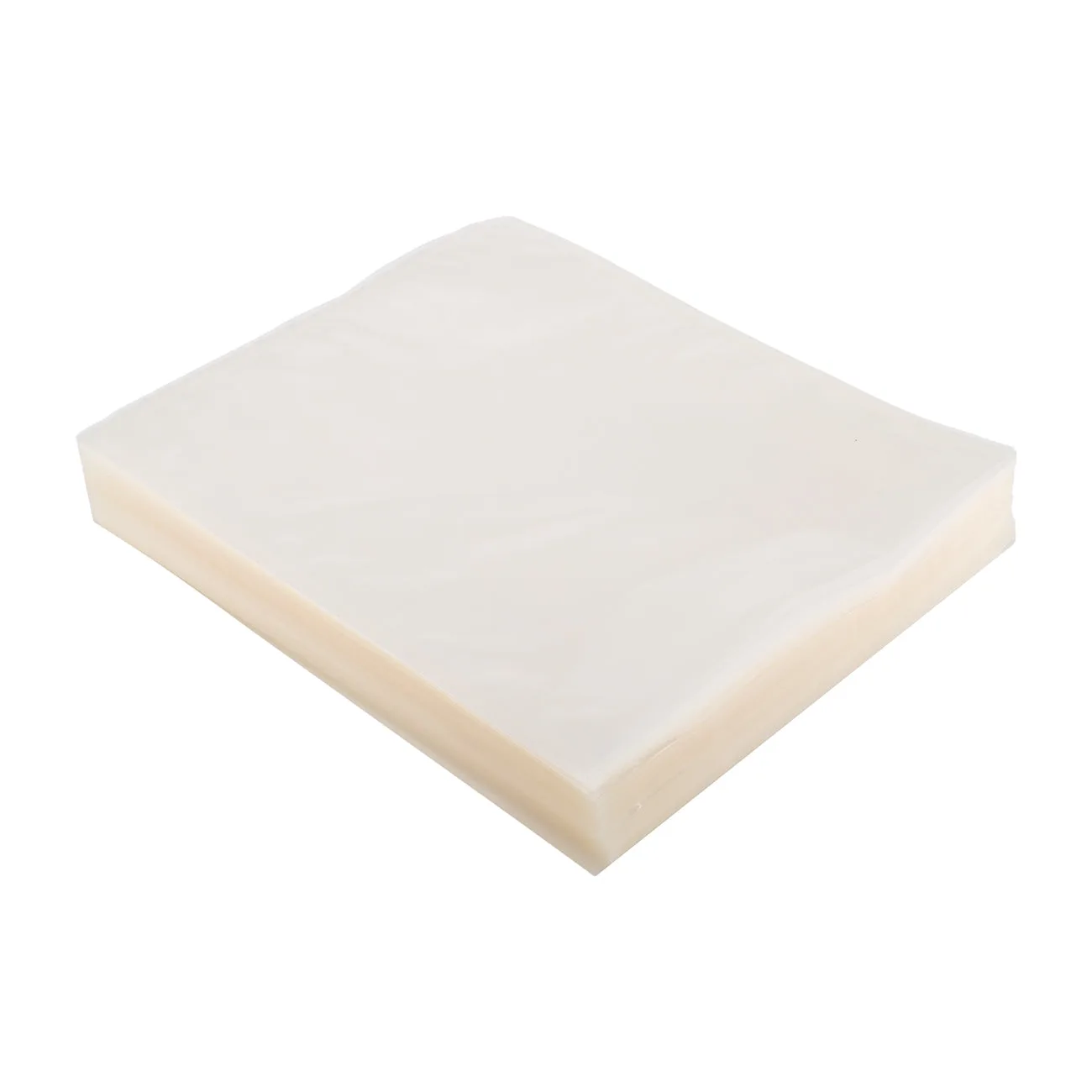
12 x 14 inch chamber vacuum bags
-
8 x 12 inch chamber vacuum bags: 8 x 12 inch chamber vacuum bags, 250 per pack, BPA free and food safe for sous vide, freezing, thawing, and microwave use. The smaller size is efficient for single servings and small cuts, and the 250-count pack keeps everyday portioning economical.
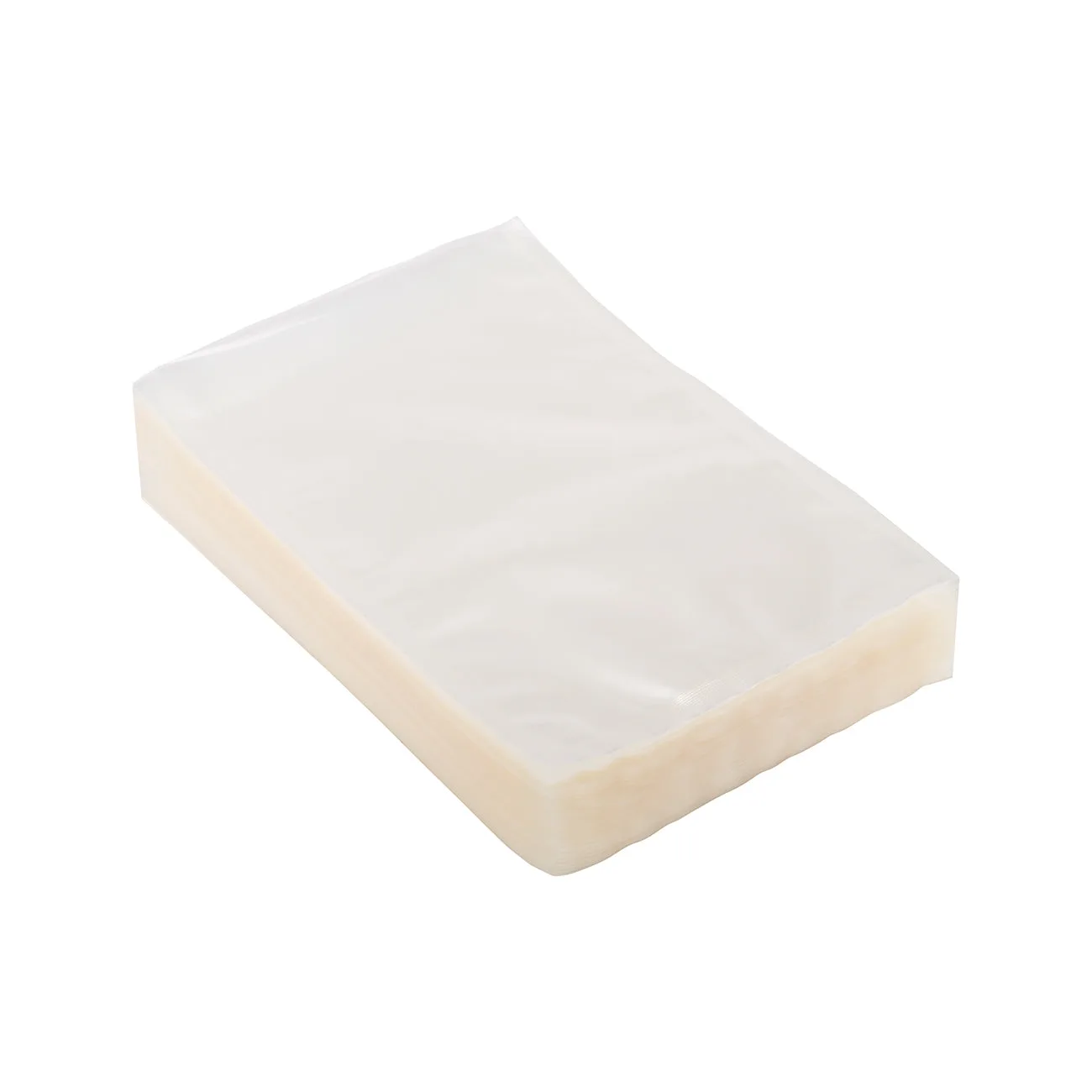
8 x 12 inch chamber vacuum bags
Who each size fits
Best for
- 8x12 inch bags: single cooks, meal-preppers portioning individual servings, and anyone sealing small cuts or vegetables
- 12x14 inch bags: families, batch cooks, and anyone sealing whole chickens, roasts, bony foods, or liquid-heavy marinades
Not for
- 8x12 inch bags: whole chickens, large roasts, or foods with bones that need extra bag material around the edges
- 12x14 inch bags: sealers with a chamber too small for the bag, or cooks who only seal small portions and want to avoid wasted material