Quick Answer
Choose Organic chamomile flower tea if you want a light, mild, sweet cup that supports winding down for sleep. Choose Lemon balm tea bags if you prefer a brighter, minty infusion and the convenience of pre-portioned bags for mood and cognitive support. Both are caffeine-free, so the better pick is the one whose flavor and format you will actually use nightly.
Flavor and Aroma: What Each Cup Actually Tastes Like
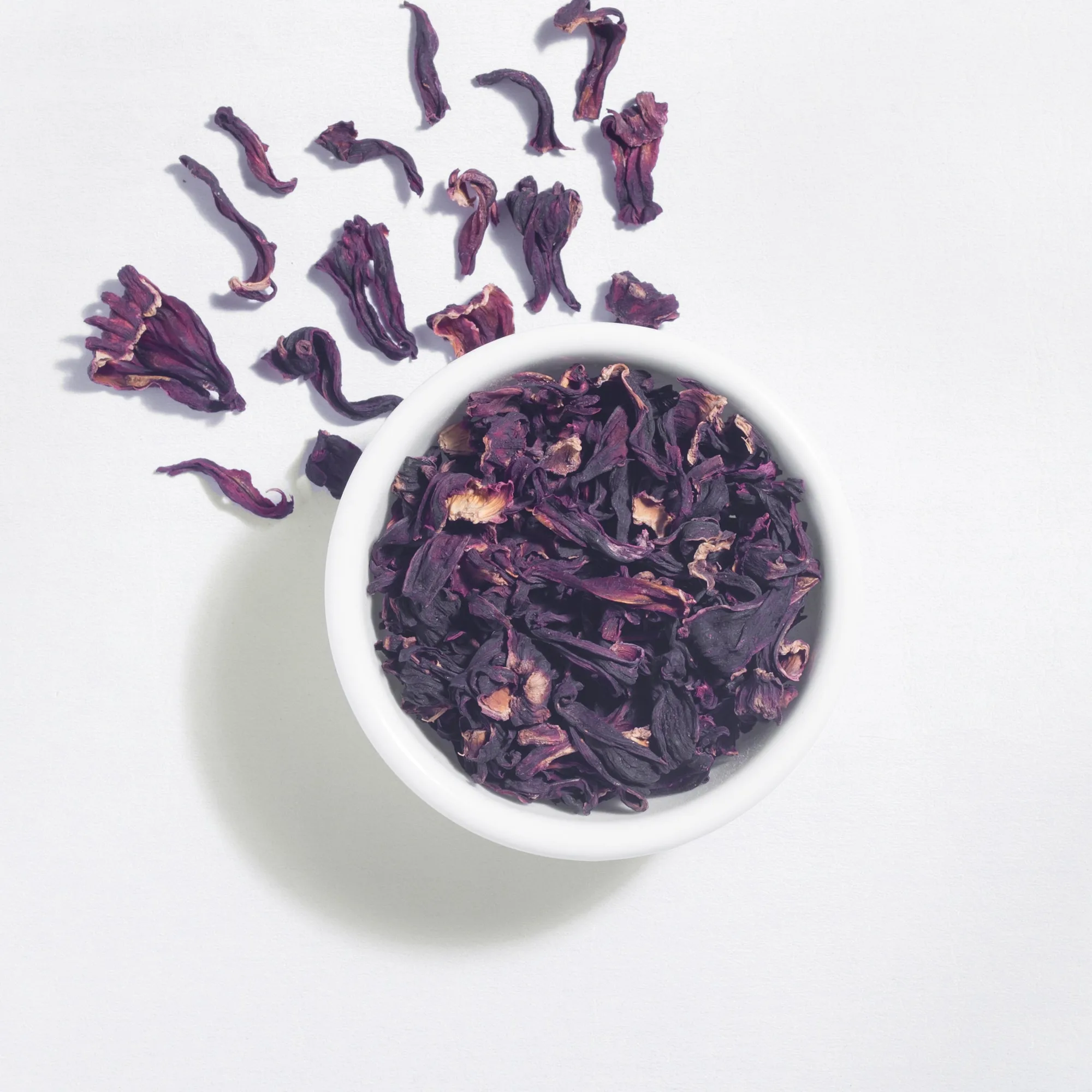
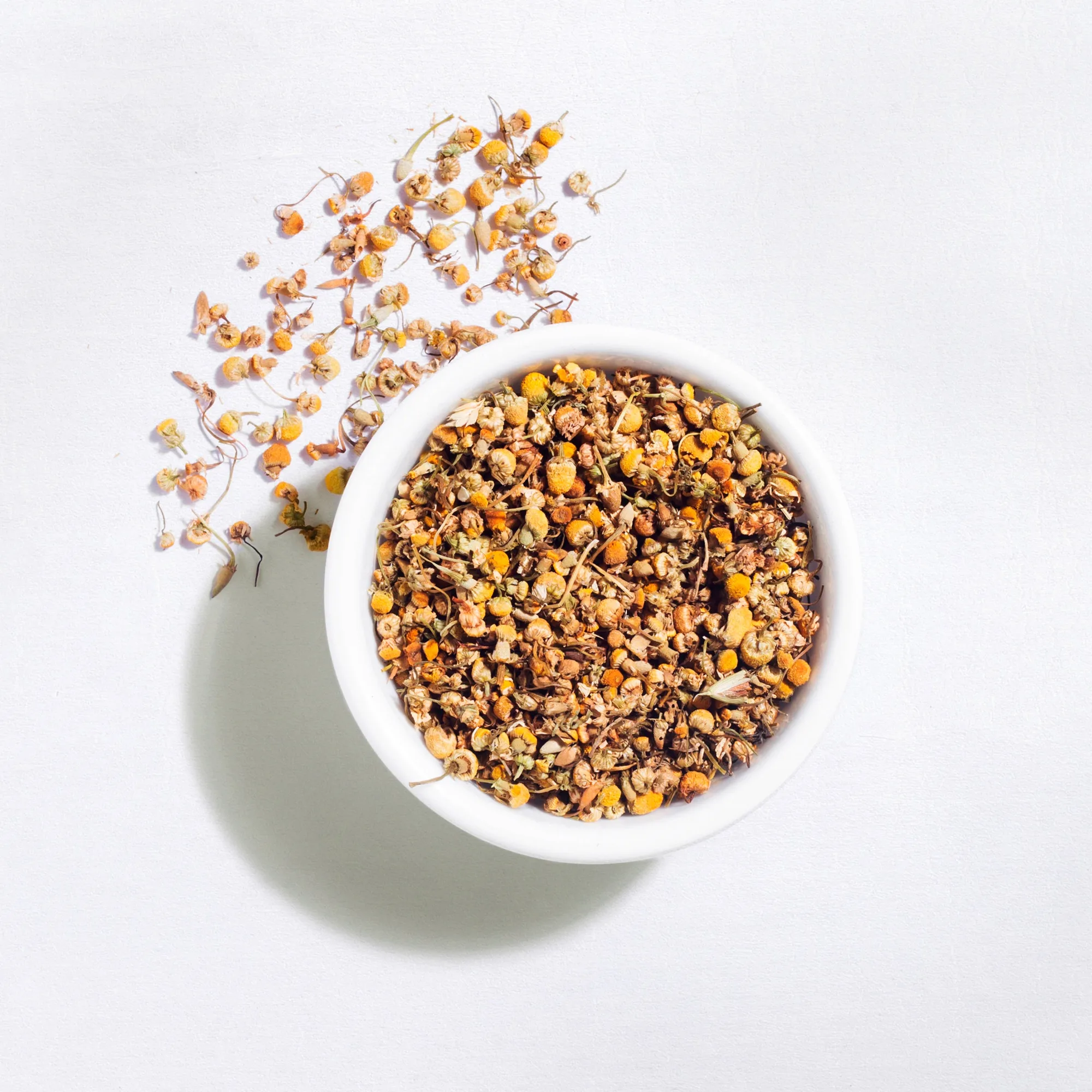
Organic chamomile flower tea brews into a pale gold cup with light, mild, sweet tasting notes. It is gentle enough to sip slowly before bed without demanding attention. Organic hibiscus flower tea offers a very different profile—fruity, sweet, and sour with a deep crimson color—but its tartness may be less suited to a quiet pre-sleep routine than chamomile's softness.
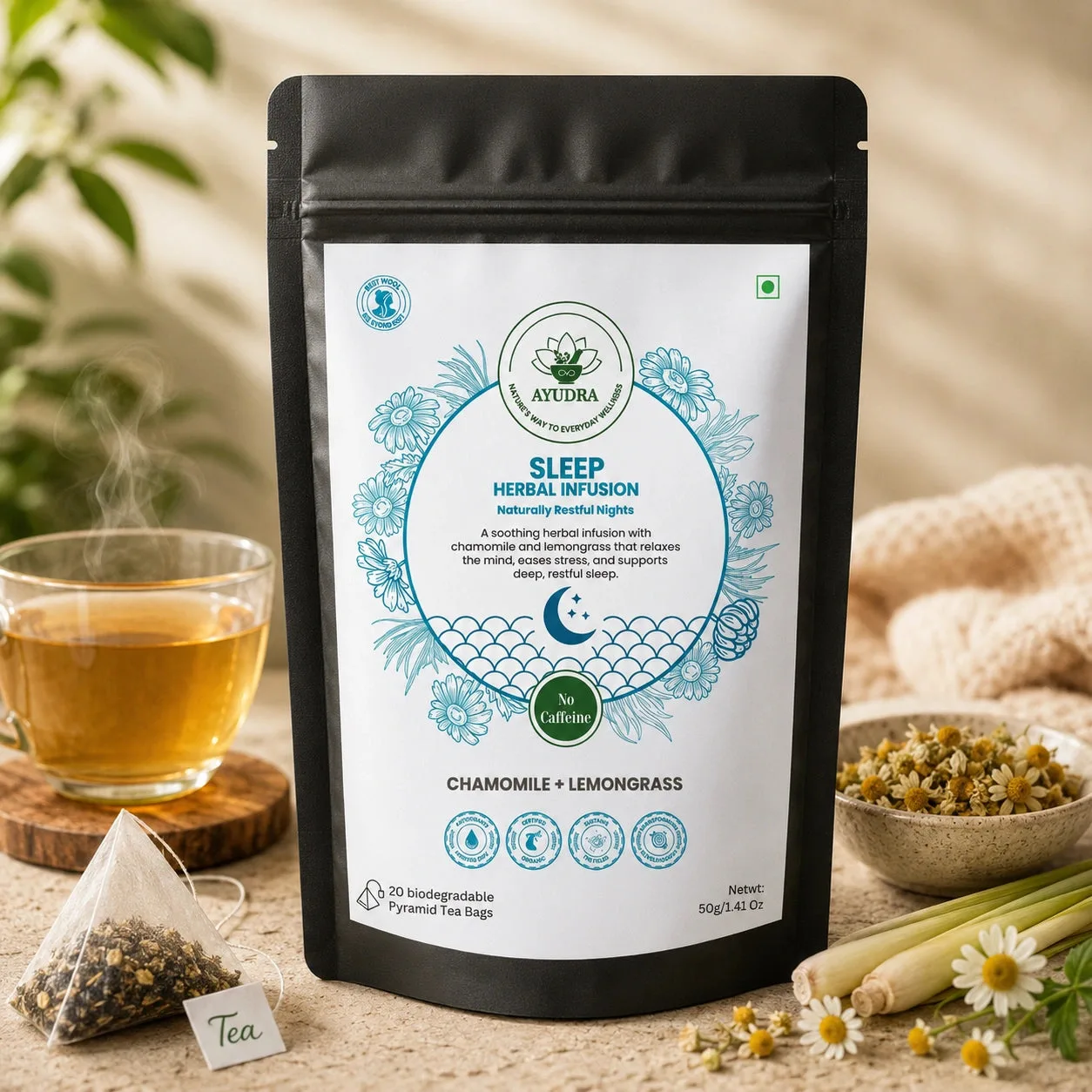
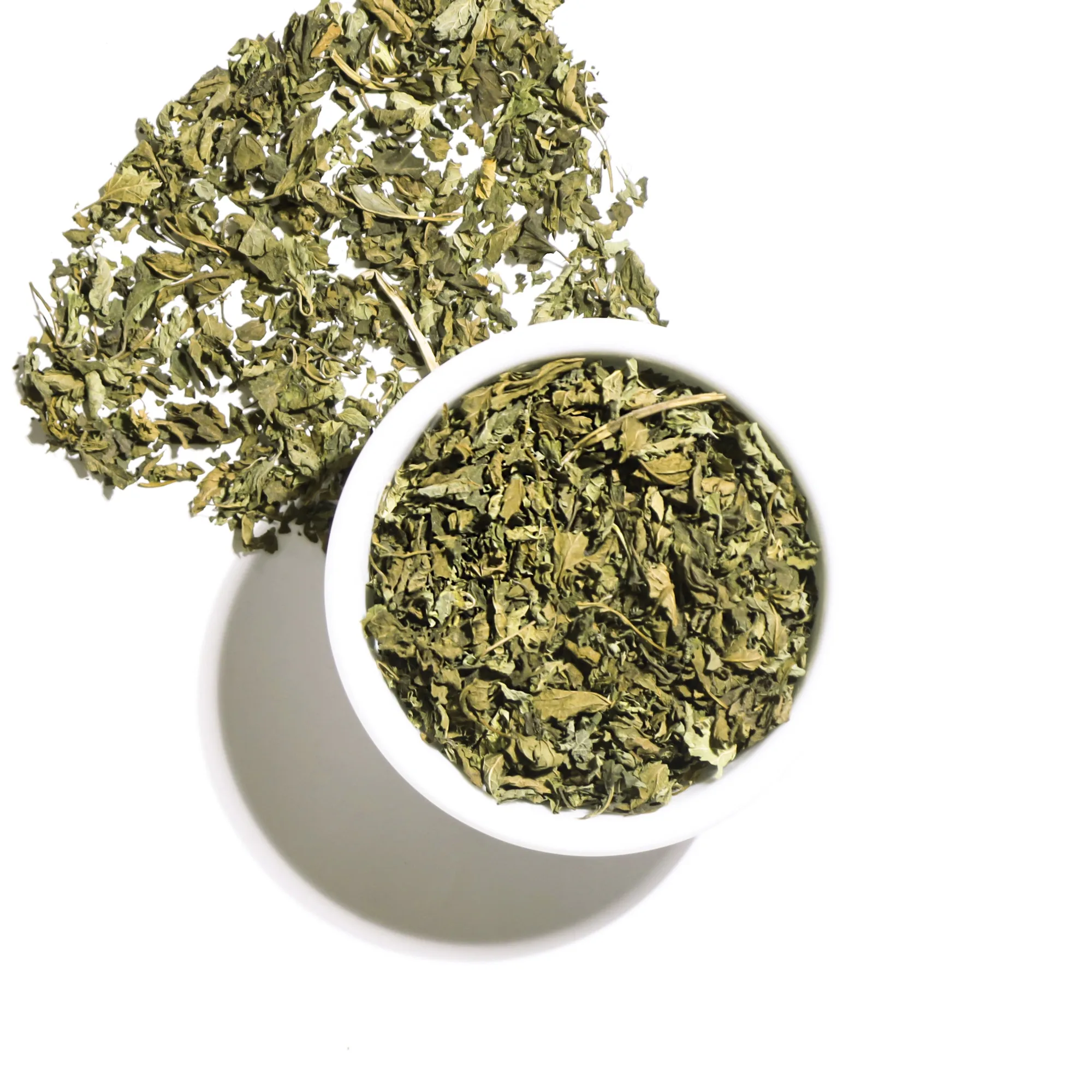
Lemon balm tea bags produce a lighter herbal infusion with citrus-mint character from the Melissa officinalis plant, a member of the mint family. If you find chamomile's hay-like sweetness dull, lemon balm's brighter edge can make a nightly cup more appealing. Neither is a strong or bitter tea, so both work without milk or sugar.
Format and Convenience: Loose Leaf vs Tea Bags
Organic chamomile flower tea comes as loose leaf with a Weight option, so you control the dose and can adjust strength by scoop. That flexibility suits a ritual where you measure, steep, and slow down. Lemon balm tea bags come in a Size option and skip measuring entirely—useful when you are already tired and want the simplest possible cup.
Loose leaf usually needs a strainer or teapot, while tea bags just need hot water and a mug. If you have never brewed loose leaf, our guide on brewing without a teapot covers the workarounds. If convenience decides whether you actually drink the tea, the bag format removes that friction.
Calming Effects and Caffeine Content
Both teas are caffeine-free, so neither will keep you awake. Chamomile is cataloged as a calmative agent and a night-time tea that improves sleep quality, with catalog-listed benefits including treating insomnia and helping in sound sleep. Lemon balm is described as a powerful relaxant known best for mood elevation and cognitive function properties.
That means the choice is less about which one 'works' and more about which effect you want. If your goal is a sleep-focused cup, chamomile's positioning fits directly. If you want relaxation that also supports mood or focus during a stressful evening, lemon balm's profile is the closer match. Do not expect either to replace medical treatment for a sleep disorder.
Brewing Both Without Overthinking It
For Organic chamomile flower tea, the catalog brewing instruction is to put 1 teaspoon of flowers into a cup, add hot water, and steep. Start with a short steep and extend it if you want a stronger cup; too long can pull out more bitterness than the mild floral notes can hide. For lemon balm tea bags, use one bag per mug and steep to taste, removing the bag when the flavor suits you.
Keep the routine consistent: same mug, same time, same steep. A repeatable cue signals your body that wind-down has started, which matters more than chasing a perfect measurement. If you drink tea earlier in the evening, keep it caffeine-free so it does not compete with sleep.
Trade-Offs: Chamomile vs Lemon Balm
- Sleep focus vs mood focus: Chamomile is cataloged as a night-time tea for sleep quality and insomnia, while lemon balm is positioned for mood elevation and cognitive function. Pick chamomile for a sleep-first cup; pick lemon balm if you want evening relaxation with a mood lift.
- Loose leaf control vs bag convenience: Chamomile is loose leaf with a Weight option, so you measure and steep it yourself. Lemon balm tea bags come in a Size option and need no measuring. Choose loose leaf if you enjoy the ritual; choose bags if convenience decides whether you brew at all.
- Mild sweetness vs citrus-mint brightness: Chamomile tastes light, mild, and sweet, while lemon balm carries the citrus-mint character of the Melissa officinalis mint-family plant. If plain chamomile bores you, lemon balm's brighter flavor may keep a nightly habit going.
Product Facts at a Glance
- Organic chamomile flower tea: Organic chamomile flower tea is loose leaf with a Weight option, priced at USD 213.90 (catalog comparison price USD 345.00). Catalog tasting notes are light, mild, and sweet, with brewing instructions to put 1 teaspoon of flowers in a cup. Loose leaf lets you dial in strength and portion cost, but you need a strainer or teapot and a few extra seconds of measuring.
- Lemon balm tea bags: Lemon balm tea bags come in a Size option, priced at USD 666.00 (catalog comparison price USD 900.00). The catalog describes lemon balm as a powerful relaxant known best for mood elevation and cognitive function properties. Pre-portioned bags remove brewing decisions, and the mood and cognitive positioning makes this a better fit for stressful evenings than for pure sleep onset.
- Organic hibiscus flower tea: Organic hibiscus flower tea is loose leaf with a Weight option, priced at USD 238.05 (catalog comparison price USD 345.00). Catalog tasting notes are fruity, sweet, and sour, with benefits listed as improved digestion, relief against spasms and cramps, and improved blood circulation. Hibiscus is caffeine-free and pleasant, but its tart, fruity profile and digestion-focused benefits make it a different evening tea rather than a direct sleep substitute.
Which One Should You Choose?
Best for
- People who want a caffeine-free bedtime tea specifically aimed at sleep quality and insomnia support
- Loose leaf drinkers who want to control dose and strength with a Weight option
- Anyone who prefers a light, mild, sweet cup without milk or sugar
Not for
- People who want zero measuring and the simplest possible cup—choose Lemon balm tea bags instead
- Drinkers who find mild floral teas bland and want a brighter citrus-mint flavor
- Anyone seeking a medical treatment for a sleep disorder rather than a calming evening ritual