Quick Answer
Yes, natural champagne cork bark can be a safe and attractive aquarium hardscape material if you prepare it properly by cleaning, soaking, and securing it before adding it to your tank.
Why Cork Bark Works for Aquariums
Cork bark is lightweight, naturally buoyant, and resistant to decay, making it a practical choice for aquascaping. Its textured surface provides hiding spots for small fish and shrimp, and it can be arranged to create caves and overhangs.
Because cork bark is a natural product, it may release tannins into the water, which can slightly lower pH and tint the water brown. This is harmless but worth planning for if you keep species that prefer neutral or alkaline conditions.
Important Safety Considerations
Not all cork bark is aquarium-safe. Choose untreated, natural cork bark without adhesives or coatings. The DIY Natural Champagne Cork Bark from Castle Dawn Aquatics is a good option because it is natural and free from harmful additives.
Cork bark can harbor dust, dirt, or small organisms. Thorough cleaning and soaking before use reduces the risk of introducing unwanted contaminants into your aquarium.
How to Add Cork Bark to Your Aquarium
- Clean the cork bark: Rinse the cork bark under running water and gently scrub with a soft brush to remove loose debris. Avoid soap or chemicals. Soak it in a bucket of dechlorinated water for 24–48 hours to help it become waterlogged and release excess tannins. If the water turns dark brown after soaking, that's normal; you can repeat the soak until the color lightens.
- Plan your layout: Before placing in the tank, dry-fit the cork bark pieces to design caves, arches, or vertical accents. Consider how fish and shrimp will use the space and ensure stable, secure placement. A common mistake is making a structure that can topple; test stability before adding water.
- Secure the cork bark: Since cork bark is buoyant, weigh it down with aquarium-safe rocks or attach it to a heavy base using aquarium silicone. This prevents it from floating and shifting after the tank is filled. Use only silicone specifically labeled for aquarium use; regular glue can be toxic.
- Add to the tank: Place the cork bark in your aquarium, arranging it to create hiding spots and visual interest. Add water slowly to minimize disturbance. Monitor water parameters for the first few days; tannins may cause a slight pH drop.
- Maintain and observe: Check the cork bark periodically for mold or algae growth and clean it gently during water changes. Observe your fish and shrimp to ensure they are using the new structure happily. If you notice excessive tannin staining, use activated carbon in your filter to clear the water.
Product Facts
-
DIY Natural Champagne Cork Bark: This cork bark is natural, anti-fungal, and resistant to rapid rotting or toxin release. It is a safe, long-lasting hardscape choice that won't compromise water quality.
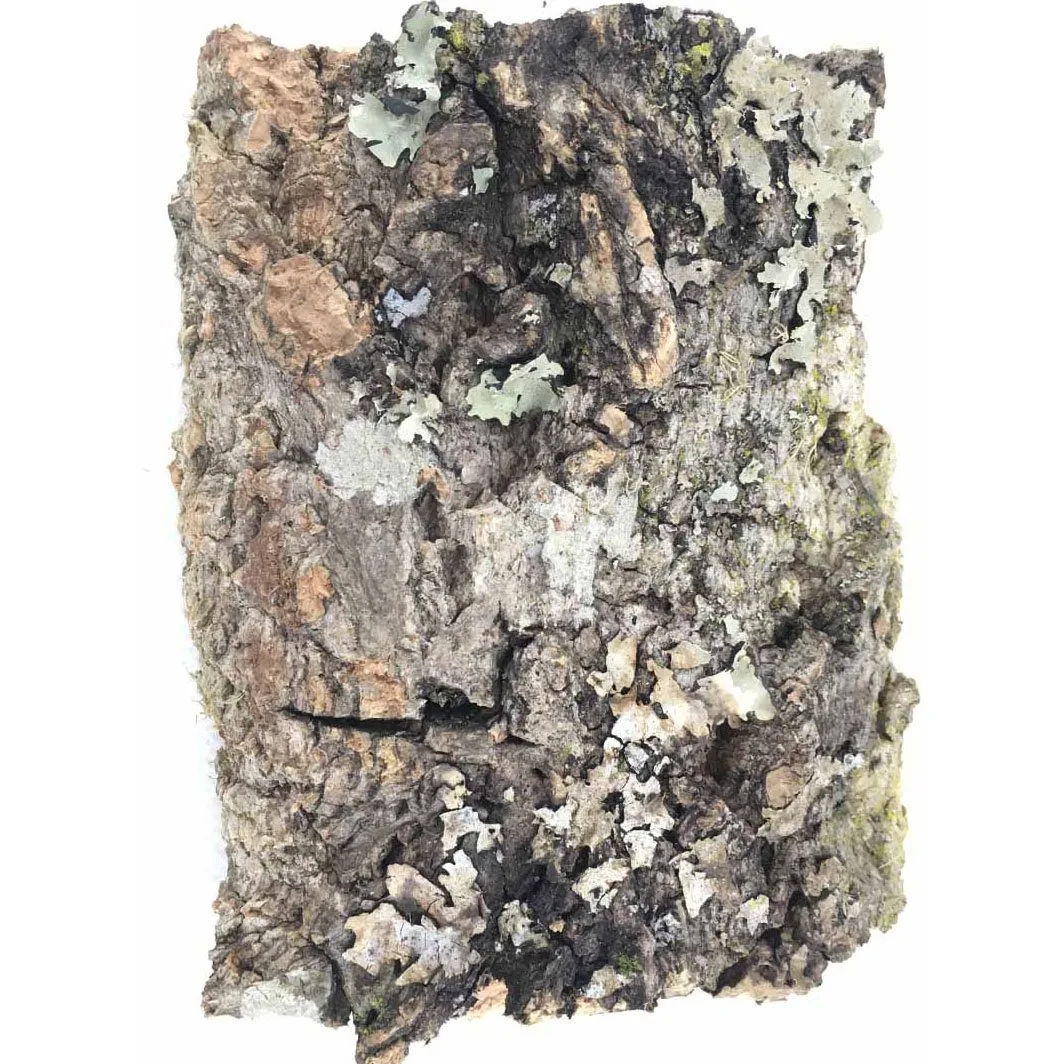
DIY Natural Champagne Cork Bark