Creating a beautiful cheese and charcuterie board is an art that starts with the right foundation. Whether you are hosting a dinner party, celebrating a special occasion, or simply treating yourself to a gourmet evening, the board you choose can make or break the experience. With so many options available, from wood to slate, round to rectangular, it can be overwhelming to know where to start. This buying guide will walk you through everything you need to consider, ensuring you select a board that complements your cheese selection and enhances your entertaining style.
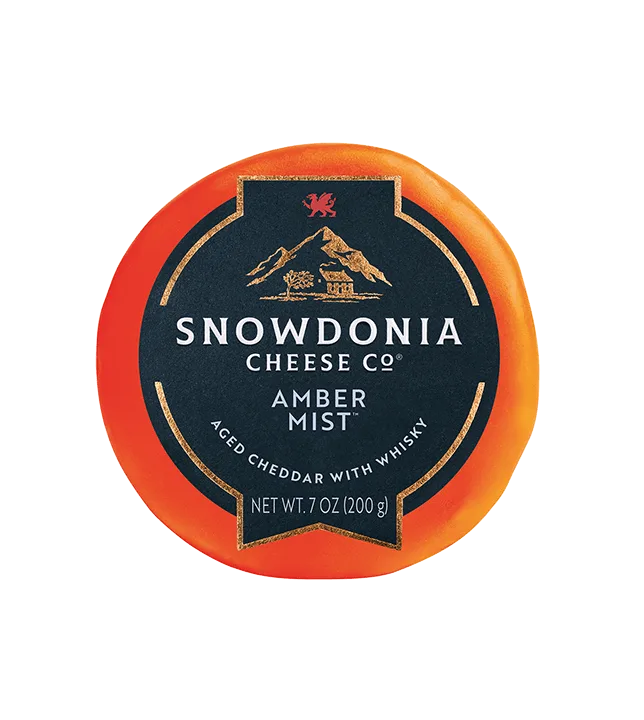
At Snowdonia Cheese, we believe that great cheese deserves a great presentation. Our multi award-winning cheese range is crafted with care, and we want to help you showcase it perfectly. In this guide, we will cover board materials, size, shape, maintenance, and how to pair your board with the right accompaniments, including our own Pear, Date & Cognac Chutney. By the end, you will be ready to build a show-stopping board that impresses every guest.
Why the Right Board Matters
A cheese board is more than just a serving platter; it is a stage for your carefully selected cheeses, meats, and accompaniments. The wrong board can lead to cheese sliding off, knives dulling quickly, or a presentation that feels cluttered. The right board, on the other hand, provides a stable, attractive surface that makes slicing easy and keeps everything in place. It also adds a touch of elegance to your table, setting the tone for a memorable dining experience.
When you invest in a quality board, you are also investing in durability. A well-made board can last for years, developing a beautiful patina over time. Whether you prefer the warmth of wood or the sleekness of slate, understanding the pros and cons of each material will help you make an informed decision that suits your lifestyle and aesthetic.
- A good board prevents cheese from slipping and makes serving effortless.
- Quality boards develop character with age, becoming a cherished kitchen tool.
- The right material can complement or contrast with your cheese colours and textures.
Board Materials: Wood, Slate, Marble, and More
Wood is the classic choice for cheese boards, prized for its natural warmth and gentle surface that won't dull your knives. Hardwoods like acacia, beech, and walnut are popular for their durability and rich grain patterns. For example, the Round Acacia Wood Grazing Board offers a stunning circular shape that encourages sharing and is easy to arrange. Acacia is naturally water-resistant and hard-wearing, making it ideal for both cheese and charcuterie. Beech wood is another excellent option, known for its light colour and smooth finish. The Beech Wood board from Snowdonia Cheese is a versatile choice that pairs beautifully with any cheese selection.

Beech wood
Slate boards offer a modern, sleek look and are perfect for presenting cheeses that you want to keep cool. Slate is non-porous, easy to clean, and provides a striking contrast against yellow cheeses and red meats. However, it can be heavy and may scratch over time. Marble boards are similarly elegant but are best for serving cold items like soft cheeses and seafood. They are not recommended for hard cheeses as they can dull knives quickly. Consider your typical use: if you often serve a mix of hard and soft cheeses, wood is the most forgiving and practical choice.
- Wood boards are gentle on knife blades and develop a beautiful patina.
- Slate is easy to clean and offers a contemporary aesthetic.
- Marble is ideal for cold presentations but can be heavy and hard on knives.
Size and Shape: Finding the Perfect Fit
The size of your board should match the number of guests you typically entertain. For intimate gatherings of two to four people, a small round or rectangular board around 30 cm in diameter or length is sufficient. For larger parties, consider a board that is at least 45 cm long or a round board with a diameter of 40 cm or more. The Round Acacia Wood Grazing Board is a great mid-size option that can accommodate a variety of cheeses, cured meats, and accompaniments without feeling overcrowded.
Shape also plays a role in functionality. Rectangular boards are classic and easy to arrange with linear sections for cheese, meat, and fruit. Round boards encourage a more communal, flowing arrangement, which is perfect for casual gatherings. Some boards come with handles or grooves for easy carrying, while others feature compartments for olives or dips. Think about your serving style: if you like to pre-arrange everything, a larger board with a rim can help contain crumbs and prevent items from falling off.
- Measure your table or counter space before buying to ensure a good fit.
- Round boards are great for sharing and create a natural focal point.
- Boards with juice grooves or handles add extra convenience.
Essential Features: Handles, Grooves, and Accessories
Look for boards with thoughtful design features that enhance usability. A juice groove around the edge is excellent for catching any liquid from ripe fruits or marinated vegetables, keeping your table clean. Handles or cut-out grips make it easy to carry the board from kitchen to table, especially when it is loaded with food. Some boards come with built-in compartments for small bowls of chutney or olives, which is perfect for serving our Pear, Date & Cognac Chutney alongside your cheese.
If you plan to serve charcuterie, consider a board with a slightly raised edge or a non-slip base to prevent slices from sliding. Some boards are designed with a slight tilt or have a textured surface that grips the food. Additionally, think about storage: a board that is too large to fit in your cupboard may be inconvenient. The Beech Wood board is lightweight and easy to store, making it a practical choice for everyday use.
- Juice grooves help contain messes from fruits and condiments.
- Handles make it easy to transport a fully loaded board.
- Non-slip feet or bases keep the board stable during serving.
How to Pair Your Board with Cheeses and Accompaniments
Once you have chosen your board, it is time to think about what to put on it. A well-balanced cheese board typically includes three to five cheeses of varying textures and intensities, such as a soft brie, a hard cheddar, and a blue cheese. For a truly special presentation, consider our Cheddar and Red Leicester Selection, which offers a beautiful colour contrast and robust flavours. Pair these with cured meats like prosciutto or salami, fresh and dried fruits, nuts, and a selection of crackers or bread.
Accompaniments like chutney add a sweet or tangy element that cuts through the richness of cheese. Our Pear, Date & Cognac Chutney is a customer favourite, with its deep, fruity notes that pair wonderfully with both hard and soft cheeses. Drizzle it over a wedge of cheddar or serve it in a small bowl on the board. Don't forget to include a few cheese knives – one for each cheese to avoid mixing flavours – and small plates or napkins for guests.
- Include a variety of textures: soft, hard, and blue cheeses.
- Pair cheeses with complementary flavours like sweet chutney or tangy pickles.
- Provide separate knives for each cheese to keep flavours distinct.
Caring for Your Cheese Board
Proper care will extend the life of your board and keep it looking beautiful. Wood boards should be hand-washed with mild soap and warm water, then dried immediately. Never soak a wood board or put it in the dishwasher, as this can cause warping and cracking. Every few months, condition your wood board with food-safe mineral oil or beeswax to maintain its lustre and prevent dryness. Slate and marble boards can be wiped clean with a damp cloth, but avoid acidic cleaners that can etch the surface.
Store your board in a dry, cool place away from direct sunlight. If you have multiple boards, consider stacking them with a layer of paper towel in between to prevent scratches. With proper care, a high-quality board like the Round Acacia Wood Grazing Board will become a cherished part of your entertaining kit for years to come.
- Hand-wash wood boards and dry immediately – never soak or dishwasher.
- Condition wood boards every few months with food-safe mineral oil.
- Store boards flat in a dry place to prevent warping.
Choosing the perfect cheese and charcuterie board is an investment in your entertaining experience. By considering material, size, shape, and features, you can find a board that not only looks stunning but also makes serving effortless. Pair it with award-winning cheeses and accompaniments from Snowdonia Cheese, and you will create a spread that delights every guest. Explore our selection of boards and accessories to find the perfect match for your next gathering, starting with the versatile Round Acacia Wood Grazing Board – a beautiful, durable choice that will elevate any cheese presentation.