Quick answer
Choose a chef hat if you work a hot line or want a clean, professional look that stays put through service; choose a beanie if your kitchen runs cold or you need close-fitting warmth under a hood or hat. For most long shifts, the chef hat's structured shape and breathable intent make it the safer default.
Coverage and silhouette: what each one actually does
A chef hat is built to sit above the head with a classic, clean profile. The Chef Reactions Chef Hat in Charcoal uses a neutral charcoal color that pairs with any chef coat, so it reads as part of a uniform rather than an add-on. A beanie, by contrast, hugs the skull and ears; that close fit is warmer and lower-profile, but it can feel restrictive if you run hot or wear glasses.
The trade-off is airflow versus insulation. The chef hat's looser shape leaves more room for air to move, which matters on a busy line. A beanie traps heat by design, so it suits cold prep rooms, walk-in shifts, or winter commutes better than a hot range.
Heat and long-shift comfort
For a 10-hour shift, the question is not which hat is warmer but which one you can forget you are wearing. A structured chef hat keeps fabric off the forehead and lets heat escape upward; a beanie sits directly on the skin, so sweat and pressure points show up sooner. If your kitchen regularly runs above comfortable room temperature, the chef hat is the lower-risk choice.
That said, a beanie wins in cold environments or when you move between a hot line and a cold walk-in. The honest limitation: neither option is a substitute for a properly ventilated kitchen, and no headwear can make a hot room cool.
Fit and adjustment: what to check before you buy
The Chef Reactions Chef Hat is available in a Standard size, and the catalog does not list adjustable closures or alternate sizes. That means fit depends on your head circumference and how the standard cut sits on you; if you are between sizes or have a larger head, a beanie with stretch or an adjustable strap may be more forgiving.
A beanie's stretch is its advantage: it conforms to your head and stays put under movement. The chef hat's advantage is a consistent, uniform look that does not compress your hair or leave a tight band mark. Try the chef hat on before a long shift if you can, and check that the band does not dig into your forehead when you look down at a cutting board.
Trade-offs at a glance
- Heat management: Chef hat: looser shape allows more airflow above the head; beanie: close fit traps warmth. Choose the chef hat for hot lines, the beanie for cold prep or walk-in work. If you sweat through a beanie by mid-shift, switch to a chef hat.
- Fit and sizing: Chef hat: Standard size only, no listed adjustment; beanie: stretch conforms to the head. If you are between sizes, a beanie is more forgiving; if you want a consistent uniform look, the chef hat is the cleaner choice. Measure your head before ordering a standard-size chef hat.
- Professional appearance: Chef hat: classic, clean silhouette in charcoal that pairs with any chef coat; beanie: casual, close-fitting look that can read as streetwear unless your kitchen allows it. Check your kitchen's dress code before swapping a chef hat for a beanie.
Product facts
-
Chef Reactions Chef Hat - Charcoal: Charcoal color designed to complement any chef coat. A neutral charcoal reads as uniform-ready, so you can wear it across shifts without matching a specific apron or jacket.
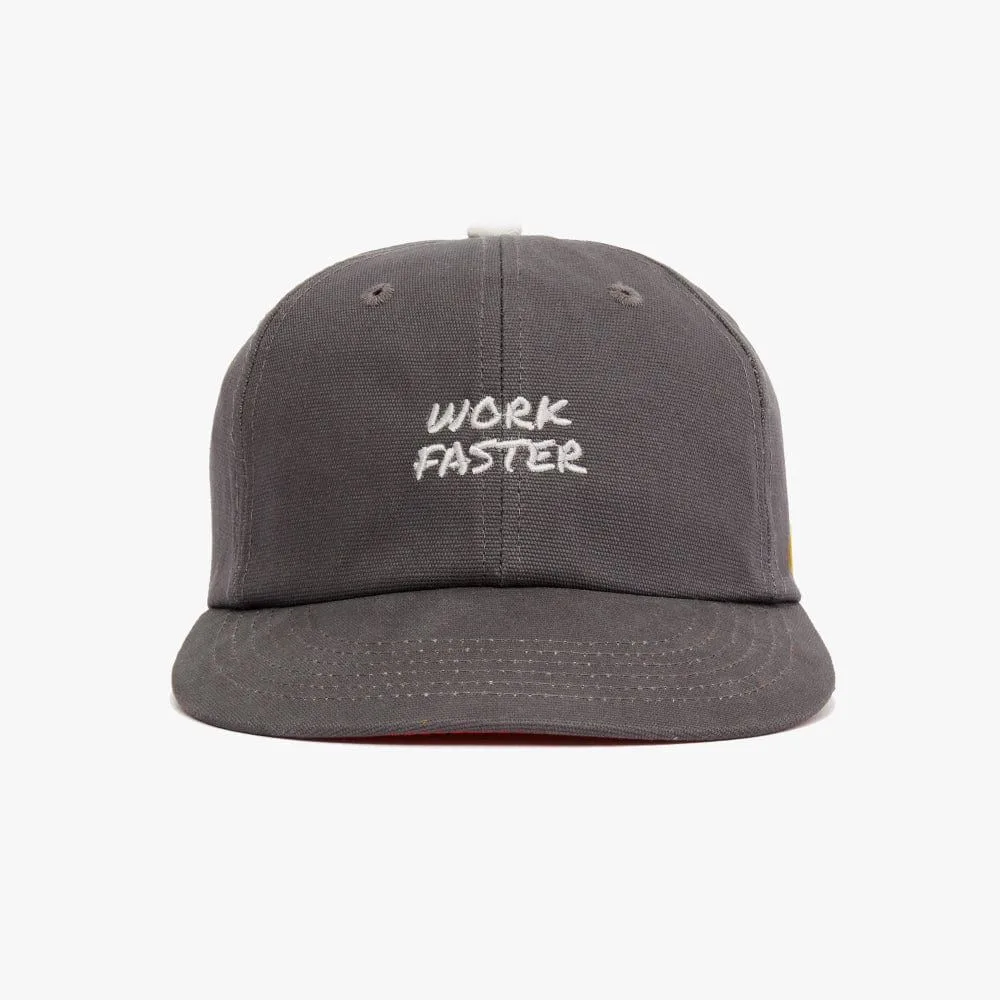
Chef Reactions Chef Hat - Charcoal
-
Chef Reactions Chef Hat - Charcoal: Available in a Standard size. If you need an adjustable or alternate size, check the fit before committing, since the catalog does not list other sizing options.
Who should choose which
Best for
- Line cooks and chefs working hot ranges who want airflow and a uniform look
- Anyone who wants a neutral charcoal hat that matches any chef coat
- Cooks who prefer a structured hat that stays off the forehead
Not for
- Workers in cold kitchens or walk-ins who need close-fitting warmth
- Anyone who needs an adjustable or non-standard size, since the chef hat is listed in Standard only
- Kitchens that allow casual headwear and prioritize a low-profile fit