Why Proper Care Matters for Your Chew Necklace
A chew necklace is a daily companion for oral sensory input, anxiety support, or focus. Like any tool you use repeatedly, it needs regular cleaning to stay hygienic and safe. Proper care also helps the silicone or fabric components last longer, so you get the most value from your purchase.
This guide covers practical steps for cleaning and maintaining chew necklaces, with tips specific to different materials and designs. Whether you have a silicone pendant or a fabric fidget necklace, these routines will keep your sensory tool fresh and functional.
Products Featured in This Guide
-
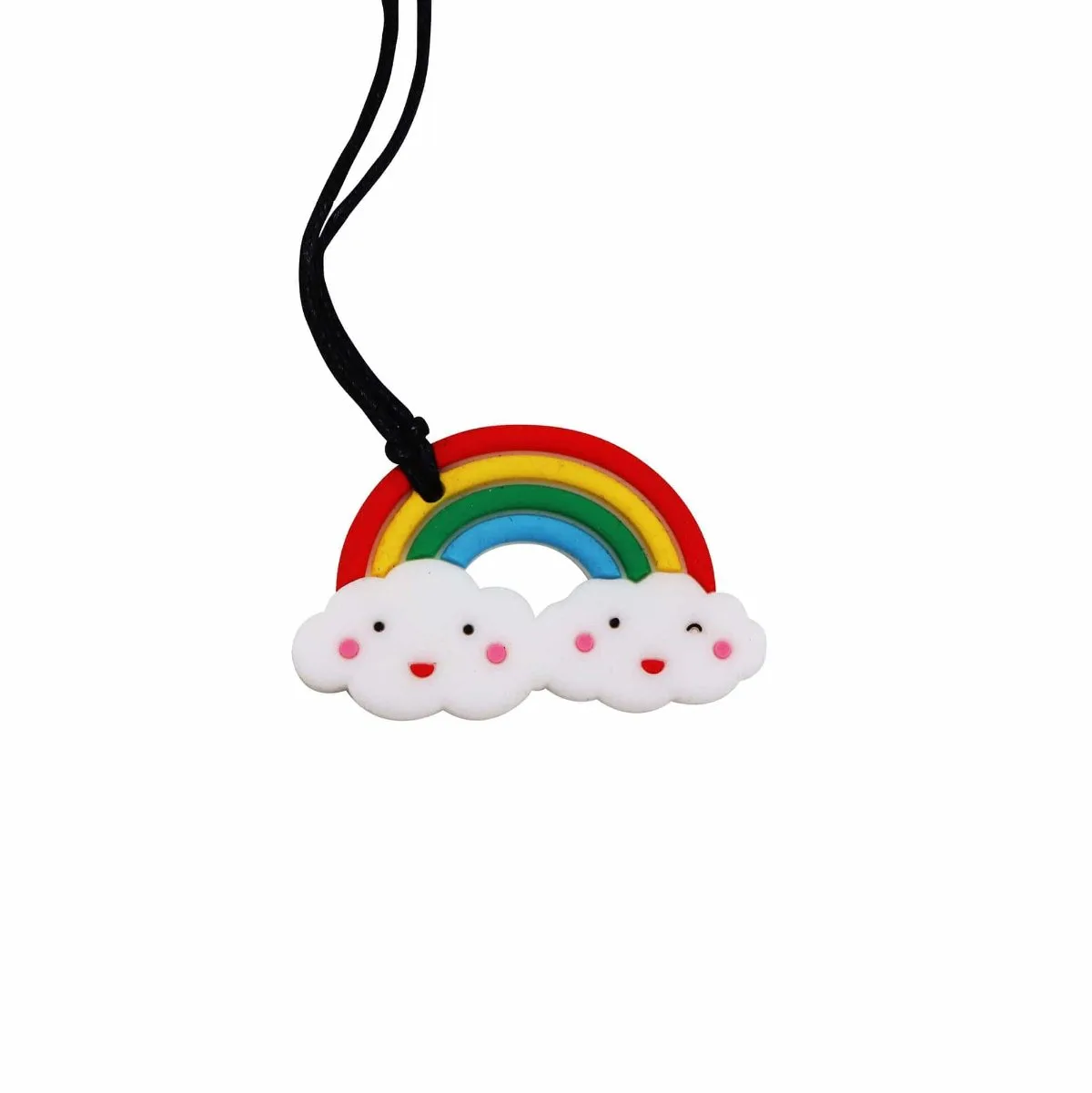
Rainbow Pendant Chew Necklace: The Rainbow Pendant Chew Necklace from Jellystone Designs is made from food-grade silicone and designed for preschoolers, school-age children, and beyond. Silicone is durable and easy to clean, making it ideal for daily oral sensory use.
Rainbow Pendant Chew Necklace
-
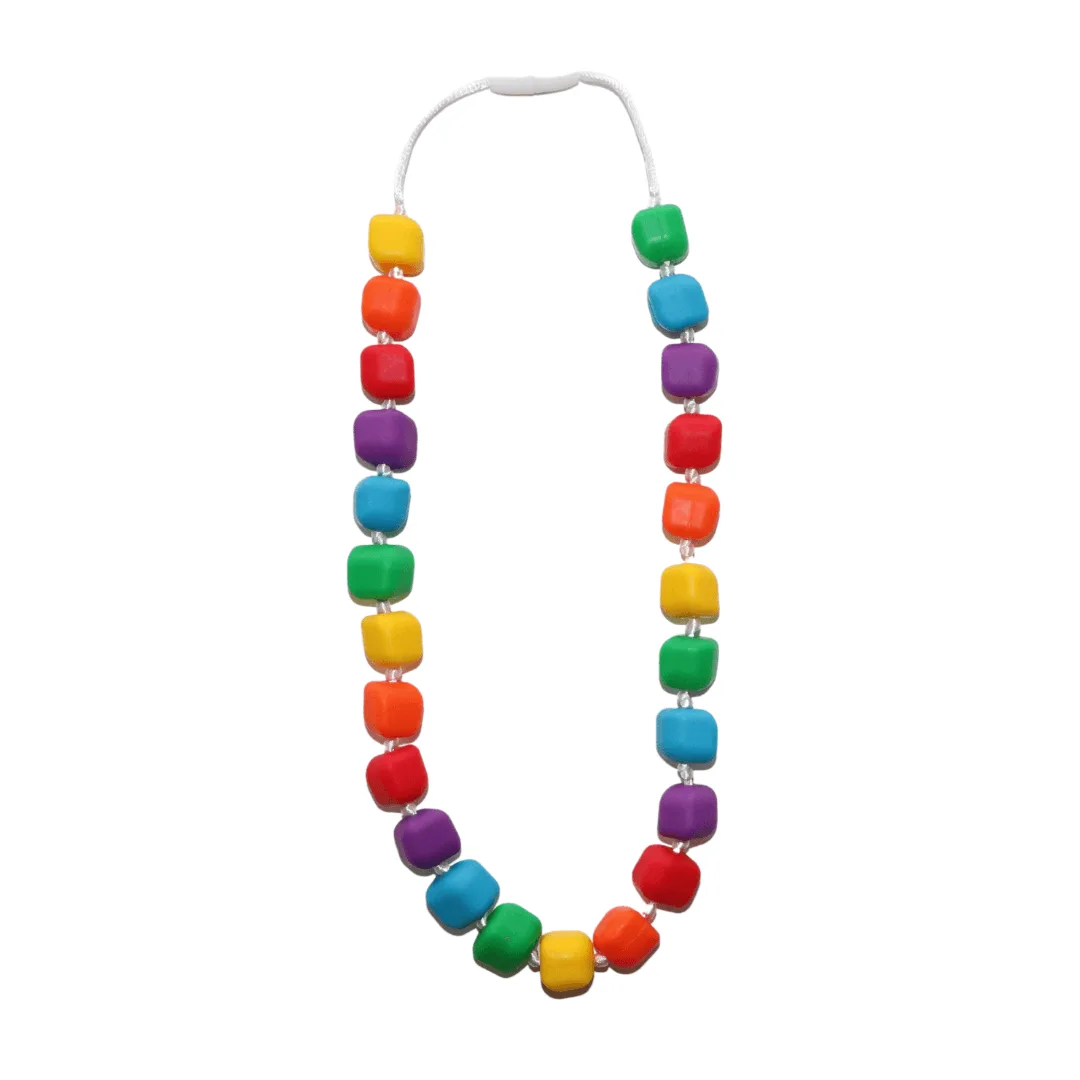
Princess & The Pea Sensory Chew Necklace: The Princess & The Pea Sensory Chew Necklace is made from non-toxic, food-grade silicone and is easy to clean for a hygienic sensory experience. Non-toxic materials and easy cleaning are key for safe, repeated use.
Princess & The Pea Sensory Chew Necklace
-
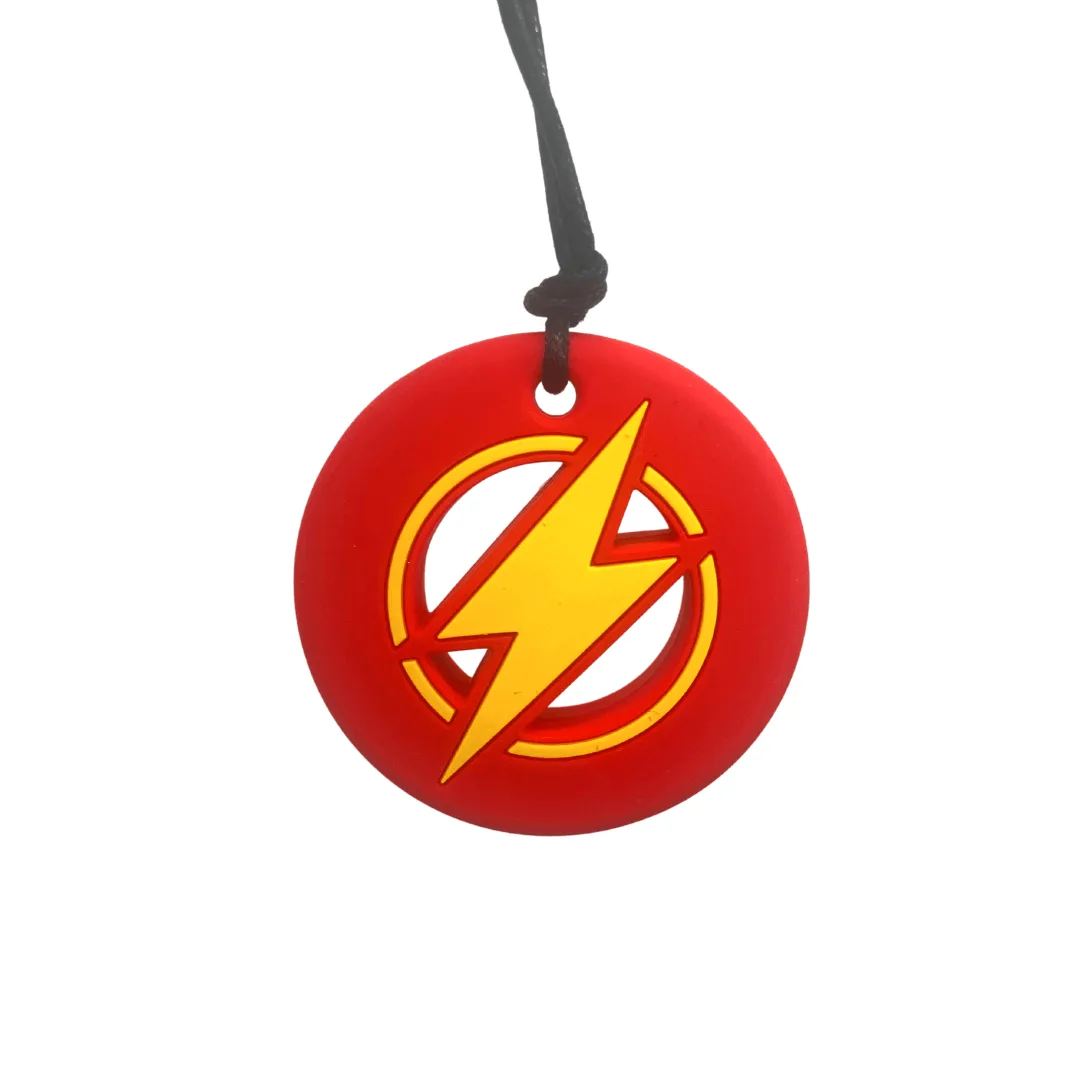
Strike Energy Pendant: The Strike Energy Pendant is made from silicone free from BPA, phthalates, lead, and cadmium, for users ages three and up. Knowing the material composition helps you choose safe cleaning methods that won't degrade the silicone.
-
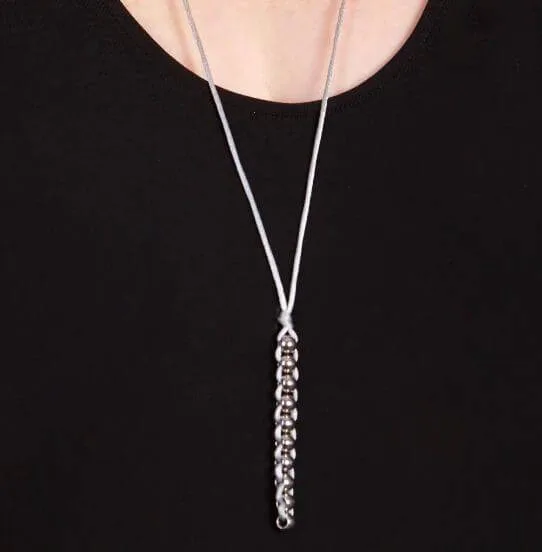
Caterpillar Fidget Necklace: The Caterpillar Fidget Necklace by Kaiko combines fabric cord and beads, and can be shortened by cutting and retying the knot at each end. Fabric components need different care than silicone, and the adjustable length helps maintain a good fit over time.
Daily Cleaning Routine for Silicone Chew Necklaces
For silicone pendants like the Rainbow Pendant Chew Necklace, Princess & The Pea Sensory Chew Necklace, or Strike Energy Pendant, a quick daily rinse is often enough. After each use, wash the pendant with warm water and mild dish soap. Rinse thoroughly to remove any soap residue, then pat dry with a clean cloth or let it air dry.
If the necklace has been chewed vigorously or used in a public setting, a more thorough clean is wise. You can soak the silicone pendant in a solution of warm water and a few drops of antibacterial soap for a few minutes, then scrub gently with a soft brush (a clean toothbrush works well) to reach any crevices. Rinse well and dry completely before storing.
Avoid using harsh chemicals, alcohol wipes, or abrasive scrubbers on silicone, as these can degrade the material over time. Stick to gentle soap and water for the longest life.
Caring for Fabric and Mixed-Material Necklaces
The Caterpillar Fidget Necklace by Kaiko includes fabric cord and beads, which require a different approach. The fabric cord can be spot-cleaned with a damp cloth and mild soap, but avoid soaking the entire necklace. If the cord becomes frayed or stained, you may need to replace it—check the manufacturer's instructions for care limits.
Because this necklace has a breakaway clasp for safety, handle the clasp gently when cleaning to avoid damaging the mechanism. After spot-cleaning, let the necklace air dry completely before wearing or storing.
Step-by-Step: Deep Clean Your Silicone Chew Pendant
- Prepare a cleaning solution: Fill a small bowl with warm water and add a few drops of mild dish soap or a gentle antibacterial soap. Do not use bleach, vinegar, or alcohol-based cleaners.
- Soak the pendant: Place the silicone pendant in the soapy water and let it soak for the time recommended in the product instructions. This helps loosen saliva and debris from the surface and any textured areas.
- Scrub gently: Use a soft-bristled brush (like a clean toothbrush) to gently scrub the pendant, paying attention to grooves or ridges. Avoid hard scrubbing that could damage the silicone.
- Rinse thoroughly: Hold the pendant under running warm water until all soap is gone. Any leftover soap can taste unpleasant and may irritate sensitive mouths.
- Dry completely: Pat the pendant dry with a clean, lint-free cloth, then let it air dry on a clean dish towel. Make sure it is completely dry before storing to prevent mold or mildew.
Storage Tips to Extend Life
Store your chew necklace in a clean, dry place away from direct sunlight, which can fade colors and weaken silicone over time. A small pouch or container works well to keep it dust-free. If you have multiple chew necklaces, store them separately to avoid tangling or scratching.
For the Caterpillar Fidget Necklace, avoid hanging it by the clasp for long periods, as the weight of the beads can stretch the fabric cord. Instead, lay it flat or coil it loosely in a drawer.
When to Replace Your Chew Necklace
Even with the best care, chew necklaces have a limited lifespan. Inspect your pendant regularly for signs of wear: cracks, tears, rough edges, or discoloration. If the silicone becomes sticky or develops a permanent odor, it's time to replace it. For fabric necklaces, check for fraying cord or loose beads.
The supplied information does not specify a replacement interval, so use your judgment based on how often the necklace is used and how well it holds up. A good rule is to replace it when it no longer feels smooth or safe to chew.
Final Thoughts on Chew Necklace Maintenance
Regular cleaning and proper storage keep your chew necklace hygienic and effective for oral sensory needs. Silicone pendants are easy to wash with soap and water, while fabric necklaces need gentler spot-cleaning. By following these simple steps, you can extend the life of your sensory tool and enjoy its benefits longer.