Quick Answer
If your child chews on clothing, pencils, or their fingers, a chew pendant is the more targeted tool because it redirects oral sensory input. If your child needs to keep their hands busy to stay focused, a fidget toy fits better. Many kids benefit from having both, but start with the sense they reach for most.
When you are trying to help a child self-regulate, the options can blur together. A chew pendant and a fidget toy both fall under the sensory tool umbrella, but they feed different sensory systems. Choosing the wrong one can mean a tool that sits unused in a backpack.
This comparison looks at how each tool works, what it does well, and where it falls short. You will also see how specific options like the Dino Pendant and Tray Play fit into real routines, so you can match the tool to your child instead of guessing.
Tray Play
How Chew Pendants and Fidget Toys Differ
Chew pendants deliver oral sensory input. A child bites, chews, or mouths the silicone pendant to get calming feedback through their jaw and mouth. This is why they are often recommended for kids who chew on shirts, sleeves, pencils, or nails. Fidget toys, by contrast, deliver tactile and proprioceptive input through the hands. Squeezing, twisting, or manipulating a fidget gives the fingers something to do, which can help with attention and restlessness.
The key difference is the sensory channel. Oral input tends to be deeply regulating and can be calming in moments of big emotion. Hand fidgets tend to support focus and redirect restless energy without being as obvious. Neither is better across the board; they solve different problems.
- Watch what your child reaches for when they are stressed or bored. Hands or mouth? That tells you which tool to try first.
- A chew pendant stays with the child on a necklace, so it is harder to lose than a small fidget.
- Fidget toys can be used during listening tasks without drawing attention to the mouth.
Where Chew Pendants Win
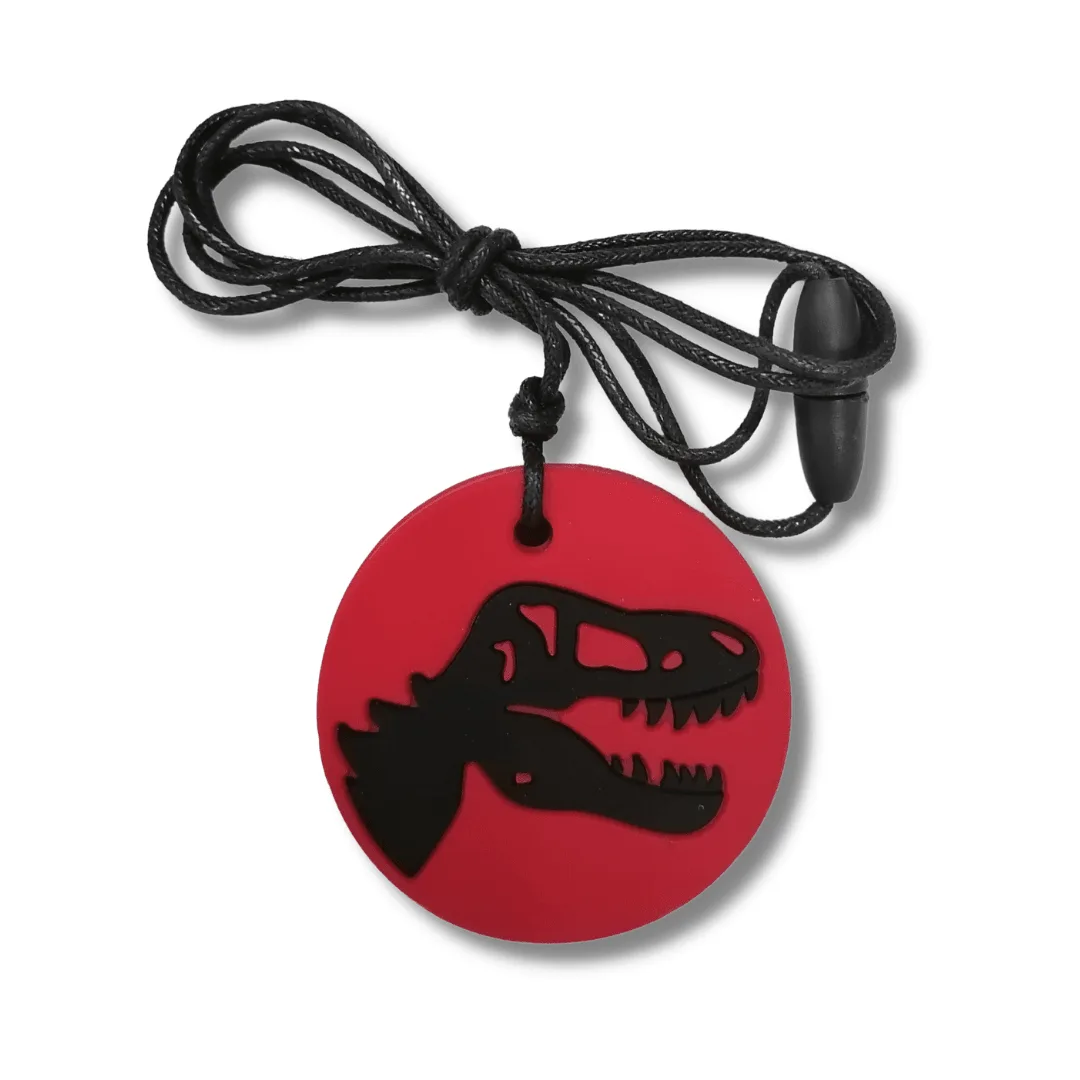
Chew pendants are the stronger choice when oral sensory seeking is the main issue. If your child constantly chews their sleeves, bites their nails, or puts non-food items in their mouth, a pendant gives them a safe, dedicated outlet. The Dino Pendant is a good example: it is a silicone chew pendant on a necklace, recommended by Occupational Therapists as a tool a child can use independently to develop effective control of their nervous system, according to the product description.
Chew pendants are also discreet. Worn as a necklace, they look like an accessory rather than a therapy tool. The Princess & the Pea Necklace takes this further with silicone beads in different colours, doubling as a mobile sensory tool that is safe for kids to chew on. That discreetness matters for older kids who do not want to stand out.
- Chew pendants are attached to the body, so they are available the moment a child needs them.
- They directly replace the unsafe items a child might otherwise chew.
- Silicone is durable and easy to wipe clean, which matters for a tool that goes in the mouth.
Where Fidget Toys Win
Fidget toys shine when the need is hand-based and focus-related. A child who taps, picks, or fidgets with objects during homework or circle time may focus better with a quiet hand tool. Fidgets are also easier to use in settings where chewing is not appropriate, like a quiet classroom or a library.
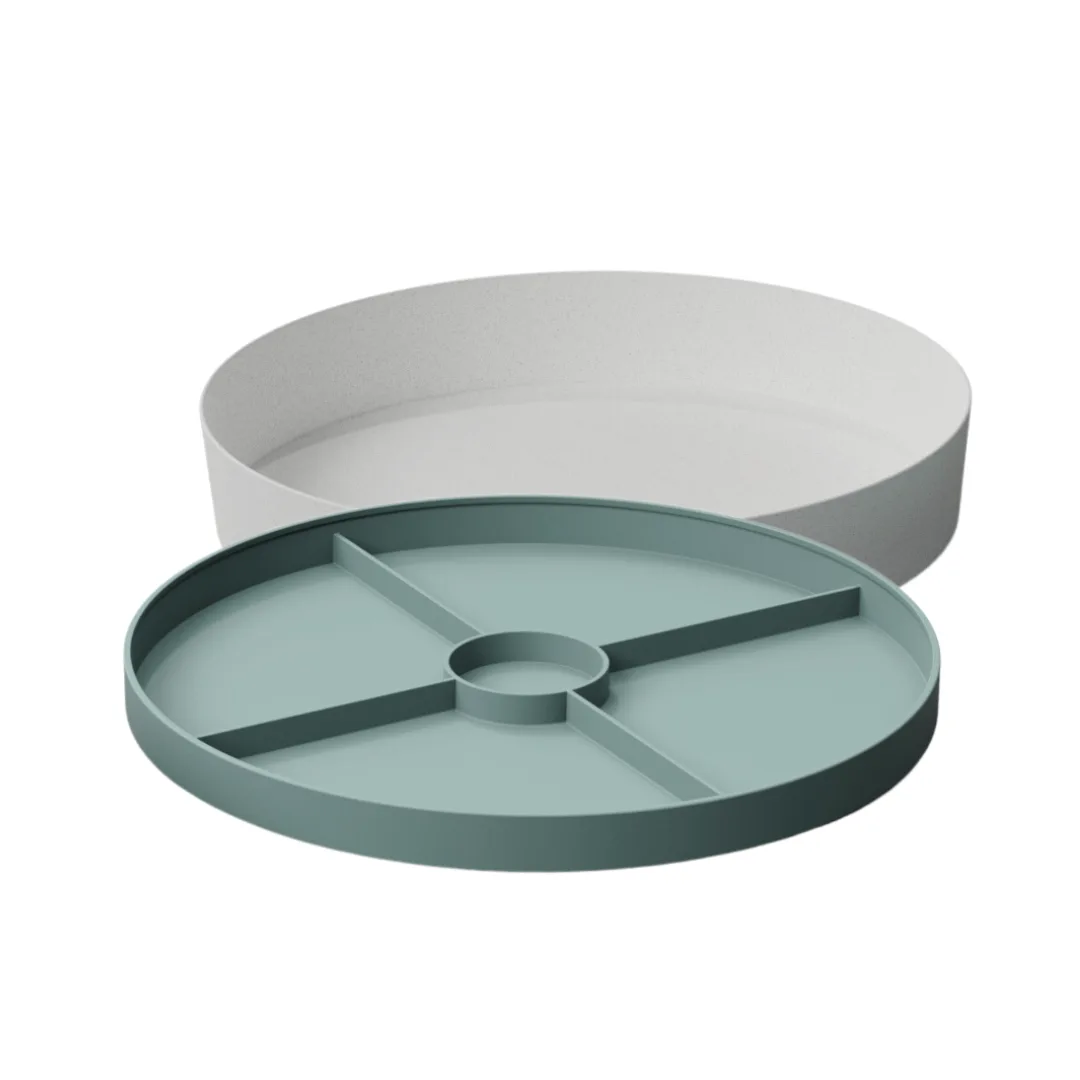
Some sensory toys combine hand and visual input. Tray Play is a 2-in-1 sensory tray with a bamboo fibre and melamine base and a silicone lid featuring textured illustrations of nature, space, and garden creatures. It is designed for messy play, creative play, and more, so it works as a tabletop fidget and exploration station rather than a pocket tool. That makes it better for planned sensory time than for on-the-go regulation.
- Fidget toys are easy to introduce quietly and can be swapped out as novelty fades.
- They support fine motor skills alongside regulation.
- A tray-style sensory toy works well for structured play but is not a discreet carry-along.
The Trade-Offs You Need to Weigh
Chew pendants are not a good fit for every child. Some kids reject anything around the neck, and others need a firmer or softer chew than a standard pendant offers. The chew pendant benefits are real, but they depend on your child accepting the tool and using it safely. A pendant also needs to be checked regularly for wear, since it goes in the mouth.
Fidget toys have their own limits. Small parts can be a choking risk for children who mouth objects, and a fidget that makes noise or lights up may not be welcome in a classroom. Fidget toy benefits are strongest when the tool is quiet and the child can use it without disrupting others. If your child mouths everything, a fidget alone will not meet the oral need.
- Match the tool to the behaviour you actually see, not the behaviour you expect.
- If your child both chews and fidgets, a chew necklace or fidget combination is reasonable, but introduce one at a time.
- Check age and safety guidance for every tool before handing it to a child who mouths objects.
Trade-Offs at a Glance
- Oral sensory input: Chew pendants like the Dino Pendant directly address chewing on clothing, nails, and pencils by giving a safe silicone outlet. Fidget toys do not meet oral needs at all. Choose a chew pendant if mouthing is the main behaviour.
- Discreetness and portability: A chew necklace stays on the body and looks like an accessory. A fidget toy is usually held in a pocket or hand and can be lost or forgotten. Choose a chew pendant when the tool needs to be available all day without extra management.
- Classroom and quiet settings: Fidget toys can be used silently during listening tasks. Chewing is more noticeable and may not be allowed in every classroom. Choose a quiet fidget for settings where chewing is not appropriate.
- Combined needs: Some children need both oral and tactile input. Using a chew pendant and a fidget together is reasonable, but introduce one tool at a time so you can see what actually helps. Start with the sense your child seeks most, then add the second tool only if needed.
Product Facts That Matter for This Choice
- Dino Pendant: Silicone chew pendant on a necklace, available in a range of favourite colours, recommended by Occupational Therapists as a tool a child can use independently to develop effective control of their nervous system. A wearable oral sensory tool is available immediately and supports independent regulation, which is exactly what a child who chews clothing needs.
- Princess & the Pea Necklace: Comprised of silicone beads of different colours, doubles as a mobile sensory tool, each bead made from food-grade silicone and safe for kids to chew on to redirect attention from chewing fingers, nails, hair, pencils, and more. The bead design gives varied oral input and looks like jewellery, so it works for kids who want a discreet tool that does not announce itself as therapy.
- Tray Play: A 2-in-1 sensory tray with a bamboo fibre and melamine base and a silicone lid featuring textured illustrations of nature, space, and garden creatures, designed for all forms of play including messy and creative play. This is a tabletop tactile and visual tool, better for planned sensory sessions than for pocket-sized fidgeting during class.
Which Tool Fits Your Child?
Best for
- Children who chew clothing, pencils, nails, or their fingers and need a safe oral outlet
- Kids who need a discreet, wearable tool they can use independently during big emotions
- Families who want a sensory tool that stays with the child and is hard to lose
Not for
- Children who refuse anything around the neck or who need a hand-based focus tool instead
- Kids who need a quiet classroom fidget rather than an oral tool
- Situations where chewing is not allowed or not appropriate, such as certain school settings
There is no single winner in the chew pendant vs fidget toy question. Match the tool to the sensory need you see: oral input for chewing, hand input for focus. If you are unsure, start with a chew pendant like the Dino Pendant or Princess & the Pea Necklace for oral seekers, and add a tactile option like Tray Play for structured sensory time. One tool at a time tells you what actually works.