Quick answer
Chia seeds and basil seeds look similar but serve different needs. Chia seeds offer more fiber and protein, while basil seeds are prized for their cooling effect and gel-like texture. Choose chia for sustained energy and baking, or basil seeds for refreshing drinks and digestive support.
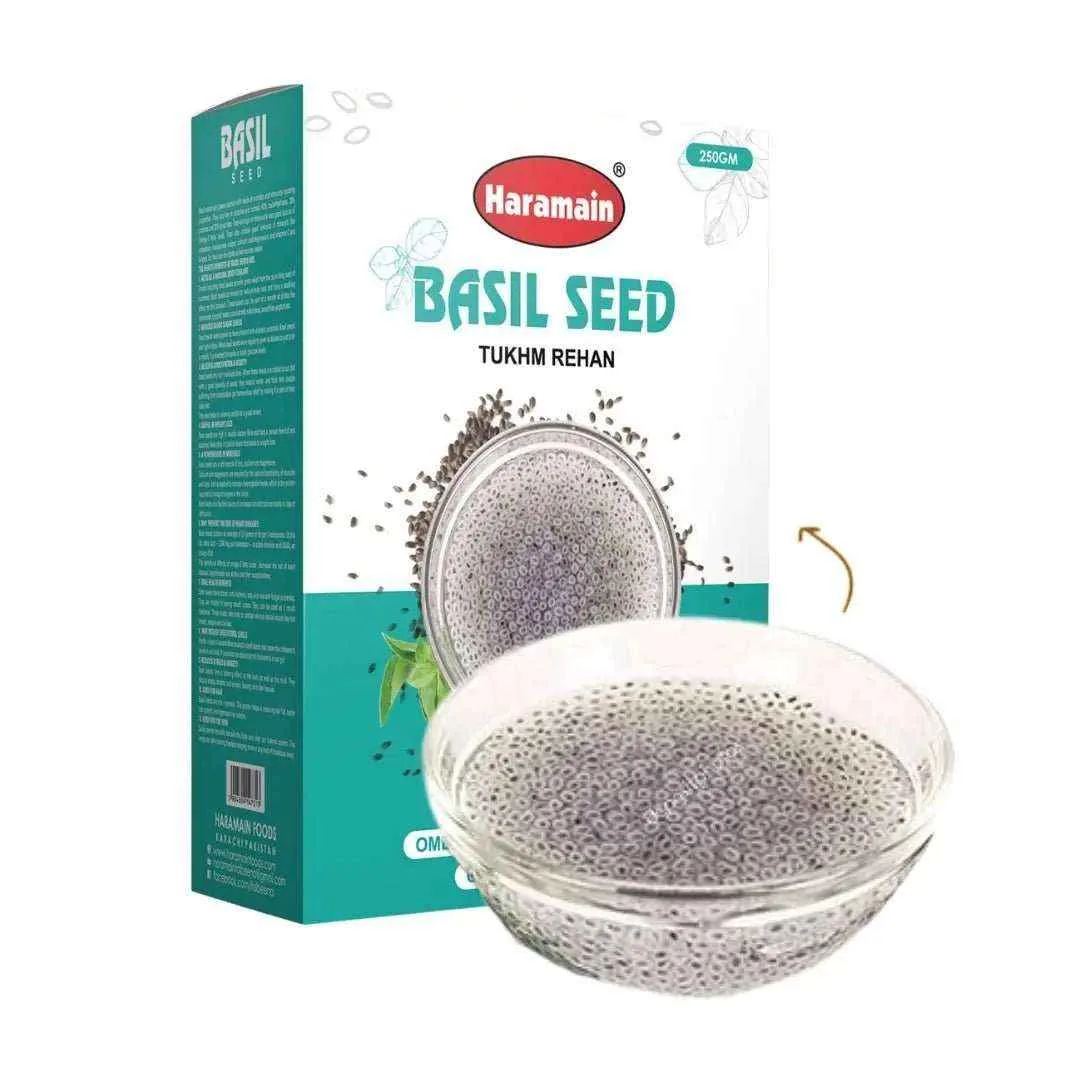
basil seeds
Nutritional profile at a glance
Chia seeds are a complete protein source, meaning they contain all nine essential amino acids. They are also rich in omega-3 fatty acids, calcium, and phosphorus. Basil seeds, on the other hand, are lower in protein but high in soluble fiber, which forms a thick gel when soaked. They also provide iron and magnesium, though their exact nutrient content can vary by source. Both seeds are low in calories and make excellent additions to a balanced diet.
Texture and culinary use
When soaked, chia seeds develop a soft, slightly crunchy gel that works well in puddings, smoothies, and baked goods. They can also be eaten dry as a topping. Basil seeds swell into a much thicker, jelly-like consistency, making them ideal for drinks like falooda, lemonade, or coconut water. Basil seeds are rarely eaten dry because they need hydration to become palatable. If you prefer a neutral taste that adapts to savory or sweet dishes, chia seeds are more versatile. For a refreshing, dessert-like texture, basil seeds shine.
Health benefits and practical tradeoffs
Chia seeds support heart health and bone density thanks to their omega-3s and calcium. They also help stabilize blood sugar due to their fiber content. Basil seeds are traditionally used in Ayurveda to cool the body and aid digestion. Their high soluble fiber can promote satiety and regularity, but they absorb more liquid, so you need to drink plenty of water when consuming them. Neither seed is a magic bullet; both work best as part of a varied diet. If you need a protein boost, choose chia. If you want a digestive aid or a cooling summer treat, basil seeds are the better pick.
Chia vs Basil: Tradeoffs to consider
- Protein content: Chia seeds are a complete protein; basil seeds are not. If you rely on plant protein, chia is the stronger choice. Chia wins for protein seekers.
- Texture preference: Chia seeds form a soft gel; basil seeds create a thick, jelly-like gel. Basil seeds work best in drinks, while chia fits both wet and dry dishes. Choose based on your recipe.
- Hydration need: Basil seeds absorb more water than chia seeds. If you forget to drink enough fluids, basil seeds may cause discomfort. Chia seeds are more forgiving. Chia is safer for low-hydration habits.
Product facts
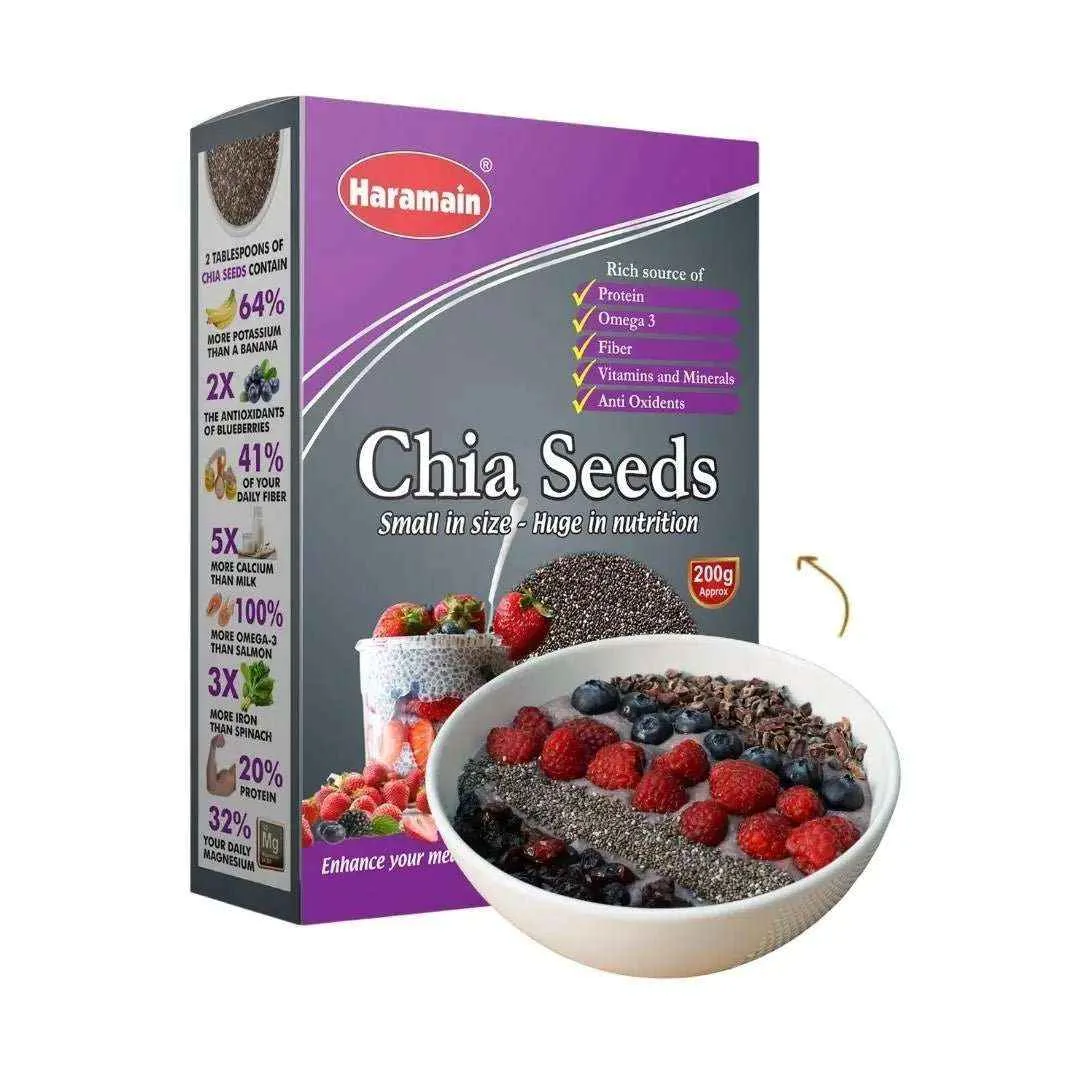
- Chia Seeds: Haramain Chia Seeds are described as 'Nature's Tiny Powerhouses for Wellness' and deliver a burst of nutrition in every tiny seed. This means you get a concentrated source of omega-3s, fiber, and protein in a small serving, ideal for adding to oatmeal, yogurt, or smoothies without altering flavor.
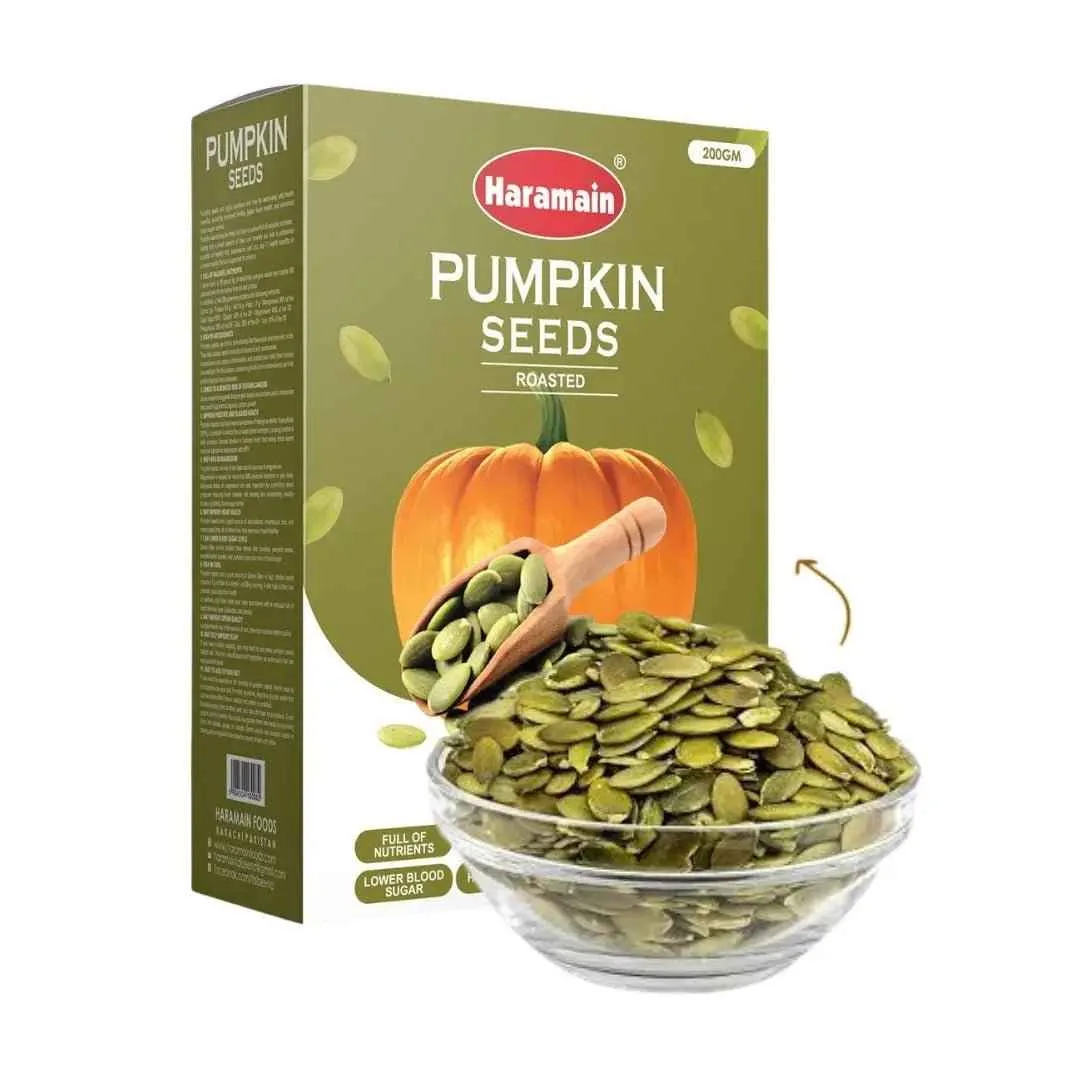
- Pumpkin Seeds: HARAMAIN Pumpkin Seeds are a natural treasure packed with essential nutrients and a delightful crunch, making them a convenient and nutritious snack on the go. Pumpkin seeds offer a different nutrient profile—rich in zinc and magnesium—and provide a crunchy alternative to gel-like seeds. They are great for snacking or topping salads.
Which seed fits you?
Best for
- People who want a complete plant protein source for baking, smoothies, or breakfast bowls
- Anyone looking to boost omega-3 intake and support bone health
Not for
- Those who prefer a crunchy, dry topping over a gel-like texture
- People who dislike the slight nutty flavor of chia seeds in sweet dishes