Start with what the chickweed record actually confirms
Dried chickweed is a simple herb with three honest uses in the Tha Alkaline Hour listing: teas, salves, and salads. That is the whole scope of what the product record supports, and it is a useful place to begin because it keeps expectations grounded.
The listing describes chickweed as a common temperate-region herb valued in traditional practice for its soothing properties. It does not supply brewing times, salve ratios, serving sizes, or safety instructions. Those gaps are not a flaw in the herb; they simply mean you should treat your first batch as a personal trial rather than a recipe handed down by the manufacturer.
What the Chickweed listing tells you before you open the bag
-
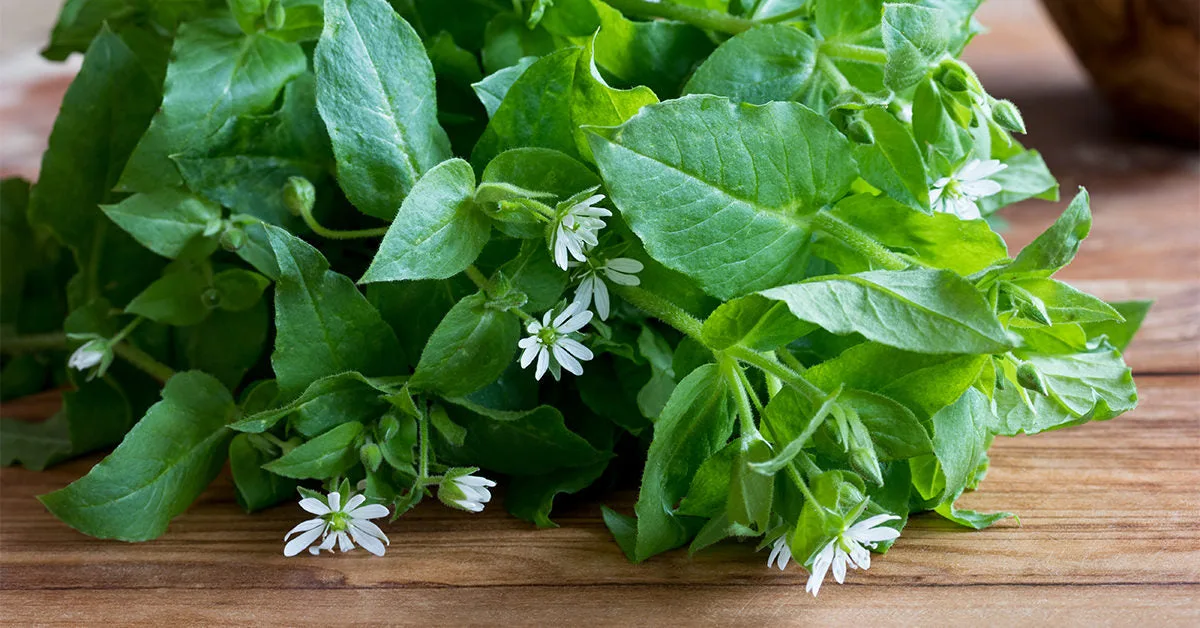
Chickweed: Sold as dried Chickweed in 1 oz, 2 oz, and 4 oz sizes. Size choice matters more than price per ounce here: a 1 oz bag lets you test tea and salad use before committing to a larger amount for salve-making.
Chickweed
-
Chickweed: The listing names teas, salves, and salads as intended uses. These are the three directions the supplier supports, so they are the safest framework for planning your first week with the herb.
-
Chickweed: The herb is described as valued in traditional practice for soothing properties. This is context, not a medical claim. It explains why people reach for chickweed, but it does not tell you what the herb will do for you.
A careful first pass: tea, then salad, then salve
Because the record gives no preparation instructions, the sensible order is from simplest to most involved. Each step lets you learn how the dried herb behaves before you invest more of the bag.
- 1. Brew a small cup of chickweed tea: Use a modest pinch of the dried herb in hot water, taste it, and note the flavor. The listing supports tea as a use but does not specify a steep time or quantity, so adjust to your own taste rather than following a number from this article.
- 2. Try chickweed as a salad green: The listing calls it a nutritious addition to salads. Start with a small amount mixed into greens you already like, so you can judge the texture and flavor without committing a whole bowl.
- 3. Move to a salve only after you know the herb: Salve-making is the most involved of the three uses. The record confirms salves as an intended use but supplies no ratio, carrier oil, or heating method, so follow a salve recipe you trust rather than improvising proportions.
Chickweed tea: keep it simple and taste as you go
Chickweed tea is the lowest-effort way to get to know the dried herb. A tea infuser or a simple strainer is enough; you do not need special equipment. Because the listing does not give a steep time, treat your first cup as a taste test: start light, then adjust the amount of herb or the steeping time on the next cup until the flavor suits you.
If you already brew loose-leaf herbs, chickweed fits the same routine. If you are new to it, the recent guide on using a tea pot infuser for loose-leaf herbs covers the mechanics without repeating them here.
Chickweed salve: what the record supports and what it leaves to you
The listing confirms salves as an intended use, and chickweed's traditional reputation for soothing properties is the reason many people seek it out for skin preparations. What the record does not provide is a salve recipe: no carrier oil, no herb-to-oil ratio, no heating or straining instructions.
That means the salve itself is your project. Choose a basic salve method you trust, infuse or blend the dried chickweed according to that method, and label your jar with the date. If you are making a salve for a specific skin concern, the honest position is that the supplied information does not confirm any outcome; patch-test a small area first and stop if your skin reacts.
Chickweed edible uses beyond the salad bowl
The listing specifically names salads, so that is the edible use with the clearest support. If you want to go further, keep the herb in a supporting role rather than making it the main ingredient.
- Mixed into a green salad: The most direct use named in the record. Start with a small handful alongside familiar greens.
- Folded into a sandwich filling: A practical way to use a small amount if you find the flavor mild but the texture unfamiliar on its own.
- Blended into a dressing or dip: Chopping the dried herb finely lets it distribute evenly, which suits anyone who does not enjoy leafy texture.
Choosing between 1 oz, 2 oz, and 4 oz
The size decision follows directly from how many of the three uses you plan to try. A 1 oz bag is enough to brew several cups and test a salad addition, which is the right scope for a first purchase. The 2 oz size suits someone who already knows they like chickweed tea and wants a steady supply. The 4 oz bag makes sense if you intend to make salves, since salve projects typically use more herb at once than a single cup of tea.
There is no stated shelf life or storage instruction in the record, so buy the size you will realistically use rather than the best value per ounce.
What to confirm before you buy
The listing is clear about intended uses and sizes but silent on preparation details, safety guidance, and sourcing specifics. Before you order, decide which use you are buying for, check whether the 1 oz size matches that plan, and plan to patch-test any salve. If you take medication, are pregnant or nursing, or are buying for a child, the supplied information does not address those situations; ask a qualified professional rather than relying on the product page.
Used within those limits, chickweed is an easy herb to explore: a cup of tea, a handful of salad, and a small salve batch are enough to tell you whether it earns a permanent place in your cupboard.