The short answer: pick the flavor you'll actually finish
Chocolate and Peanut Butter Plant-Based Protein share the same core formula: 20g of complete protein, a smoother texture, and added superfoods including prebiotics, probiotics, greens, fruit, and mushrooms. Neither contains refined sugar or artificial sweeteners. The real decision comes down to how you plan to use the powder and which flavor you'll reach for day after day.
If you mostly blend protein into smoothies or coffee, chocolate is the more versatile default. If you want a flavor that stands up on its own with water or in a simple shake, peanut butter brings a richer, more savory profile. Below, we break down the trade-offs so you can buy with confidence.
What both flavors deliver
-
Plant-Based Protein – Peanut Butter: 20g of complete protein per serving, with a smoother texture and added superfoods (prebiotics, probiotics, greens, fruit, and mushrooms). This is the baseline nutrition you get regardless of flavor, so you can focus on taste and use case.
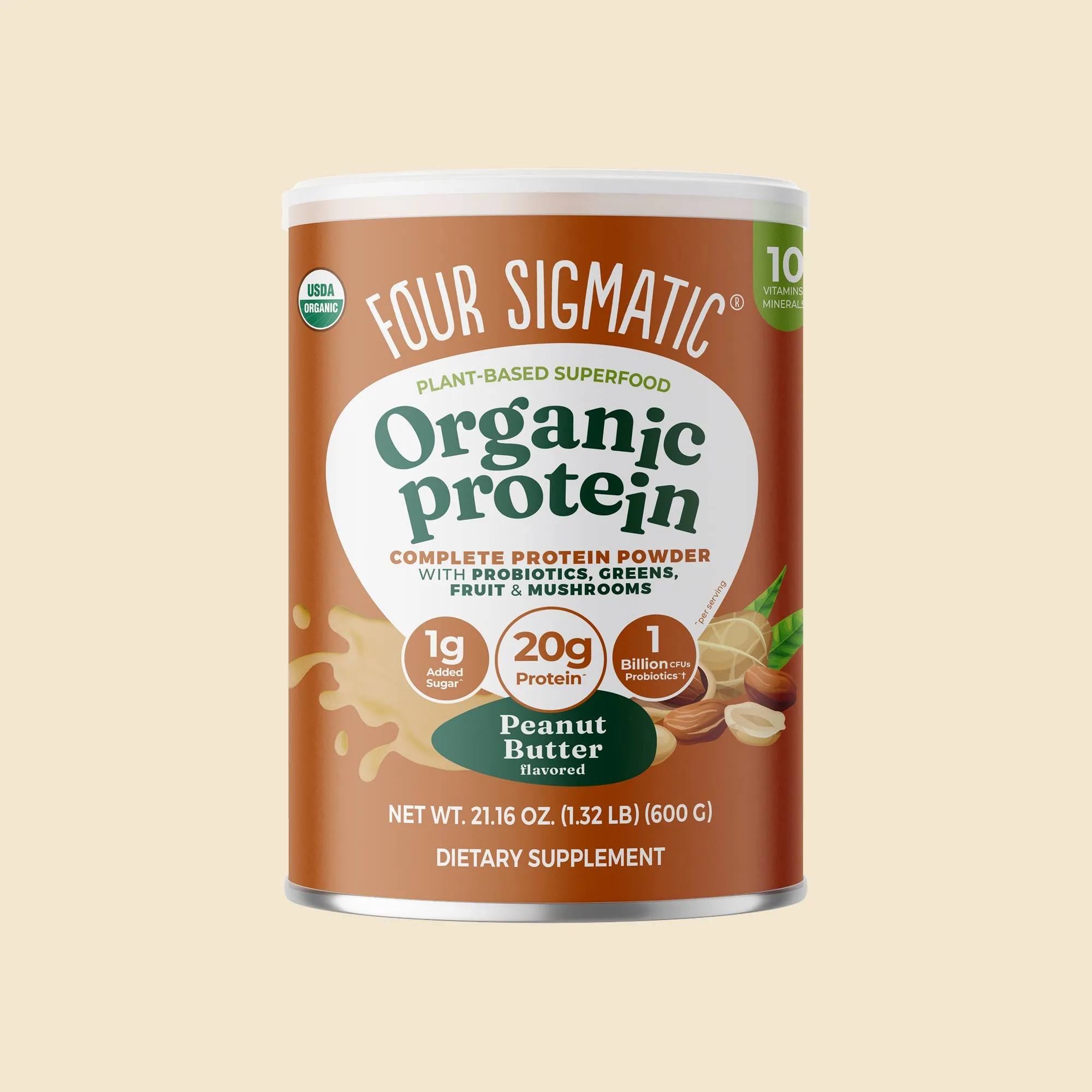
Plant-Based Protein – Peanut Butter
-
Plant-Based Protein – Chocolate: 20g of complete protein per serving, with a smoother texture and added superfoods (prebiotics, probiotics, greens, fruit, and mushrooms). Chocolate matches Peanut Butter on protein and superfoods, so the choice is about flavor preference and routine.
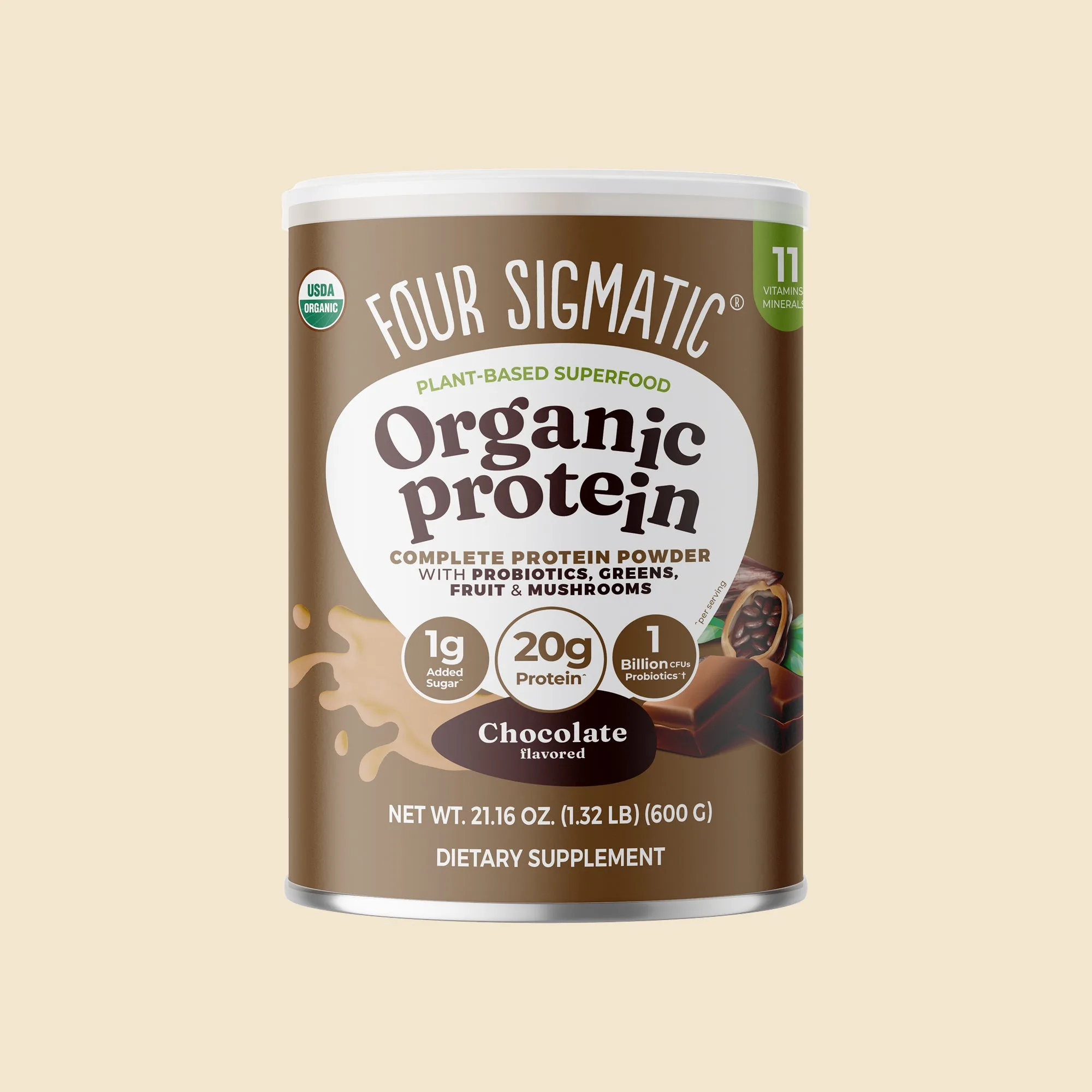
Plant-Based Protein – Chocolate
-
Plant-Based Protein – Peanut Butter: No refined sugar or artificial sweeteners. If you're avoiding added sugars, both flavors fit that goal without compromise.
-
Plant-Based Protein – Chocolate: No refined sugar or artificial sweeteners. Chocolate is not a sugary treat—it's formulated without refined sugar, so it can fit a mindful eating plan.
Chocolate vs Peanut Butter at a glance
Use this side-by-side to match each flavor to your typical preparation method and taste preferences.
- Chocolate Plant-Based Protein: Best for smoothies, coffee, and recipes where a cocoa note complements other ingredients. Pairs well with banana, berries, and nut butters.
- Peanut Butter Plant-Based Protein: Best for standalone shakes, oatmeal, and savory-sweet applications. The roasted peanut flavor holds up with just water or milk.
- Shared formula: Both offer 20g complete protein, added superfoods, no refined sugar or artificial sweeteners, and a smoother texture.
When chocolate is the better fit
Chocolate plant protein shines in blended drinks. Its flavor melds into smoothies with frozen fruit, leafy greens, and yogurt without dominating. It also works well stirred into cold brew or mushroom coffee for a mocha-style drink. If you like variety, chocolate is the more neutral base for experimenting with add-ins like cinnamon, vanilla, or espresso powder.
One caveat: chocolate flavor can clash with very acidic or citrus-forward blends. If you often make fruit-only smoothies with pineapple or orange, peanut butter may be a safer bet.
When peanut butter is the better fit
Peanut butter protein powder is ideal if you prefer a flavor that tastes complete on its own. Shaken with water or milk, it delivers a creamy, nutty profile that doesn't need extra sweeteners or fruit. It also works well in oatmeal, energy bites, and pancake batter where you want a savory-sweet boost.
Keep in mind that peanut butter flavor is distinctive. If you plan to mix protein into light, delicate beverages like green tea or floral cold brew, chocolate may be less obtrusive.
Pack sizes: match your routine
Both flavors come in 1-pack, 2-pack, 3-pack, 4-pack, and 6-pack options. Choose based on how often you'll use the powder and whether you want to try both flavors.
- 1-pack: Try a flavor without commitment. Good if you're unsure which you'll prefer.
- 2-pack or 3-pack: A reasonable middle ground for regular use—enough to establish a habit without overstocking.
- 4-pack or 6-pack: Best for daily users or households where multiple people share the powder. Also useful if you want to keep one flavor at home and one at the office.
What the catalog doesn't tell you
The supplied product information does not include preparation instructions, storage guidance, allergen statements, or a full ingredient list beyond the highlights above. If you have specific dietary concerns or allergies, check the packaging or contact the manufacturer before purchasing. Neither flavor is confirmed as allergen-free in the available information.
Taste is personal, and the catalog can't tell you which flavor you'll prefer. If you're torn, start with a 1-pack of each or a 2-pack of one flavor and see how you use it.