When it comes to stocking your kitchen with a single flavor protein powder, the classic debate often boils down to chocolate versus vanilla. Both are beloved staples, but which one truly offers more versatility for the countless recipes you want to try—from protein pancakes and smoothies to baked goods and hot drinks? If you’ve ever wondered whether you should reach for a rich cocoa blend or a creamy vanilla base, you’re not alone. In this article, we’ll compare these two powerhouse flavors head-to-head, looking at their taste profiles, how they perform in different cooking and baking scenarios, and which one gives you the most bang for your recipe buck.
Whether you’re a meal-prep pro or just starting to experiment with high-protein cooking, understanding the strengths of each flavor can save you from kitchen mishaps and bland results. We’ll also highlight some of the best single flavor protein powders on the market—like Chocolate Peanut Butter and French Vanilla—to help you make an informed decision. Let’s dive into the ultimate chocolate vs vanilla protein powder showdown.
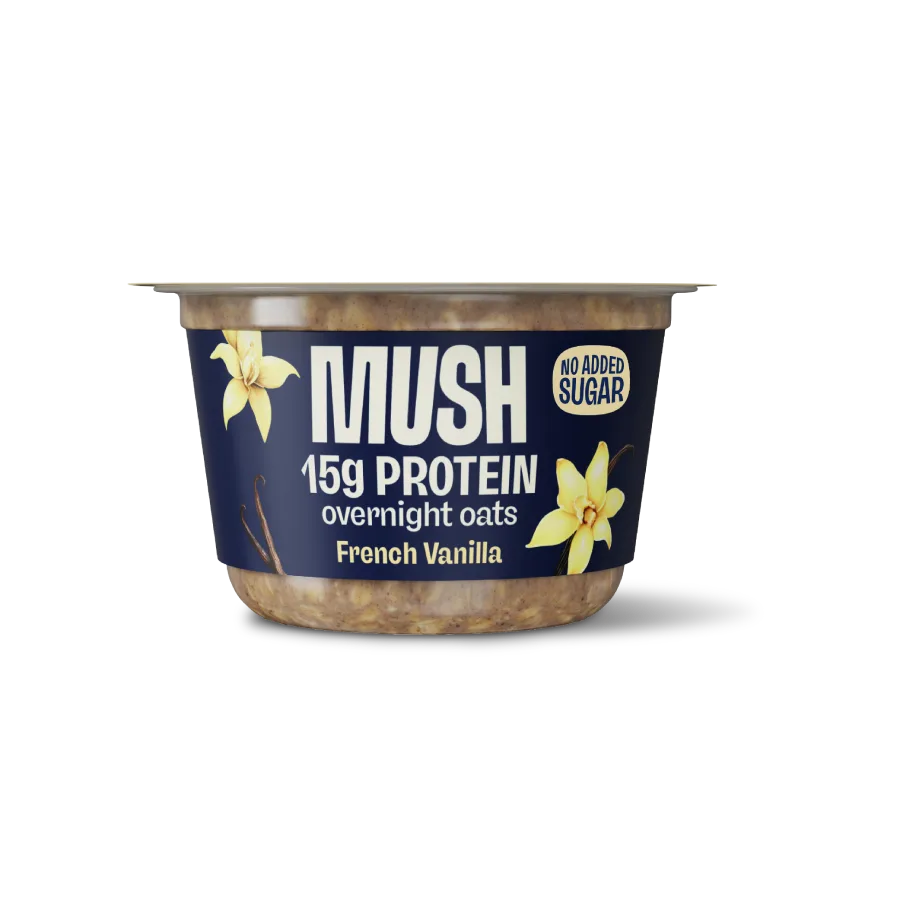
French Vanilla
Flavor Profile and Neutrality: The Foundation of Versatility
Vanilla single flavor protein powder is often considered the most neutral option. Its light, sweet, and creamy taste can blend seamlessly into almost any recipe without overpowering other ingredients. This makes it an excellent choice for smoothie bowls where you want the fruit to shine, or for oatmeal where you might add cinnamon and nuts. On the other hand, chocolate protein powder brings a bold, rich cocoa flavor that can enhance desserts and coffee-based drinks. However, its strong taste can sometimes clash with delicate flavors like berry or citrus, limiting its range.
For bakers, vanilla is typically the safer bet because it acts as a flavor enhancer rather than a dominant note. If you’re making protein muffins, pancakes, or energy balls, a scoop of French Vanilla protein powder can elevate the recipe without demanding center stage. Chocolate, meanwhile, is perfect for recipes where you want a deep, indulgent flavor—like chocolate brownies or mocha shakes. But if you’re looking for the most versatile protein powder for recipes that span sweet and savory, vanilla usually edges ahead.
- Vanilla pairs well with fruits, spices, nuts, and even some vegetables (like pumpkin or sweet potato).
- Chocolate is ideal for coffee, peanut butter, mint, and caramel combinations.
Baking Performance: Which One Holds Up Better?
Baking with protein powder can be tricky because different flavors can affect the chemistry of your batter. Vanilla protein powders often have a lighter, more neutral base that doesn’t interfere with leavening agents like baking powder or baking soda. This means your cakes, muffins, and cookies are more likely to rise properly and maintain a tender crumb. Many home bakers find that a quality vanilla single flavor protein powder, such as French Vanilla, provides consistent results in everything from protein waffles to banana bread.
Chocolate protein powder, while delicious, is denser and can sometimes make baked goods heavy or dry if not balanced with extra moisture. That said, it excels in recipes where you want a fudgy texture—like brownies or chocolate chip cookies. If you’re planning to bake regularly, having both flavors on hand is ideal, but if you can only choose one, vanilla offers more flexibility. For a chocolate fix, you can always add cocoa powder to a vanilla base, but you can’t easily remove chocolate flavor from a chocolate powder.
- Tip: When baking with chocolate protein powder, add an extra tablespoon of liquid (milk or oil) to prevent dryness.
Smoothies, Shakes, and Cold Beverages: A Taste Test
In the world of smoothies and shakes, both flavors have their loyal fans. A chocolate protein powder shake is a classic post-workout treat, especially when blended with banana and peanut butter. The rich taste can mask the flavor of greens like spinach, making it a favorite for green smoothie lovers. However, if you enjoy fruit-forward smoothies with berries, mango, or pineapple, vanilla is the clear winner because it complements rather than competes with the fruit’s natural sweetness.
For those who like to experiment with layered drinks or protein coffee, vanilla again shows its versatility. A scoop of French Vanilla protein powder stirred into cold brew creates a creamy, café-style drink without clashing. Chocolate works wonderfully in a mocha latte but can be too strong for a simple iced coffee. If you’re someone who rotates between different smoothie recipes, a vanilla base gives you the freedom to switch up flavors daily. On the other hand, if you’re a dedicated chocolate lover, you might prefer a chocolate option like Chocolate Peanut Butter for its indulgent taste.
- Vanilla smoothie base: banana, spinach, almond milk, vanilla powder, and frozen berries.
- Chocolate smoothie base: banana, peanut butter, almond milk, chocolate powder, and a dash of cinnamon.
Hot Beverages and Oatmeal: Which Flavor Warms You Up?
Adding protein powder to hot drinks and oatmeal can be tricky because heat can alter the taste and texture. Vanilla protein powder tends to dissolve more easily in hot liquids like coffee, tea, or hot chocolate, and its flavor remains pleasant without turning bitter. A warm bowl of oatmeal with a scoop of vanilla protein powder, a swirl of peanut butter, and some sliced banana is a comforting, high-protein breakfast that feels indulgent but is actually healthy.
Chocolate protein powder also works well in hot beverages, particularly in hot chocolate or a chocolate-flavored oatmeal. However, it can sometimes develop a slightly chalky taste if not mixed thoroughly. For oatmeal, chocolate pairs beautifully with toppings like coconut flakes, almonds, or a drizzle of honey. Still, vanilla’s ability to blend with a wider range of spices (cinnamon, nutmeg, cardamom) and mix-ins (dried fruit, nuts, seeds) makes it the more versatile choice for warm breakfasts.
- Pro tip: Always mix protein powder with a small amount of cold liquid first to create a slurry before adding hot liquid to avoid clumps.
Creative Recipes: Pushing the Boundaries of Each Flavor
If you love getting creative in the kitchen, both flavors have unique strengths. With vanilla protein powder, you can make protein frosting for cakes, vanilla bean protein ice cream, or even savory protein pancakes (think herb and cheese pancakes). The neutral flavor allows you to experiment with savory applications, like adding it to soups or sauces for a protein boost without altering the taste. On the sweet side, vanilla is the star in recipes like vanilla almond protein bites or strawberry vanilla overnight oats.
Chocolate protein powder shines in recipes like chocolate avocado pudding, chocolate protein bark, or chocolate peanut butter cups. It’s also a fantastic addition to homemade protein granola or no-bake energy bars. For a truly decadent treat, try baking chocolate protein brownies with a swirl of peanut butter. While chocolate may not be as versatile across all recipe categories, it is unbeatable for satisfying a sweet tooth. Ultimately, if you plan to make a wide variety of dishes—from breakfast to dessert—vanilla gives you more room to play.
- Vanilla recipe idea: Vanilla protein pancakes topped with fresh berries and Greek yogurt.
- Chocolate recipe idea: Chocolate protein mug cake with a dollop of whipped cream.
So, which single flavor protein powder wins the versatility crown? For most home cooks and bakers, vanilla is the more flexible choice, seamlessly fitting into sweet and savory recipes alike. However, if your heart belongs to chocolate and you primarily make indulgent treats, a high-quality chocolate powder like Chocolate Peanut Butter will serve you well. The best approach? Keep both on hand, but if you’re starting with just one, let vanilla be your kitchen MVP. Explore our selection of single flavor protein powders to find your perfect match and start creating delicious, protein-packed meals today.