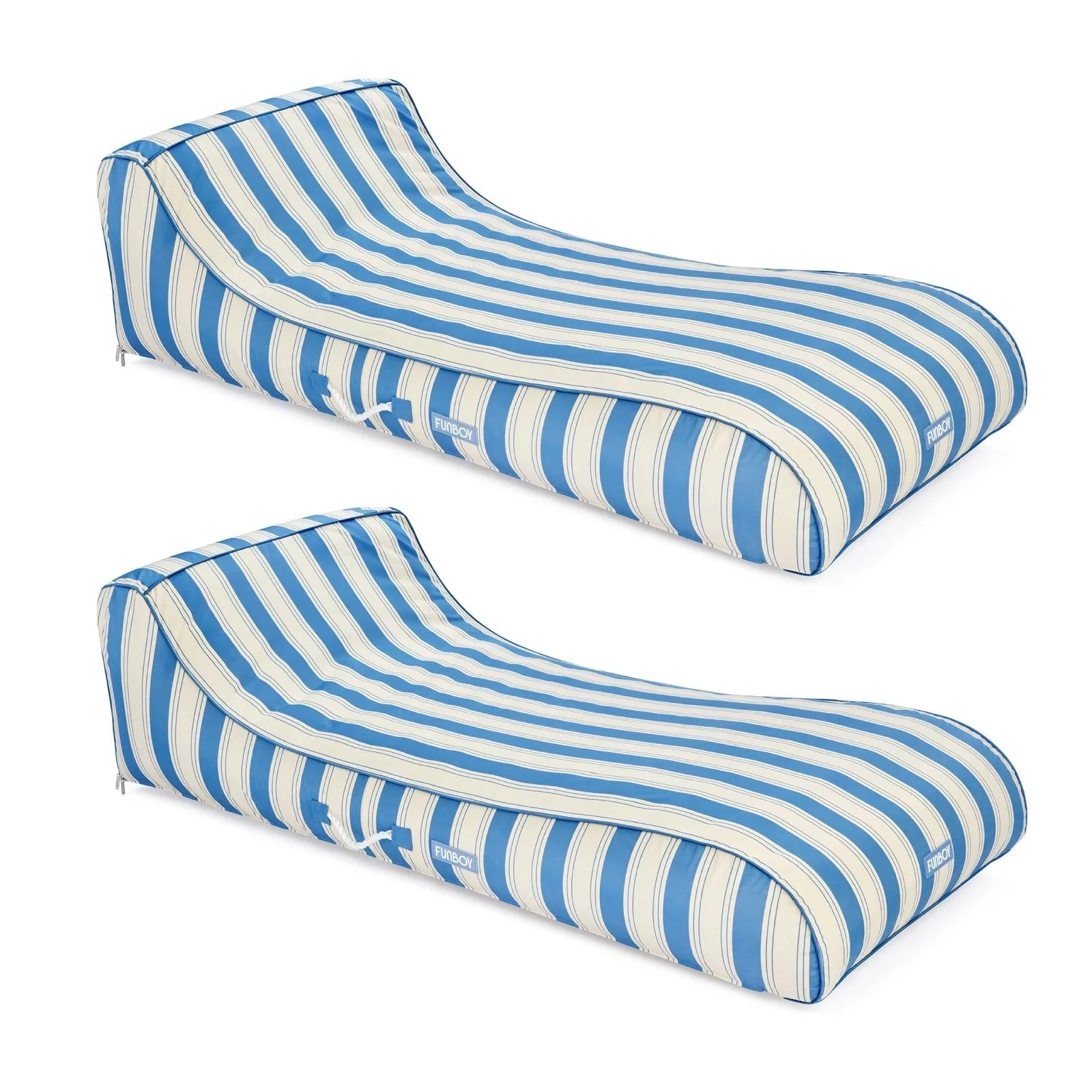
Inflating a pool float should be quick and effortless, but the wrong pump can turn a fun day into a frustrating workout. Whether you’re blowing up a https://pickkind.shop/products/chaise-lounger-float-113352https://pickkind.shop/products/chaise-lounger-float-113353https://pickkind.shop/products/chaise-lounger-float-113354https://pickkind.shop/products/chaise-lounger-float-113362Chaise Lounger Float or a Fabric Tube Float, the right air pump makes all the difference. This guide breaks down the key factors—speed, pressure, and portability—so you can choose the best inflatable air pump for pool floats.
We’ll cover electric vs manual pumps, what pressure you need for different float types, and how to balance power with portability. By the end, you’ll know exactly what to look for when shopping for a portable pool float pump.
Electric vs Manual Pumps: Which One Is Right for You?
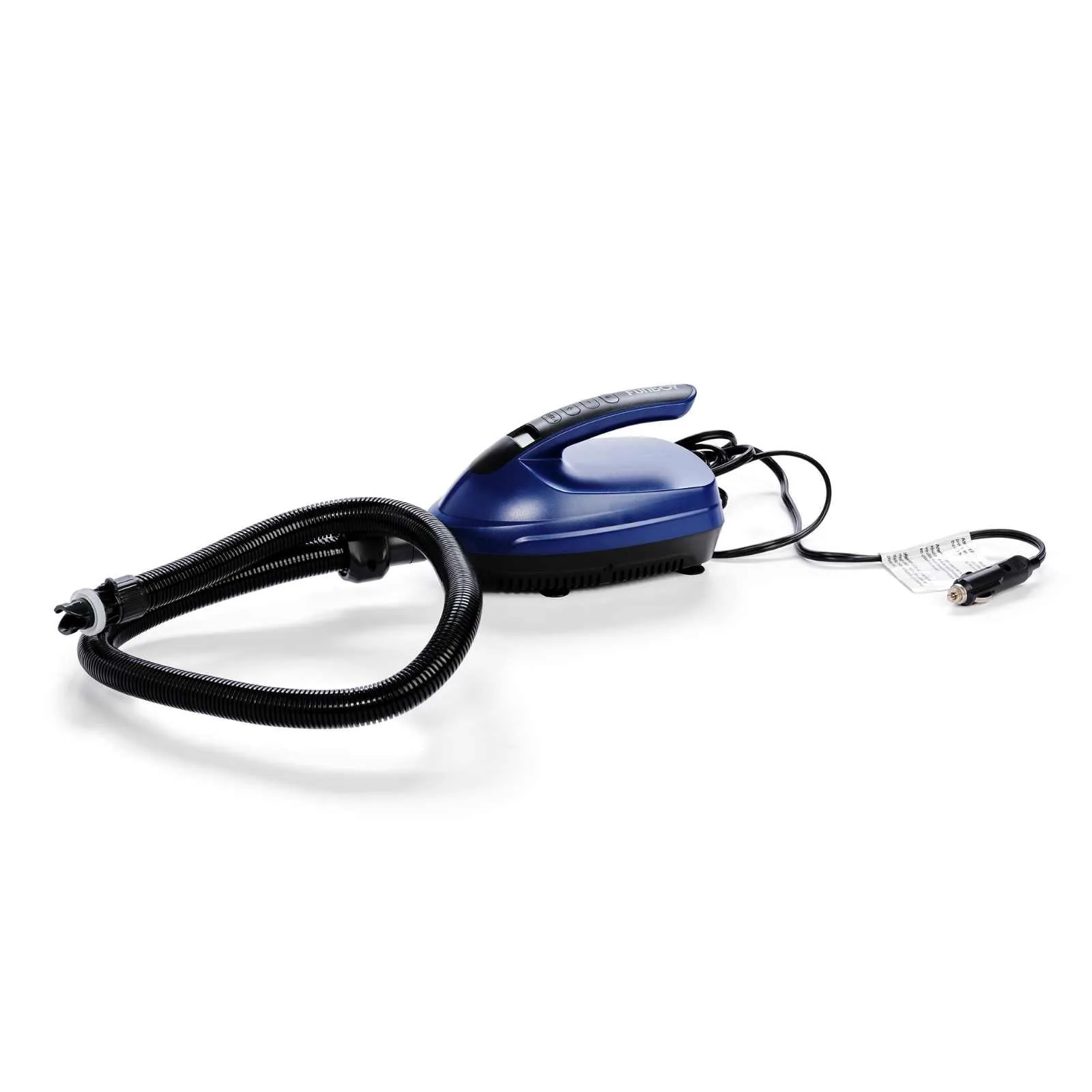
Electric pumps are the go-to for speed and convenience. Most high speed air pumps can inflate a large float like a Chaise Lounger Float in under two minutes. They’re ideal if you have multiple floats to inflate or if you want to avoid manual effort. However, they require a power source—either a wall outlet or a car adapter—which limits where you can use them.
Manual pumps, such as hand or foot pumps, are lightweight and don’t need electricity. They’re perfect for beach trips or camping where outlets aren’t available. The trade-off is time and effort: a large float might take 5–10 minutes of steady pumping. If you’re inflating a small item like a Kids Snow Sled 2-Pack, a manual pump can be sufficient and more portable.
- For home pool use, an electric pump saves time. For travel, a compact manual pump is easier to pack.
Understanding Pump Pressure: Why It Matters for Your Floats
Pump pressure, measured in PSI (pounds per square inch), determines how firm your float gets. Most pool floats require low pressure—around 0.5 to 1 PSI—to avoid overinflation and damage. A pump with too high pressure can burst seams or stretch the vinyl. Look for pumps with a pressure gauge or those designed specifically for inflatables.
Some pumps offer adjustable pressure or come with multiple nozzles. For example, a high speed air pump with a low-pressure setting is ideal for large loungers, while a manual pump gives you more control. If you’re using a Fabric Tube Float, moderate pressure is best to maintain comfort without stressing the material.
- Avoid using high-pressure air compressors meant for tires—they can ruin your float.
Portability: Finding a Pump That Travels Well
Portability is key if you take your floats to the beach, lake, or a friend’s pool. A portable pool float pump should be lightweight, compact, and easy to carry. Many electric pumps are still reasonably small—about the size of a water bottle—but require a power cord. Battery-operated or rechargeable pumps offer cordless convenience but may have lower power.
Manual pumps are the most portable: they weigh under a pound and fit in a beach bag. However, they lack speed. For a balance, consider a rechargeable electric pump that can inflate a Surfboard Float on the go. Always check the nozzle compatibility with your float’s valve—most pumps include universal adapters.
- If you travel often, a dual-action hand pump (inflates on both push and pull) is efficient and compact.
Top Features to Look for in a Pool Float Pump
When shopping for the best inflatable air pump for pool floats, prioritize these features: multiple nozzle sizes, a pressure gauge, auto-shutoff to prevent overinflation, and a cooling system for continuous use. Some pumps also have a deflate function, which speeds up packing up your gear at the end of the day.
Noise level is another consideration—some electric pumps are surprisingly loud. If you’re inflating near napping kids or at a quiet campsite, a quieter model or a manual pump might be better. Finally, check the pump’s airflow rating (CFM). Higher CFM means faster inflation, but it may come with more weight and noise.
- A pump with both inflate and deflate modes saves time when packing up your float.
Choosing the right air pump comes down to your priorities: speed, control, or portability. Electric pumps are best for quick, effortless inflation at home, while manual pumps shine when you’re on the move. Consider the pressure needs of your floats—like a Chaise Lounger Float or Fabric Tube Float—and pick a pump that matches your lifestyle. With the right tool, you’ll spend less time pumping and more time floating.