Quick Recommendation
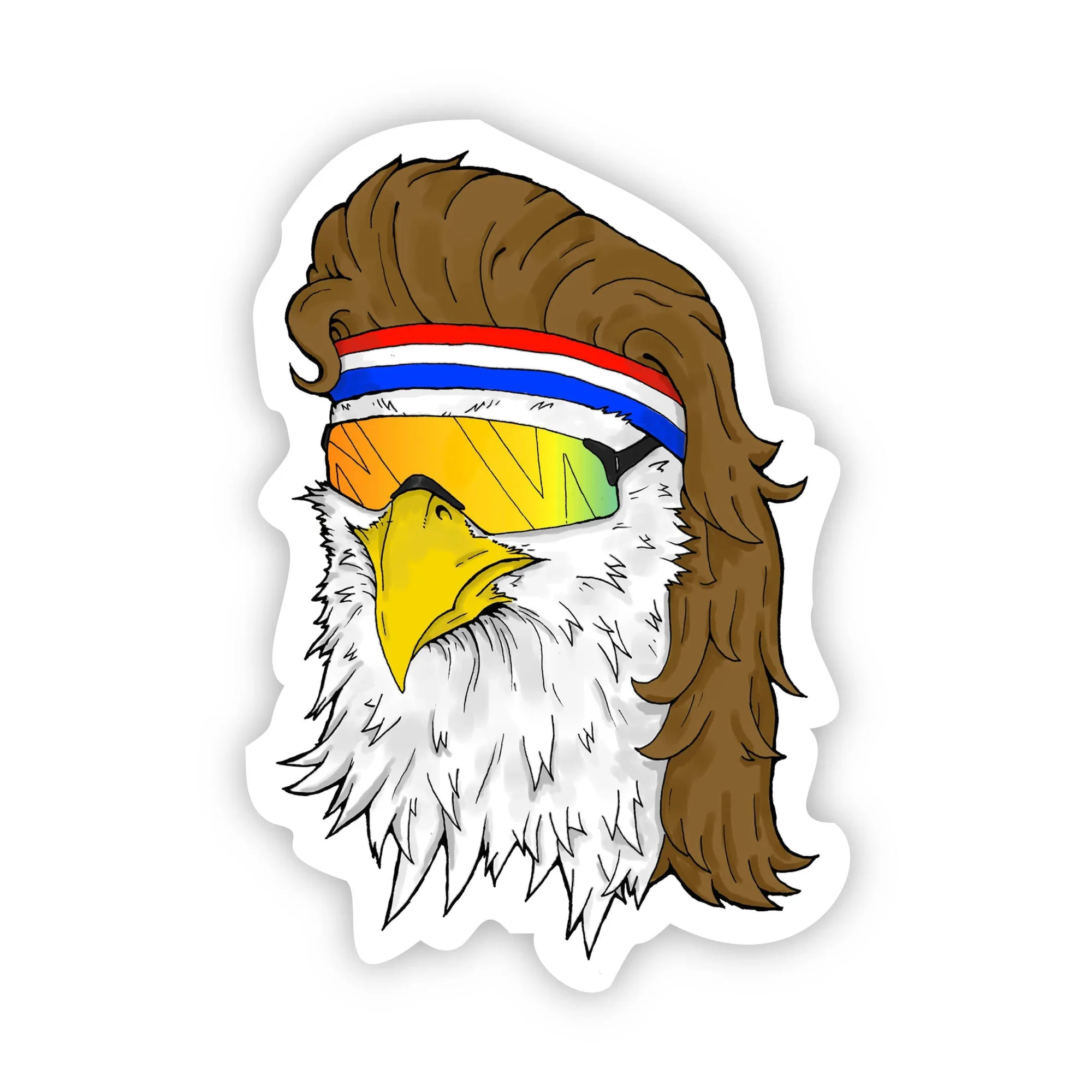
Start by measuring the surface you want to decorate, then select a sticker made for that material—paper for notebooks, vinyl for bottles, and matte for laptops. Test a corner for adhesion, and choose a design you’ll love long‑term.
Stickers add personality to everyday items, but the wrong choice can peel, fade, or look out of scale. This guide walks you through a practical process so you can choose the perfect sticker for any surface.
Whether you’re customizing a laptop, a reusable water bottle, or a daily planner, the same principles apply: consider material compatibility, size, and durability before you buy.
Assess Surface Type and Size
Identify what your item is made of—plastic, metal, paper, or fabric. Vinyl stickers cling best to smooth, non‑porous surfaces like water bottles and laptop shells, while paper stickers work well on planners and notebooks. Measure the available space, leaving a small margin to avoid crowding the design.
A common mistake is buying a sticker that’s too large, which can cause bubbling or make the item look cluttered. Use a ruler or a piece of masking tape to outline the ideal dimensions before committing.
- Tip: Keep the sticker size under 4 inches for planners to preserve writing space.
Check Adhesive Quality and Longevity
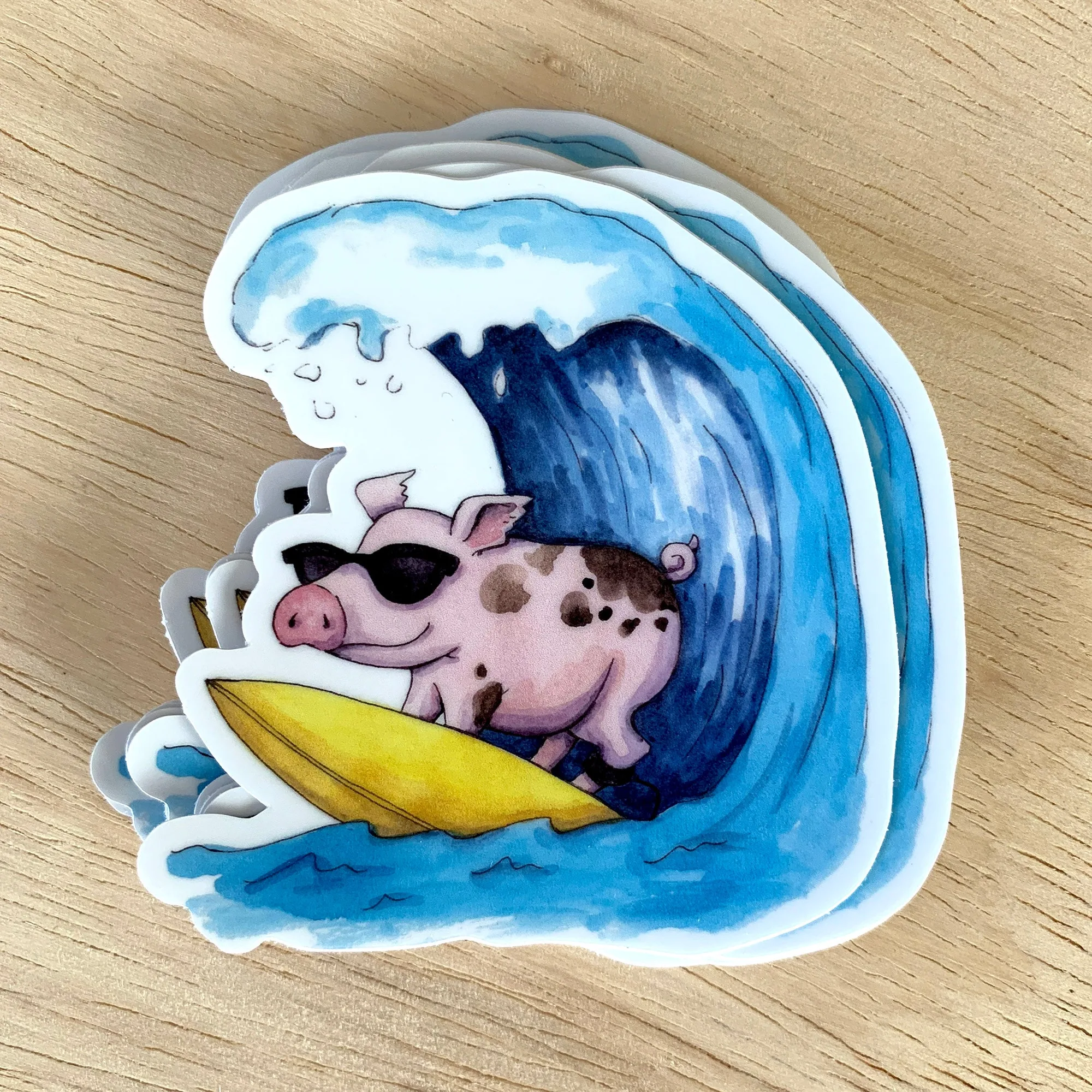
Look for stickers that specify UV‑resistance or waterproof features if the item will see daily wear or exposure to water. Vinyl stickers with a matte finish tend to resist glare on laptops, while glossy finishes can highlight colors on bottles.
Mistake to avoid: Assuming all stickers are equally durable. Test a small corner on the surface; if it lifts after a few minutes, the adhesive isn’t strong enough for long‑term use.
- Practical tip: Choose stickers labeled ‘removable’ only for temporary projects.
Consider Eco‑Friendly Options
Sustainable stickers are printed on recycled paper or use water‑based inks. These choices reduce environmental impact and often feel sturdier. For reusable items like water bottles, a vinyl sticker with a recyclable backing is a good balance of durability and responsibility.
A frequent oversight is ignoring the packaging. Stickers that arrive in sealed plastic sleeves may add unnecessary waste. Look for bulk packs with minimal packaging when possible.
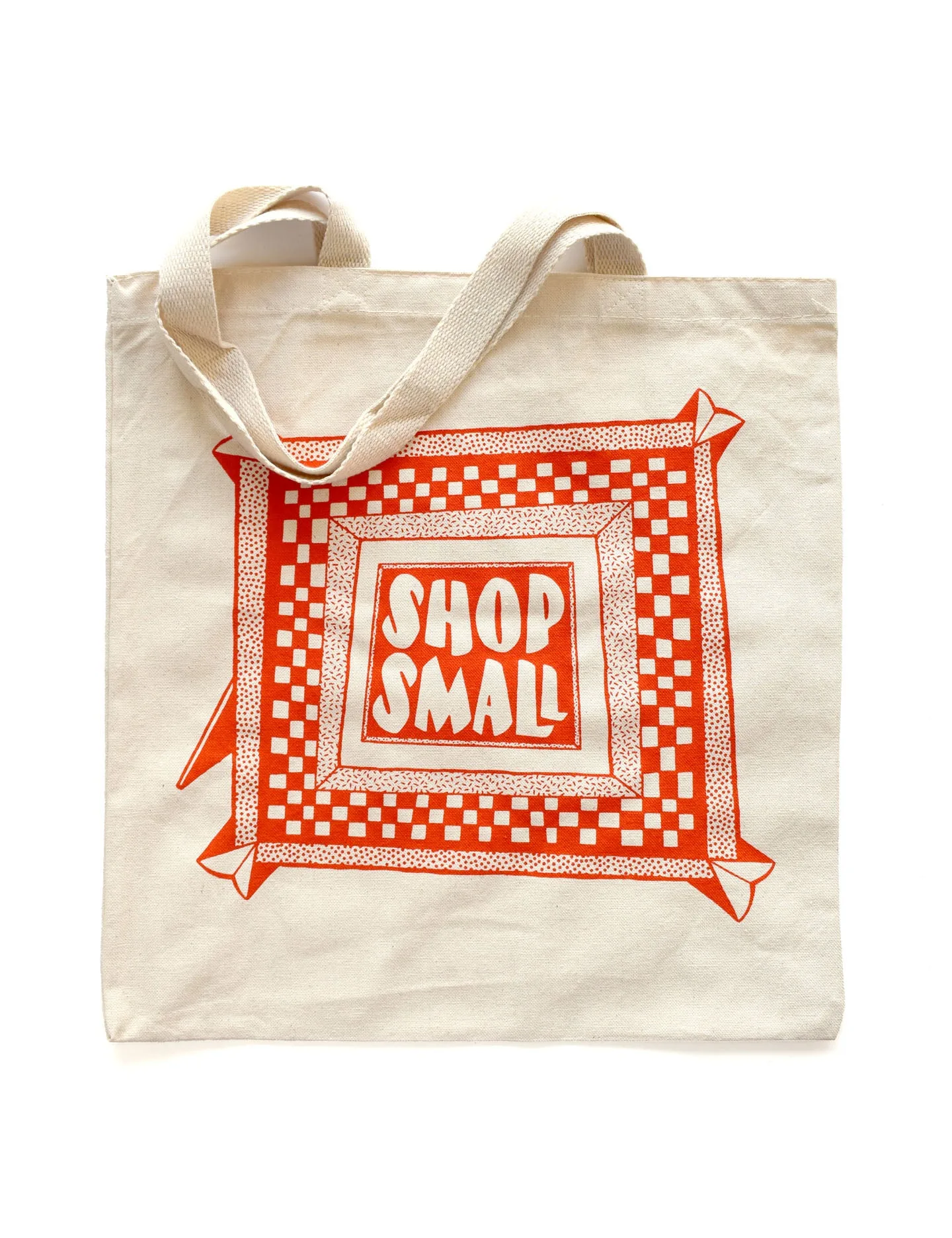
- Eco tip: Pair your sticker with a reusable tote for a fully green gift.
Your Sticker‑Selection Checklist
- 1. Measure & Match: Take precise measurements of the target area and choose a sticker sized accordingly, matching material type. Avoids fit issues and ensures a clean look.
- 2. Test Adhesion: Apply a small corner of the sticker to the surface; wait a few minutes to see if it lifts. Catches weak adhesives before full application.
- 3. Protect & Apply: Clean the surface, align the sticker, smooth out bubbles, and press firmly. Store any leftovers in a cool, dry place. Ensures longevity and a professional finish.
Frog & Toad Press Products That Model Good Sticker Practices
- Shop Small Frame Tote: Screenprinted in Providence, RI on a 100% heavy cotton tote; measures 15" x 16" with a 20" handle. Shows how durable, eco‑friendly printing can be applied to everyday accessories, similar to long‑lasting vinyl stickers.
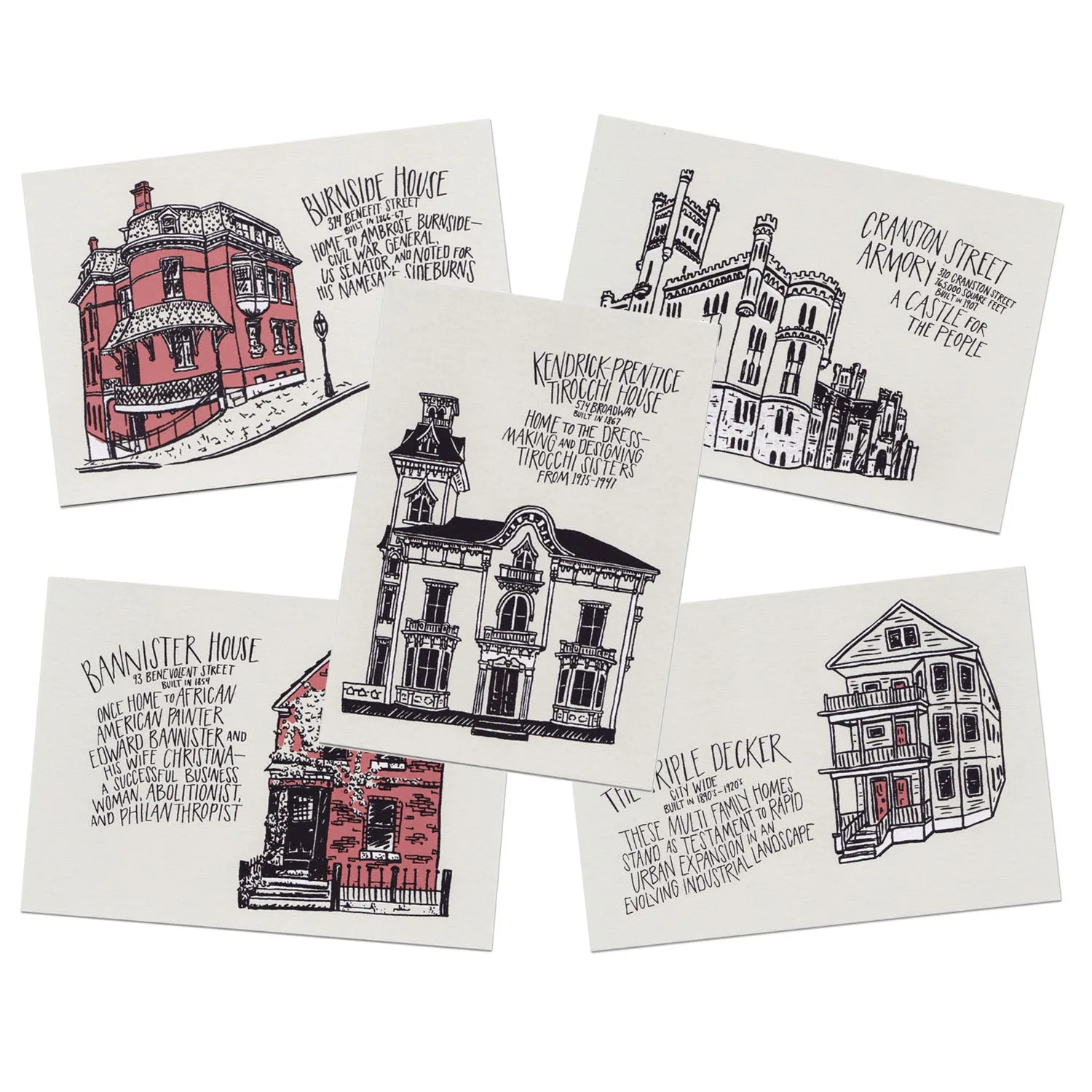
- Mom- How Do You Make It Look So Easy Greeting Card: Printed on 100% recycled white paper, A2 size, sealed in a plastic sleeve. Demonstrates the use of recycled paper and protective packaging—principles that also apply to paper‑based stickers.
By measuring, testing adhesion, and choosing sustainable materials, you’ll confidently select stickers that enhance your laptop, bottle, or planner without regret.