Quick Answer
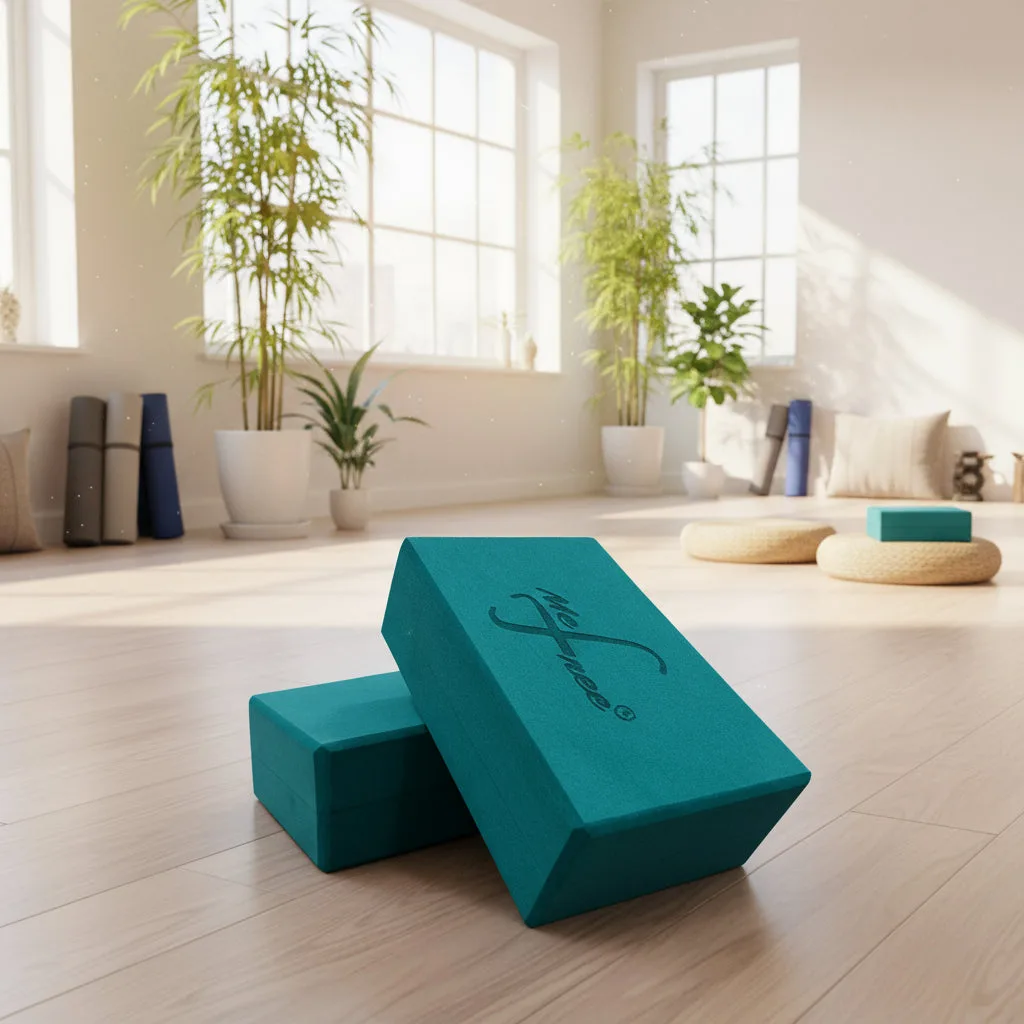
The perfect yoga block depends on your practice style, flexibility level, and comfort with firmness. For most beginners, a high-density foam block (like the Foam Yoga Blocks Set of 2) offers a forgiving surface and good stability. For Iyengar or alignment-focused work requiring a firmer, non-slip base, a wooden block like the Triangular Block - Big is a better choice. Specialized shapes like the Quarter Round Block or Curvature Plank serve specific alignment needs.
Choosing a yoga block seems simple, but size, material, and firmness directly affect your comfort and alignment. A block that is too soft may compress under weight, while one that is too firm can feel uncomfortable in restorative poses. This guide breaks down the trade-offs so you can pick the block that matches your practice.
Your body type, current flexibility, and the style of yoga you practice all influence the best choice. We will cover standard block dimensions, the difference between foam and wood, and when a specialized shape makes sense.
Yoga Block Sizes: Standard and Specialized Dimensions
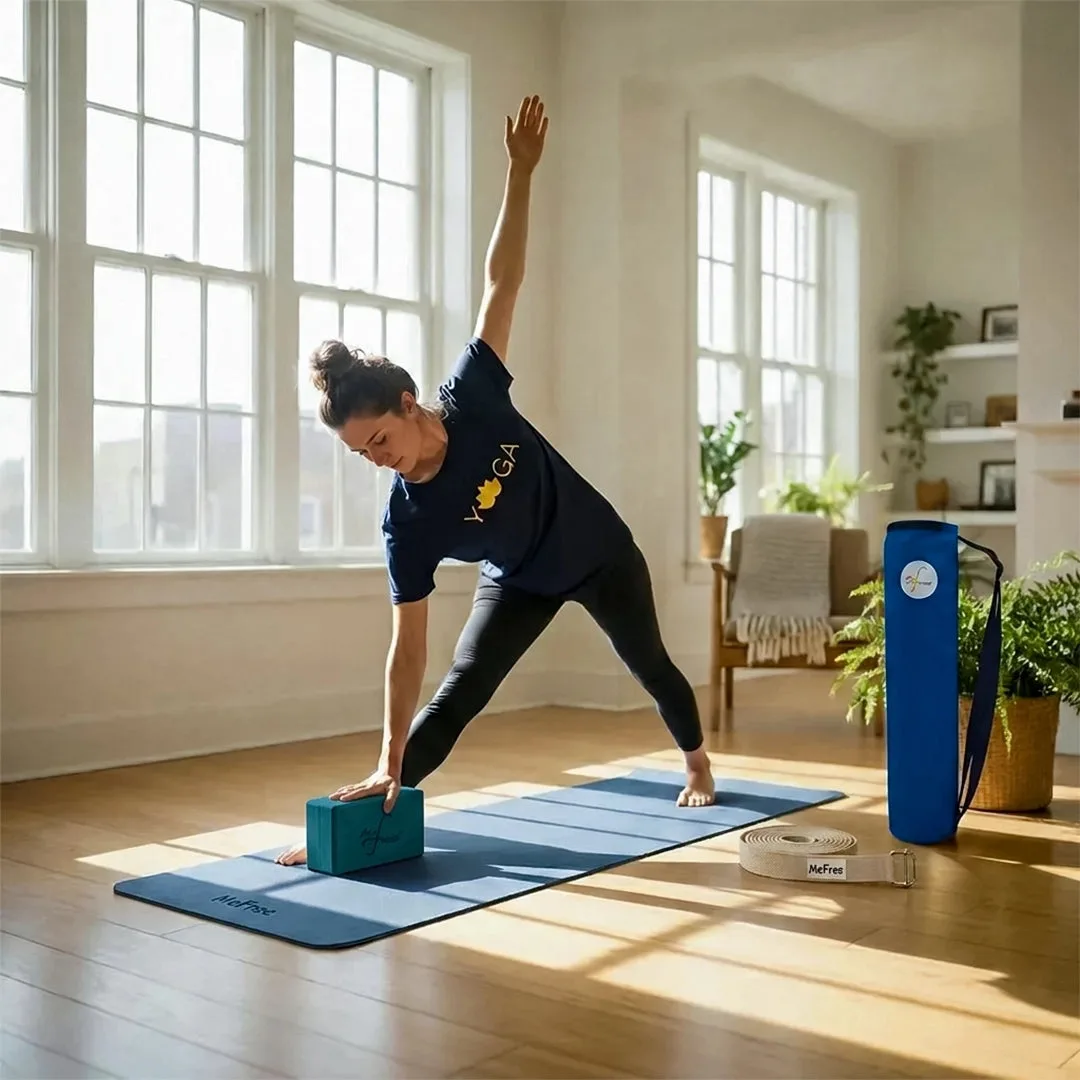
Most yoga blocks come in a standard size of 4 x 6 x 9 inches, which works well for general use. This size provides three height options: flat (4 inches), medium (6 inches), and tall (9 inches). Beginners or those with tight hamstrings often need the full 9-inch height for poses like Triangle or Half Moon.
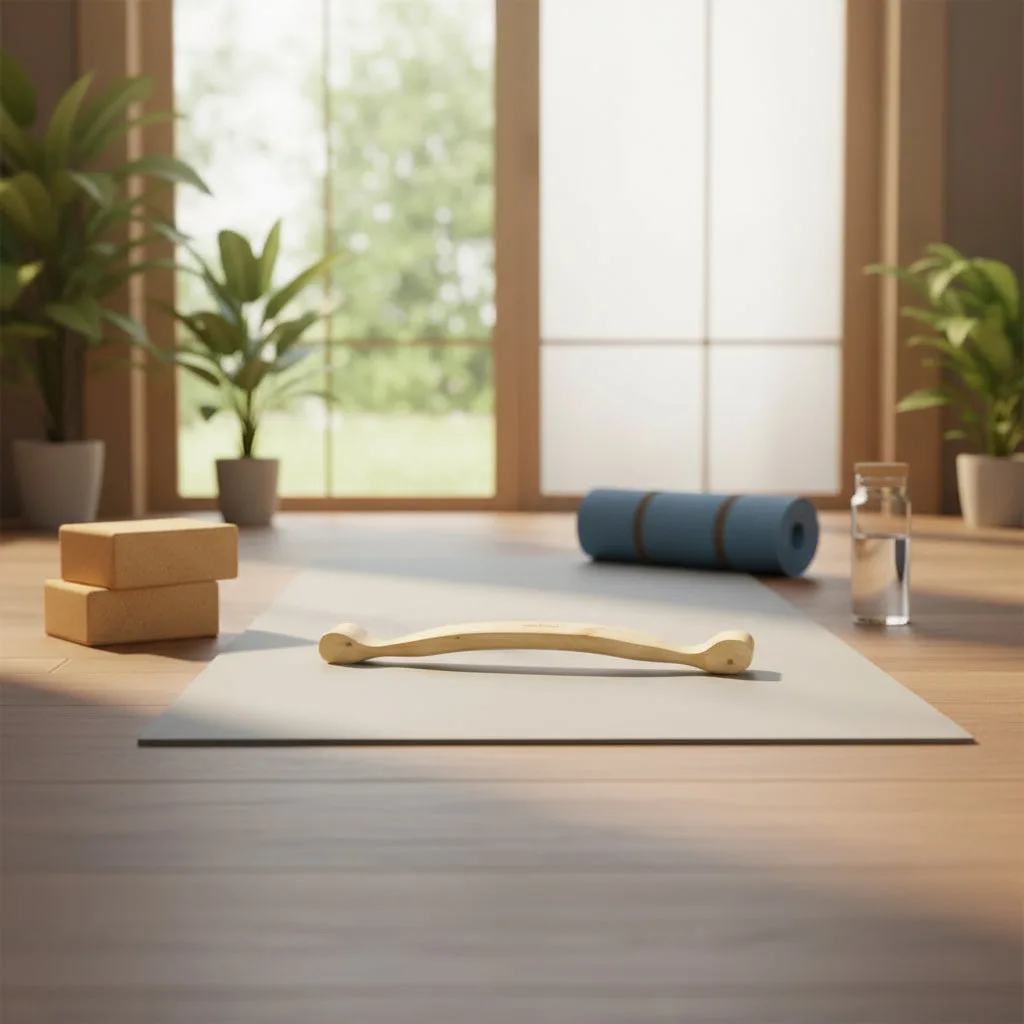
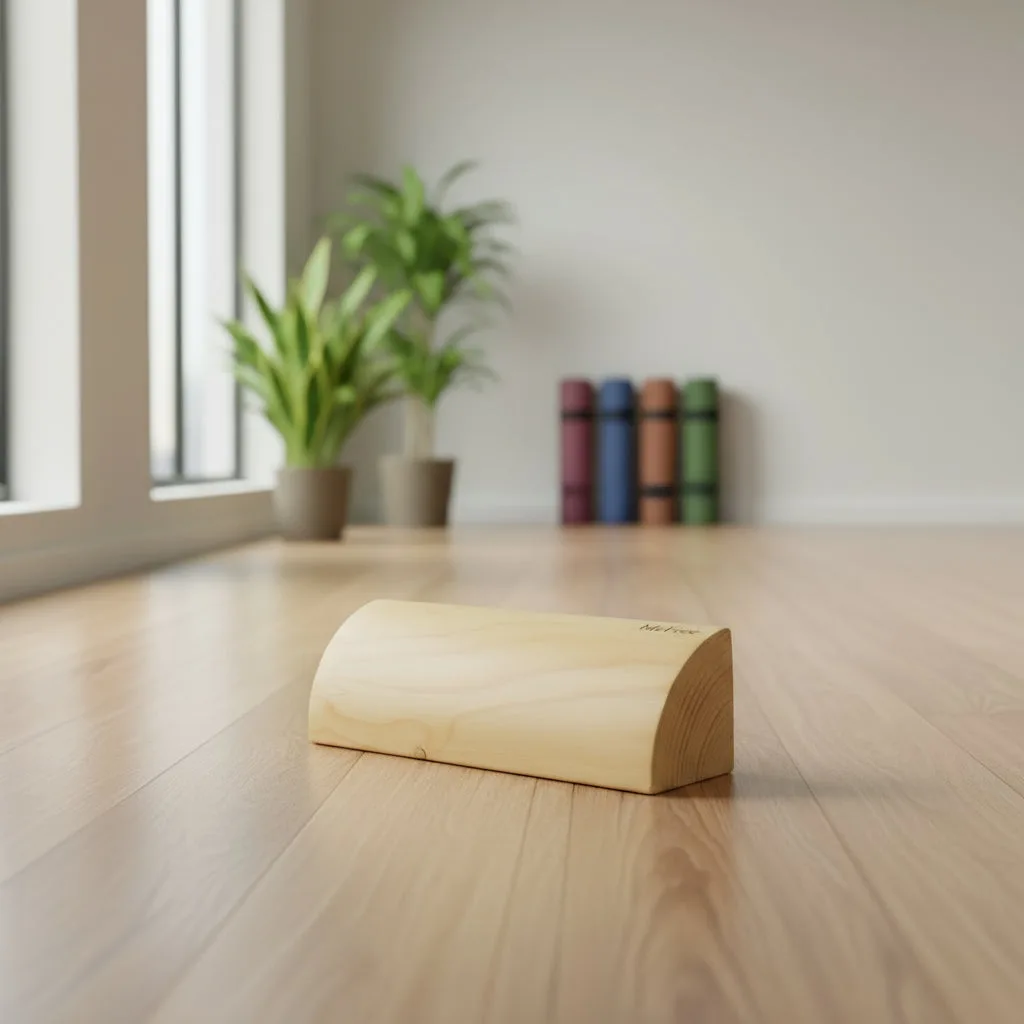
Specialized blocks like the Quarter Round Block have a different shape designed for specific alignment cues in Iyengar yoga. They offer a curved surface that fits under the heels or hands for precise positioning. The Curvature Plank is another example of a non-standard shape meant for backbend support and posture correction. These are not interchangeable with standard rectangular blocks.
- For general practice, start with a standard 4x6x9-inch block.
Material Matters: Foam vs. Wood
Foam blocks are lightweight, slightly compressible, and gentle on the body. The high-density foam used in the Foam Yoga Blocks Set of 2 provides enough stability for most standing poses while offering a softer landing for restorative work. They are also quieter if they drop and less likely to damage floors.
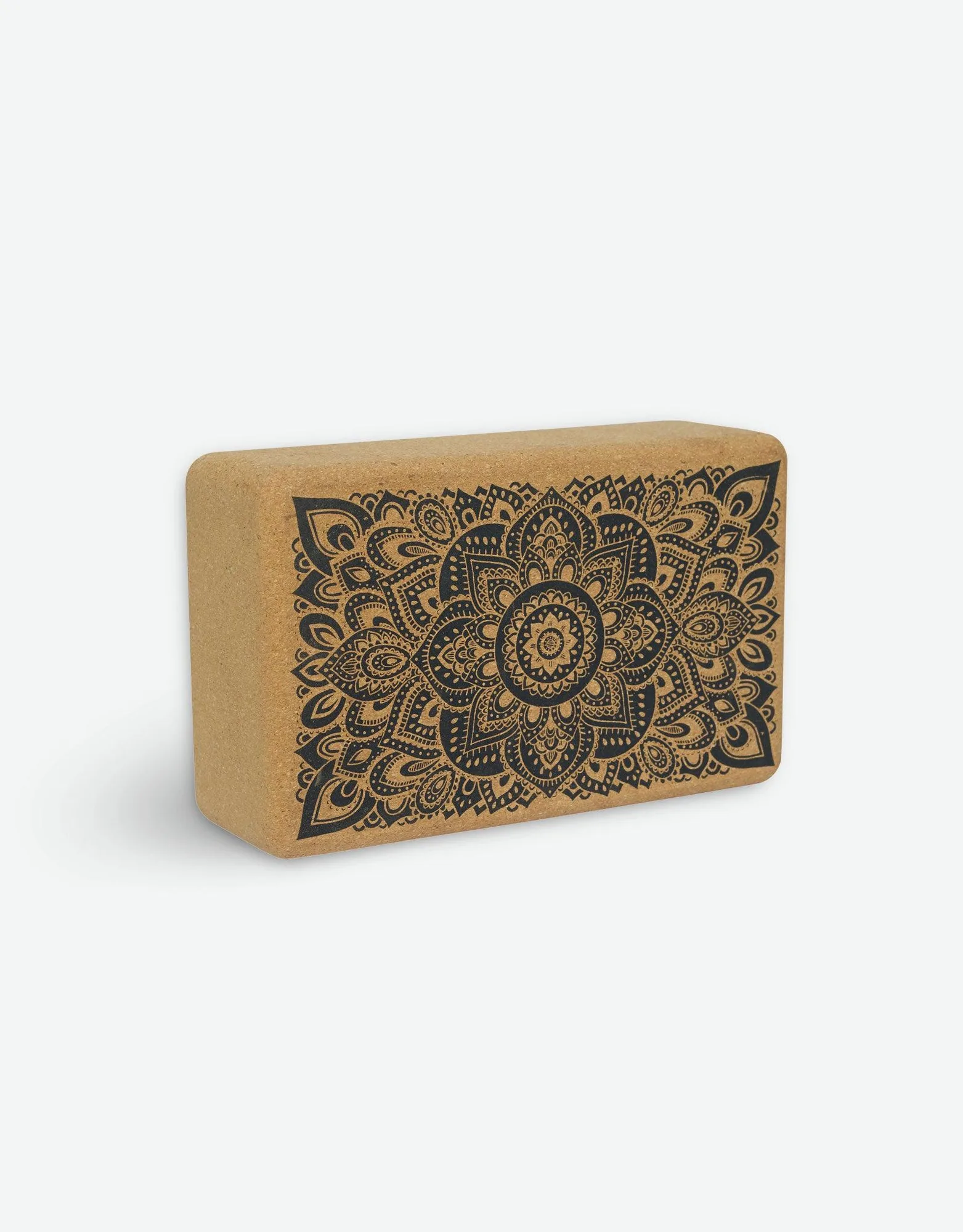
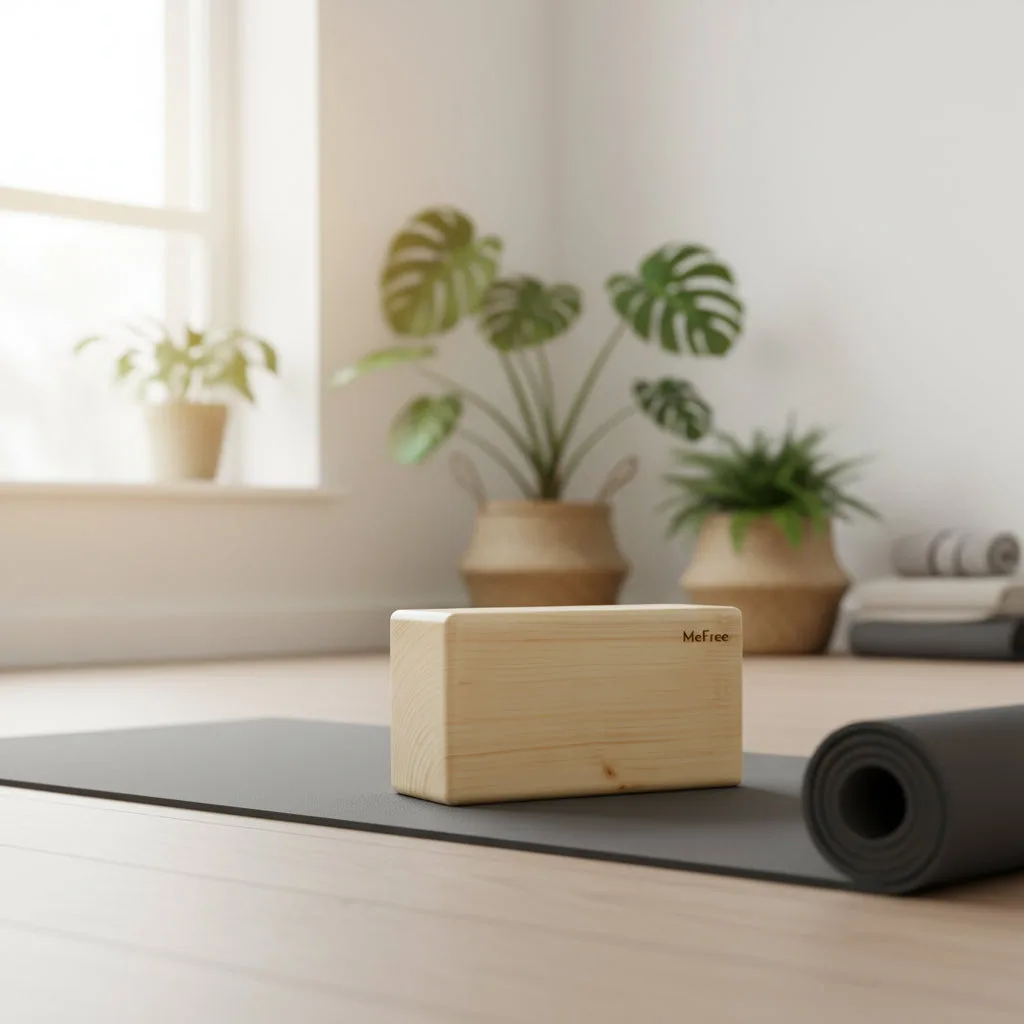
Wooden blocks like the Triangular Block - Big are much firmer and heavier. They provide a solid, non-slip surface that does not compress, making them ideal for Iyengar-style alignment where precise positioning is critical. The trade-off is that wood can feel hard on sensitive joints and is more expensive. Pinewood is a common sustainable choice that balances weight and durability.
- Foam is best for comfort and portability; wood is best for firm support and alignment work.
Firmness and Your Practice Style
Firmness is closely tied to material. A firm yoga block supports your weight without sinking, which is essential for holding poses like Shoulderstand or Headstand preparation. Softer blocks can feel more forgiving in forward folds or as a pillow under the back in Savasana.
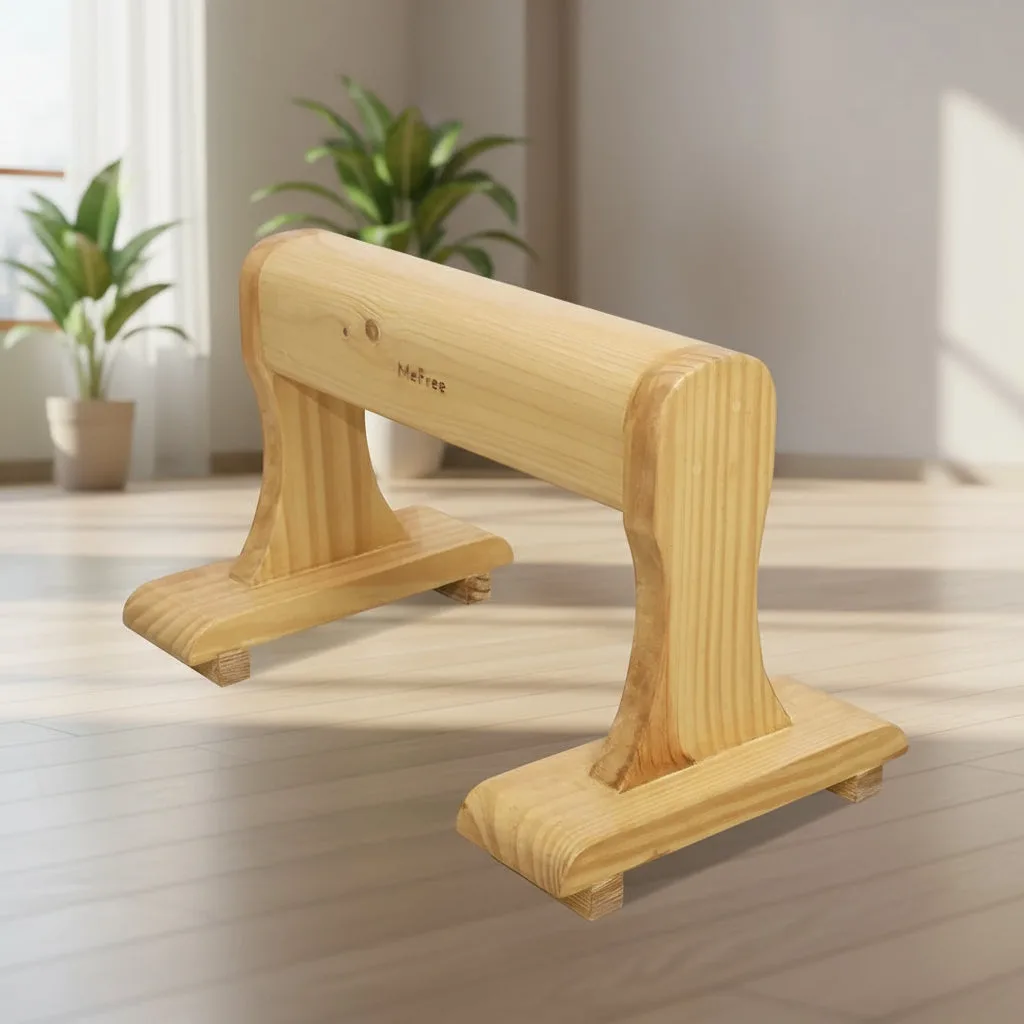
If you practice a dynamic style like Vinyasa or Ashtanga, a medium-firm foam block offers a good balance of support and comfort. For Iyengar or therapeutic yoga where you hold poses longer and need precise alignment, a firm wooden block is the standard choice. The Trestle/ Horse - Small, while not a block, shows how specialized props can offer even broader support for backbends and side bends, complementing your block choice.
- Match firmness to your practice intensity: softer for restorative, firmer for alignment.
Decision Rules for Choosing a Yoga Block
- Rule 1: Start with Standard Size: If you are new to yoga or do not have a specific alignment need, choose a standard 4x6x9-inch block. This size offers three height options and works for the majority of poses. Check that the block provides the 9-inch height for seated forward folds if you have tight hamstrings.
- Rule 2: Match Material to Practice: Select foam for general practice, restorative yoga, or if you travel with your block. Select wood for Iyengar yoga, alignment-focused practice, or when you need a firm, stable surface that will not compress. Foam is quieter and softer; wood is firmer and more durable.
- Rule 3: Consider Specialized Shapes for Specific Poses: If your practice focuses on precise alignment in poses like Downward Dog or standing poses, a Quarter Round Block can help. For backbend support, a Curvature Plank may be more useful. Specialized shapes are not necessary for most practitioners but can be valuable for targeted work.
Product Facts
- Foam Yoga Blocks Set of 2: High-density foam blocks designed to enhance alignment and deepen stretches, providing stability for restorative and Iyengar-inspired practices. The foam material is lightweight and slightly compressible, making it comfortable for beginners and gentle on the body during longer holds.
- Triangular Block - Big: Large pinewood triangular block offering a broader base and robust support, crafted from sustainably sourced pinewood. The wood construction provides a firm, non-compressible surface ideal for precise alignment work, especially in Iyengar yoga. The larger base adds stability for taller practitioners.
- Quarter Round Block: Solid pinewood block shaped to Iyengar specifications for enhanced posture support. Its unique quarter-round shape allows for targeted placement under heels, hands, or shoulders, offering specific alignment cues that a standard rectangular block cannot provide.
Which Block Fits Your Practice?
Best For
- Beginners and general practitioners who want a comfortable, forgiving block for a variety of poses.
- Practitioners of restorative or gentle yoga who need a softer surface.
- Iyengar practitioners who require a firm, non-compressible block for precise alignment.
Not For
- Advanced practitioners who need very specific alignment cues that only a specialized shape can provide (they should consider a Quarter Round Block or Curvature Plank).
- Practitioners who prioritize portability and need the lightest possible block (wooden blocks are heavier).
Choosing the right yoga block comes down to understanding your practice needs. A standard foam block is a safe, versatile starting point. If you find yourself craving more stability or working on alignment details, a wooden or specialized shape is a worthwhile upgrade. Let your body and your practice guide the final choice.