Picking a deodorant can feel like a guessing game. You try one, it works for a few days, then suddenly you’re dealing with irritation or a scent that doesn’t hold up. The culprit? Your unique body chemistry. Factors like your skin’s pH balance, sweat composition, hormones, and even diet all influence how a deodorant performs on you.
The good news is, once you understand what your body needs, finding a deodorant that works is much simpler. Whether you’re looking for a gentle option because you have sensitive skin, or you want to switch to a natural formula, this guide will help you decode your body’s signals and choose a deodorant that actually works with you, not against you.
Understanding Your Body Chemistry: pH, Sweat Type, and Bacteria
Your skin has a natural pH around 4.5–5.5, but it can shift due to diet, stress, or products you use. When your skin’s pH is off, deodorant ingredients like baking soda or aluminum may cause irritation or become less effective. Sweat itself is mostly water and salt, but when bacteria on your skin break down sweat proteins, odor forms. That’s why deodorants aim to neutralize bacteria, not stop sweating.
The type of sweat matters too: eccrine sweat (thin and watery) differs from apocrine sweat (thicker, released during stress). Some deodorants work better for one than the other. For example, if you tend to have stronger body odor, you might need a deodorant with more antibacterial ingredients like magnesium hydroxide or zinc ricinoleate, whereas if you sweat lightly, a simpler formula may suffice.
- Test a deodorant on clean, dry skin right after your shower for the most accurate result.
Best Deodorants for Sensitive Skin: What to Look For
If your skin reacts with redness, stinging, or bumps, you likely have sensitive skin. Common irritants in deodorants include baking soda, alcohol, synthetic fragrances, and aluminum. For sensitive skin, look for formulas that are fragrance-free or use only natural essential oils, have a baking soda alternative like tapioca starch or magnesium, and are labeled dermatologist-tested.
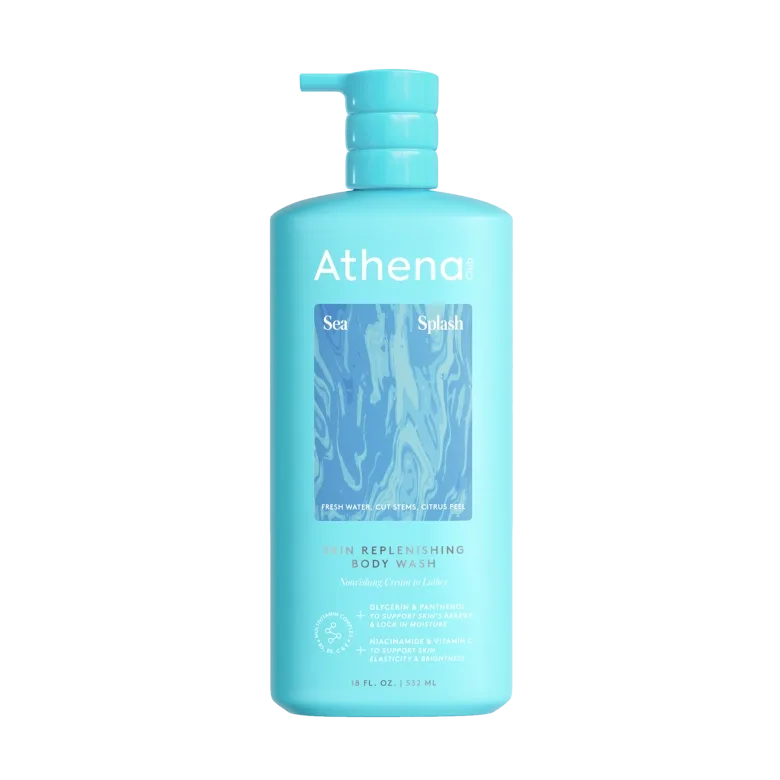
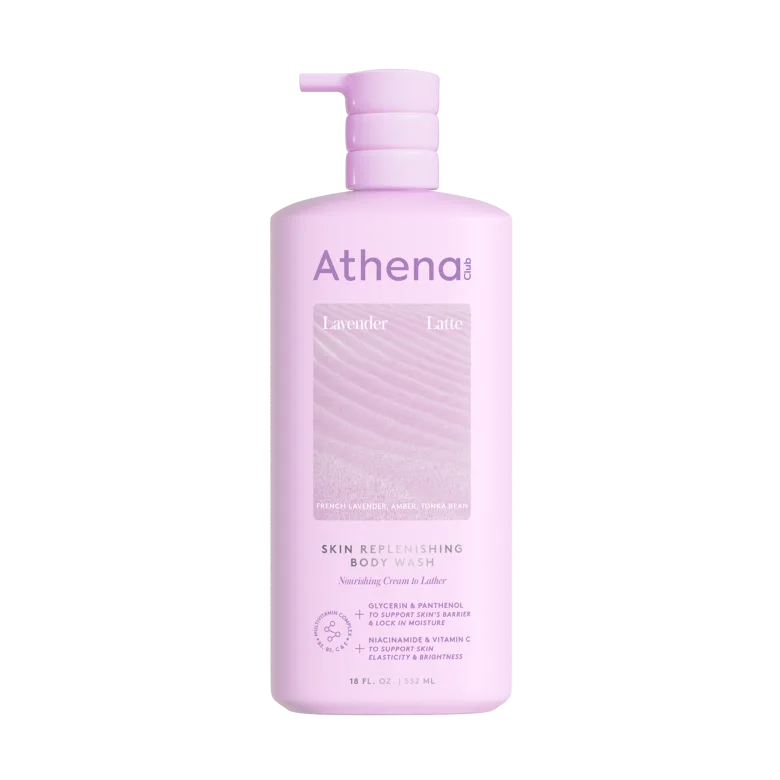
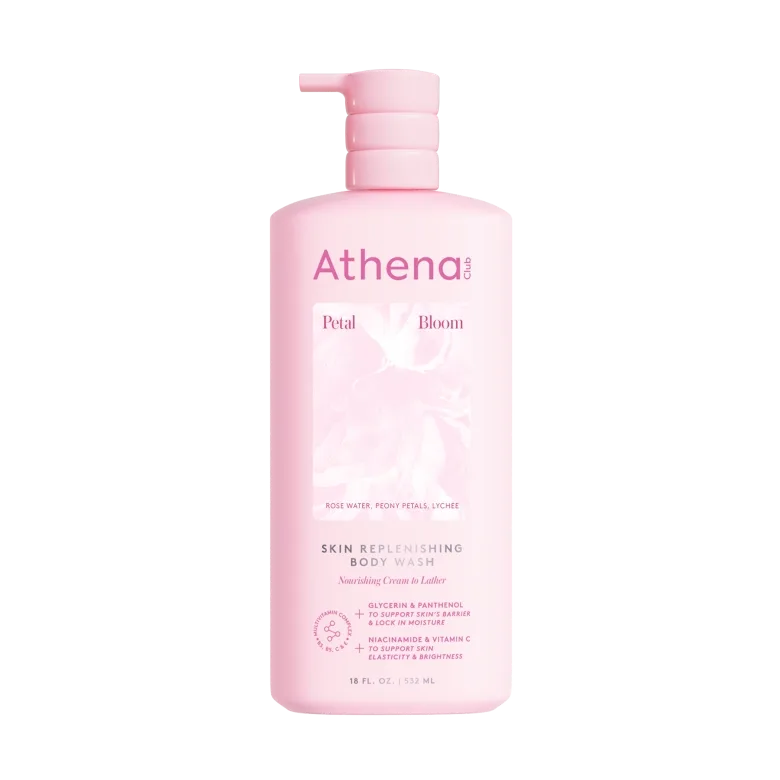
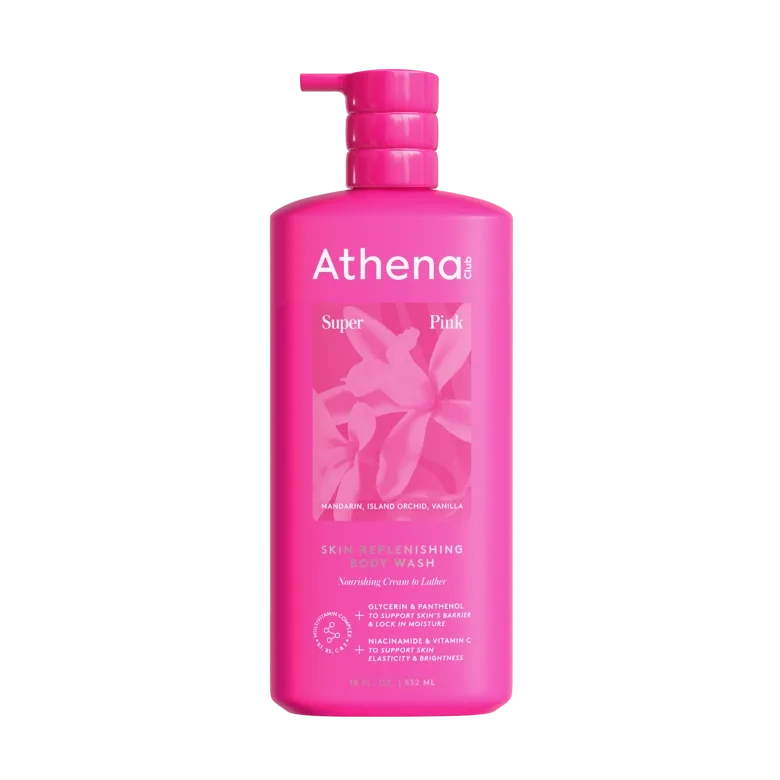
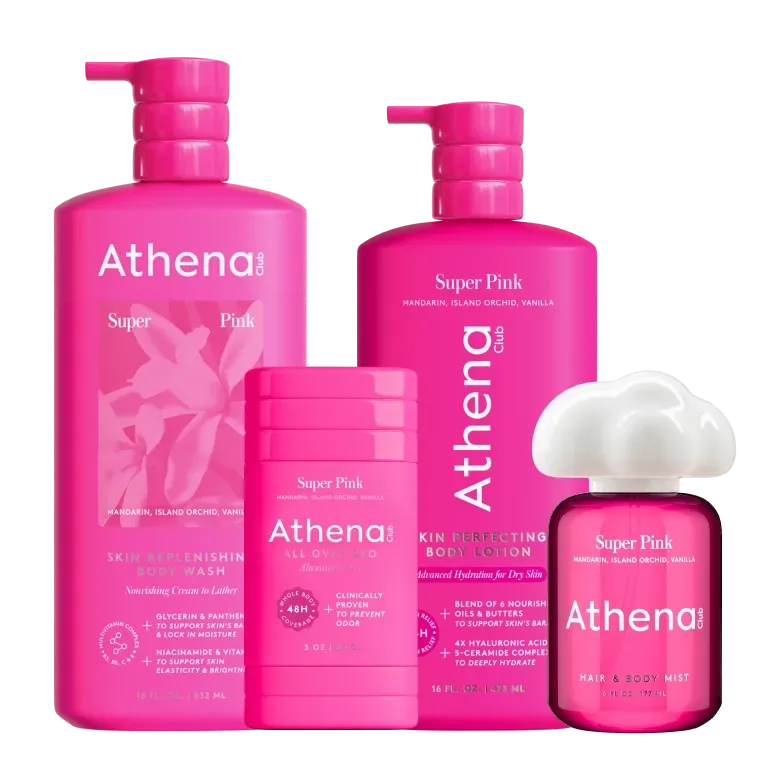
The All Over Deo. from Athena Club is a great example of a gentle deodorant designed with sensitive skin in mind. It uses natural ingredients to neutralize odor without harsh chemicals, and it doubles as a hair and body mist for a light, refreshing scent. Pairing it with a soothing body wash, like the https://athenaclubhfr.com/products/skin-replenishing-body-wash-101477https://athenaclubhfr.com/products/skin-replenishing-body-wash-101478https://athenaclubhfr.com/products/skin-replenishing-body-wash-101479https://athenaclubhfr.com/products/skin-replenishing-body-wash-101483Skin Replenishing Body Wash, can help prep your skin by removing excess bacteria without stripping moisture.
- Always patch test a new deodorant on your inner arm before applying it to your underarms.
Natural Deodorant Tips: Transitioning and Adjusting
Switching from an antiperspirant to a natural deodorant often comes with a transition period. Antiperspirants block sweat glands with aluminum, so when you stop, your body may temporarily produce more sweat and odor as it detoxes. This period can last a few days to a few weeks, depending on your body. Patience is key—don’t give up after the first week.
To ease the transition, start by applying natural deodorant at night when sweat production is lower. The ingredients have time to absorb and work while you sleep. Also, consider exfoliating your underarms gently once a week to remove any buildup from previous products. A consistent routine with a mild cleanser like the Skin Replenishing Body Wash helps reset your skin microbiome so your new deodorant can work effectively.
- Drink plenty of water and eat a balanced diet—your body odor is influenced by what you consume.
How to Find Your Deodorant Match: Trial and Observation
There’s no single deodorant that works for everyone, so expect to try a few before finding the one. A good strategy is to test one deodorant for at least two weeks, noting how it smells at the end of the day, whether your skin feels comfortable, and if the scent stays pleasant. Bodies change with seasons, stress, and lifestyle, so what works in winter may not work in summer.
Keep a simple journal: rate the deodorant on effectiveness, scent longevity, and skin reaction. If you notice irritation or odor breakthrough within a few hours, it might be time to try a different formula. Many brands offer sample sizes or sets—look for a try-it kit that includes multiple scents or formulas. The Full Body Fragrance Routine set includes a mix of body care products that let you explore fragrances without committing to a full size.
- Rotate between two different deodorants occasionally; your body can adapt to one, and switching can maintain effectiveness.
Layering Scents: How Body Care Affects Deodorant Performance
Your deodorant scent doesn’t exist in a vacuum. Body lotions, body washes, and even laundry detergents contain fragrances that can interact with your deodorant. Sometimes they enhance it, sometimes they clash. For a cohesive scent, try to use complementary products from the same line or with similar notes. This is especially important if you like a signature scent.
For instance, pairing the All Over Deo. with a matching body lotion or body wash can help your fragrance last longer without competing. If you prefer variety, the Layer and Go Set offers a curated combination of body mist and lotion that you can mix and match. Just remember to apply your deodorant first, let it dry, and then layer other scents on top for the best result.
- Apply deodorant at least 30 seconds before putting on clothing to prevent transfer and allow absorption.
Finding the right deodorant for your body chemistry is a journey of observation and patience. Start by understanding your skin type and sweat patterns, choose a gentle formula if you have sensitivity, and give each product a fair trial period. With brands like Athena Club offering options like the All Over Deo. and complementary body washes, you can build a routine that smells great and keeps you feeling fresh all day—without the guesswork.