Choosing the right pacifier for your baby can feel overwhelming with so many options on the market. But finding the perfect soother isn't just about style—it's about safety, comfort, and age-appropriate design. A pacifier that works for a newborn may not suit a teething toddler, and the wrong size can cause frustration for both baby and parent.
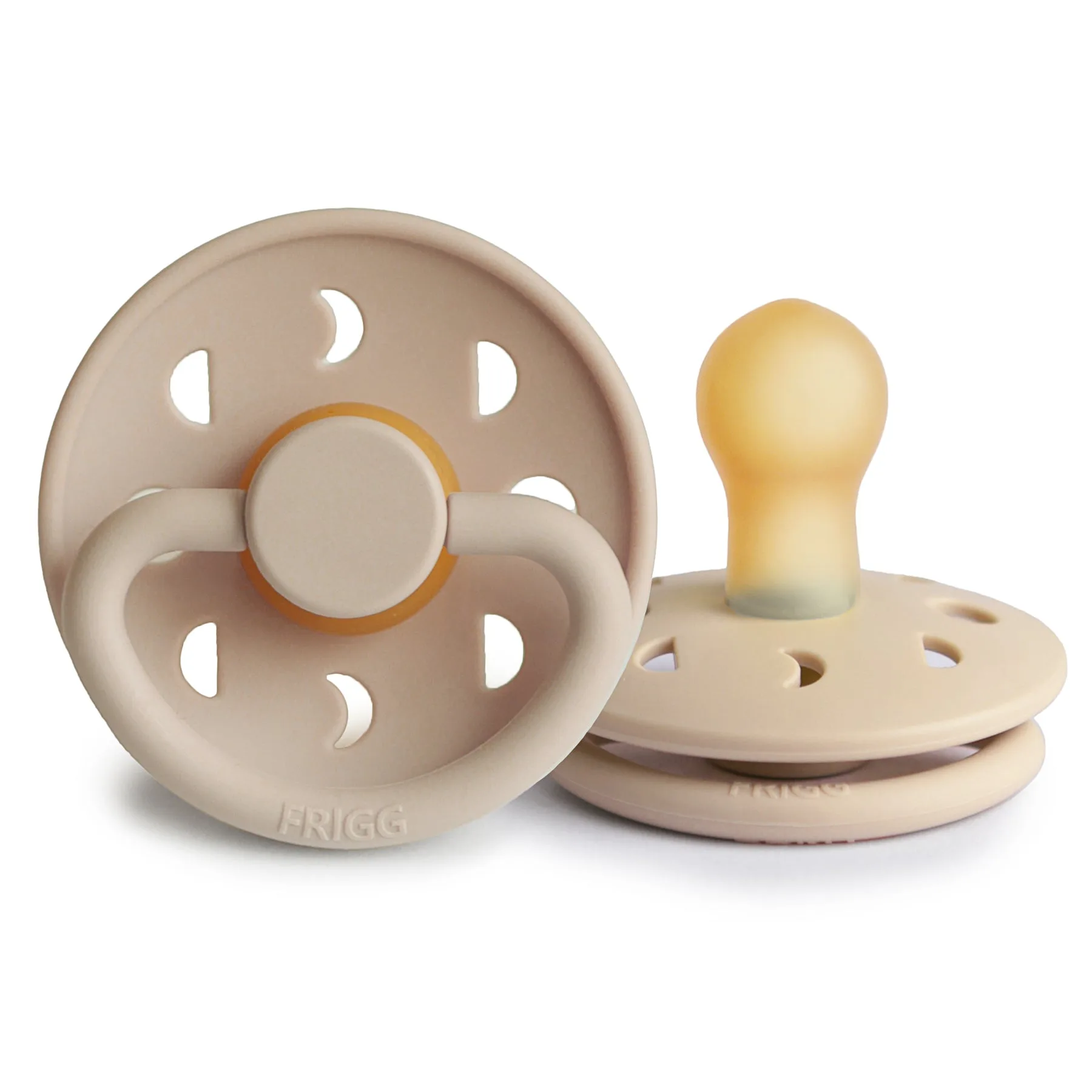
In this pacifier age guide, we break down what to look for at each stage, from the first weeks home to the toddler years. We'll cover key features like nipple shape, material, and ventilation, and highlight trusted products like the https://nexkind.shop/products/frigg-moon-natural-rubber-pacifier-2-pack-limited-edition-92175FRIGG Moon Natural Rubber Pacifier 2-Pack | Limited Edition that grow with your little one.
Why Age Matters When Choosing a Pacifier
Babies develop rapidly in their first year, and their oral anatomy changes just as fast. A pacifier designed for a 0-3 month old has a smaller, softer nipple that fits a tiny mouth and respects the natural suckling reflex. As your baby grows, the nipple needs to be longer and firmer to support proper palate development and to prevent the pacifier from slipping out.
Using an age-inappropriate pacifier can lead to nipple confusion, poor latch, or even increased risk of ear infections. That's why many pediatricians recommend switching pacifier sizes at around 6 months and again at 12 months. Always check the manufacturer's age recommendations—such as those on the FRIGG Moon Natural Rubber Pacifier 2-Pack | Limited Edition, which offers clear sizing guidance.
- Newborns (0-3 months): Look for a small, lightweight shield and a symmetrical nipple to mimic breastfeeding.
- Infants (3-6 months): A slightly longer nipple and a wider shield help accommodate growing gums.
- Older babies (6-12 months): Firmer nipples and larger shields prevent the pacifier from being pushed in too far.
Silicone vs. Natural Rubber: Which Material Is Best?
Pacifiers are typically made from either silicone or natural rubber (latex). Silicone is a synthetic material that is firm, odorless, and easy to clean. It stands up well to boiling and dishwashing, making it a popular choice for parents who prioritize hygiene. Silicone pacifiers also hold their shape longer, which can be helpful for older babies who chew aggressively.
Natural rubber, on the other hand, is softer and more flexible, closely mimicking the texture of a mother's skin. It is biodegradable and free from BPA and phthalates. However, rubber pacifiers can wear out faster and may develop a slight taste or smell over time. For babies with sensitive skin or a strong preference for softness, natural rubber—like the material used in the FRIGG Moon Natural Rubber Pacifier 2-Pack | Limited Edition—is an excellent choice.
- Silicone: Hypoallergenic, dishwasher-safe, longer lifespan.
- Natural rubber: Softer, more flexible, eco-friendly, but replace every 4-6 weeks.
- Tip: If your baby refuses a silicone pacifier, try a natural rubber one—the texture can make all the difference.
Pacifier Shapes and Their Benefits at Different Ages
Pacifier nipples come in three main shapes: orthodontic, symmetrical, and cherry. Orthodontic nipples are flat on the bottom and rounded on top, designed to support natural tongue placement and reduce the risk of dental issues. Symmetrical nipples (also called 'cherry' or 'round') are the same on both sides, so they always sit correctly in the mouth—perfect for newborns who can't yet orient the pacifier.
Cherry-shaped nipples have a bulbous tip that fills the palate, which many babies find comforting. As your baby grows into the toddler stage, you may want to switch to an orthodontic shape to encourage healthy jaw development. Many parents find that the FRIGG Moon Natural Rubber Pacifier 2-Pack | Limited Edition offers a symmetrical shape that works well from birth onward, simplifying the transition between sizes.
- Newborns: Symmetrical or cherry shape for easy self-righting.
- 6+ months: Orthodontic shape to support emerging teeth.
- Toddlers: Firm, orthodontic pacifiers that resist chewing.
Safety Features Every Parent Should Check
Beyond age and material, safety is paramount. Look for a one-piece design (no detachable parts that could become choking hazards) and a shield that is at least 1.5 inches (4.4 cm) wide with ventilation holes to allow airflow. The shield should be curved inward to fit your baby's face comfortably without trapping moisture against the skin.
Always inspect the pacifier regularly for signs of wear, such as cracks, stickiness, or discoloration. Replace silicone pacifiers every 2-3 months and natural rubber pacifiers every 4-6 weeks. Never attach a pacifier to a string or ribbon around your baby's neck—use a pacifier clip with a short, safe cord instead. Products like the FRIGG Moon Natural Rubber Pacifier 2-Pack | Limited Edition are designed with safety in mind, featuring a seamless silicone shield and no sharp edges.
- One-piece construction reduces choking risk.
- Ventilation holes prevent skin irritation and allow breathing.
- Replace immediately if the nipple becomes torn or sticky.
Transitioning Between Pacifier Sizes and Stages
Most pacifier brands offer two or three size stages. Stage 1 (0-6 months) has a shorter, softer nipple. Stage 2 (6-18 months) is longer and firmer. Some brands also offer a Stage 3 for toddlers 18+ months. When your baby starts to outgrow their current size—for example, if the pacifier pops out frequently or they seem to chew rather than suck—it's time to move up.
To make the transition easier, introduce the new size during a calm moment, like after a bath or before a nap. You can also offer the new pacifier alongside the old one for a few days. The FRIGG Moon Natural Rubber Pacifier 2-Pack | Limited Edition is available in two sizes, making it simple to find the right fit for your baby's age without switching brands.
Caring for Your Baby's Pacifiers
Proper cleaning extends the life of a pacifier and keeps your baby healthy. For the first six months, sterilize pacifiers daily by boiling them for 5 minutes or using a steam sterilizer. After that, washing with hot, soapy water is usually sufficient. Always rinse thoroughly to remove any soap residue.
Store pacifiers in a clean, dry container when not in use, and avoid sharing them between siblings. If a pacifier falls on the floor, wash it before giving it back to your baby. For parents on the go, a portable pacifier case is a lifesaver. And remember: never dip a pacifier in sugar, honey, or any sweet substance—it can cause tooth decay and create a difficult habit to break.
- Boil new pacifiers for 5 minutes before first use.
- Replace after illness to prevent reinfection.
- Use a pacifier clip or case to keep them clean outside the home.
Finding the right pacifier for your baby's age doesn't have to be complicated. By focusing on size, material, and safety features, you can choose a soother that comforts your little one and supports healthy development. Explore the FRIGG Moon Natural Rubber Pacifier 2-Pack | Limited Edition to see how its thoughtful design adapts to every stage—from those first soothing sucks to the toddler years.