When you're out in the wilderness, the last thing you want is your shelter failing because of inadequate stakes. Tent pegs—often called camping stakes—are the unsung heroes of a stable campsite. They anchor your tent, tarp, or shelter to the ground, protecting you from wind, weather, and unexpected shifts. But not all pegs are created equal, and choosing the wrong type for your ground conditions can lead to frustration, broken gear, or even a collapsed tent in the middle of the night.
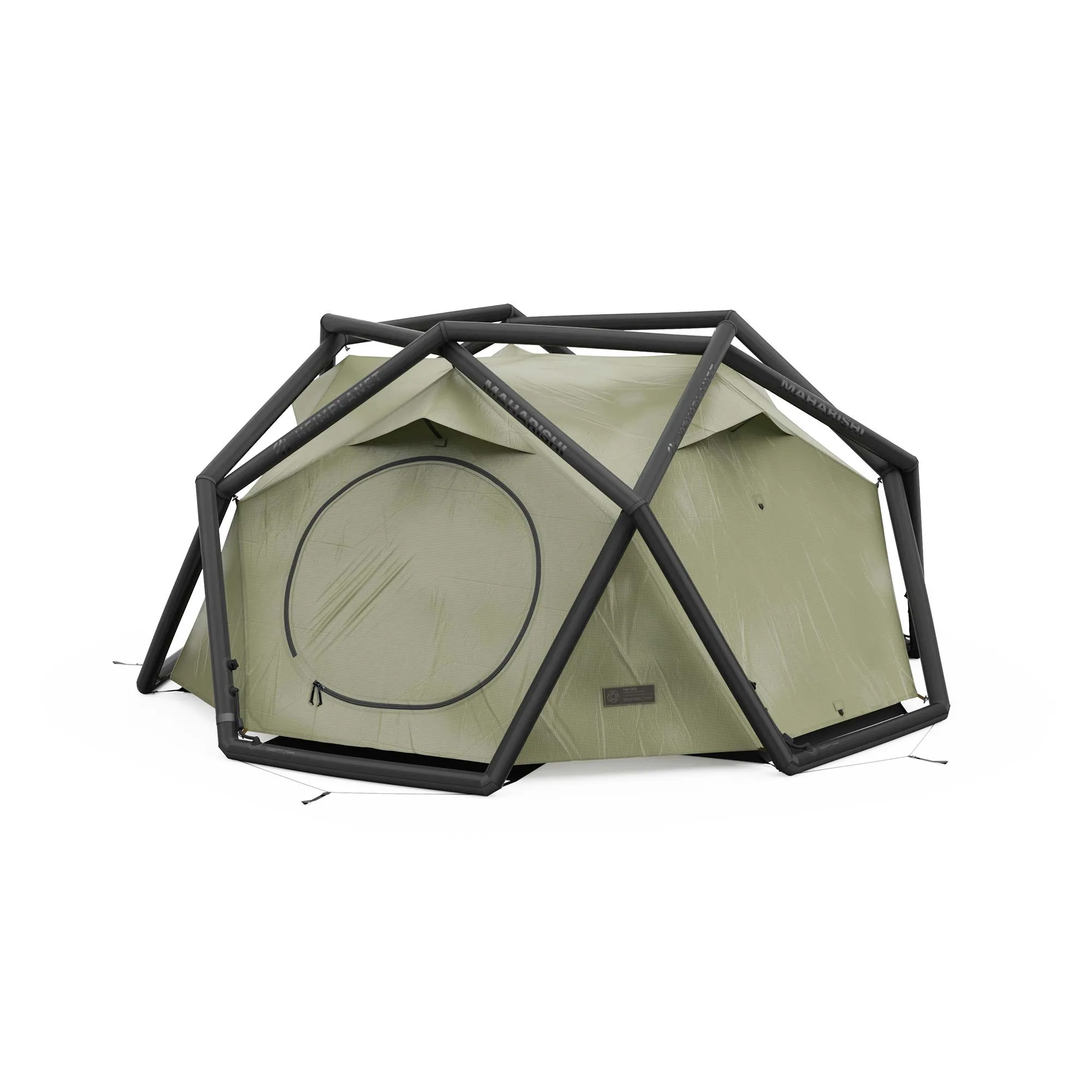
Whether you're pitching on loose sand, deep snow, or rocky hard soil, understanding the strengths and weaknesses of different peg designs is essential. In this guide, we'll break down the best tent pegs for each ground type, explain key materials and shapes, and offer practical tips to ensure your shelter stays put. Plus, we'll highlight a few products from Heimplanet that can make your setup more reliable, like the versatile Re-stored THE CAVE and the lightweight BACKDOOR shelter.
Understanding Tent Peg Materials and Shapes
Tent pegs come in a variety of materials—aluminum, steel, titanium, plastic, and even carbon fiber. Each material has its own pros and cons. Aluminum pegs are lightweight and corrosion-resistant, making them a popular choice for backpackers. Steel pegs are heavier but extremely durable, ideal for tough ground. Titanium offers a great strength-to-weight ratio but comes at a higher cost. Plastic pegs are cheap and lightweight but can snap under pressure.
The shape of the peg also matters. V-shaped or Y-shaped pegs (often called 'Y-stakes') provide excellent holding power in soft ground. Round or nail-style pegs work well in hard soil but can pull out easily in sand. Snow pegs are typically wide and flat, with holes or notches to grip snow and ice. Some pegs have serrated edges or angled designs for better purchase in loose terrain.
- For sand: wide, flat pegs with large surface area (like snow pegs) or specialized sand stakes
- For snow: long, wide pegs with holes or notches to create a deadman anchor
- For hard soil: thin, strong pegs made of steel or titanium that can be hammered in
Best Tent Pegs for Sandy Ground
Sand is one of the trickiest surfaces to stake a tent. The loose, shifting particles offer little friction, so standard thin pegs often pull out with minimal force. To secure your shelter in sand, you need pegs with a large surface area that resist being yanked upward. Wide, flat pegs—often called 'sand stakes' or 'snow stakes'—work best. They distribute the load over a larger area, creating a stable anchor.
When setting up on sand, bury the peg at a 45-degree angle away from the tent, and use a rock or a stake bag to hammer it in if needed. You can also tie a cord to the peg head and bury it completely (a deadman anchor). For added security, consider using a lightweight shelter like the BACKDOOR, which pairs well with robust stakes. If you're camping on a beach, bring extra pegs and a small mallet.
- Use wide aluminum or plastic pegs designed for sand
- Angle pegs at 45 degrees away from the tent
- Consider deadman anchors for extra hold
Best Tent Pegs for Snow
Snow presents a unique challenge because it can be soft and powdery or hard and icy. Standard pegs often fail in snow because they're too short or narrow. Snow pegs are typically longer (8-12 inches) and wider, with holes or notches that allow the snow to pack around them, creating a stronger hold. Some designs have a T-shape or a large flange to prevent sinking.
For deep snow, the best method is to use a deadman anchor: tie a cord to a long peg, a stick, or a stuff sack filled with snow, and bury it horizontally. Then pack snow on top. This creates a secure anchor that won't pull out. If you're using a tent like the Re-stored THE CAVE, which is designed for 3-season use, you can still adapt it for light snow by using proper pegs and guylines. Always test your anchors by pulling firmly before trusting them.
- Use long, wide pegs with holes or notches
- Bury pegs horizontally as deadman anchors
- Pack snow firmly around the peg for better grip
Best Tent Pegs for Hard or Rocky Soil
Hard soil and rocky ground require pegs that can withstand impact without bending or breaking. Thin, sharp pegs made of steel or titanium are ideal because they can be driven into compacted earth with a mallet. Nail-style pegs (round and pointed) are a classic choice for hard ground. They have minimal surface area, which reduces resistance when hammering, but they also hold well once inserted.
Avoid using plastic or thin aluminum pegs in rocky soil—they'll likely bend or snap. Instead, opt for heavy-duty steel or titanium stakes. Some pegs have a Y-shape or a slight curve to improve grip in hard soil. If you encounter roots or rocks, try moving your tent slightly to find a clearer spot. A sturdy tool like the Xtract Large Hand Saw can help clear small roots or branches before setting up. For hard-packed trails, consider using a drill or a rock to create a pilot hole.
- Use steel or titanium nail pegs for hard soil
- Bring a sturdy mallet or hammer
- Avoid plastic pegs in rocky conditions
Multi-Ground and Specialty Pegs
If you camp in varied terrain, consider investing in multi-ground pegs that work well in several conditions. Some pegs feature a V-shape with serrated edges, offering decent performance in sand, soil, and even light snow. Others have adjustable angles or interchangeable tips. While no single peg is perfect for all ground types, a set of versatile stakes can simplify your packing.
For example, the Fiskars Xtract Large Hand Saw is not a peg itself, but it's a handy tool for cutting branches or clearing ground before staking. Similarly, carrying a few extra pegs in different sizes can save you in unexpected conditions. Always test your setup before settling in for the night, and consider using guylines for added stability in windy conditions.
- Look for V-shaped or Y-shaped pegs with serrated edges
- Carry a variety of peg types for different conditions
- Use guylines and additional anchor points for wind
Choosing the right tent pegs for your campsite's ground type is a small but critical step in ensuring a safe and comfortable night outdoors. Whether you're staking into sand, snow, or hard soil, matching the peg design to the terrain will save you frustration and protect your gear. For a reliable and versatile shelter that pairs well with the right stakes, check out the Re-stored THE CAVE at Heimplanet—it's built for 3-season adventures and ready for your next trip.