Quick answer
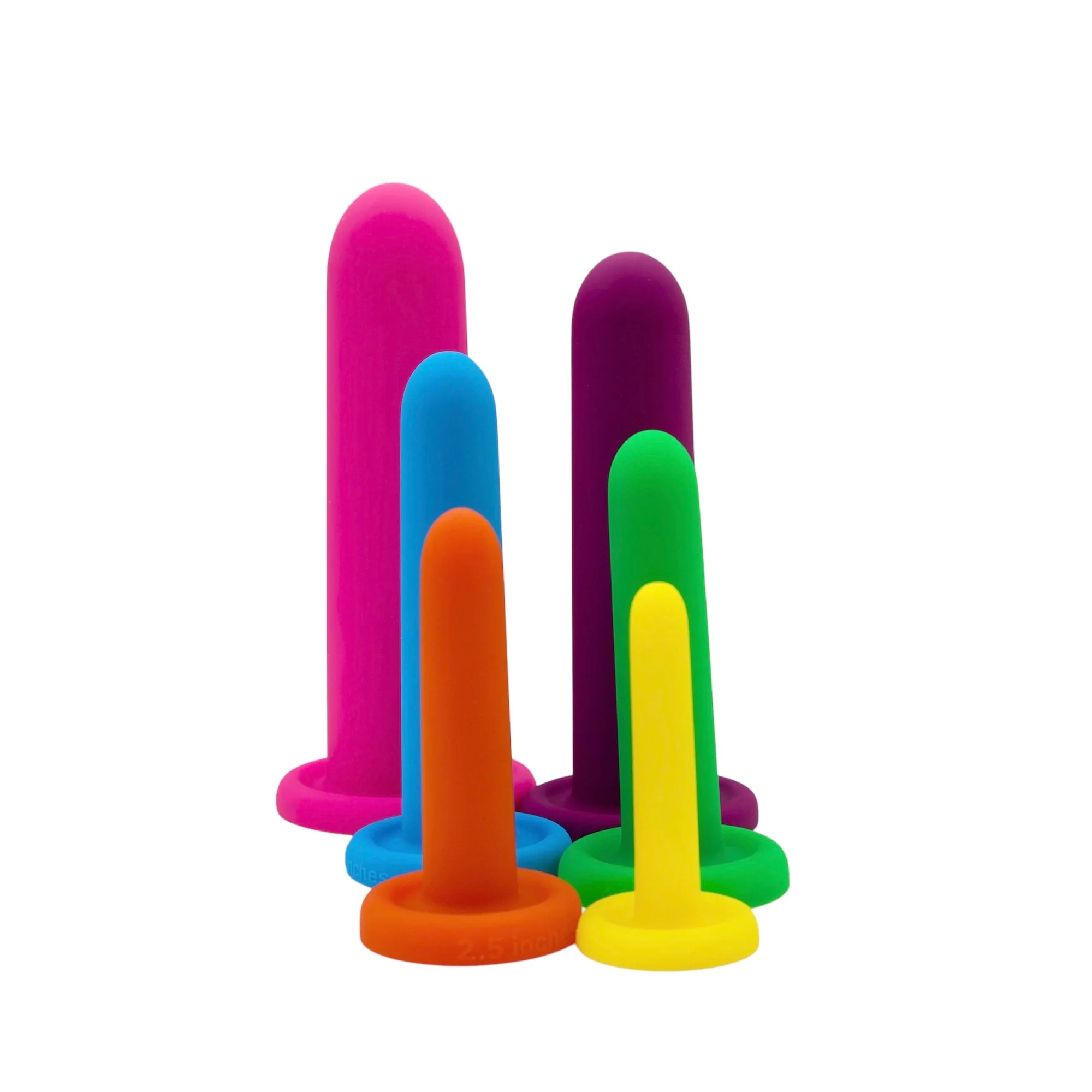
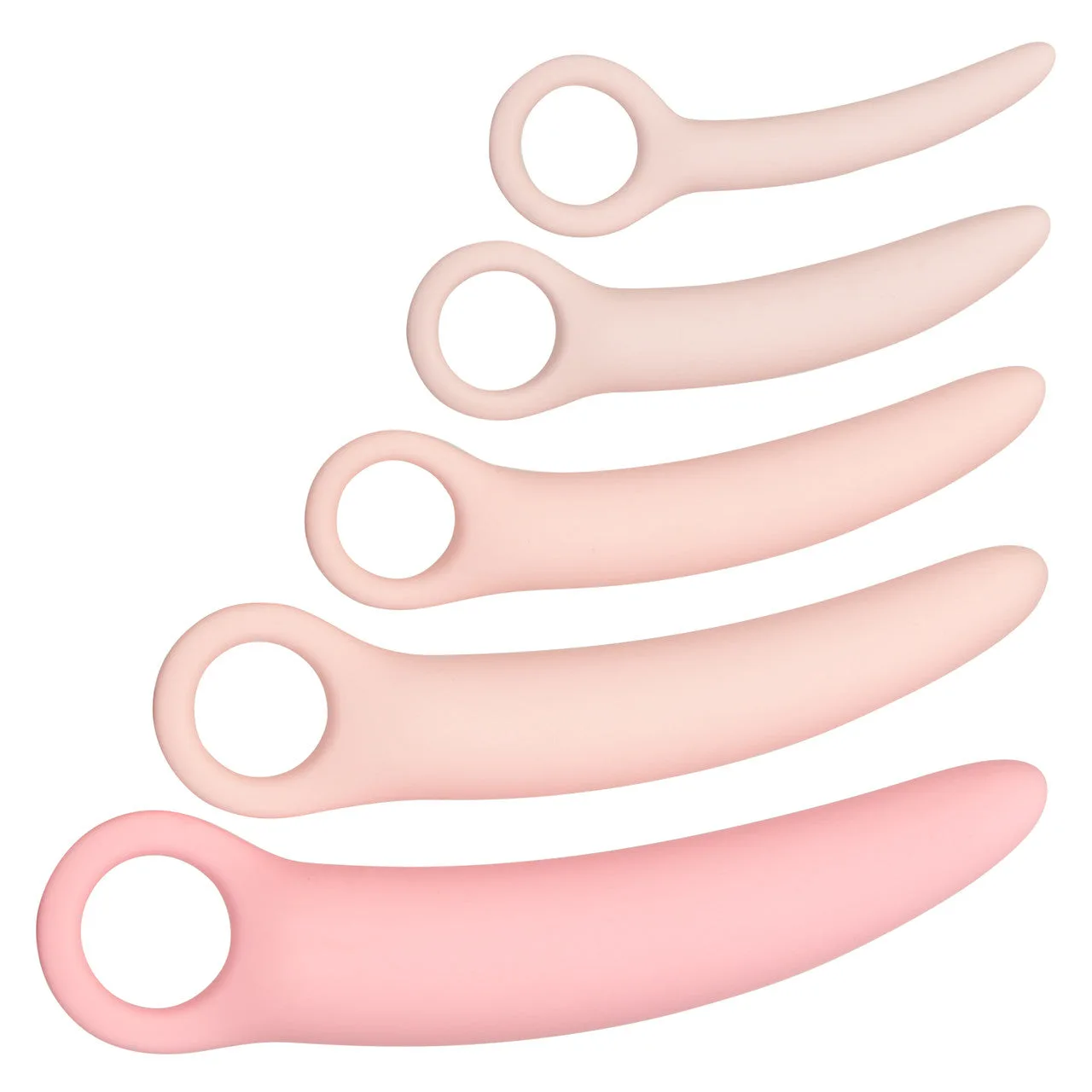
Choose a dilatateur by matching the size to your current comfort level, not to a goal size. Start with a smaller diameter and a smooth, body-safe material, then size up only when insertion is consistently easy. A starter set with multiple sizes saves money and lets you progress without guessing.
Size: Start Where You Are, Not Where You Want to Be
The most common mistake in a dilatateur buying guide is buying the size you hope to reach. Discomfort, spotting, or a burning sensation usually means the diameter is too large for now. A better rule: if you can insert the dilatateur with gentle pressure and no sharp pain, it is the right size for this week. If you have to force it, it is too big.
Diameters are usually measured in millimeters or fractions of an inch. A jump of 1–2 mm is a real step for many people. If you are between sizes, choose the smaller one and add a larger size later. A set that includes a small, medium, and large gives you a clear progression path and is often cheaper than buying three separate pieces.
- Measure your current comfortable diameter, not your goal diameter.
- Increase size only after the current size inserts without resistance.
- A 1–2 mm step is enough for most people; avoid jumping several sizes.
Material and Surface: What Matters for Comfort
Medical-grade silicone is the most common material for dilatateurs because it is non-porous, easy to clean, and can be boiled or washed with mild soap. It also has some flexibility, which can make insertion less intimidating than rigid materials. Glass and surgical steel are firmer and smoother, but they are heavier and can feel cold; they are a good option if you prefer a very slick surface and don't mind the weight.
Surface finish matters as much as material. A smooth, seamless surface reduces friction. If the dilatateur has a seam or a matte texture, use more lubricant. Always use a water-based lubricant with silicone dilatateurs; silicone-based lubricant can degrade silicone over time. For glass or steel, any lubricant type is fine.
- Medical-grade silicone: flexible, non-porous, easy to clean.
- Glass or steel: firmer, smoother, heavier, and compatible with all lubricants.
- Avoid porous materials like jelly rubber; they harbor bacteria and cannot be fully cleaned.
Shape, Curve, and Handling
A slight curve can make insertion easier because it follows the natural angle of the body. A straight dilatateur is simpler to clean and store. If you have limited hand strength or mobility, look for a base that is easy to grip. A flared base is also a safety feature: it prevents the dilatateur from going in too far.
Length is less important than diameter for most people. A shorter dilatateur (around 3–4 inches) is easier to control and less likely to press against sensitive areas. If you are buying your first dilatateur, prioritize a comfortable diameter and a manageable length over a long, thick model.
- A slight curve can help with insertion angle.
- A flared base improves safety and grip.
- Shorter lengths are easier to control when you are learning.
Starter Sets vs. Single Dilatateurs
A dilatateur starter set usually includes three to five sizes. It costs more upfront than a single dilatateur, but it prevents the common cycle of buying one size, outgrowing it, and buying another. Sets also let you test which shape and material you prefer before committing to a larger piece. If you are unsure about your size, a set is the more economical choice.
If you already know your size and material preference, a single high-quality dilatateur is fine. Buy from a seller that lists exact diameters and materials, not just 'small, medium, large.' Without measurements, you cannot compare products or track progress.
- Choose a set if you are new or between sizes.
- Choose a single dilatateur if you know your exact diameter and material.
- Avoid listings that do not state diameter in millimeters or inches.
Care and Cleaning: Keep It Safe
Clean your dilatateur before and after every use with warm water and mild, unscented soap. Silicone can also be boiled for 5–10 minutes or washed with a dedicated toy cleaner. Glass and steel can be boiled or wiped with isopropyl alcohol. Dry it completely before storing it in a clean, breathable pouch. Do not store silicone against other silicone toys; they can fuse.
Inspect the surface regularly for cracks, sticky spots, or discoloration. A damaged surface can harbor bacteria and cause irritation. Replace the dilatateur if the surface is no longer smooth. Lubricant is not optional: use enough so that insertion is comfortable, and reapply as needed.
- Wash with mild soap and water before and after use.
- Boil silicone, glass, or steel to sanitize.
- Store separately from other silicone items.
- Replace any dilatateur with a damaged surface.
Decision rules for buying a dilatateur
- Rule 1: Size by current comfort, not by goal: If you cannot insert the dilatateur with gentle pressure and no sharp pain, it is too large. Drop down one size or choose a smaller diameter in the same style. Checkpoint: no sharp pain, no forced insertion.
- Rule 2: Material first, then shape: Choose medical-grade silicone if you want flexibility and easy cleaning. Choose glass or steel if you prefer a firmer, smoother surface and don't mind weight. Then pick a curve or straight shape based on your comfort. Checkpoint: material is non-porous and compatible with your lubricant.
- Rule 3: A set beats a single if you are unsure: If you don't know your exact diameter, buy a starter set with at least three sizes. If you know your size, buy a single high-quality piece and save the difference for lubricant and storage. Checkpoint: the listing states exact diameters in mm or inches.
- Rule 4: Plan for care before you buy: Confirm you can clean the material with the method you prefer (boiling, soap, or alcohol). Check that you have a storage pouch that keeps it separate from other silicone items. Checkpoint: you have a cleaning routine and a safe storage spot.
Product facts
- STP 1 / STAND TO PEE 4.5 po: STP 1 / STAND TO PEE 4.5 po is a flaccid, realistic penile prosthesis made from medical-grade silicone, designed for standing to urinate, with a reservoir and sealed edges to prevent overflow. If you want a single device that can serve as a packer and an STP, this combines two functions, but it is not a dilatateur and should not be used for dilation.
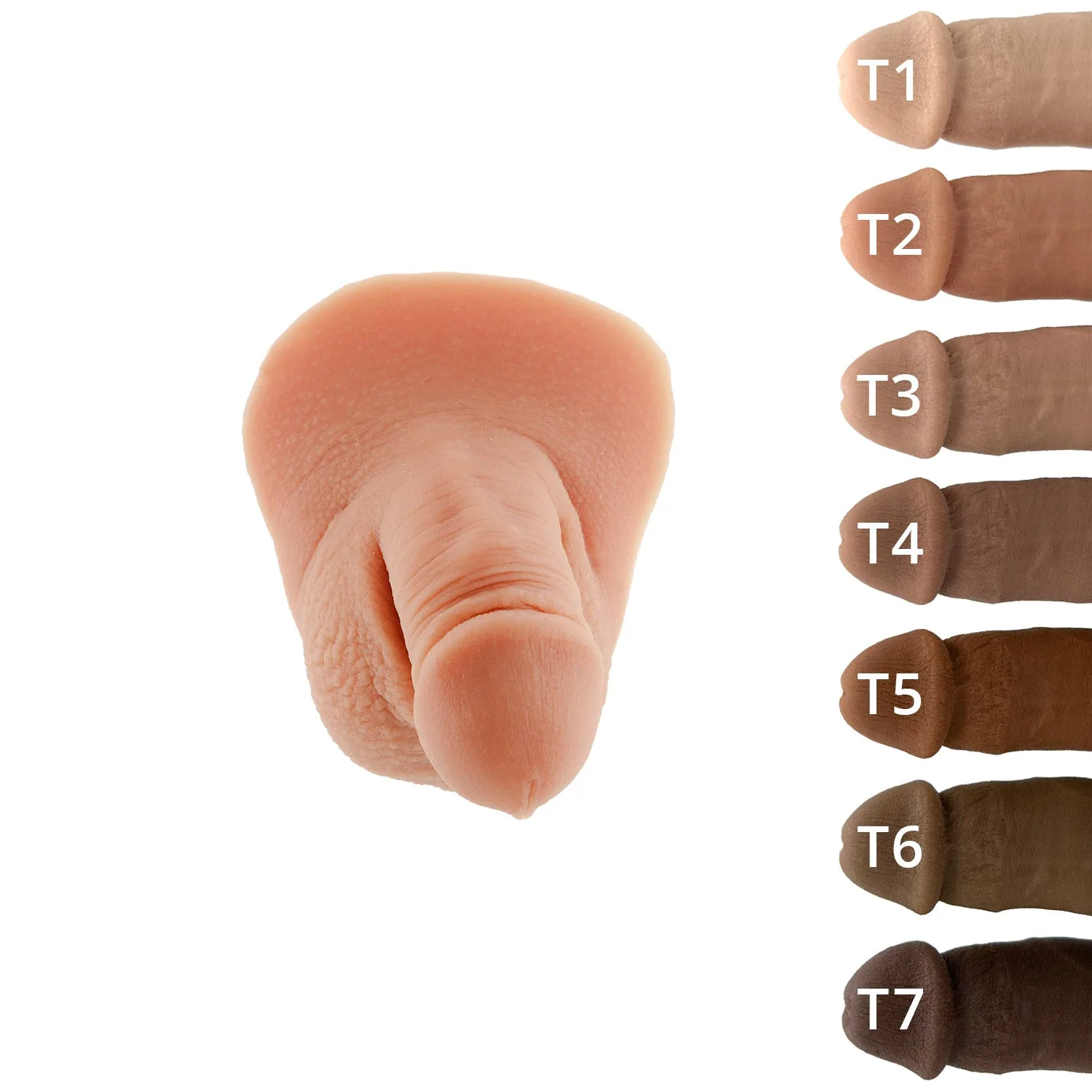
- SP7 / SOFT PACKER: SP7 / SOFT PACKER is a handmade soft packer with a medium packing size, 9 cm (3.5 in) shaft length, 10 cm (4 in) circumference, and 201 g weight, available in skin tones. This is a packing prosthesis, not a dilatateur; its soft material and weight are chosen for daily wear and comfort, not for dilation.
- TRANSTAPE® Rouleau large 5 pouces: TRANSTAPE® Rouleau large 5 pouces is a 5-inch wide, 5-meter roll of 95% cotton and 5% spandex with medical-grade acrylic adhesive, available in 4 skin tones, and typically lasts about 2 months with average use. This is a body tape for binding or tucking, not a dilatateur; it is relevant if you are also managing chest or tucking needs, but it does not replace a dilatateur.
Who this is for
Best for
- Anyone buying their first dilatateur and unsure about size
- People who want a clear progression path with a starter set
- Shoppers who prioritize comfort and easy cleaning
Not for
- People who need a packer or STP device instead of a dilatateur
- Anyone looking for a single fixed size without room to progress
- Shoppers who cannot verify the material or exact diameter from the listing