Why Block Height Matters in Yoga
Cork yoga blocks bring a firm, stable surface that can bring the floor closer or lift you higher. The height you choose influences how deeply you can stretch, how comfortably you can rest in a supported pose, and how much confidence you feel when balancing.
The right height depends on your body proportions, your current flexibility, and the specific poses you want to modify. Cork blocks are naturally dense and grippy, so they stay put even under weight—making height the primary variable to consider.
Two Cork Block Options at a Glance
-
cork block 3": Slightly smaller than the average yoga block, place it on any of its three levels to delve deeper or lift higher. This smaller block works well for practitioners who need a modest lift—perhaps for seated poses, under the hand in standing balances, or as a gentle support under the sacrum. Its three heights let you fine-tune without a bulky prop.
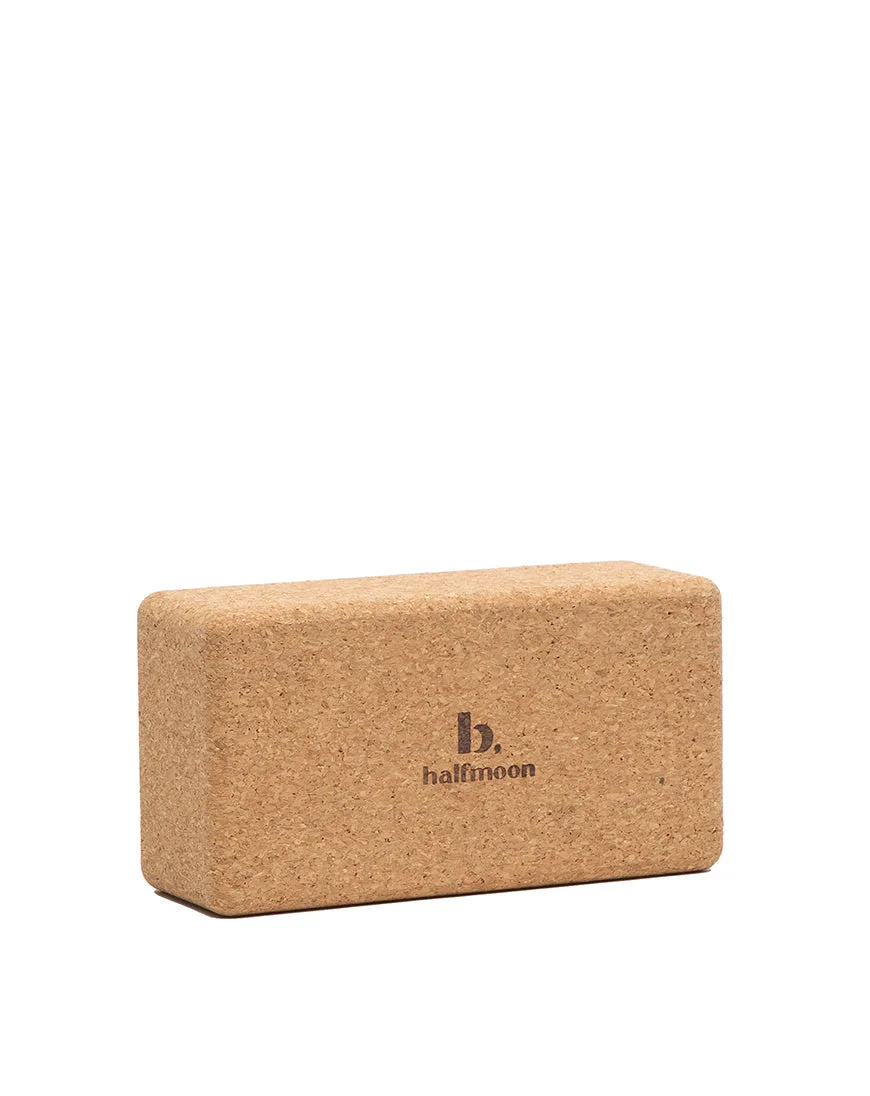
cork block 3"
-
cork block 4": The larger of our two cork yoga blocks – feel empowered to lengthen, deepen, and embrace support in each pose, transition, and posture. A taller block provides more lift, which can be essential for deeper forward folds, side bends, or supported bridge pose. It also offers a broader surface for stability if you have longer limbs or less flexibility.
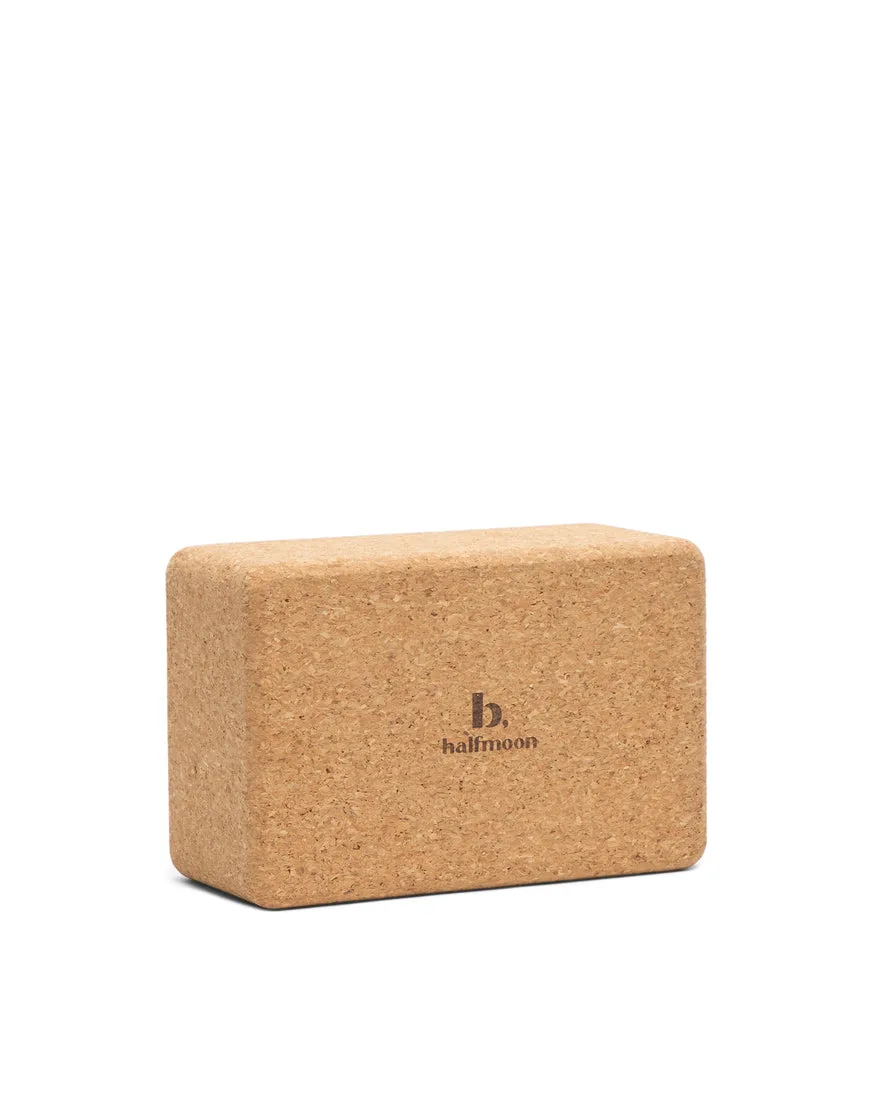
cork block 4"
How Your Body and Practice Influence the Choice
Your arm length and torso height affect how far the floor feels. If you have shorter arms or a longer torso, the larger block can bring the ground closer in standing poses like Triangle or Half Moon. Conversely, if you are tall but flexible, the smaller block may be enough to take the strain off your hamstrings without pushing you too far.
For restorative or yin-style poses where you hold longer, a larger block under the head or back can feel more supportive. For vinyasa flows where you move quickly, the smaller block is lighter and easier to reposition between poses.
Material and Grip: Cork vs Foam
Both cork blocks from b, mat & other movement are made from firm natural cork. Cork is naturally textured, so it grips your mat and your hands even when sweat appears. It does not compress like foam, which means the height you choose stays consistent throughout your practice. The gently rounded corners and edges on both blocks add comfort without sacrificing stability.
How to Test Which Height Works for You
- Check your forward fold: Stand with feet hip-width apart and fold forward. If your hands barely graze the floor, try the larger block under each hand. If your palms already rest flat, the smaller block can add a gentle lift for a deeper stretch.
- Try a supported bridge: Lie on your back with knees bent. Slide a block under your sacrum. The larger block lifts higher and may feel more supportive if your lower back is tight. The smaller block offers a milder curve.
- Use both blocks together: Many practitioners own one of each. The smaller block can go under a hand in a twist while the larger supports the opposite hip. Having both expands your options without a big investment.
What the Catalog Does Not Settle
The product records confirm the cork material, the three usable heights on each block, and the relative size difference. They do not specify exact dimensions in inches or centimeters. For precise measurements, refer to the product page or contact customer support. Your own body and practice will ultimately tell you which height feels most supportive.