Quick Answer
For most dovetail jigs, choose a router bit that matches the jig's specified angle and shank size; a 14° bit works with common Leigh and Incra jigs, while an 8° bit suits specific Leigh templates. Whiteside offers direct replacements for both.
Why Angle and Size Matter
Dovetail jigs are designed around specific bit angles. Using the wrong angle can result in loose joints or a poor fit. The angle is the slope of the dovetail pin and tail, and it affects both the look and the strength of the joint. Common angles are 8° and 14°, with 14° being the most popular for through dovetails.
The cut diameter and cut depth determine the size of the dovetail and the thickness of the stock you can join. A bit with a larger cut diameter creates larger pins and tails, which may not fit the template guides of your jig. Always check the jig's manual for the recommended bit specifications.
Shank Size and Compatibility
Most dovetail jigs use 1/4" shank bits, but some jigs or routers may accept 8mm or 1/2" shanks. The shank must match your router's collet. A 1/4" shank is common and widely available, but 8mm shanks are also offered for certain international or specialized routers.
When choosing a replacement bit, verify the shank size. Using the wrong shank can cause vibration or unsafe operation. Whiteside bits are made in the USA and designed as direct replacements for specific jig models, so check the product description for compatibility.
How to Choose the Right Dovetail Bit for Your Jig
- Check your jig's angle requirement: Look up the recommended dovetail angle in your jig's manual. If it's 14°, choose a 14° bit; if it's 8°, choose an 8° bit. Using the wrong angle will result in loose or tight joints.
- Match the shank to your router collet: Most jigs use 1/4" shanks, but verify your router's collet size. If you have an 8mm collet, look for an 8mm shank bit, like the 8° bit which is also available in 8mm shank. Check your router's collet size before ordering.
- Consider the cut diameter and depth: The cut diameter affects the size of the dovetail and must match the jig's template. The cut depth must be at least the thickness of your stock. For example, a 1/2" cut depth works for 1/2" thick stock, but for thicker stock you need a deeper cut. Measure your stock thickness to ensure the bit's cut depth is sufficient.
Product Facts
-
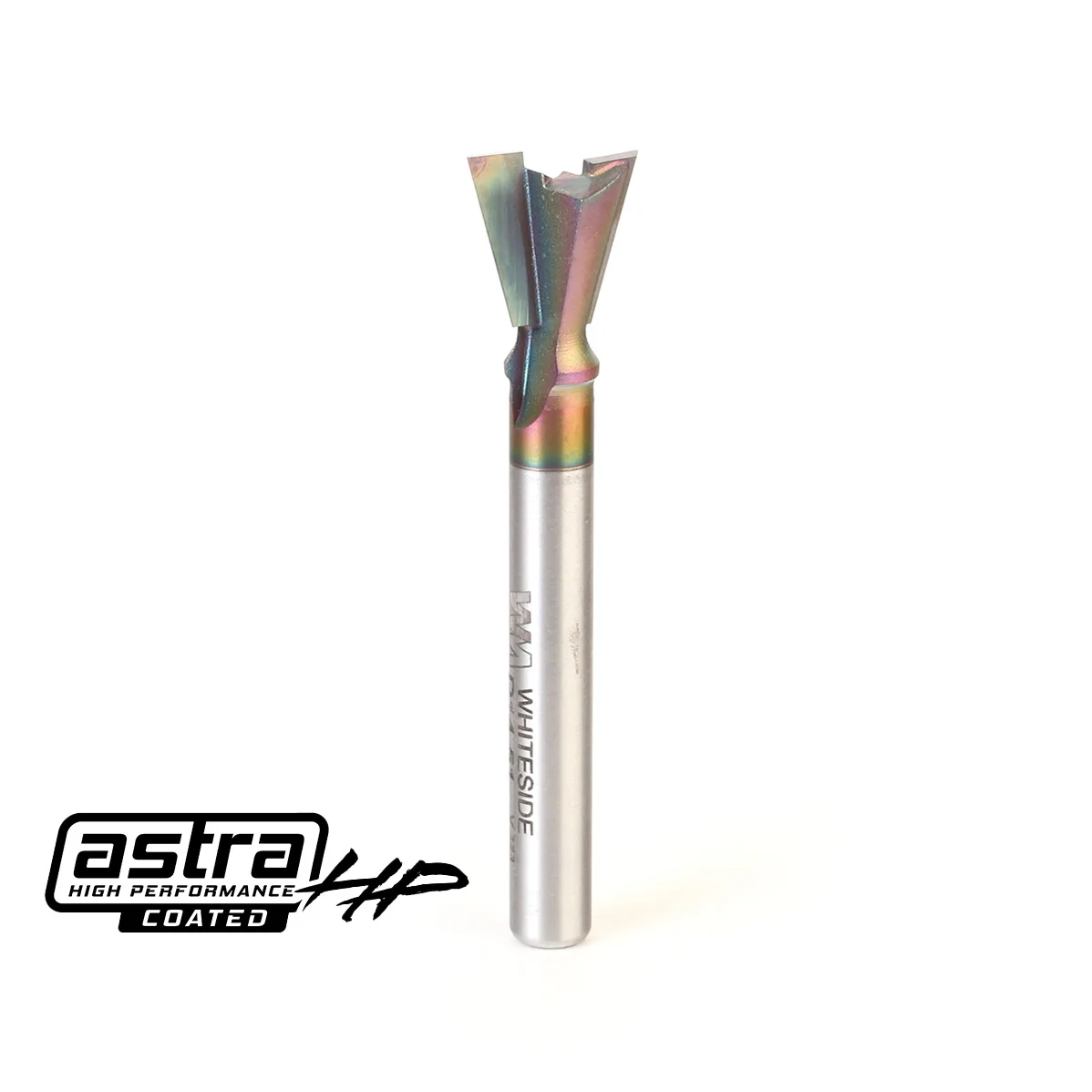
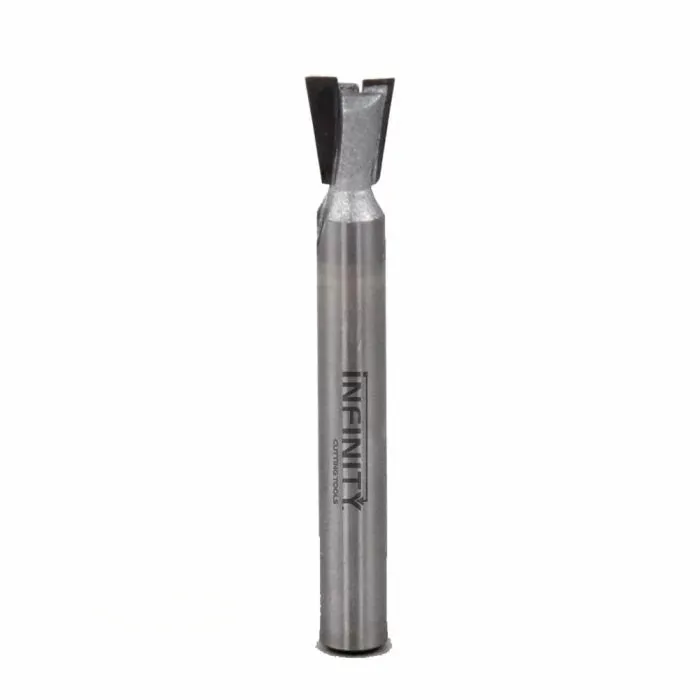
8° Dovetail Router Bit x 7/16″ Dia. (Replacement for Leigh #75)- Whiteside D8-437: 8° dovetail router bit, 1/4" shank, 7/16" cut diameter, 5/8" cut depth, replacement for Leigh #75. This bit matches the 8° angle required by Leigh #75 templates, giving you a direct replacement that maintains the jig's precision.
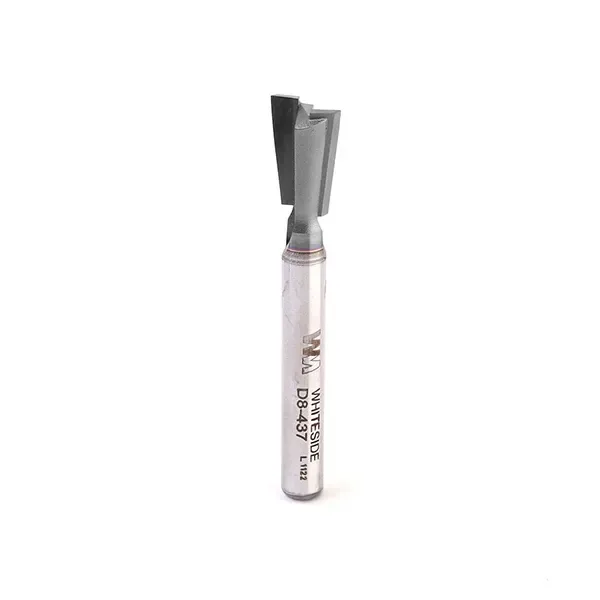
8° Dovetail Router Bit x 7/16″ Dia. (Replacement for Leigh #75)- Whiteside D8-437
-
14° Incra Dovetail Router Bit x 17/32″ Cut Diameter – Whiteside D14-531: 14° dovetail router bit, 1/4" shank, 17/32" cut diameter, 1/2" cut depth, replacement for Incra dovetail bits. If you own an Incra jig, this bit matches the 14° angle and cut diameter, ensuring proper fit and clean cuts.
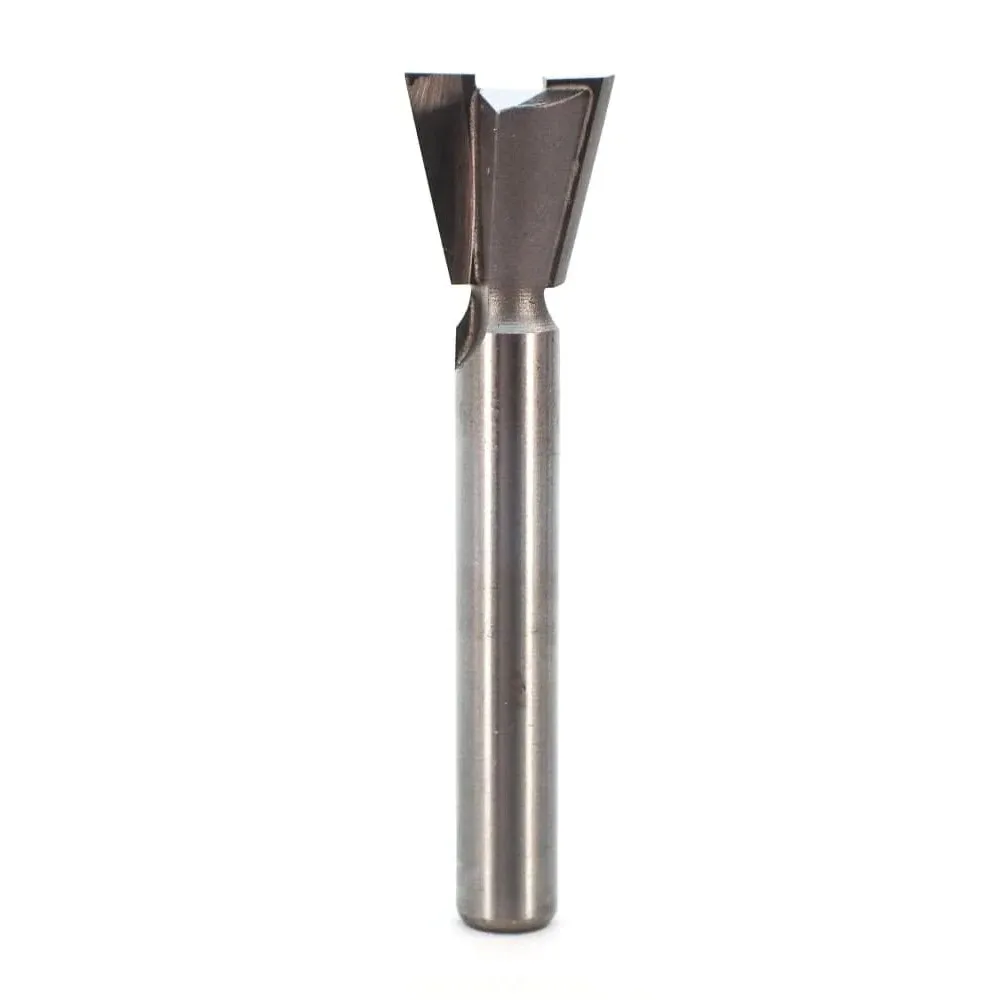
14° Incra Dovetail Router Bit x 17/32″ Cut Diameter – Whiteside D14-531
-
14° Leigh Dovetail Router Bit #120 – 1/2″ Dia. x 1/4″ Shank – Whiteside D14-51: 14° dovetail router bit, 1/4" shank, 1/2" cut diameter, 1/2" cut length, replacement for Leigh #120. This is a popular choice for Leigh jigs that require a 14° bit, offering a robust design suitable for cabinets and drawers.
Who Should Use These Bits
Best for
- Woodworkers using Leigh or Incra dovetail jigs who need a direct replacement bit
- DIYers and professionals who want a reliable, made-in-USA bit for cabinet and drawer joinery
Not for
- Those using a jig that requires a different angle (e.g., 7° or 11°) should seek a bit matching that angle
- Projects with stock thicker than the bit's cut depth (e.g., 1/2" cut depth won't handle 3/4" stock)