Deciding Between a Single Model and a Full Set
If you are teaching the circulatory system, a detailed heart model is a natural starting point. But you may also be considering a broader human anatomy models set that includes the heart alongside the brain, torso, and skeleton. The right choice depends on your curriculum scope, available display space, and budget.
This guide compares two options from the same product line so you can see exactly what changes when you move from a single organ to a full-body approach.
Two Anatomy Options at a Glance
-
Heart Anatomy Model: 29-Piece miniature plastic model of the heart measures 5"H when assembled. Includes stand, fact guide, and photo-illustrated assembly instructions. Features superior and inferior venae cavae, right and left atria, tricuspid valve, right and left ventricles, pulmonary artery, mitral valve, aortic valve, and aorta. Opens when assembled so students can explore from the inside. This standalone heart model gives you a focused, hands-on look at the heart's internal structures. It is compact enough for a single station or small group work.
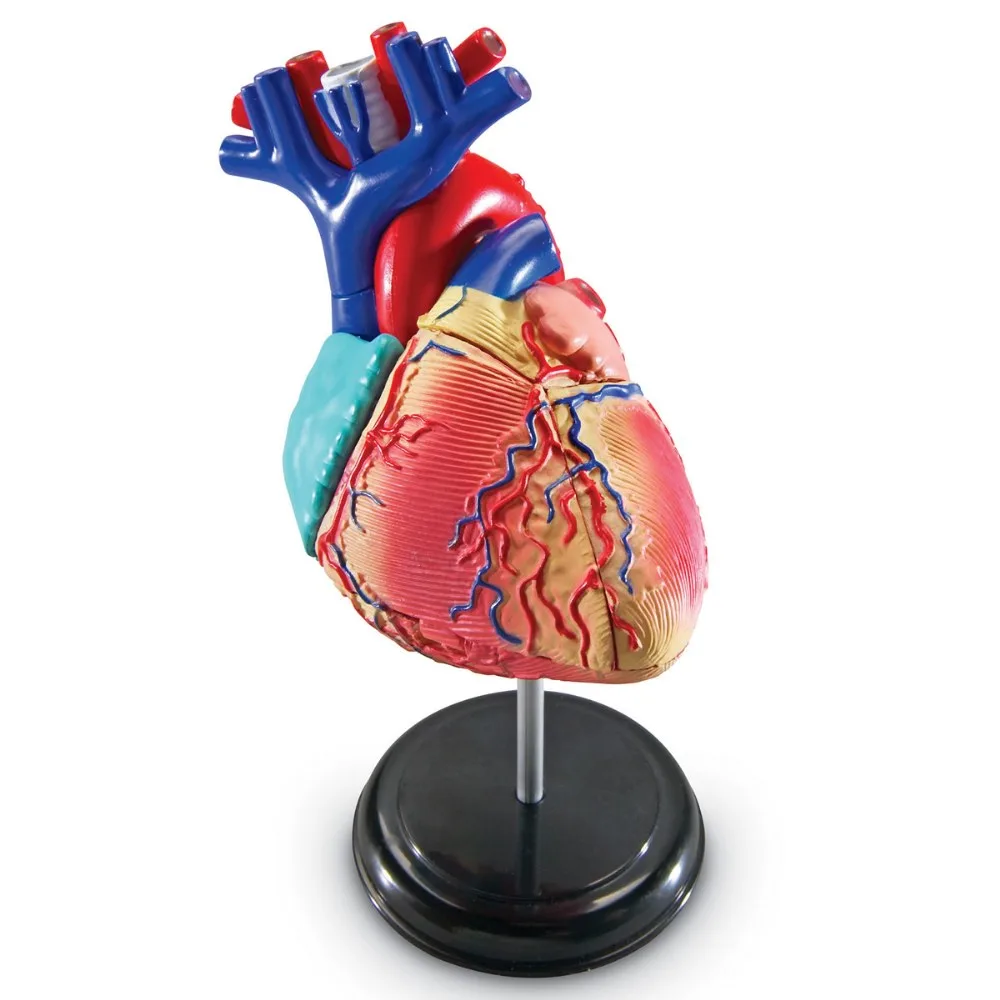
Heart Anatomy Model
-
Human Anatomy Models Set - Includes Brain, Heart, Body and Skeleton: 132-piece set includes four models: heart (29 pieces, 5"H), brain (31 pieces, 3.75"H), human body torso (31 pieces, 4.5"H), and skeleton (41 pieces, 9.25"H). Each model comes with its own display stand and guide. The heart model in this set is identical to the standalone version. The set gives you the same heart model plus three other systems for a comprehensive anatomy unit. The trade-off is a higher upfront cost and more storage space needed.
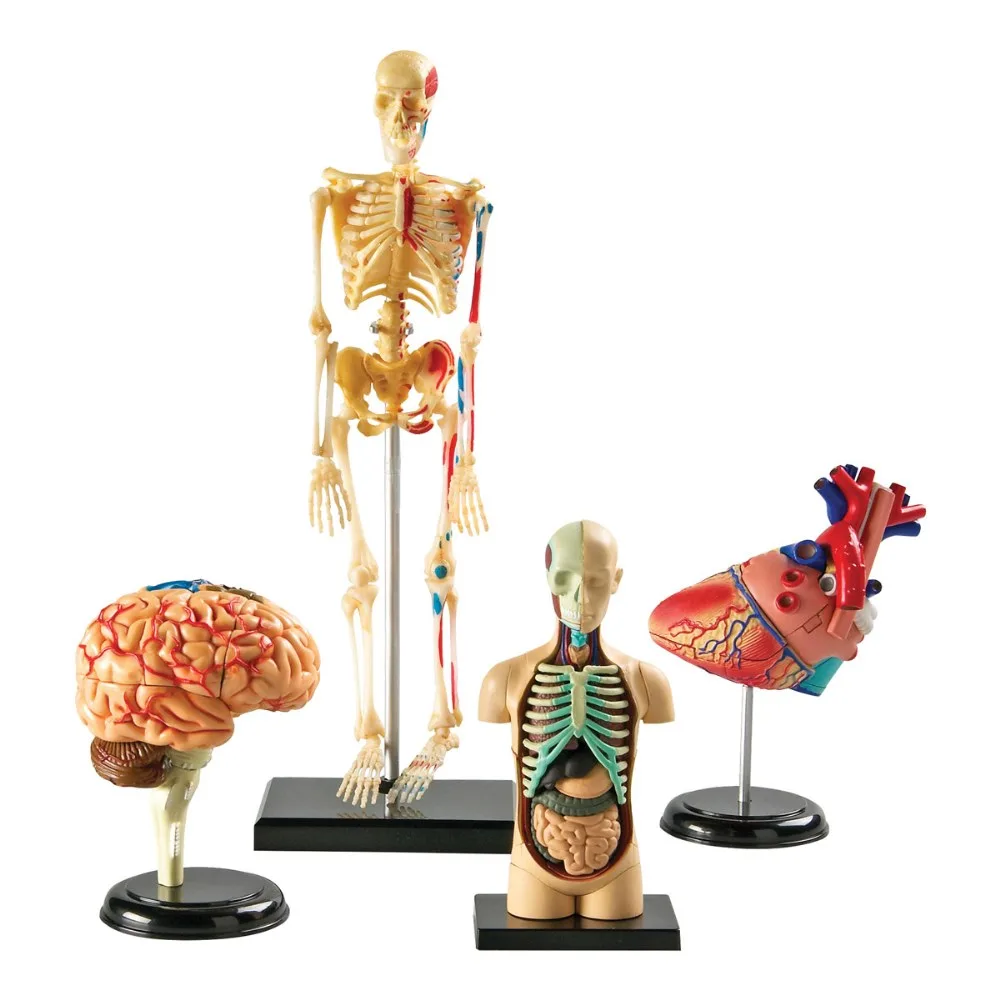
Human Anatomy Models Set - Includes Brain, Heart, Body and Skeleton
Standalone Heart Model vs. Full Anatomy Set: Key Differences
- Number of pieces: The single heart model has 29 pieces. The set has 132 pieces across four models.
- What you can teach: With the single model you focus on the heart and circulatory system. With the set you can cover the brain, skeleton, and organ systems in one purchase.
- Display and storage: The heart model is 5"H and takes up very little shelf space. The set's tallest model is 9.25"H; you will need room for four display stands.
- Price: The standalone heart model is priced at USD 21.75 (catalog comparison price USD 32.95). The full set is USD 86.33 (catalog comparison price USD 126.95).
- Grade level: Both products are labeled Grades 3 & up.
When the Single Model Makes Sense
If your curriculum this year is focused on the circulatory system, the standalone Heart Anatomy Model is enough. It includes the same detailed features as the one in the set — the venae cavae, atria, ventricles, and valves — and it opens so students can see inside. You can place it in a science center for small-group exploration without dedicating a whole table to multiple models.
The lower price also makes it easier to buy two or three for larger classes, letting more students handle the model at once.
When the Full Set Is the Better Investment
If you teach multiple body systems across the year, the Human Anatomy Models Set gives you four coordinated models that build on each other. Students can compare the heart's structure to the brain, see how organs fit inside the torso, and study the skeleton that supports everything. The set's photo-illustrated instructions for each model make assembly straightforward.
The set is also a good choice if you share resources across grade levels — one teacher might use the skeleton while another uses the torso model.
What the Supplied Information Does Not Cover
The catalog records confirm the models are plastic and intended for Grades 3 and up, but they do not list specific safety certifications, recommended cleaning methods, or whether the models can withstand repeated assembly and disassembly. For classrooms with younger students, the listed age minimums should be respected, and adult supervision is advisable during assembly due to small parts.
If durability and long-term use are major concerns, you may want to contact the manufacturer directly for additional care guidance.