Selecting the right bonding agent is one of the most critical decisions in restorative dentistry. The adhesive you choose directly impacts the longevity of your restorations, postoperative sensitivity, and overall clinical success. With a myriad of options available, from etch-and-rinse to self-etch and universal systems, making an informed choice can be challenging.
This guide will walk you through the key considerations in dental bonding agent selection, helping you understand the differences between adhesive systems and how to match them to your clinical needs. Whether you're a seasoned practitioner or a recent graduate, this comprehensive overview will refine your adhesive choice process.
Understanding Adhesive Systems
Bonding agents are categorized by their etching and priming approach. Etch-and-rinse systems, also known as total-etch, involve a separate phosphoric acid etching step followed by rinsing and drying. These adhesives provide excellent bond strengths and are well-documented in the literature. However, they are technique-sensitive and can lead to postoperative sensitivity if the dentin is over-dried or over-etched.
Self-etch adhesives combine the etchant and primer in one step, simplifying the procedure and reducing technique sensitivity. They are particularly advantageous when bonding to dentin, as they do not require rinsing, minimizing the risk of collagen collapse. However, they may not achieve the same enamel bond strength as etch-and-rinse systems, especially on uncut enamel.
- Etch-and-rinse: high bond strength, but requires precise moisture control.
- Self-etch: less technique-sensitive, ideal for dentin bonding.
The Rise of Universal Adhesives
Universal adhesives have gained popularity because they can be used in either etch-and-rinse or self-etch mode, offering flexibility for various clinical scenarios. They typically contain functional monomers like MDP (10-methacryloyloxydecyl dihydrogen phosphate) that chemically bond to hydroxyapatite, enhancing adhesion to both enamel and dentin. This versatility makes them an excellent choice for practices that want to streamline their adhesive inventory.
When selecting a universal bond, consider its compatibility with different restorative materials, including resin composites, glass ionomers, and ceramics. Many universal adhesives also bond well to indirect restorations, reducing the need for separate primers. For practices performing a wide range of restorative procedures, a universal system can simplify workflows and improve efficiency.
- Universal adhesives offer dual-mode application (etch-and-rinse or self-etch).
- Look for MDP-containing formulations for durable chemical bonding.
Key Factors in Adhesive Choice
When deciding on a bonding agent, consider the clinical situation. For deep Class II or Class V restorations where dentin is predominantly exposed, a self-etch or universal adhesive in self-etch mode may minimize postoperative sensitivity. Conversely, for enamel-heavy preparations like veneers or orthodontic brackets, an etch-and-rinse approach can provide superior enamel etching.
Another factor is the moisture control in the operative field. If complete isolation is challenging, a self-etch adhesive with a solvent that tolerates slight moisture may be more forgiving. Additionally, consider the curing time and light requirement; some adhesives require light curing, while others are dual-cure for use with opaque materials.
- For deep dentin, choose a self-etch or universal adhesive to reduce sensitivity.
- For enamel bonding, opt for etch-and-rinse for maximum bond strength.
- Assess your isolation capabilities to select a moisture-tolerant adhesive.
Application Tips for Reliable Bonding
Regardless of the adhesive you choose, proper application is crucial. Ensure the tooth surface is clean and free of debris. When using an etch-and-rinse system, apply etchant to enamel for 15-30 seconds and dentin for 10-15 seconds, then rinse thoroughly. Maintain a slightly moist dentin surface, as over-drying can cause collagen collapse and reduce bond strength.
For self-etch and universal adhesives, follow the manufacturer's instructions for scrubbing time and air-thinning. Most adhesives require multiple coats to ensure adequate coverage. After air-drying, light-cure for the recommended duration. Using a delivery system that allows precise placement can enhance the application, such as the Skini Delivery Syringe, which provides controlled dispensing for consistent adhesive layers.
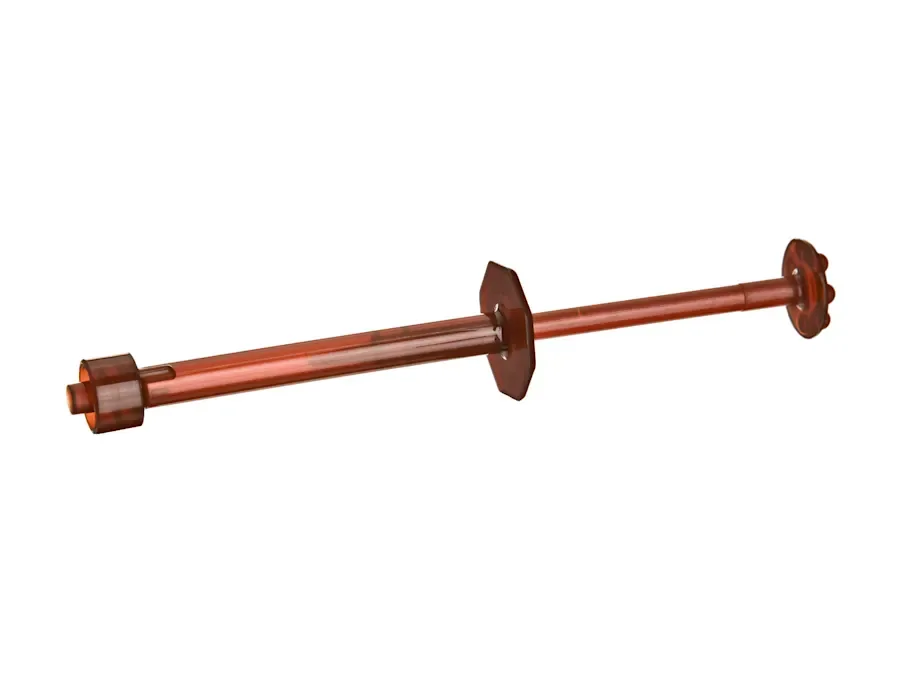
Skini Delivery Syringe
- Always follow the manufacturer's instructions for application time and curing.
- Use a clean, dry brush for each application to avoid contamination.
Pairing Your Adhesive with the Right Accessories
The success of your bonding procedure also depends on the accessories you use. For instance, precise etching is essential; using a reliable etchant like Ultra-Etch Etchant ensures consistent enamel conditioning. Additionally, proper isolation and matrix systems can improve the bonding environment. For Class II restorations, the Omni-Matrix Disposable Retainer and Matrix helps create a tight contact, reducing the risk of contamination during bonding.
When placing composite increments, use appropriate instruments to avoid disturbing the adhesive layer. For precise placement, consider using a delivery syringe like the Skini Delivery Syringe for both adhesive and flowable composites. These tools allow you to place materials exactly where needed, minimizing waste and improving adaptation.
- Use a high-quality etchant for consistent results.
- Matrix systems help maintain a dry, clean field for bonding.
Common Pitfalls to Avoid
One of the most common mistakes in bonding is over-etching or under-rinsing. Over-etching dentin can lead to demineralization that is too deep, while under-rinsing leaves residual acid that can interfere with polymerization. Another pitfall is applying the adhesive too thickly or unevenly, which can trap solvent and lead to voids.
Additionally, contamination from saliva or blood can compromise the bond. Always use rubber dam isolation whenever possible. If contamination occurs, re-etch and re-apply the adhesive. Finally, ensure that your curing light is functioning properly and that you cure for the full recommended time. Inadequate curing can lead to weak bonds and premature restoration failure.
- Avoid over-etching dentin; follow recommended times.
- Use rubber dam isolation to prevent contamination.
- Regularly check your curing light intensity.
Choosing the right bonding agent is a balance of understanding material science, clinical application, and patient needs. By familiarizing yourself with etch-and-rinse, self-etch, and universal systems, you can make an informed adhesive choice that enhances the longevity of your restorations. Remember to pair your adhesive with high-quality accessories and follow meticulous technique. Explore our range of bonding essentials, including the Ultra-Etch Etchant and Skini Delivery Syringe, to elevate your restorative work.