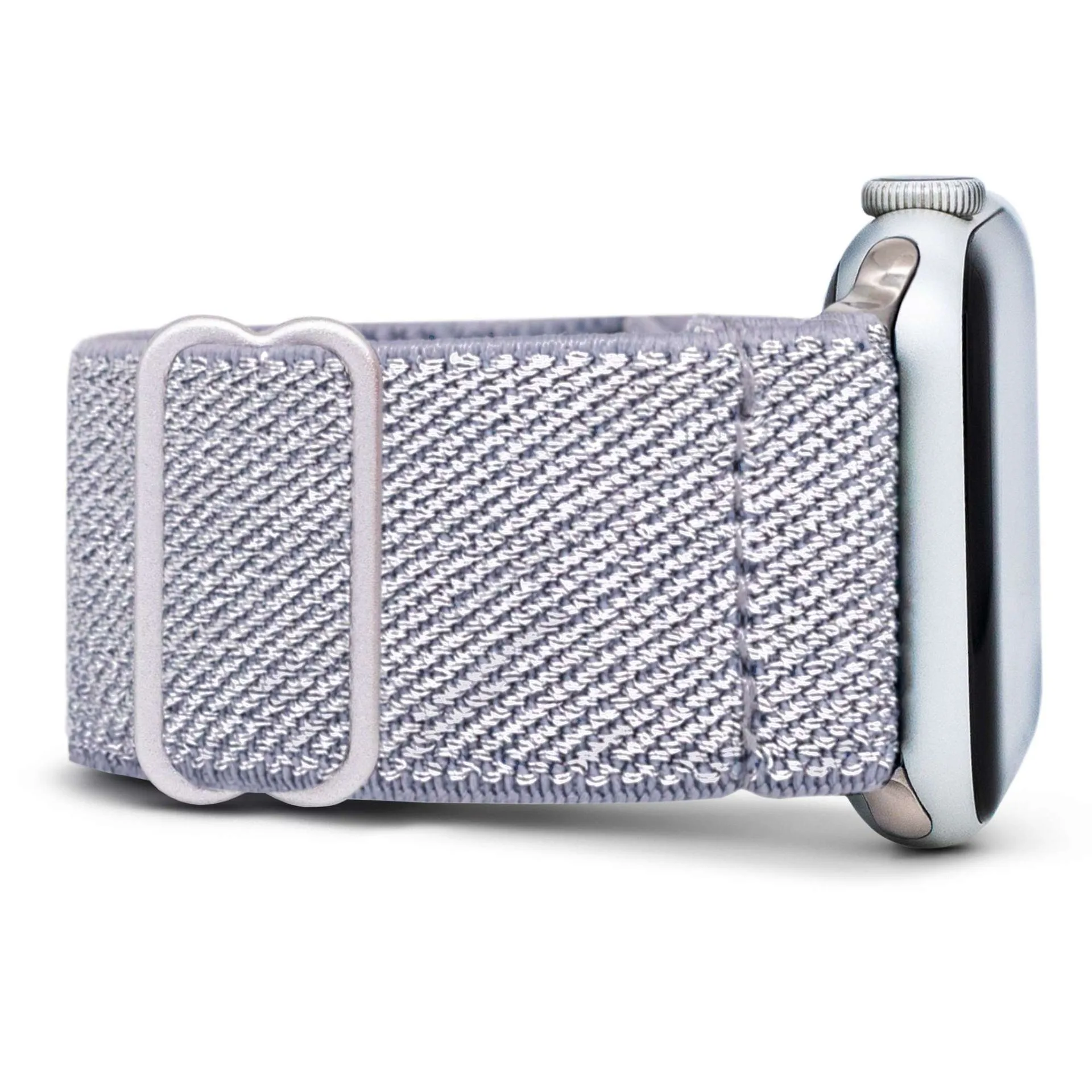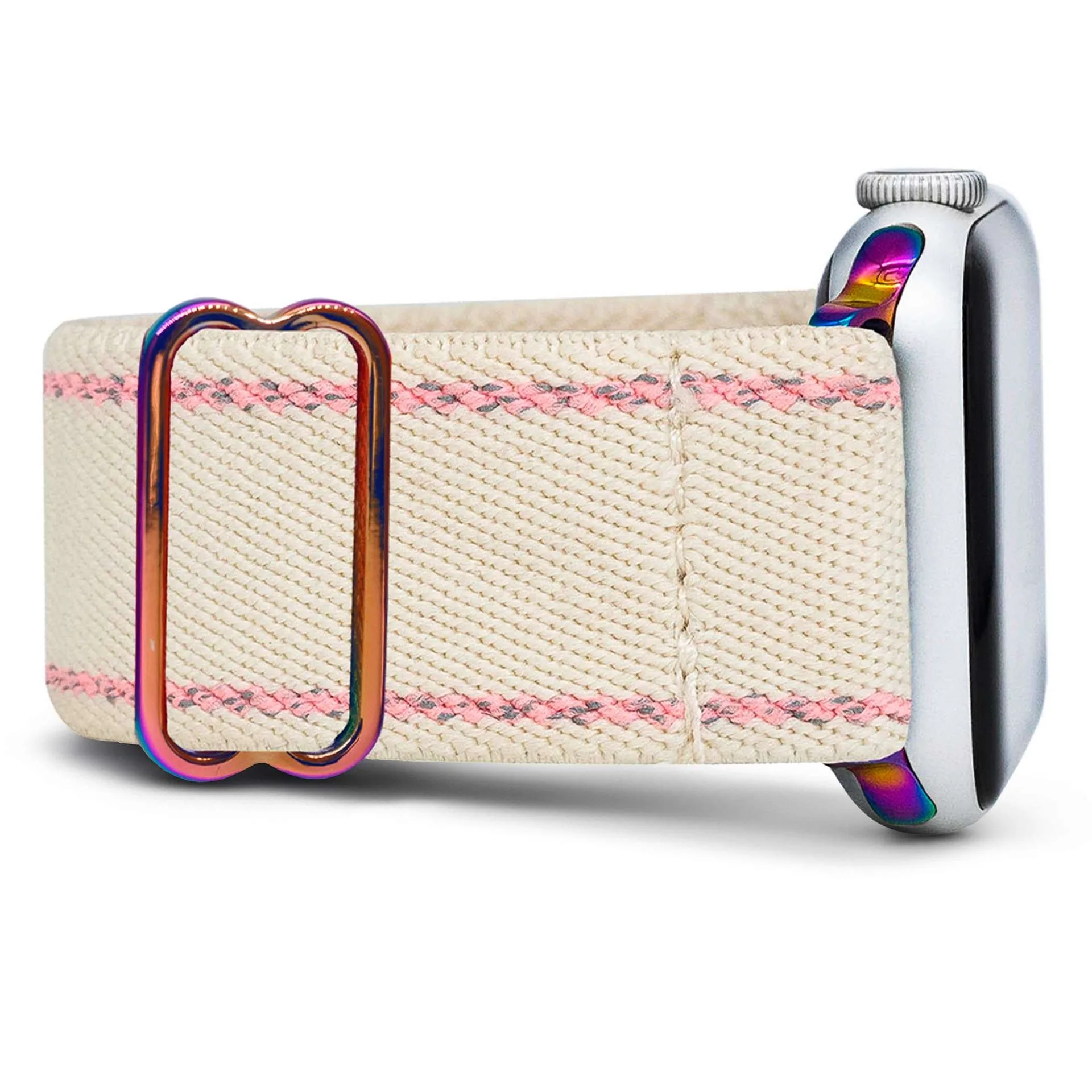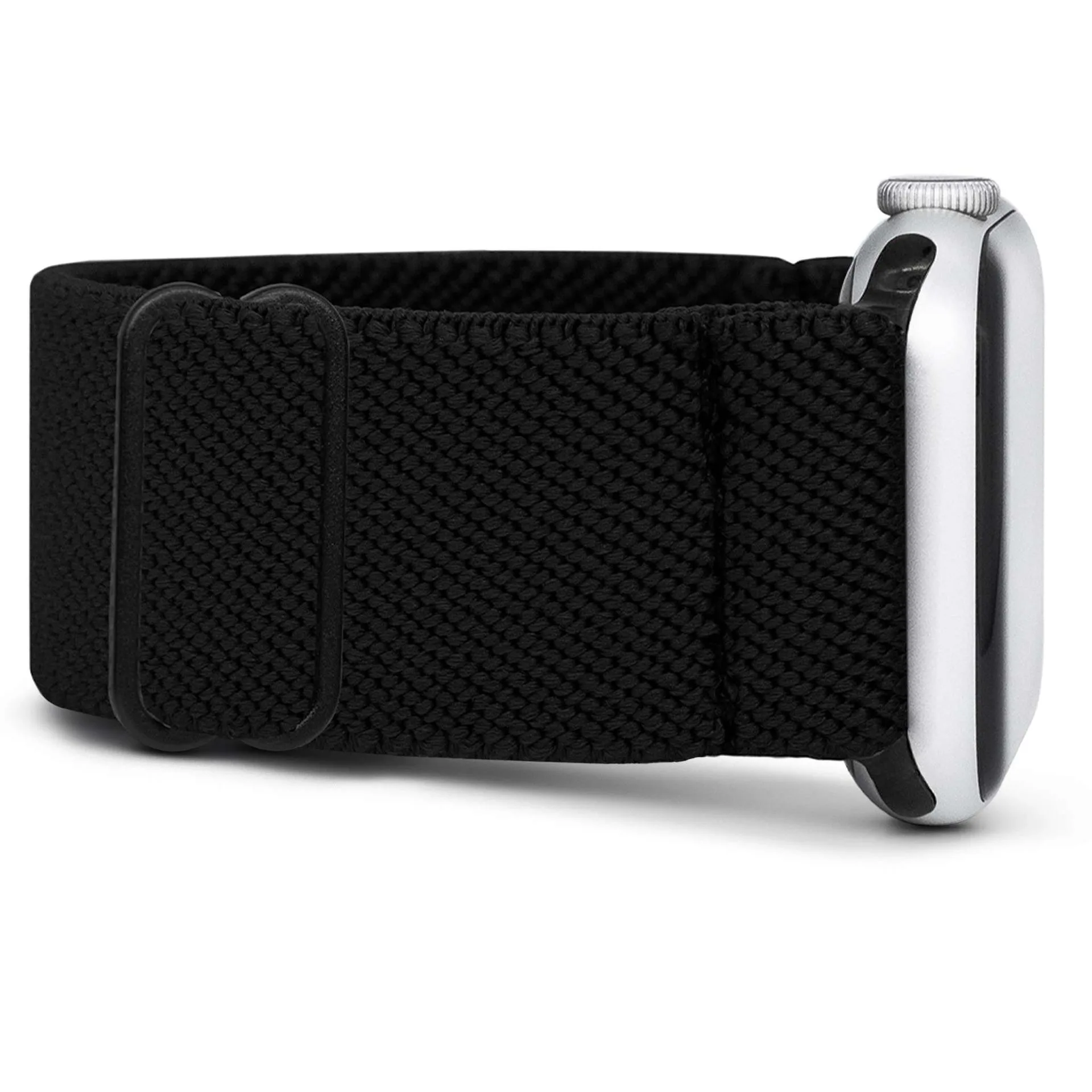
Whether you're sewing a pair of comfortable pajama pants, crafting a custom face mask, or building a DIY slingshot for a science fair, the humble elastic band is often the unsung hero of your project. But with so many options on the market—fold-over elastic, braided elastic, knit elastic, and more—how do you know which one is right for your specific needs? This comprehensive guide will walk you through the essential factors to consider when choosing an elastic band for your DIY project, helping you avoid common pitfalls and achieve professional results every time.
Understanding Elastic Band Types
Before you can make an informed choice, it's important to understand the basic categories of elastic bands. Each type has distinct properties that make it suitable for different applications. Let's break down the most common types you'll encounter in the DIY world.
Braided Elastic
Braided elastic is made by weaving strands of rubber or latex together with fibers like cotton or polyester. It is the most widely available and affordable option. Its distinct ribbed texture is visible on both sides. Braided elastic is excellent for light- to medium-weight projects such as children's clothing, waistbands for skirts and pants, and craft items. However, it tends to narrow significantly when stretched, which can cause it to roll or twist inside a casing. For projects where the elastic sits directly against the skin, you may want to consider a softer alternative.
Knit Elastic
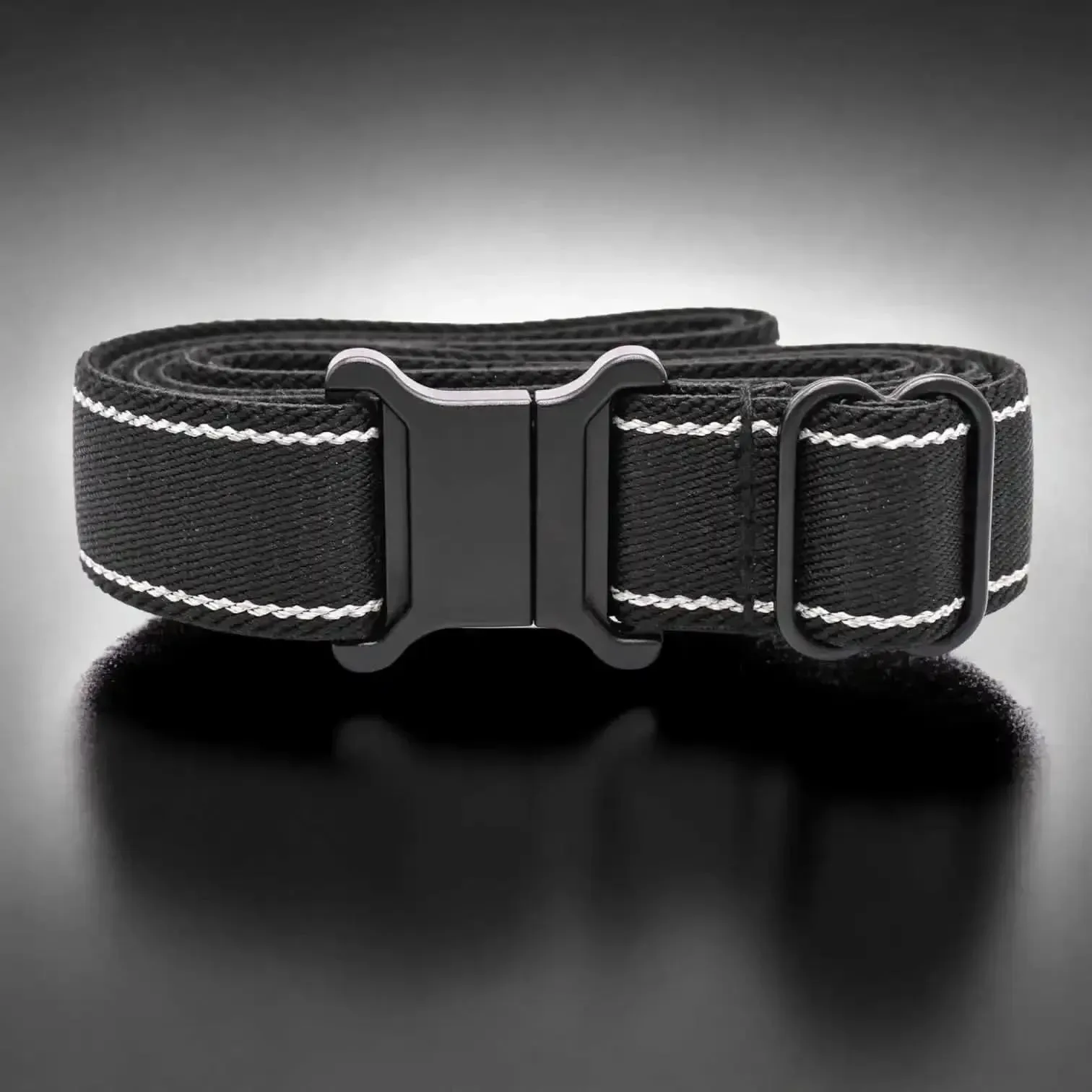
Knit elastic, also called woven elastic, has a soft, fabric-like texture and does not narrow when stretched. This makes it ideal for applications where the elastic will be directly sewn onto the fabric or used in a casing. It is highly durable and resistant to washing and drying, making it a favorite for swimwear, activewear, and heavy-duty clothing like jeans or work pants. Knit elastic is also a great choice for medical or orthopedic uses, such as knee braces or support bands, because it maintains consistent pressure without digging in.
Fold-Over Elastic (FOE)
Fold-over elastic is flat on one side and has a slight groove in the middle, allowing it to be folded over raw fabric edges to create a clean, finished look. It is commonly used for hair ties, headbands, lingerie, and the edges of baby blankets. FOE is stretchy and comfortable against the skin, but it is not as strong as braided or knit elastic. It works best for light-duty projects where aesthetics matter as much as function.
Clear Elastic
Clear elastic is made from a transparent, rubber-like material (often polyurethane). It is incredibly strong and stretchy, yet nearly invisible when sewn into a seam. This makes it perfect for stabilizing shoulder seams in knit tops or preventing waistbands from stretching out of shape over time. Clear elastic is also used in dance costumes, swimwear, and delicate fabrics where a visible band would detract from the design.
Specialty Elastics
Beyond the standard types, there are specialty elastics designed for specific uses. For example, buttonhole elastic has pre-cut holes to allow for adjustable closures in children's clothing or medical garments. Elastic cord is a round, cord-like version used for drawstrings, ponytail holders, and jewelry making. Shirring elastic is fine and designed for gathering fabric to create stretchy smocking effects.
Key Factors to Consider When Buying Elastic
Now that you know the types, let's examine the critical factors that will guide your decision for any DIY project.
1. Stretch and Recovery
The most important mechanical property of any elastic band is its ability to stretch and then return to its original length (recovery). A good elastic should stretch at least 100% of its original length and snap back without sagging. Low-quality elastics may stretch too much or lose their recovery after a few washes, leaving your project baggy and unappealing. Always test a small piece of elastic before committing to a large project. Pull it firmly and release—if it stays stretched or feels limp, choose a different product.
2. Width and Thickness
Elastic comes in widths ranging from 1/4 inch to 2 inches or more. The width you choose depends on the application:
- 1/4" to 1/2": Ideal for lightweight fabrics, casings in children's clothing, hair accessories, and small craft items.
- 3/4" to 1": The most common width for waistbands, necklines, and home decor projects like fitted sheets or cushion covers.
- 1.5" to 2": Used for heavy-duty waistbands, back braces, or support belts where even pressure distribution is needed.
Thickness also matters. Thicker elastics are more durable but can be harder to sew through on a home machine. Thin elastics are easier to work with but may not hold up to frequent stretching.
3. Material Composition
Elastic bands are typically made from natural rubber latex or synthetic materials like polyurethane. Latex-based elastics offer excellent stretch and recovery but can cause allergic reactions in some people. They also degrade faster when exposed to sunlight, chlorine, or high heat. Synthetic elastics (often labeled as "latex-free") are hypoallergenic and more resistant to chemicals and UV light, making them a better choice for swimwear, sportswear, or items that will be laundered frequently.
4. Washability and Care
Most DIY projects involve fabric that will be washed and dried repeatedly. Check the manufacturer's care instructions for the elastic you choose. Braided and knit elastics generally hold up well in warm water and low-heat drying, but hot water and high heat can break down the rubber content over time. Clear elastic is more sensitive and may become brittle if exposed to high temperatures. For items that require frequent washing (like children's clothing or reusable shopping bags), prioritize elastics labeled as machine-washable and dryer-safe.
5. Intended Use and Stress Level
Consider how much stress the elastic will endure. A waistband on a pair of lounge pants experiences moderate, repeated stretching, while a cinch on a backpack strap endures high tension. For high-stress areas, choose a wider, stronger elastic like knit elastic or clear elastic. For low-stress decorative uses, a lighter option like fold-over elastic may suffice. Matching the elastic strength to the project's demands will extend the life of your creation.
Common DIY Projects and Recommended Elastic
To make this guide even more practical, here is a quick reference table for pairing elastic types with common DIY projects:
Project Type
Recommended Elastic Type
Suggested Width
Children's pajama pants
Braided elastic
3/4" - 1"
Swimwear or activewear
Knit elastic or clear elastic
1/2" - 3/4"
Hair ties or headbands
Fold-over elastic
1/2" - 3/4"
Face masks
Fold-over elastic or elastic cord
1/4" - 1/2"
Waistband for jeans or work pants
Knit elastic
1" - 1.5"
DIY slingshot or catapult
Braided elastic (heavy-duty) or latex tubing
1/2" - 1"
Shirring on a summer dress
Shirring elastic (fine)
1/8" - 1/4"
Back support belt for crafts
Knit elastic (wide)
2"
Tips for Working with Elastic
Once you've selected the perfect elastic, proper handling and sewing techniques will ensure your project turns out beautifully.
Pre-Washing Elastic
Some elastics shrink on the first wash, which can cause puckering or uneven tension. To avoid this, pre-wash and dry your elastic before cutting it to length, especially if you are making a garment that will be laundered. Use warm water and low heat, just as you would for the final item. This step is less critical for clear elastic or synthetic blends, but it's still good practice.
Cutting and Measuring
Always measure the body part or area where the elastic will be used, not the fabric. For a waistband, measure the person's waist and subtract 2-4 inches depending on how snug you want the fit. For a face mask, measure around the ears and add a little extra for comfort. Cut elastic with sharp scissors or a rotary cutter to prevent fraying. If you are using braided elastic, avoid cutting it at an angle, as the ends can unravel.
Sewing Techniques
When sewing elastic directly onto fabric, use a zigzag stitch or a stretch stitch to allow the elastic to move with the fabric without breaking the thread. For casings, feed the elastic through using a safety pin or a bodkin, then secure the ends with a strong backstitch. For fold-over elastic, center the groove over the fabric edge and stitch close to the edge on both sides. Test the tension as you go—if the elastic feels too tight or too loose, adjust your stitch length or the amount of stretch you apply.
Storage and Longevity
Store your elastic in a cool, dark, dry place away from direct sunlight and heat sources. Rubber-based elastics can dry out and crack over time, so it's best to use them within a year of purchase. Keep elastics flat or loosely coiled—never stretched—to maintain their shape. If you notice any signs of brittleness, discoloration, or loss of stretch, it's time to replace them.
Conclusion
Choosing the right elastic band for your DIY project doesn't have to be overwhelming. By understanding the types of elastic available—braided, knit, fold-over, clear, and specialty—and considering key factors like stretch recovery, width, material, and washability, you can confidently select the perfect band for any task. Whether you are sewing a child's costume, crafting a custom organizer, or repairing a favorite pair of shorts, the right elastic will make your project functional, comfortable, and long-lasting.
Ready to start your next project? Explore our selection of high-quality elastic bands at Braxley Bands to find the perfect match for your needs. For example, our Braided Elastic Band - 1 Inch is an excellent choice for general sewing and light craft projects, while our Knit Elastic Band - 1.5 Inch offers superior durability for heavy-duty applications. Shop with confidence and create something amazing today!