Quick answer
Choose the pupbox-302383">pupbox-302382">pupbox-302381">pupbox-302380">PupBox option that matches your puppy's expected adult weight range, not just today's weight, because puppies grow fast. For a small breed, pick the standard-size option that fits current measurements; for a large breed puppy, size up early to avoid outgrowing the box mid-subscription. If you are unsure, start with the standard size and adjust at the next billing cycle.
Why breed growth speed matters more than current weight
A Chihuahua and a Great Dane puppy can weigh the same at eight weeks but diverge dramatically by six months. That is why a puppy subscription box sizing decision should be based on expected adult size, not the number on the scale today. If you pick a size that only fits this month, you will be re-evaluating before the next box arrives. Breed growth curves are the most reliable guide: toy and small breeds typically finish most of their height growth by 6–8 months, while large and giant breeds keep growing for 12–18 months.
How to measure your puppy for a subscription box
You do not need a tailor's tape for every box, but a quick measurement helps. Note your puppy's current weight, chest girth (around the widest part of the ribcage), and neck circumference. Compare those numbers to the size options your chosen subscription offers. If the box includes wearable items or treats, the weight range is usually the most important filter. For a puppy box size by weight, always round up to the next size if your puppy is within 10% of the upper limit of a range.
Small breeds: when standard size is enough
For breeds like Yorkshire Terriers, Pomeranians, and French Bulldogs, a standard-size puppy subscription box often works from the first box through the first year. These puppies reach near-adult size quickly, so the risk of outgrowing the box is low. If you are looking for the best PupBox for small breeds, focus on whether the included items match your puppy's chewing style and energy level rather than upsizing. A standard option keeps the subscription simple and avoids paying for space you will never use.
Large breed puppies: size up before you think you need to
Large breed puppies such as Labrador Retrievers, German Shepherds, and Golden Retrievers can double their weight in a matter of weeks. For a PupBox for large breed puppies, choose the largest available size from the start. Even if the first box seems roomy, the alternative is a mid-subscription upgrade that may interrupt delivery timing. If the subscription only offers a standard size, check the weight limit carefully and plan to switch to individual purchases once your puppy exceeds it.
What to do when your puppy is between sizes
Between sizes is common, especially around 4–6 months. The safest rule is to size up for consumables and size down for wearables if the subscription separates them. If it does not, prioritize the item your puppy uses daily. For most owners, that means choosing the larger size to avoid running out of treats or toys too quickly. You can always donate or save smaller items for a future puppy, but you cannot stretch a too-small box.
Decision rules for PupBox sizing
- Rule 1: Use expected adult weight, not current weight: Look up your breed's typical adult weight range. If your puppy is expected to be under 25 lbs, a standard size is usually fine. If over 50 lbs, choose the largest size available. Checkpoint: If you cannot find a reliable adult weight estimate, ask your veterinarian at the next puppy visit.
- Rule 2: Size up if your puppy is within 10% of a weight limit: Growth spurts can push a puppy past a threshold in weeks. Choosing the next size up prevents a mid-cycle upgrade and keeps deliveries consistent. Checkpoint: Weigh your puppy monthly and compare to the box's stated weight range.
- Rule 3: Match the box to your puppy's chewing and play style: A standard size may include toys that are too small for a power-chewing large breed. If durability matters more than variety, consider individual purchases instead of a subscription. Checkpoint: If your puppy destroys standard toys quickly, switch to a large-breed-specific option or buy separate durable toys.
PupBox options that fit size decisions
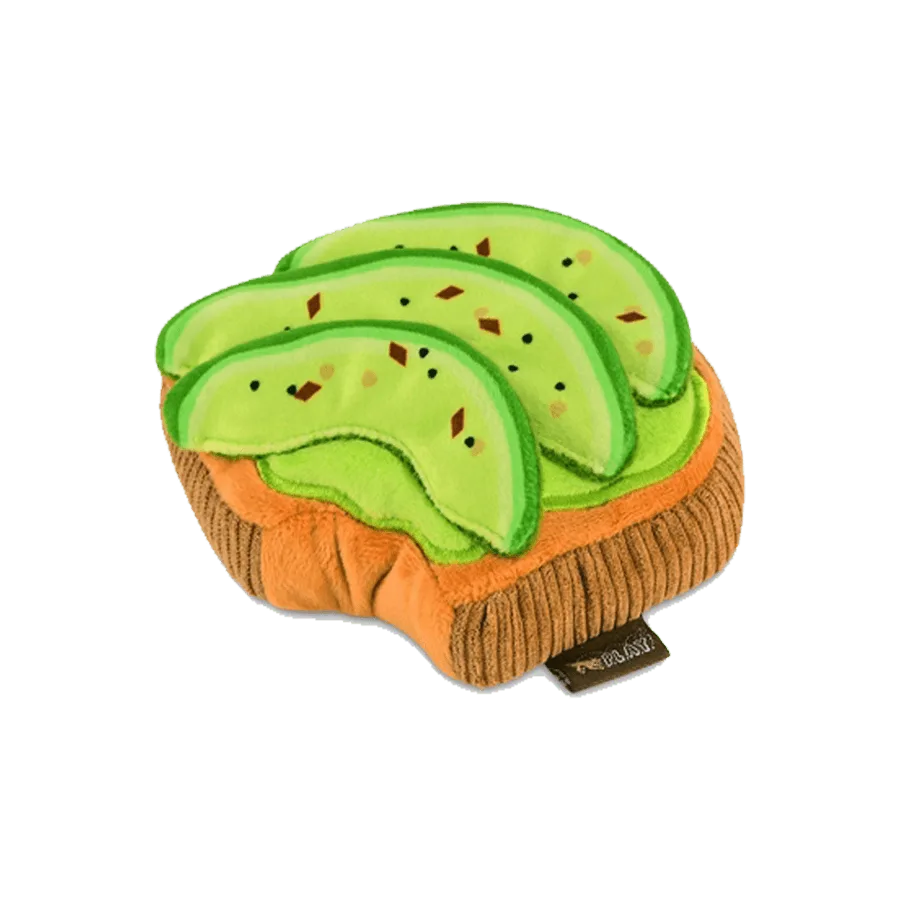
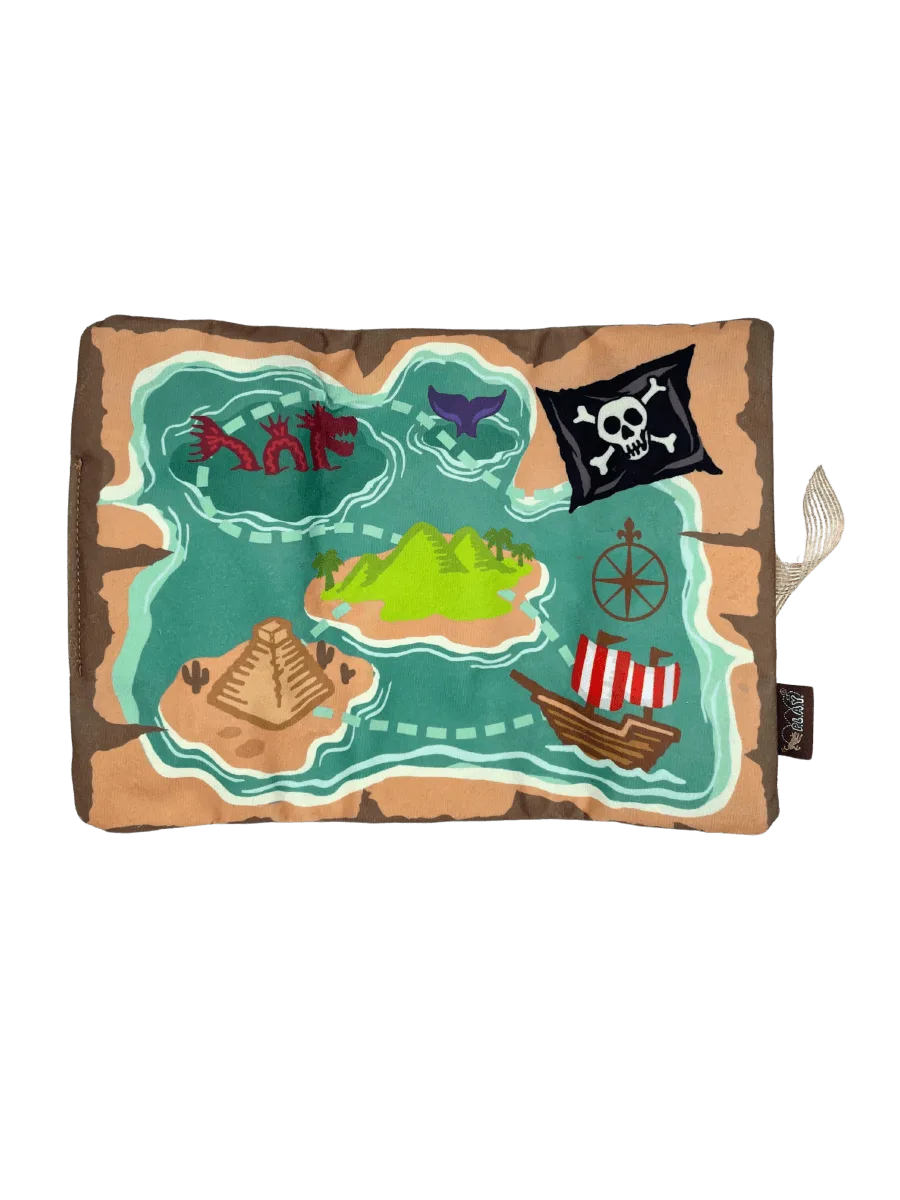
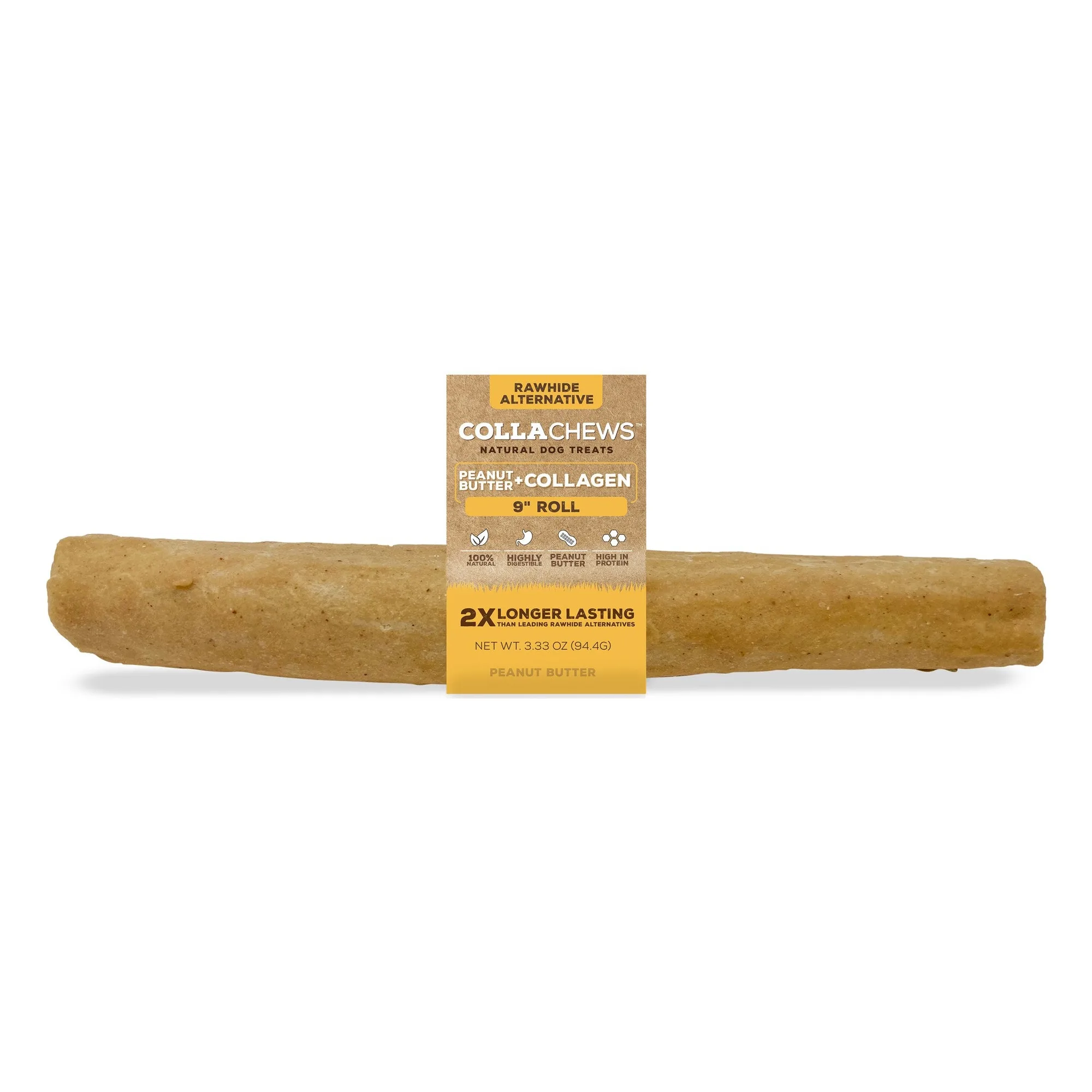
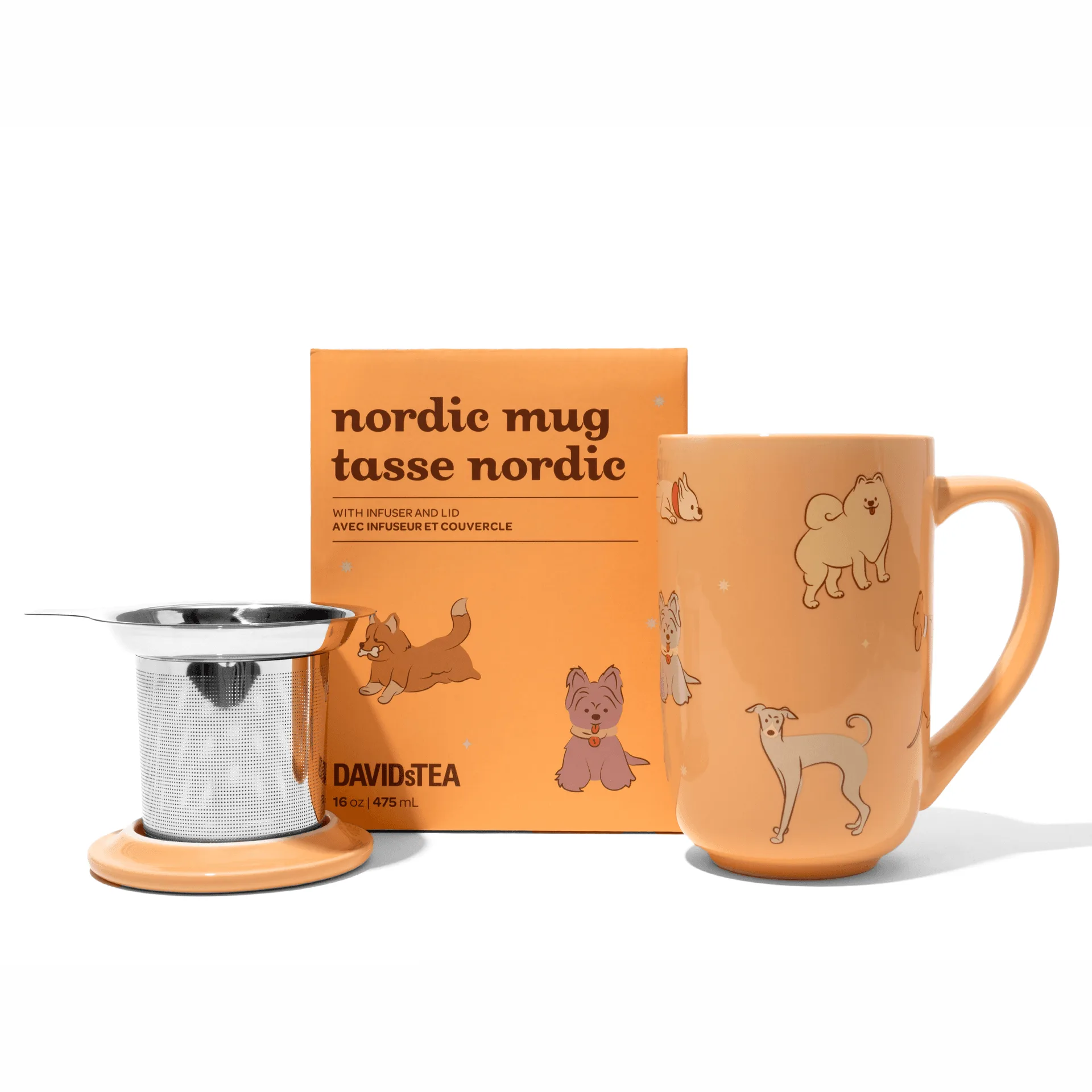
- PupBox: PupBox is a versatile product designed to support your pet's needs, with a simple, functional design suitable for everyday use and available in a standard size to fit most needs. If your puppy is a small breed or already near adult size, this standard-size option is a straightforward fit and avoids the cost of upsizing.
- PupBox: PupBox is a product designed for pet owners, offering a convenient solution for your furry friend, available in a Standard option as part of the PupBox collection. This standard option works well for medium or large breed puppies only if their weight stays within the standard range; otherwise, plan to size up or switch.
- PupBox: PupBox is a product designed for your furry friend, offering a convenient solution for pet owners, with a standard size option and a simple, practical design ideal for pet care routines. A practical choice for small breed puppies or as a starter box before you know your puppy's full growth curve.
Who should choose which size
Best for
- Small breed puppies (under 25 lbs adult weight) that will stay within a standard size range
- First-time puppy owners who want a simple, no-upsize subscription
- Medium breed puppies whose adult weight is known and falls within the standard range
Not for
- Large or giant breed puppies expected to exceed 50 lbs as adults
- Owners who already know their puppy outgrows standard toys within weeks
- Puppies with medical conditions that affect growth rate without veterinary guidance