Quick answer
For most outdoor photographers, a size 2 rucksack cover (fitting 40–70 litre packs) offers the best balance of coverage and compatibility. Choose a waterproof, elastic-fit cover like the Sale - Rucksack Covers to keep your camera gear dry and clean.
Why a rucksack cover matters for camera gear
A rucksack cover shields your backpack from rain, snow, dust, and mud. For camera equipment, even a small amount of moisture or grit can damage lenses and bodies. A cover adds a first line of defense without adding weight or bulk.
Unlike a generic rain fly, a dedicated rucksack cover is designed to stay put in wind and won't flap around. Elastic edges and a snug fit keep the cover tight against the pack, reducing the chance of water seeping in through the bottom or sides.
Size is the most critical factor
A cover that is too large will billow, catch wind, and let water in. One that is too small may not cover the pack fully or could tear at the seams. Most covers come in three sizes: small (up to 40 litres), medium (40–70 litres), and large (80–100 litres).
The Sale - Rucksack Covers offer three sizes. Size 1 fits rucksacks up to 40 litres, such as the Lowe Alpine 25 and 35 litre packs. Size 2 covers 40–70 litre packs, including the Lowe Pro Trekker AW range and the Adventurer 60 camera rucksack. Size 3 fits 80–100 litre packs.
Material and waterproofing trade-offs
Most rucksack covers are made from lightweight nylon or polyester with a waterproof coating. Lighter materials pack down small but may wear out faster against rough terrain. Heavier-duty fabrics last longer but add a little weight.
The Sale - Rucksack Covers are described as waterproof and lightweight with an elastic fit. They are not fully submersible, but for rain and splashes they provide reliable protection. If you anticipate heavy downpours or river crossings, consider a cover with taped seams or a higher denier fabric.
Decision rules for choosing a rucksack cover
- Measure your backpack: Check your backpack's volume in litres (often printed on a tag or inside the pack). If you don't know the volume, estimate by the pack's height and typical capacity. For camera backpacks, the volume is usually between 25 and 70 litres.
- Match size to volume: Use the cover's size chart: Size 1 for packs up to 40 litres, Size 2 for 40–70 litres, Size 3 for 80–100 litres. If your pack is exactly at the boundary (e.g., 40 litres), choose the larger size for easier fit.
- Consider your typical weather: If you shoot in light drizzle or dusty conditions, a standard waterproof cover is sufficient. For heavy rain, look for taped seams or a higher waterproof rating. The Sale - Rucksack Covers are waterproof and lightweight, ideal for most outdoor photography. If you frequently shoot in monsoonal rain, consider a cover with sealed seams.
- Check attachment method: Elastic hem covers are easy to put on and take off but can be blown off in strong wind. Some covers have clips or straps that attach to the backpack. The Sale - Rucksack Covers use elastic fit, which works well for moderate conditions.
Product facts
-
Sale - Rucksack Covers: Three sizes available: Size 1 (up to 40 ltr), Size 2 (40–70 ltr), Size 3 (80–100 ltr). Choosing the right size ensures the cover stays tight and doesn't let water in through gaps.
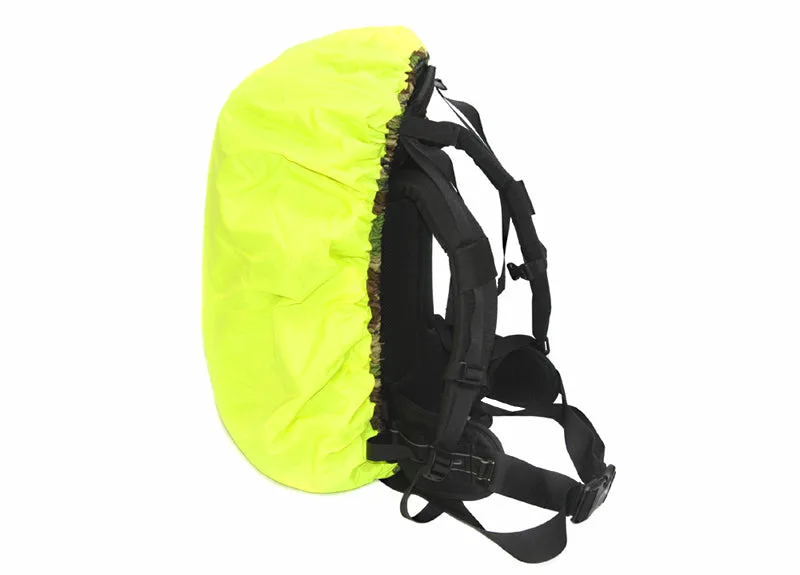
Sale - Rucksack Covers
-
Sale - Rucksack Covers: Waterproof, lightweight, elastic fit construction. The elastic fit keeps the cover in place during movement, and the waterproof material protects your gear from rain and dust.
Who this is for
Best for
- Photographers using a 40–70 litre camera backpack who need reliable rain and dust protection
- Outdoor shooters who want a lightweight, packable cover for day hikes and travel
Not for
- Ultralight hikers who need a cover under 100 grams (these covers are standard weight)
- Photographers who require a fully submersible dry bag for rafting or deep water crossings