Quick answer
For most outdoor activities, choose socks made from breathable, moisture-wicking blends with cushioning suited to your activity—light cushioning for running, more for hiking. Consider length based on your footwear and weather.
Material matters: wool vs. cotton blends
The fabric of your socks determines how well they manage moisture and temperature. Cotton absorbs sweat and stays wet, which can lead to blisters and cold feet. Wool blends, on the other hand, are naturally breathable and help regulate temperature, making them a reliable choice for outdoor activities.
For warm-weather activities, look for lightweight, breathable blends that wick moisture away. In cooler conditions, a thicker wool blend provides insulation while still allowing moisture to escape.
Cushioning and support: match to your activity
Cushioning absorbs impact and reduces fatigue, but too much can make your shoes feel tight or reduce ground feel. Running socks typically have lighter cushioning to keep you agile, while hiking socks often feature thicker terry cushioning for long days on uneven terrain.
Supportive fit is also key. Socks with a snug but not tight fit help prevent bunching and blisters. Look for options with a supportive fit that holds its shape wash after wash.
Length: from ankle to knee-high
Sock length affects protection and compatibility with your footwear. Ankle socks are great for low-cut running shoes and warm weather, offering minimal coverage. Crew or mid-calf socks provide more protection against debris and are popular for hiking. Knee-high socks are ideal for boots, offering extra warmth and preventing chafing from boot tops.
Consider the weather and terrain. In tall grass or rocky trails, higher socks protect your lower legs. In hot conditions, shorter socks keep you cooler.
Decision rules for choosing outdoor socks
- Activity type: For running or fast-paced activities, choose lighter cushioning and ankle or crew length. For hiking or backpacking, opt for thicker cushioning and a higher cut to protect against debris.
- Weather conditions: In warm weather, pick breathable, moisture-wicking blends with less cushioning. In cold weather, choose wool blends with more insulation and consider knee-high options for extra warmth. Check the weather forecast before you head out and adjust sock thickness accordingly.
- Footwear compatibility: Match sock height to your shoes: ankle socks for low-cut shoes, crew for mid boots, and knee-high for tall boots to prevent chafing.
- Fit and support: Look for socks with a supportive fit that stays in place without being too tight. Avoid socks that bunch or slide, as they can cause blisters. Try socks on with the shoes you plan to wear to ensure a proper fit.
Product options to consider
-
Logo Socks 2-Pack: The Logo Socks 2-Pack is cut from a soft, breathable cotton-blend that combines durability, softness, and stretch. This makes them a comfortable choice for everyday outdoor wear, offering flexibility and breathability for light activities.
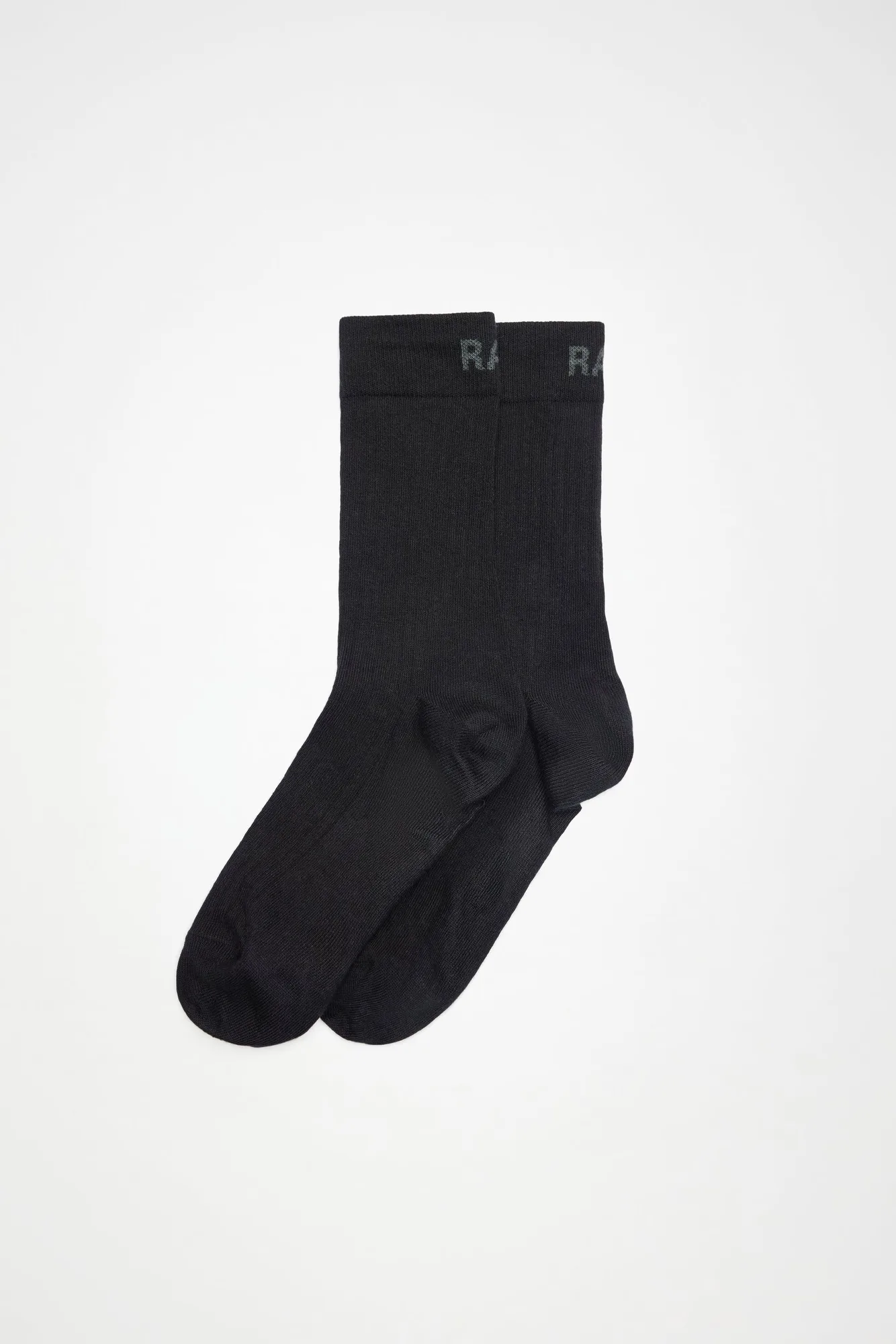
Logo Socks 2-Pack
-
Logo Knee High Socks: The Logo Knee High Socks are crafted from a warm, breathable wool-blend with soft terry cushioning, ideal for boots. The wool blend and cushioning provide warmth and support for hiking or cold-weather activities, especially when wearing boots.
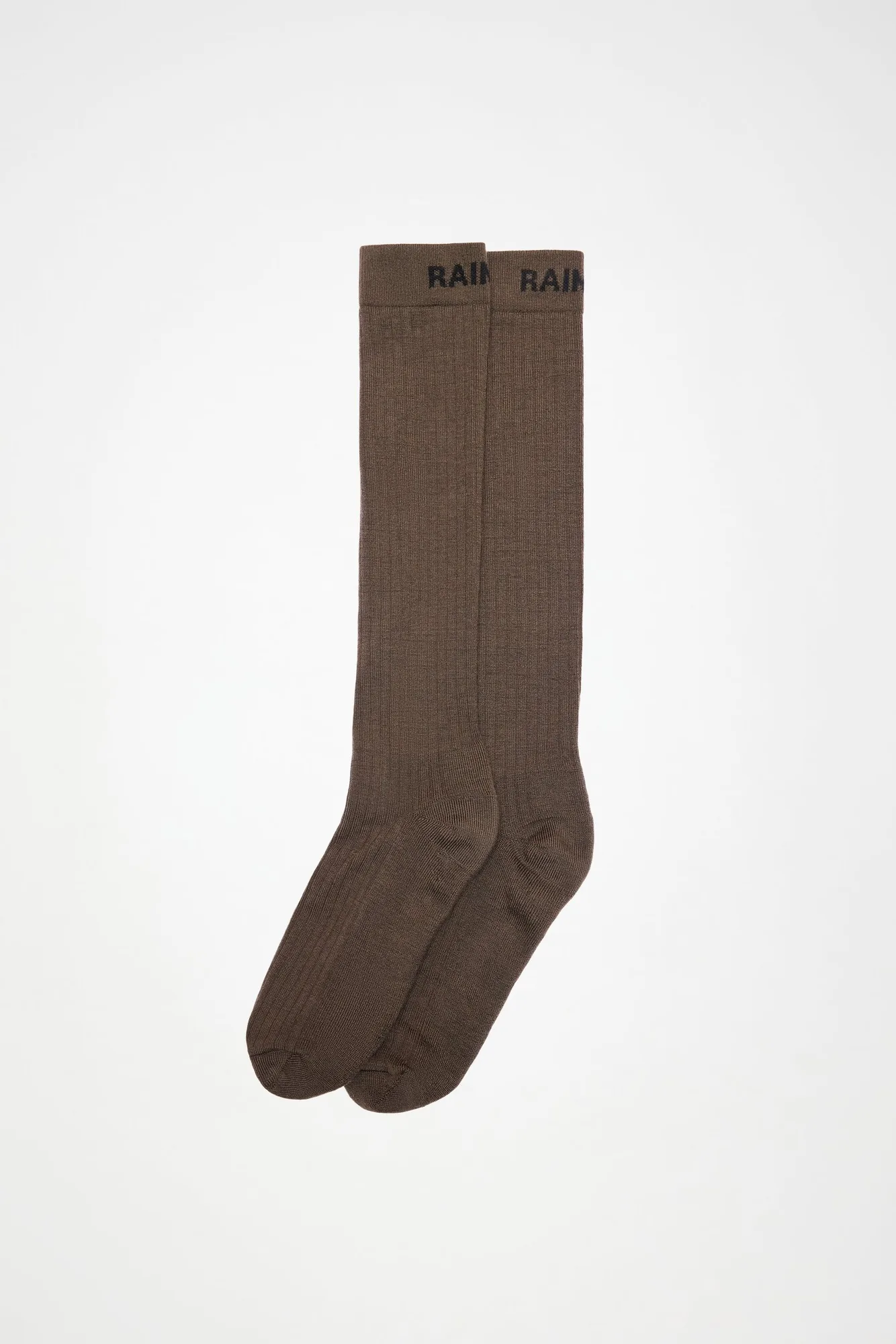
Logo Knee High Socks
Who should choose what
Best for
- Logo Socks 2-Pack: ideal for everyday outdoor wear, light hikes, or running in mild weather where breathability and stretch are priorities.
- Logo Knee High Socks: perfect for cooler weather, hiking in boots, or outdoor activities where warmth and cushioning are key.
Not for
- Logo Socks 2-Pack: not ideal for extreme cold or heavy hiking where more insulation and cushioning are needed.
- Logo Knee High Socks: may be too warm for hot summer activities or for those who prefer low-cut socks for running.