With so many Tuttle Twins e-books available, it can feel overwhelming to pick the right one for your child. Each title has a unique reading level and focus—from simple board-book concepts for toddlers to chapter-length debates for teens. The key is to match the e-book not only to your child’s reading ability but also to what you want them to learn.
Digital books for homeschool selection offer extra flexibility: you can preview them instantly, use search features, and revisit tricky passages. Whether you’re new to the series or building a full library, understanding how to align a Tuttle Twins e-book with your child’s age and learning goals makes the buying decision much easier.
Understanding Reading Levels in Tuttle Twins E-books
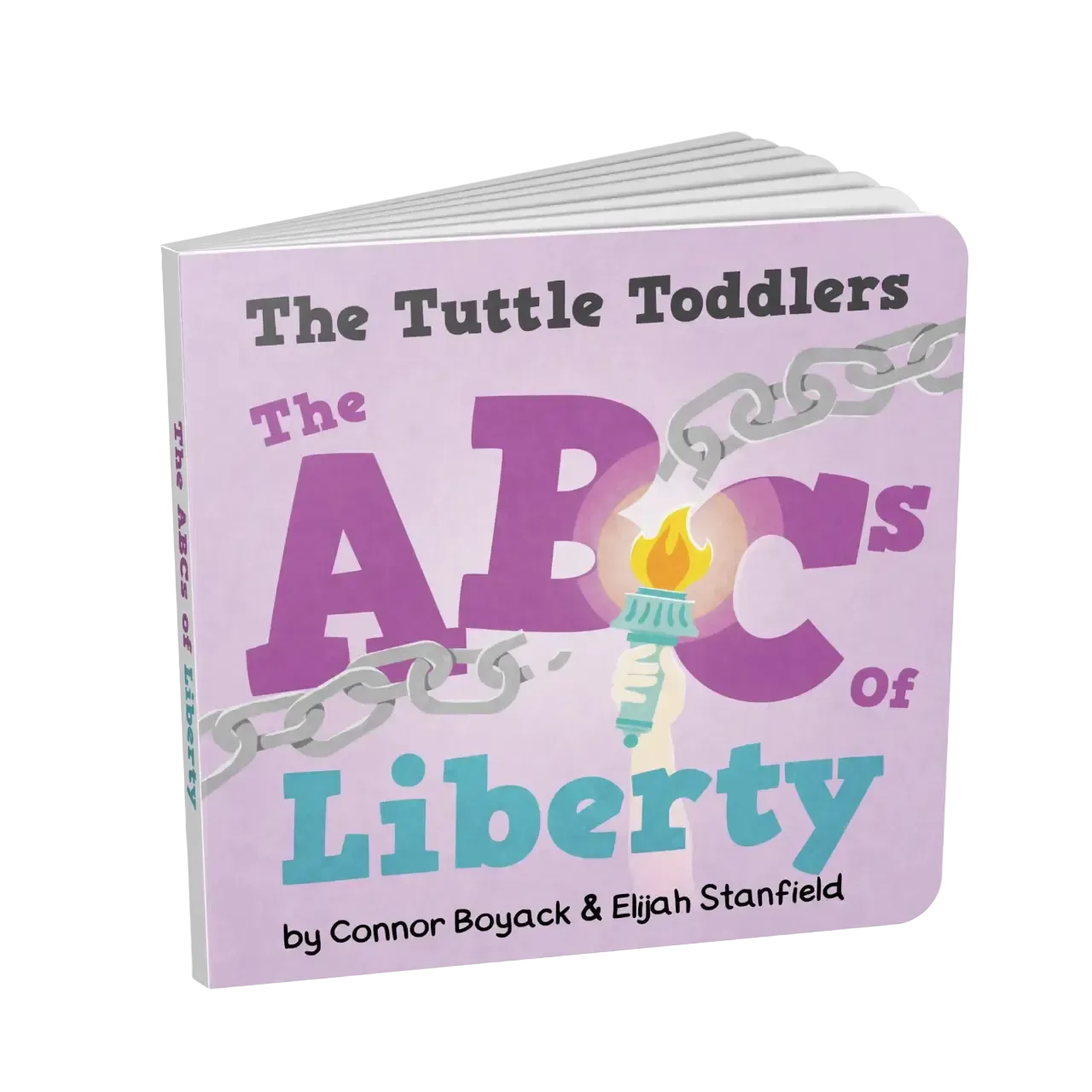
Tuttle Twins e-books span a wide range of reading levels, from preschool picture books to dense guidebooks for teens. For the youngest readers, titles like The Tuttle Toddlers ABCs of Liberty use simple vocabulary and bright illustrations. Early elementary children can handle The Tuttle Twins and the Medals of Merit, which introduces story-based lessons with short chapters. Older students—ages 10 and up—will find The Tuttle Twins Guide to the World's Worst Ideas more challenging, with longer paragraphs and abstract concepts.
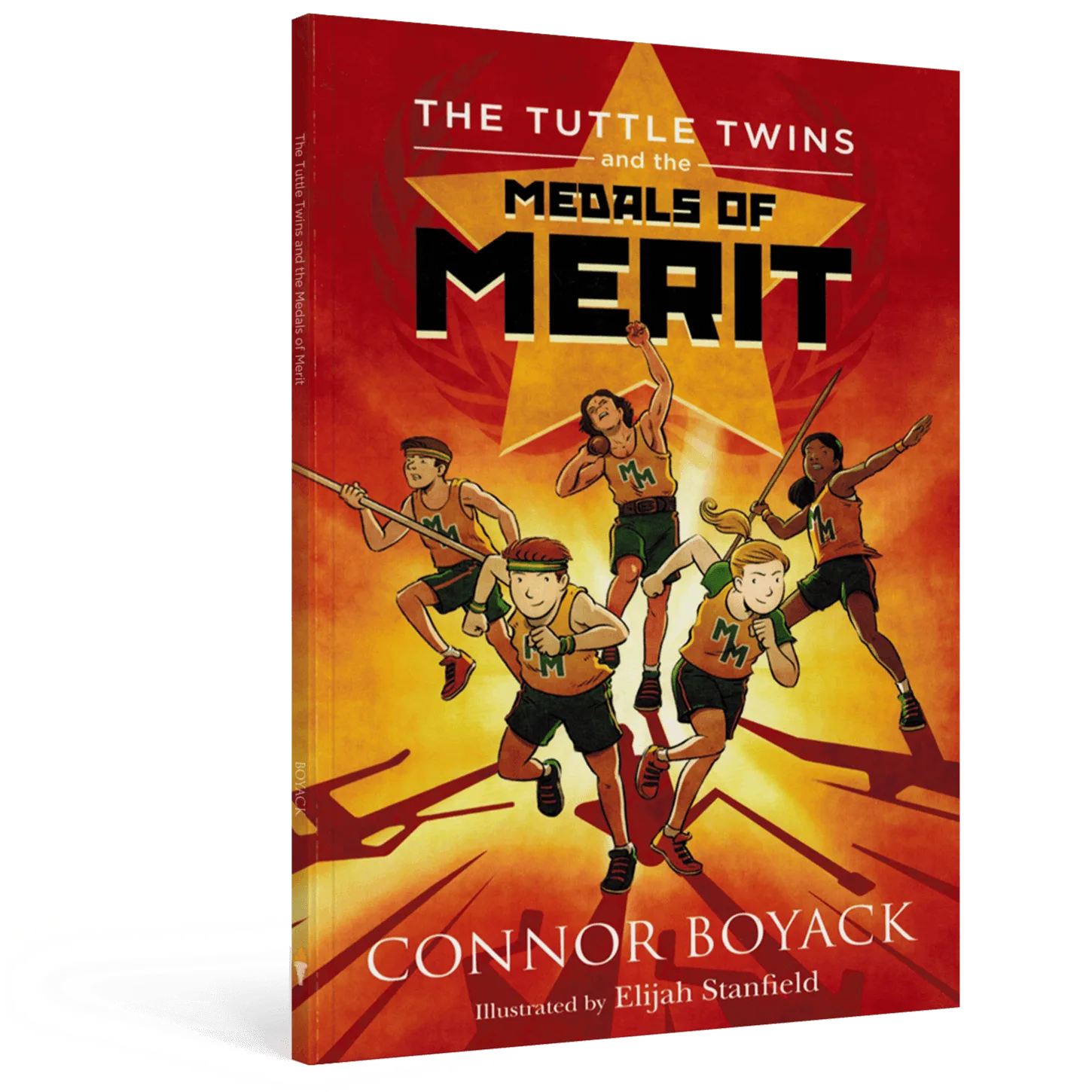
The Tuttle Twins and the Medals of Merit
When evaluating a title’s reading level, look at the product’s listed age range and sample pages. Many Tuttle Twins e-books include a downloadable preview in the digital download format, so you can gauge sentence length and vocabulary density before buying. Keep in mind that a child’s listening comprehension often exceeds their reading level; a parent-led read-aloud of a higher-level e-book can work well for younger kids.
- Check the product description for the suggested age or grade range before purchasing.
- Use the free sample pages available in most Tuttle Twins digital downloads to test readability with your child.
Matching E-books to Your Child’s Age and Comprehension
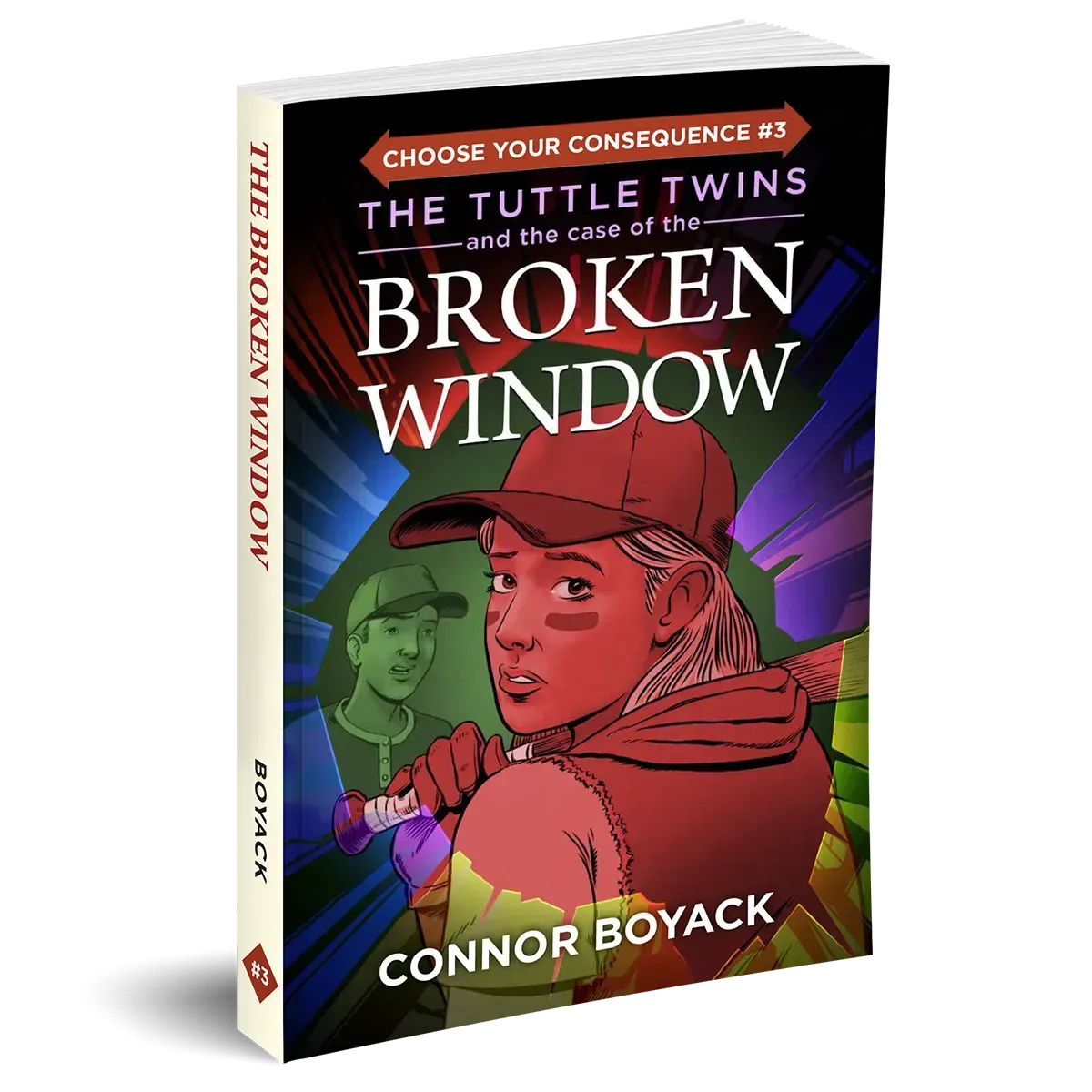
Choosing the best e-books for kids by age starts with knowing what each stage of development needs. For toddlers (ages 3–5), look for short, interactive e-books with rhymes and bold pictures, like The Tuttle Toddlers ABCs of Liberty. These build foundational vocabulary and curiosity. For children ages 6–9, story-driven e-books with clear moral dilemmas—such as The Tuttle Twins and the Case of the Broken Window—keep them engaged while introducing cause and effect in economics.
Tweens and teens (ages 10–15) are ready for more abstract ideas. Titles like Tuttle Rebuttals: 40 Responses to Popular Political and Economic Myths (PDF) present arguments that sharpen critical thinking. This e-book works best for independent readers who can parse multiple perspectives. If your child is a reluctant reader, try a graphic novel–style e-book or a shorter guidebook first. The digital format also lets you adjust font size and brightness to reduce eye strain.
- For advanced topics, pair a higher-level e-book with your own explanation to boost comprehension.
- If your child reads below age level, start with a younger title to build confidence before moving up.
Aligning E-books with Your Learning Goals
Every homeschooling family has different e-book learning goals. Some focus on character education and respect for others, while others aim for a deep understanding of economics or government. When you clarify your objective first, the right Tuttle Twins digital download becomes obvious. For instance, if your goal is to teach the importance of honest dealing, choose The Tuttle Twins and the Medals of Merit, which wraps that lesson in a fun competition story.
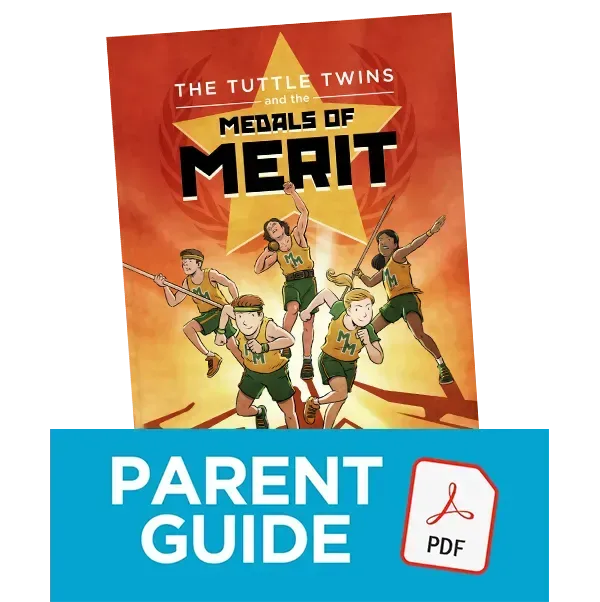
If your goal is parent-led discussion about specific economic principles, the Medals of Merit (PDF Parent Guide) is a perfect companion. It includes guided questions and activities you can use alongside the story e-book. For older students wanting to debate current issues, Tuttle Rebuttals gives ready-made arguments that teach logical fallacies and sound reasoning. Defining your goal—whether it’s vocabulary, debate skills, or civic awareness—will narrow your options quickly.
- Write down one or two top learning goals before browsing e-books to stay focused.
- Look for bundled parent guide PDFs when you want to lead discussions rather than just assign reading.
Tips for Different Learning Styles Using Digital Downloads
Choosing e-books for different learners means considering how your child processes information best. Visual learners benefit from e-books with detailed illustrations and diagrams—many Tuttle Twins storybooks and guides include charts that make economic concepts easy to see. Auditory learners can use text-to-speech features built into most e-readers or tablets to hear the book read aloud while they follow along. This dual input often improves comprehension for those who struggle with silent reading.
Kinesthetic learners might pair a digital book with a hands-on activity. For example, after reading The Tuttle Twins and the Case of the Broken Window, have them draw a comic strip showing cause and effect. Digital books also allow easy highlighting and note-taking, which helps tactile learners engage with the material. By matching the format to your child’s strongest learning channel, you turn a simple e-book into a powerful teaching tool.
- Adjust the e-reader settings to a dyslexia-friendly font or high-contrast background for students with reading differences.
- Combine a Tuttle Twins e-book with a related game or craft for a multi-sensory lesson.
The Tuttle Twins digital download guide on the store breaks down each title by age, topic, and format, making it easier to compare. By considering your child’s reading level, age, learning goals, and preferred learning style, you can confidently choose an e-book that both educates and entertains. Start with a title that matches their current ability, then challenge them with the next level up as their skills grow.