Start with the package ratio and water temperature
Cinnamon Masala Chai Tea comes with clear brewing instructions: use 1 teaspoon per cup and heat water to 195–210°C. That temperature range is well above boiling at sea level, so in practice you will bring water to a boil and then let it settle for a moment before pouring. The ratio is your anchor—one teaspoon of the loose blend for each cup you plan to make.
The blend combines cinnamon, cardamom, ginger, clove, black pepper, and CTC tea. CTC tea is designed for strong, quick extraction, which is why the stovetop method works well: the spices and tea are simmered together to build a deep orange, spicy cup with a lingering cinnamon finish.
Stovetop brewing, step by step
- Measure the tea: Use 1 teaspoon of Cinnamon Masala Chai Tea per cup of water. Adjust slightly if you prefer a stronger or milder cup, but start with the package ratio.
- Heat the water: Bring fresh water to 195–210°C. If you do not have a thermometer, boil the water and let it cool for a brief moment before adding the tea.
- Add tea and simmer: Add the measured tea to the hot water in a small saucepan. Simmer gently. The package does not specify a simmering time, so watch for the liquid to deepen in color and become fragrant—typically a few minutes. Avoid a rolling boil that might make the tea bitter.
- Add milk (optional): For a cinnamon chai tea with milk, pour in milk to taste after the tea has steeped. Traditional masala chai often uses a ratio of about one part milk to two parts water, but you can adjust. Bring the mixture back to a gentle simmer, then remove from heat.
- Strain and serve: Strain the chai into cups. The spent spices and tea leaves can be composted. Taste and add sweetener if desired—jaggery or honey works well with the cinnamon and cardamom notes.
Getting the milk ratio right
The package does not provide a milk ratio, so you have room to experiment. A common starting point is 1 part milk to 2 parts water, but you can use more milk for a creamier cup or less for a lighter, spicier drink. Whole milk gives a richer mouthfeel, while plant-based milks may need a gentle simmer to avoid curdling. Add milk after the tea has steeped in water to preserve the clarity of the spice flavors.
What the package tells you
-
Cinnamon Masala Chai Tea: Brewing instructions: 1 TSP/CUP | 3-5 MINS | 195-210°C This gives you the exact tea-to-water ratio, steeping time, and water temperature to follow for a consistent cup.
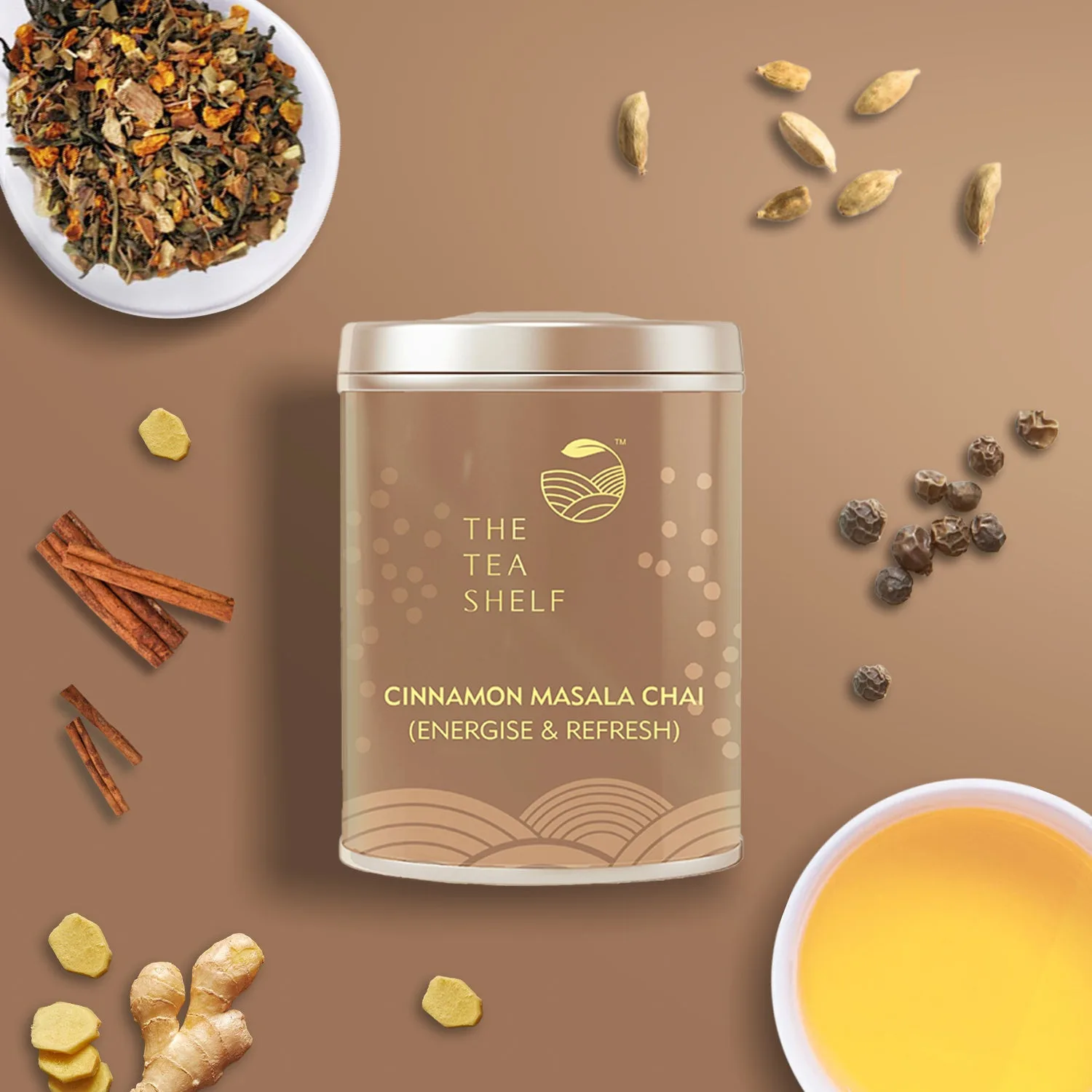
Cinnamon Masala Chai Tea
-
Cinnamon Masala Chai Tea: Ingredients: Cinnamon, Cardamom, Ginger, Clove, Black Pepper, CTC Tea Knowing the blend helps you anticipate the spicy, warming flavor profile and adjust milk or sweetener accordingly.
-
Cinnamon Masala Chai Tea: Tasting Notes: Deep Orange, spicy mouthfeel with a lingering cinnamon finish. Use these notes as a checkpoint: your brewed cup should be deep orange and spicy, with cinnamon lingering at the end.
Adjusting for strength and sweetness
If your chai tastes weak, increase the tea slightly or simmer a bit longer—but keep an eye on it, as over-simmering can make it bitter. For a sweeter cup, add sugar, jaggery, or honey while the chai is still hot so it dissolves evenly. The cinnamon and cardamom in the blend already provide natural sweetness, so taste before adding more.
Choosing between the 30gm and 100gm pouches
Cinnamon Masala Chai Tea comes in two sizes: a 30gm loose tea pouch (15 servings) and a 100gm loose tea pouch (50 servings). If you are new to the blend or brew occasionally, the 30gm size lets you try it without committing to a large amount. For daily chai drinkers, the 100gm pouch offers better value per serving. Both are loose leaf, so you will need a strainer or teapot with a filter.
Spiced chai tea brewing tips
- Use fresh water: Start with cold, fresh water for the best extraction. Reboiling water can concentrate minerals and dull the flavor.
- Watch the heat: A gentle simmer is better than a rolling boil. High heat can make the CTC tea and spices bitter.
- Strain well: Use a fine-mesh strainer to catch the fine CTC particles and spice bits for a smooth cup.
- Experiment with milk: Try different milk ratios and types to find your preferred balance of spice and creaminess.