Quick answer
Choose the 100 Ohm resistor when your Circuit Blox build needs a lamp or LED to glow brightly with minimal current limiting. Choose the 5.1K Ohm resistor when you need to slow current down significantly, such as protecting a sensitive component or creating a dimmer light effect. Both are single-piece E-Blox components, and the right pick depends on the brightness and current you want in that specific spot.
How resistor values change a Circuit Blox build
A resistor limits how much current reaches the rest of the circuit. Lower resistance lets more current through, while higher resistance holds it back. In a Circuit Blox build, that difference shows up as brightness, speed, or how hard a component is working. The 100 Ohm resistor and the 5.1K Ohm resistor sit at very different points on that scale, so they are not interchangeable in every build.
The practical effect is easiest to see with a lamp block. Swap in a lower-value resistor and the lamp typically draws more current and glows brighter. Swap in a higher-value resistor and the lamp dims or the circuit behaves more gently. Neither value is wrong on its own; the build layout and the component you are protecting decide which one fits.
What the 100 Ohm resistor is good for
The 100 Ohm resistor is the more permissive of the two values. It restricts current only lightly, so it suits builds where you want a visible, energetic result: a bright lamp, a fast-moving signal, or a circuit that needs to react strongly. If a build already works but feels weak, a lower-value resistor is often the first thing to try.
Because it allows more current, the 100 Ohm resistor also puts more demand on the rest of the circuit. In a build with several current-hungry parts, that extra flow can add up. Use it where the effect you want is obvious and the power source can handle the load.
What the 5.1K Ohm resistor is good for
The 5.1K Ohm resistor is a much stronger brake. It is roughly fifty times the resistance of the 100 Ohm part, so it cuts current far more aggressively. That makes it useful when you want to tame a circuit rather than drive it hard: dimming a lamp block, protecting a part that should not receive full current, or creating a slow, subtle effect.
The trade-off is that a 5.1K Ohm resistor can make a build feel underpowered if you expected a bright result. If you install it and the lamp barely lights, that is the resistor doing its job, not a fault. Move to a lower value only when the build calls for more current.
Other single-piece blocks that pair with either resistor
Resistor choice rarely stands alone. The Lamp Block is the clearest way to see the difference between 100 Ohm and 5.1K Ohm, since it converts current into visible light. The Two Wire Spacer Block helps you route and position two wires cleanly, which matters when you are swapping resistors in and out to compare behavior. The Three-in-One Block is a compact building block that fits into hands-on construction play and can anchor the layout around your resistor.
None of these blocks change the resistor value itself, but they affect how easy it is to test and rebuild. A tidy layout with a spacer block makes value comparisons faster, and a stable base makes it less likely that a loose connection gets mistaken for a resistor problem.
Trade-offs when choosing between 100 Ohm and 5.1K Ohm
- Current flow: The 100 Ohm resistor allows noticeably more current than the 5.1K Ohm resistor, which is roughly fifty times more resistive. Pick 100 Ohm for stronger effects, 5.1K Ohm for gentler ones.
- Brightness with a lamp block: A lamp block fed through a 100 Ohm resistor generally lights brighter than the same lamp fed through a 5.1K Ohm resistor. If the lamp is too dim, the resistor value is the likely cause, not a broken block.
- Component protection: The 5.1K Ohm resistor limits current far more, which is safer for parts that should not receive full flow. Use the higher value when protection matters more than brightness.
- Build flexibility: Neither resistor is permanently tied to one role; you can move either value to a different spot in the build. Keep both values on hand so you can test rather than guess.
Product facts for this comparison
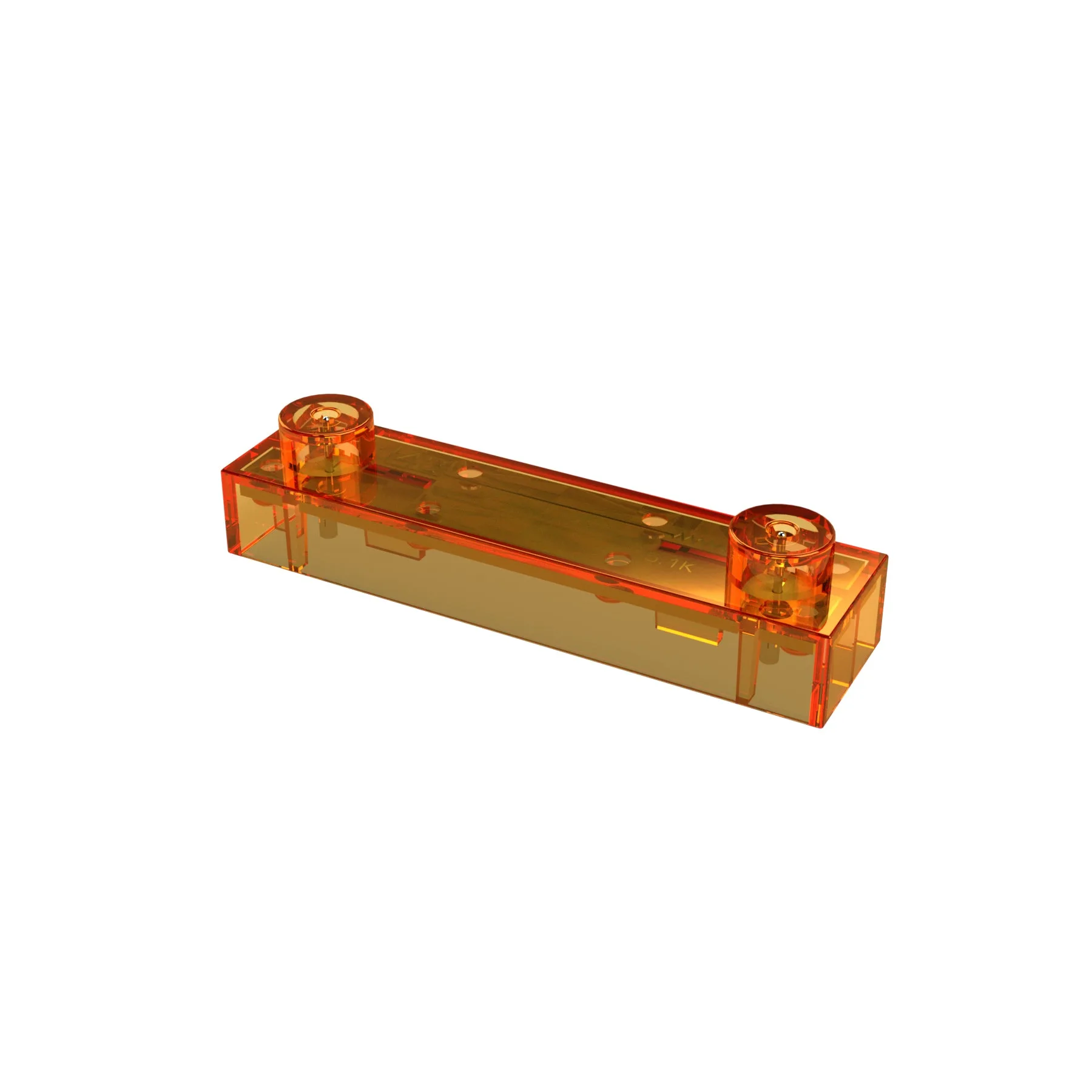
- Circuit Blox 5.1K Ohm Resistor: Circuit Blox 5.1K Ohm Resistor is a component intended for use with Circuit Blox, offered under the E-Blox, Inc. brand with SKU 6EBX43. Confirms it is a genuine E-Blox part meant for Circuit Blox, so it fits the same building system as your other blocks.
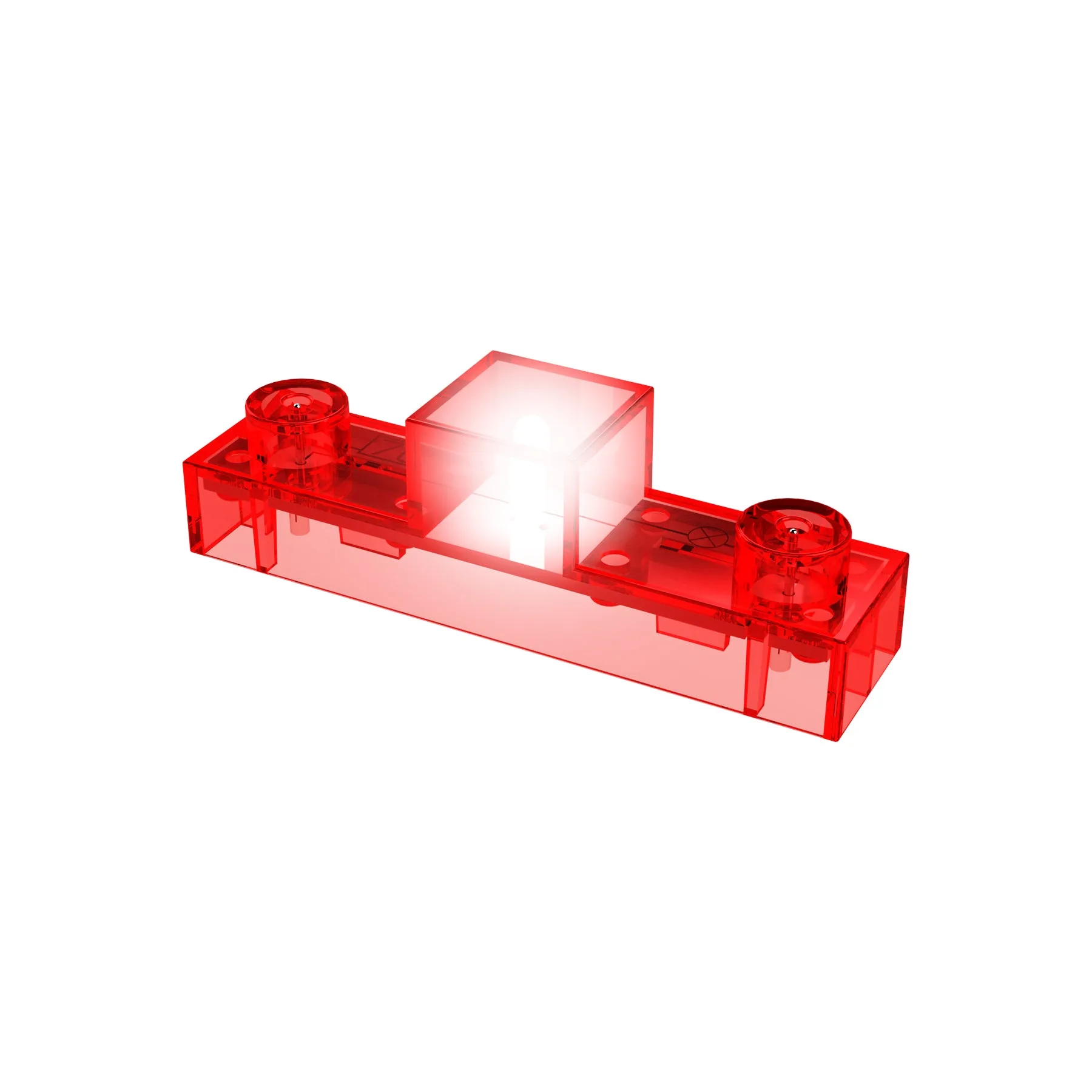
- Circuit Blox™ - Lamp Block - E-Blox®: The Circuit Blox Lamp Block from E-Blox is a single-piece building block component designed for use with Circuit Blox sets, providing a lamp function within compatible builds. The lamp block is the fastest way to see what a resistor value does, because brightness changes are visible immediately.
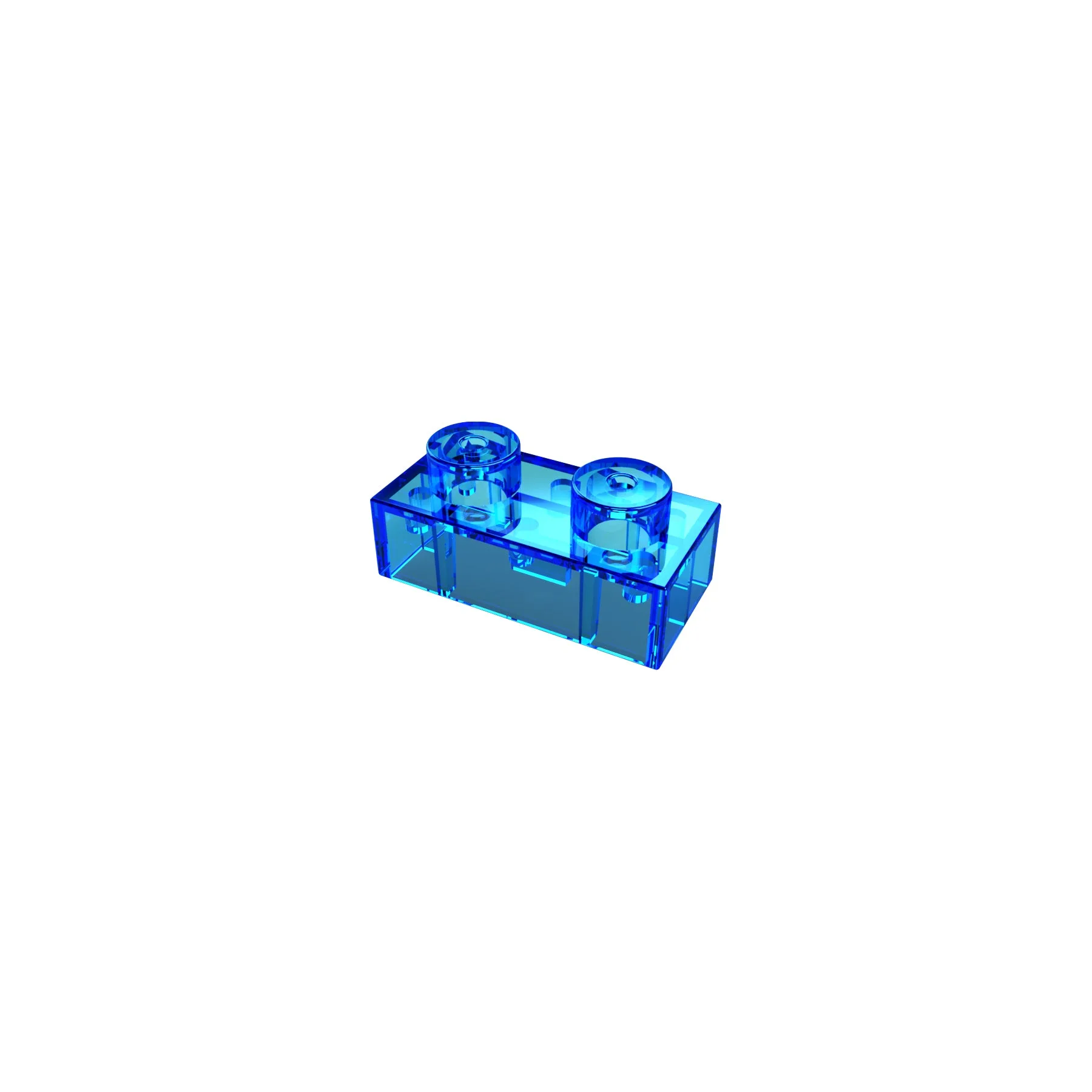
- Two Wire Spacer Block for Circuit Builder: The Two Wire Spacer Block for Circuit Builder is a single-piece E-Blox component designed for use with circuit-building setups, providing a simple way to space or position two wires within a build. Clean wire spacing makes it easier to swap resistors and compare results without disturbing the rest of the circuit.
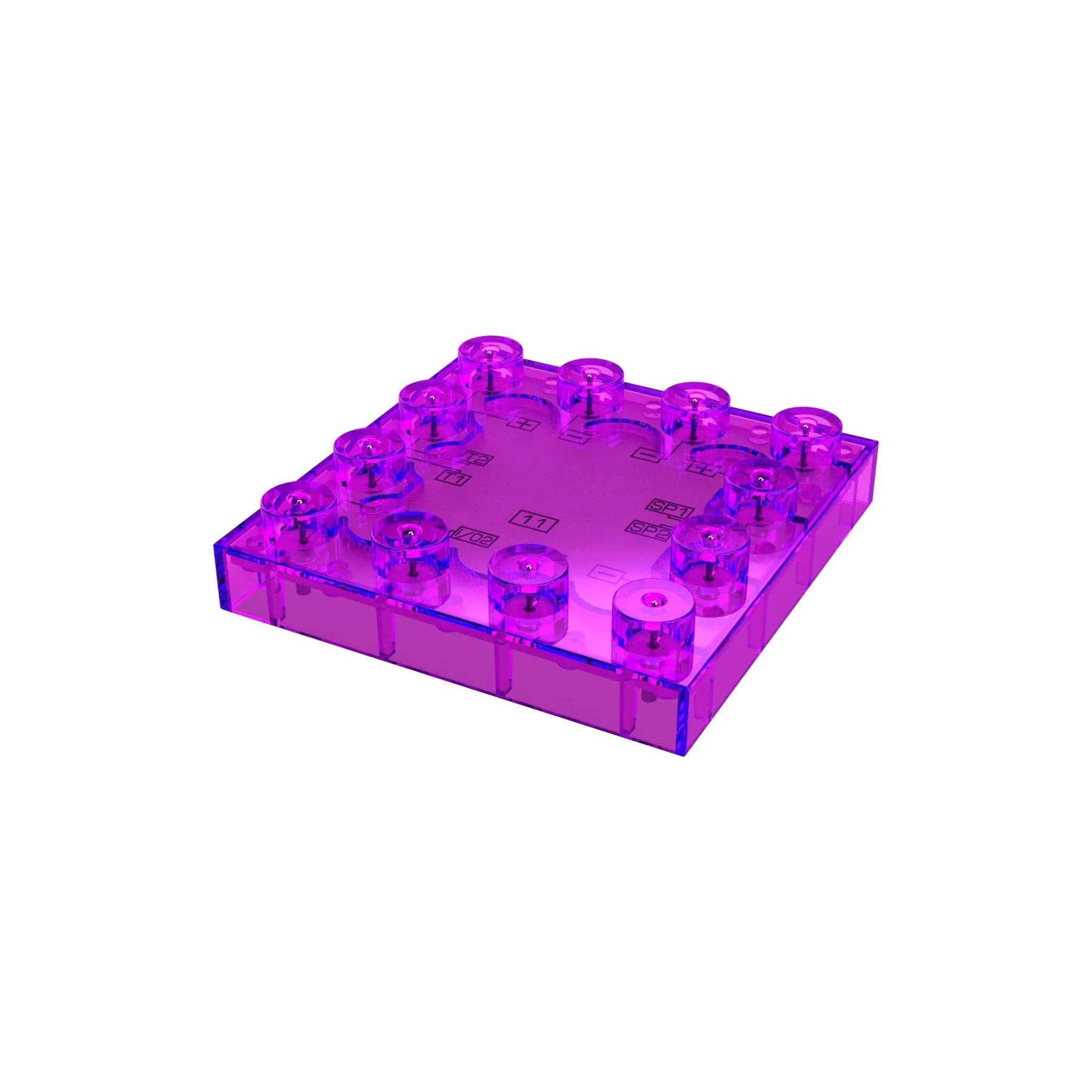
- Three-in-One Block for Circuit Builder: The Three-in-One Block for Circuit Builder from E-Blox is a single-piece building block designed for use with circuit-building sets, offering a compact, block-style component that fits into hands-on construction play. A compact block gives you a stable anchor point when you rebuild a section to test a different resistor value.
Which resistor should you choose?
Choose the 100 Ohm resistor if
- You want a lamp block or similar component to glow brightly
- Your build feels weak and you want more current to reach the active parts
- You are demonstrating visible cause and effect in a classroom or at home
Choose the 5.1K Ohm resistor instead if
- You need to protect a sensitive component from full current
- You want a dimmer, slower, or more subtle effect
- Your power source or layout cannot comfortably support higher current draw