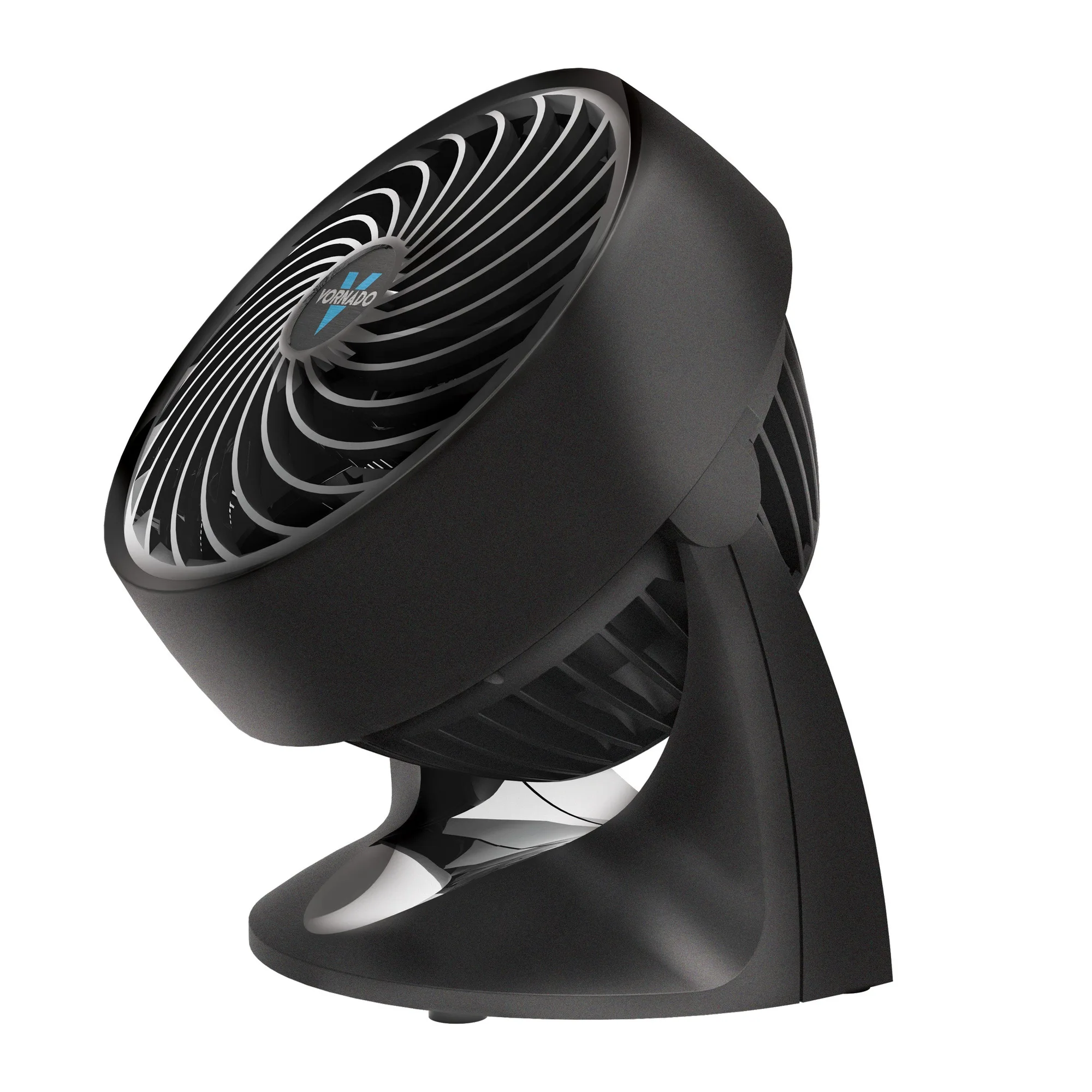
Quick Recommendation
Start by measuring your room’s square footage and ceiling height to get its volume. Then pick a Vornado circulator whose vortex reach can cover that space—small rooms under 150 ft² are well served by the 133 Compact Air Circulator, while larger areas benefit from the 460 Small Air Circulator’s 70‑foot reach.
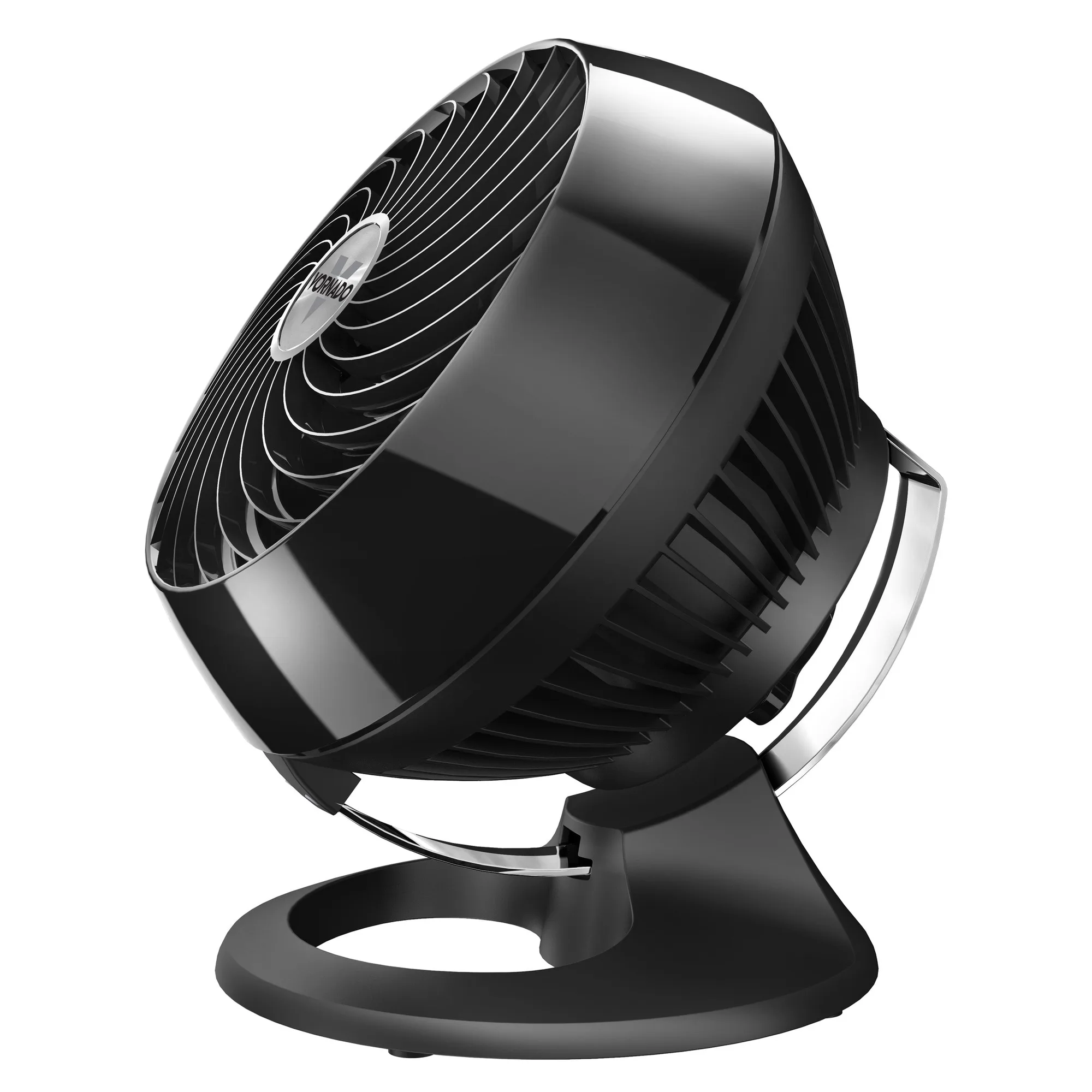
460 Small Air Circulator
Choosing the right air circulator isn’t about buying the biggest fan; it’s about matching the device’s vortex technology to the dimensions of the space you want to cool or warm.
This circulator size guide walks you through simple calculations, placement strategies, and product choices so you can enjoy even temperature distribution without over‑paying for unnecessary power.
Calculate Your Room’s Air Volume
Measure the length and width of the room in feet, then multiply by the ceiling height to get cubic feet. This volume tells you how much air needs to be moved to feel a noticeable breeze. For most living areas, a volume under 2,000 ft³ can be handled by a compact circulator, while larger open‑plan spaces may need a model that pushes air farther.
A common mistake is to base the decision only on floor area, ignoring ceiling height. High ceilings increase the volume dramatically, so a fan that feels strong in a low‑ceiling room might feel weak upstairs.
- Use a tape measure or laser tool for accuracy; an error of just one foot can change the volume by 10‑15 %.
Match Vortex Reach to Room Size
Vornado’s vortex technology creates a circular airflow that can travel farther than a traditional fan’s breeze. The catalog lists each model’s maximum reach: the 133 moves air up to 25 feet, the 160 up to 20 feet, and the 460 up to 70 feet. Choose a circulator whose reach exceeds the longest dimension of your room for full‑room coverage.
Checkpoint: after picking a model, verify that the advertised reach is greater than the room’s longest side. If the reach falls short, you’ll end up with dead zones where the air feels stagnant.
- Place the circulator on a stable surface near the center of the room for the most even distribution.
Step‑by‑Step Circulator Size Selection
- 1. Measure the room: Record length, width, and ceiling height, then calculate cubic feet. Write the numbers down before proceeding. Common mistake: forgetting ceiling height; double‑check that you’ve included it.
- 2. Determine required vortex reach: Compare the room’s longest dimension to each circulator’s advertised reach (e.g., 25 ft for the 133, 70 ft for the 460). Checkpoint: choose a model whose reach exceeds the longest side to avoid dead zones.
- 3. Select the appropriate model: Match the reach to your room size and consider placement options; compact models for small rooms, larger‑reach models for open areas. Mistake to avoid: picking a larger‑capacity unit solely for price; balance reach with room volume for efficiency.
Product Highlights for Size Matching
- 460 Small Air Circulator: The 460 features dramatic gloss and matte finishes, whole‑room vortex action that moves air up to 70 feet, a chrome glide bar for a full 90‑degree tilt, and a user‑friendly knob for three airflow speeds. Its long 70‑foot reach makes it ideal for larger rooms or open‑plan spaces where a single unit must cover the full footprint.
- 133 Compact Air Circulator: The 133 moves air up to 25 feet and provides complete circulation of all the air in the room for a comfortable, even temperature. With a 25‑foot reach, the 133 is perfect for bedrooms, small offices, or any room under 150 ft² where a compact footprint is desired.
By measuring your space, understanding vortex reach, and selecting a Vornado circulator that aligns with those numbers, you’ll enjoy consistent comfort without wasted energy or uneven airflow.