Quick answer
Choose the 500 ml for small portions or single servings, the 750 ml for leftovers like soup or risotto, and the 3000 ml for batch cooking or large salads. If you need one do-it-all size, the 750 ml is the most versatile for everyday meals.
Why rectangular shape matters in the fridge and freezer
Rectangular containers use shelf space more efficiently than round ones because they stack flush and leave fewer gaps. The Cirqula rectangular range in Nordic sage is designed to slide into tight spots, whether you are organizing a fridge shelf or a freezer drawer. If you often store multiple containers side by side, the rectangular form helps you fit more without playing Tetris.
Capacity trade-offs: small, medium, and family-size
The 500 ml bowl suits a single serving of yogurt, cut fruit, or a side dish. The 750 ml container holds a hearty portion of soup or a leftover risotto. The 3000 ml container is built for bulk: a full pot of soup, a large salad for a gathering, or meal-prep components for several days. The trade-off is straightforward: smaller sizes are easier to carry and reheat single portions, while the largest size saves you from using multiple containers but takes up more shelf space and is heavier when full.
Material and safety differences you should know
All three sizes are freezer-safe and microwave-safe, but only the 750 ml and 3000 ml are explicitly described as BPA-free in the supplied catalog. The 500 ml listing does not mention BPA-free status, so if that is a priority, choose the 750 ml or 3000 ml. The 750 ml is also dishwasher-safe, which the other two listings do not state. These differences matter for daily use: if you rely on dishwasher cleaning, the 750 ml is the safest bet.
Trade-offs at a glance
- 500 ml: compact vs. limited capacity: Fits small portions and tight spaces, but you will need multiple containers for larger meals and it is not listed as dishwasher-safe or BPA-free.
- 750 ml: versatile vs. mid-size limits: Handles most leftovers and is dishwasher-safe, but may be too small for family-size batches and too large for single snacks. Best all-rounder for one or two people.
- 3000 ml: bulk capacity vs. storage footprint: Stores large quantities and is BPA-free, but takes up considerable fridge or freezer space and is heavy when full. Ideal for batch cooking if you have the shelf room.
Product facts
-
Multikom Cirqula rechthoekig 750 ml - Nordic sage: 750 ml rectangular container is ideal for leftover soup or risotto and is safe for fridge, freezer, microwave, and dishwasher. This size offers the most flexibility for everyday leftovers and is the easiest to clean.
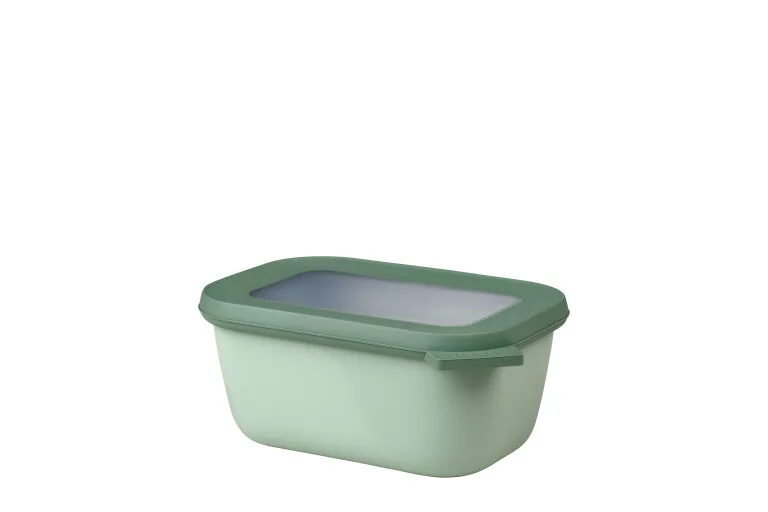
Multikom Cirqula rechthoekig 750 ml - Nordic sage
-
Multikom Cirqula rechthoekig 3000 ml - Nordic sage: 3000 ml rectangular container is BPA-free and suitable for large batches of soup or salad; freezer and microwave safe. It replaces several smaller containers when you cook in bulk, but takes up significant space.
Multikom Cirqula rechthoekig 3000 ml - Nordic sage
Multikom Cirqula rechthoekig 3000 ml - Nordic sage
-
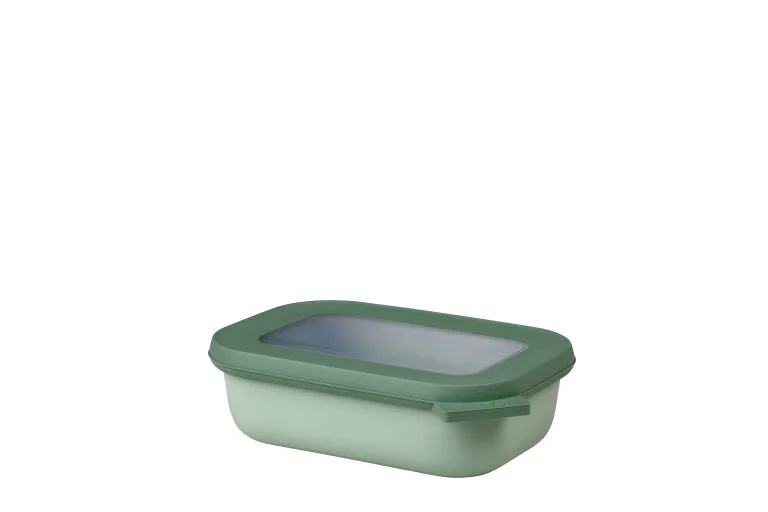
Bol multi-fonction Cirqula rectangulaire 500 ml - Nordic sage: 500 ml rectangular bowl is designed to optimize storage space in the fridge or freezer thanks to its rectangular shape. It is the best choice for tight shelves and single servings, though it lacks the dishwasher and BPA-free notes of the larger sizes.
Which size should you choose?
Best for
- 500 ml: single servings, snacks, or side dishes
- 750 ml: everyday leftovers like soup, risotto, or meal prep for one
- 3000 ml: batch cooking, large salads, or feeding a family
Not for
- 500 ml: large meals or batch cooking
- 750 ml: storing a whole pot of soup or several days of meals for multiple people
- 3000 ml: tight fridge spaces or single portions