Quick Answer
Choose a Class B hard case that fits your trauma gear's volume, protects against impact and moisture, and organizes contents for rapid access.
Why Hard Cases Matter for Trauma Gear
Trauma supplies like bandages, tourniquets, and airway devices are only useful if they stay clean, dry, and intact. A hard case shields them from impact, dust, and water, so they're ready when you need them.
The right case also helps you stay organized. When every second counts, you don't want to dig through a loose pile of supplies. A structured interior lets you see and grab what you need fast.
Trade-Offs: Size, Weight, and Protection
Larger cases hold more gear but weigh more and take up more space in a vehicle or backpack. Smaller cases are easier to carry but may force you to leave out essential items.
Heavier-duty construction offers better protection but adds weight. Consider where the case will live: a clinic or vehicle can handle a heavier case, while a personal trauma kit might need something lighter.
Think about the environment. If the case will face extreme temperatures or rough handling, prioritize rugged construction and a secure closure system.
Decision Rules for Choosing Your Trauma Case
- Assess Your Gear Volume: List all items you need to store. Measure their total volume and compare with case interior dimensions. Leave about 20% extra space for future additions. Choose a case that fits your current kit with room to grow.
- Match Protection to Environment: If the case will be used outdoors, in vehicles, or in rough conditions, prioritize rugged hard-shell construction and a secure closure. For indoor storage, lighter cases may suffice. Consider the worst-case handling your gear will face.
- Plan for Organization: Look for a case with dividers, inserts, or customizable foam. Clear labeling or color-coding helps you identify contents at a glance. Organization speeds up access during an emergency.
Featured Product
-
Class B Hard Cases: Class B Hard Cases feature rugged hard-shell construction and a secure closure system. This protects your trauma supplies from impact and environmental elements, keeping them ready for use.
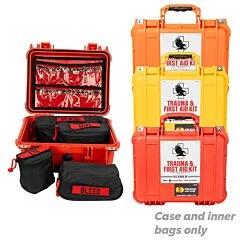
Class B Hard Cases
Who Should Choose a Class B Hard Case
Best for
- First responders and medical professionals who need durable, organized transport for trauma kits
- Outdoor enthusiasts or tactical users who need protection from impact and weather
Not for
- People who need a lightweight, packable case for minimal gear—consider a soft pouch instead
- Those on a tight budget—hard cases are more expensive than soft bags