Quick answer
For everyday use, look for a bath towel made from long-staple cotton with a GSM (grams per square meter) between 400 and 600. This range balances absorbency with drying speed. The Classic Bath Towel, which uses an air-trapping process, offers lightweight absorbency that dries quickly.
Why material matters for absorbency
Cotton is the gold standard for bath towels because natural fibers hold water well. Long-staple cottons, like Egyptian or Turkish, produce fewer loose fibers and create a denser weave that absorbs more moisture per square inch. Towels made from short-staple cotton may feel rough and lose absorbency after a few washes.
GSM: weight vs. drying time
GSM measures how dense a towel is. A higher GSM (600–900) means thicker, more plush towels that absorb a lot of water but take longer to dry. A lower GSM (300–400) dries fast but may feel thin. For most households, a mid-range GSM of 400–600 offers the best daily balance: enough absorbency to dry off without leaving the towel damp all day.
Construction and weave
A towel's absorbency also depends on how the loops are woven. Longer loops (often called 'zero-twist' or 'fiber-trapping' loops) create more surface area to capture water. The Classic Bath Towel uses a process that traps each cotton fiber with air, which increases absorbency without adding weight. This also helps the towel dry faster after use.
Decision rules for choosing a bath towel
- Check the material: Look for 100% cotton, preferably long-staple (Egyptian, Turkish, or Supima). Avoid blends with polyester if absorbency is your priority.
- Choose the right GSM: For everyday use, target 400–600 GSM. If you want a spa-like plushness and don't mind slower drying, go higher. If you need fast drying in a humid climate, stay under 500 GSM.
- Examine loop construction: Longer, densely packed loops absorb more. Look for towels that describe zero-twist or air-trapping fibers—these offer better absorbency without extra weight. If you see loose threads or uneven loops after washing, the towel may lose absorbency over time.
- Test after washing: New towels often have a factory finish that reduces absorbency. Wash them once with a small amount of vinegar (no fabric softener) to remove residues, then test absorbency. Avoid fabric softeners and dryer sheets—they coat fibers and reduce water absorption.
Product facts
-
Classic Bath Towel: Using a process that traps each cotton fiber with air, we've made a towel that is lightweight, absorbent, quick drying and incredibly soft. This air-trapping method lets the towel absorb moisture effectively while remaining light enough to dry quickly, making it ideal for daily use or humid bathrooms.
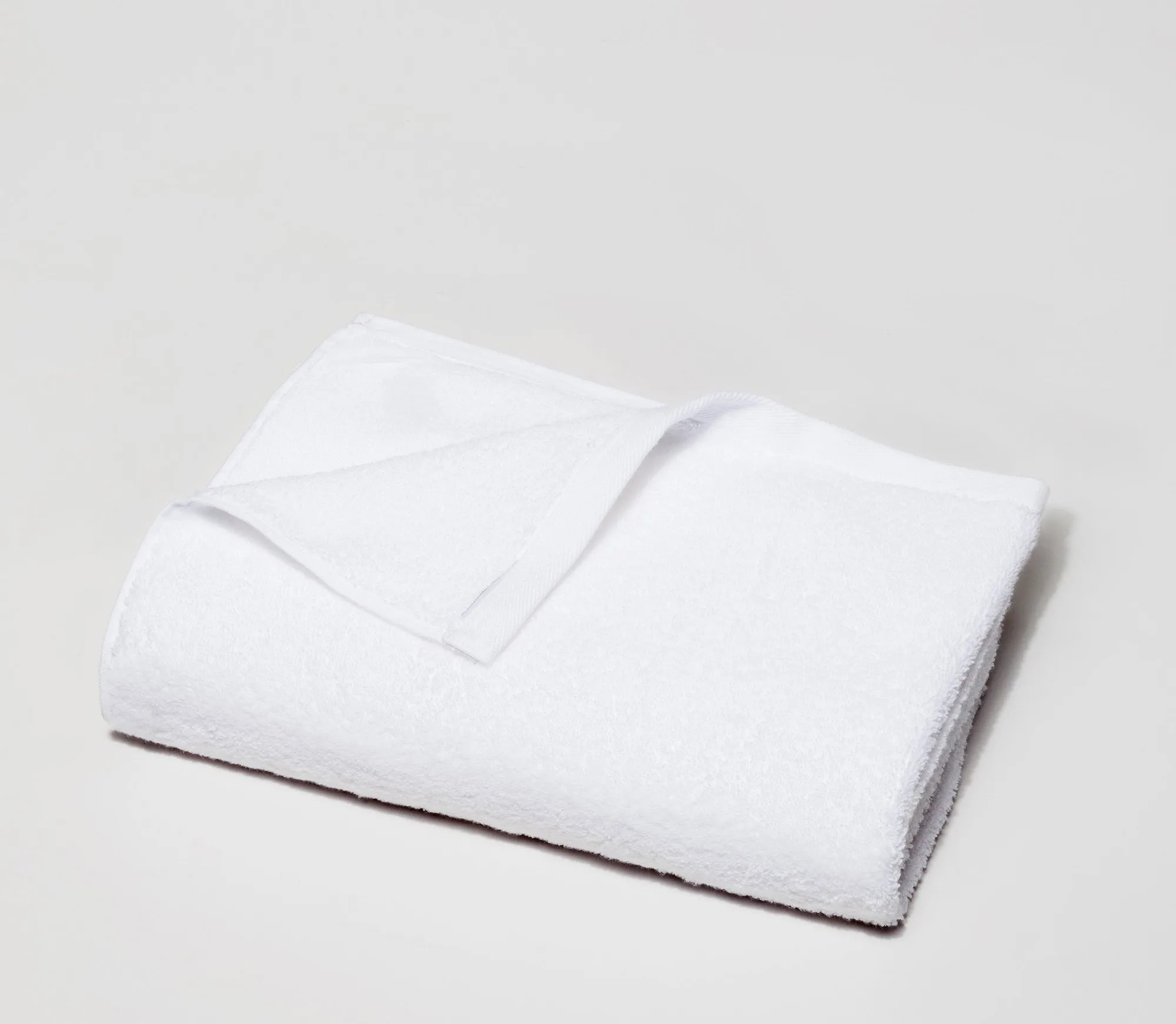
Classic Bath Towel
Who this towel is for
Best for
- Daily bathers who want a towel that dries quickly between uses
- People in humid climates who need a lightweight, breathable towel
Not ideal for
- Those who prefer an ultra-thick, heavy spa towel that stays damp longer