Quick answer
For a Classic Cedar Raised Garden Bed 2x8 ft, plan a single-row or staggered layout along the length, with tall crops at the north end and short ones at the south to maximize sunlight. Use the 10.5-inch depth for deep-rooted vegetables like tomatoes and peppers.
Why the 2x8 size works well
The 2x8 ft footprint is narrow enough to reach the center from either side, eliminating the need to step into the bed. This makes it ideal for gardeners who want easy access without compacting soil. The 10.5-inch depth supports most vegetable root systems, including carrots and beans.
Orientation matters
Position the bed north-south if possible, so tall plants on the north end don't shade shorter ones. In a small garden, an east-west orientation works if you place low-growing crops on the south side.
Soil and drainage considerations
Fill the bed with a mix of topsoil and compost. The cedar frame naturally resists rot, but ensure the bed has drainage holes or is placed on a slight slope to prevent waterlogging.
How to plant and layout your 2x8 ft cedar raised bed
- Plan your crop arrangement: Sketch the bed on paper, dividing the 8-foot length into sections. Place tall crops like tomatoes or pole beans at one end (north if possible), medium crops like peppers in the middle, and low crops like lettuce or herbs at the opposite end. Avoid placing tall crops in the center, which will shade both ends.
- Space plants for easy harvesting: Use a single-row or staggered double-row pattern. For example, plant tomatoes 18-24 inches apart along one side, and basil 12 inches apart on the other side. Leave at least 12 inches between rows for airflow and access. Overcrowding reduces yield and increases disease risk. Check seed packet spacing guidelines.
- Prepare and fill the bed: Assemble the bed using the dovetail frame system (no tools needed). Fill with a 50/50 mix of garden soil and compost, leaving 1-2 inches below the rim for mulch. Water thoroughly before planting. Do not use untreated lumber or pressure-treated wood inside the bed. The cedar frame is safe for edibles.
- Plant and water strategically: Plant seedlings or seeds according to your layout. Water at soil level early in the morning to minimize evaporation and reduce fungal issues. Use drip irrigation or a soaker hose along the length of the bed. Overhead watering can splash soil onto leaves, increasing disease. Keep water off foliage.
- Maintain throughout the season: Add a 2-inch layer of organic mulch (straw or wood chips) to retain moisture and suppress weeds. Monitor for pests weekly. At season end, remove spent plants and add compost to replenish nutrients. Cedar resists rot, but the bed will last longer if you avoid leaving wet soil against the wood for extended periods.
Product facts
-
Classic Cedar Raised Garden Bed 2 ft x 8 ft x 10.5 in (1/2 in Thick) RC24966T-C: Crafted from 100% solid American cedar, this garden bed naturally resists rot and insects without chemical treatments. You can grow edible plants without worrying about chemical leach, and the bed will last for years outdoors.
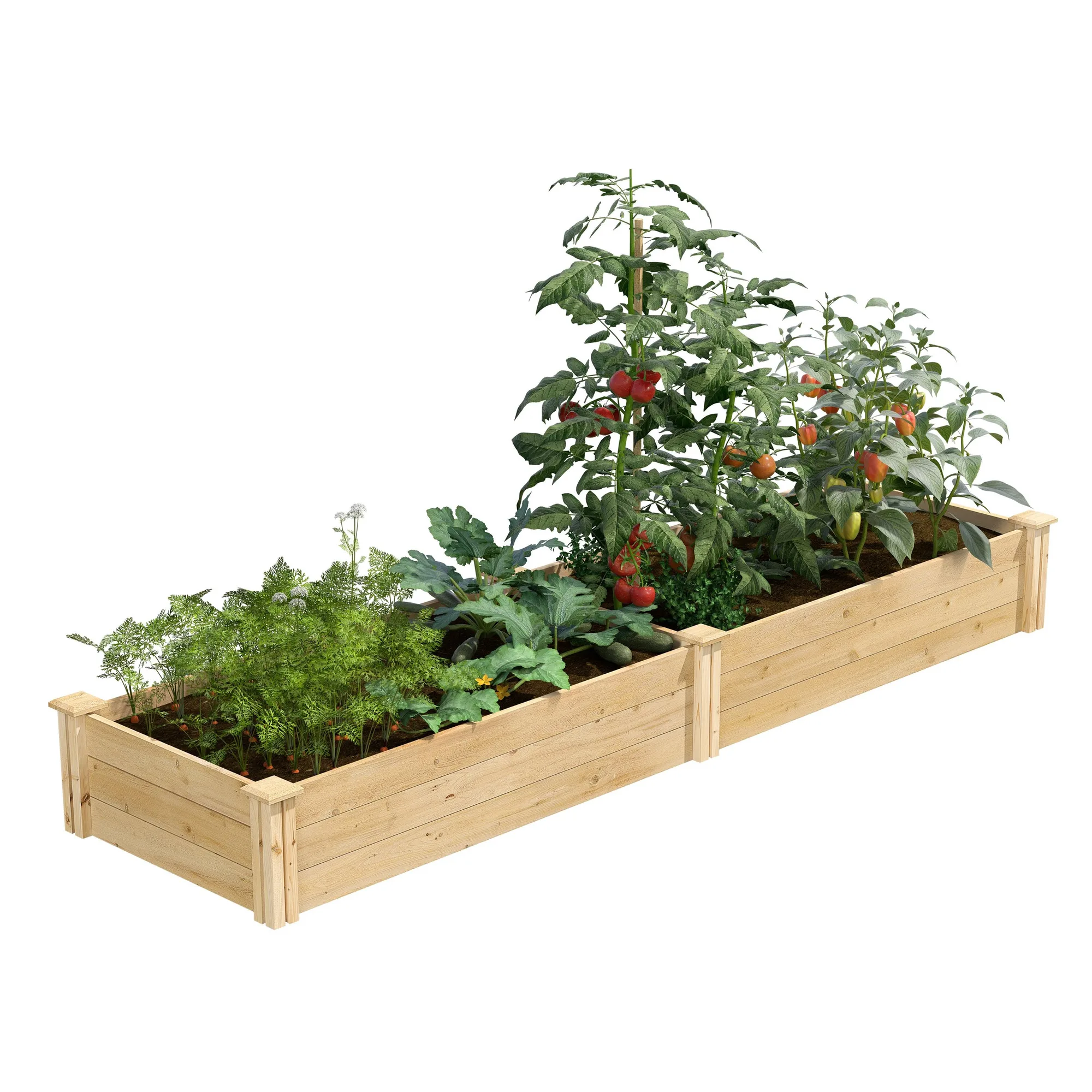
Classic Cedar Raised Garden Bed 2 ft x 8 ft x 10.5 in (1/2 in Thick) RC24966T-C