Quick answer
A classic one-piece should feel snug but not tight: the fabric lies smooth over the torso, the straps stay put without digging, and the leg openings sit flat against the skin. If the suit pulls down at the shoulders or rides up at the back, the torso length or size is wrong, not your body.
Why torso length matters more than dress size
One-piece swimsuits are cut for a range of torso lengths, and two people who wear the same dress size can need different swimsuit sizes. A suit that is too short for your torso will pull at the shoulders and feel tight through the middle; one that is too long will sag at the bust or bag at the lower back. Before you choose a size, measure your torso: run a soft tape from the top of one shoulder, down through the crotch, and back up to the same shoulder point. Compare that number with the brand's size chart rather than guessing from your clothing size.
Coverage is a separate decision from length. A higher leg opening gives more freedom of movement but less seat coverage, while a square neckline or wider strap changes how supported the bust feels. Decide which coverage you want for swimming, lounging or both, then use the fit checks below to confirm the suit matches that choice.
Where a one-piece usually goes wrong
Most fit problems show up in three places: the shoulders, the bust and the leg openings. Straps that dig or slide mean the torso section is too short or the straps are adjusted too tightly. Gap at the bust or a neckline that stands away from the body usually means the suit is too long or too large in the cup area. Leg openings that cut in or ride up point to a size that is too small or a cut that does not match your hip shape.
Adjustable straps help, but they cannot fix a torso that is significantly too short or too long. Use them for fine-tuning after you have confirmed the body length is right.
How to check the fit step by step
- Measure your torso first: Run a soft tape from the top of one shoulder, down through the crotch and back up to the same shoulder. Write the number down and compare it with the size chart before trying anything on. If your torso measurement falls between two sizes, size up for length and use the adjustable straps to take in the extra.
- Put the suit on and check the shoulders: Stand tall and roll your shoulders. The straps should sit flat without digging in or sliding off. Adjust them only after the body of the suit sits smoothly over your torso. Straps that still dig after adjustment mean the torso section is too short, not that the straps need to be tighter.
- Check the bust and neckline: Look for gaping at the neckline or fabric that stands away from the body. The built-in padding should sit flat against your chest without shifting when you move your arms. If the neckline gaps but the torso length feels right, the cup area may be too large; try a smaller size or a different neckline.
- Test the leg openings and seat coverage: Squat, sit and take a few steps. The leg openings should lie flat without cutting in, and the back should stay in place rather than riding up. Leg openings that roll or cut in usually mean the suit is too small; ride-up at the back can also signal a torso that is too short.
- Move around before you decide: Raise your arms overhead, bend forward and twist. The suit should stay in place with no pulling at the shoulders and no gaping at the bust. Any suit that needs constant tugging after this test will not improve with wear; return it and try a different size or cut.
Product fit notes
-
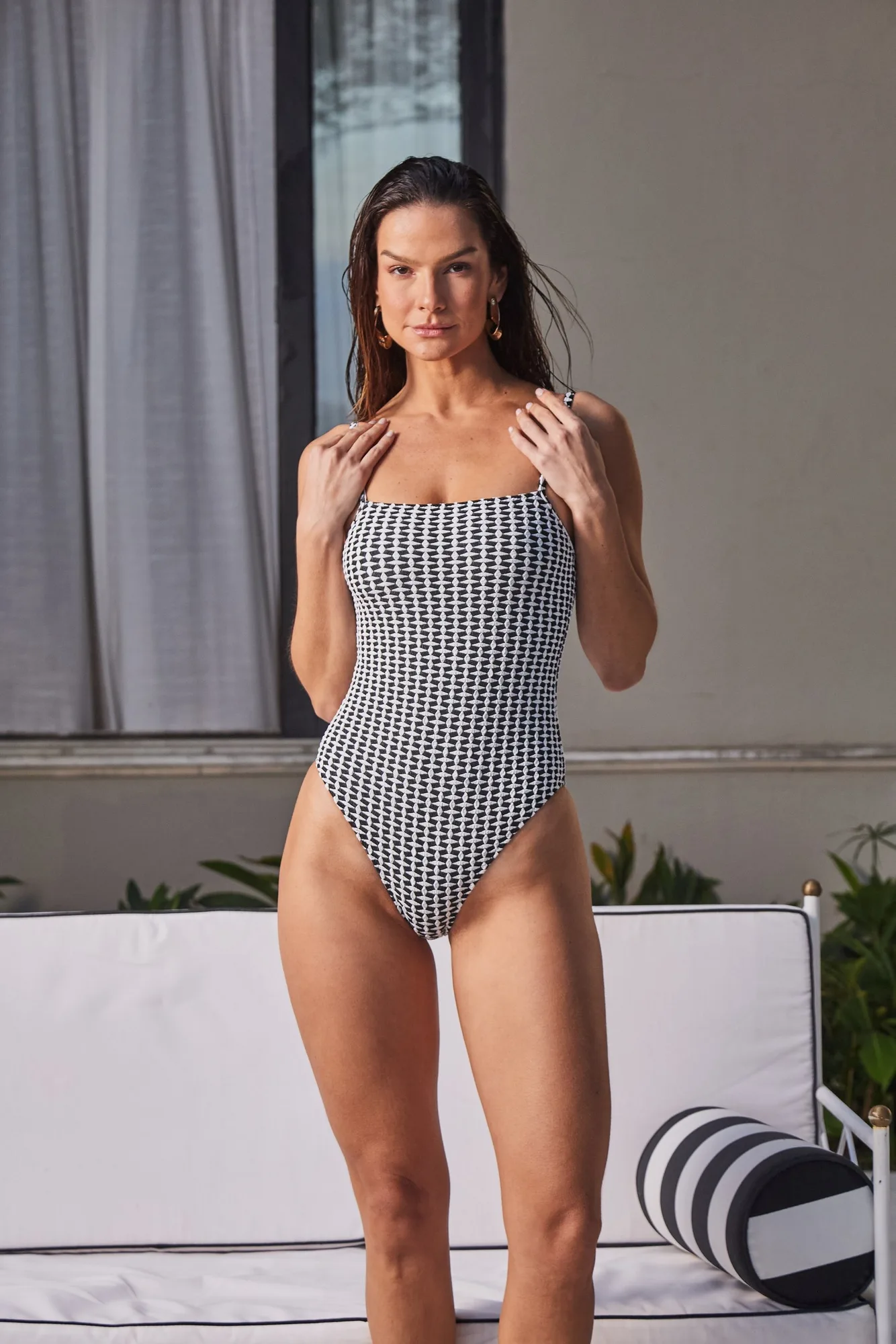
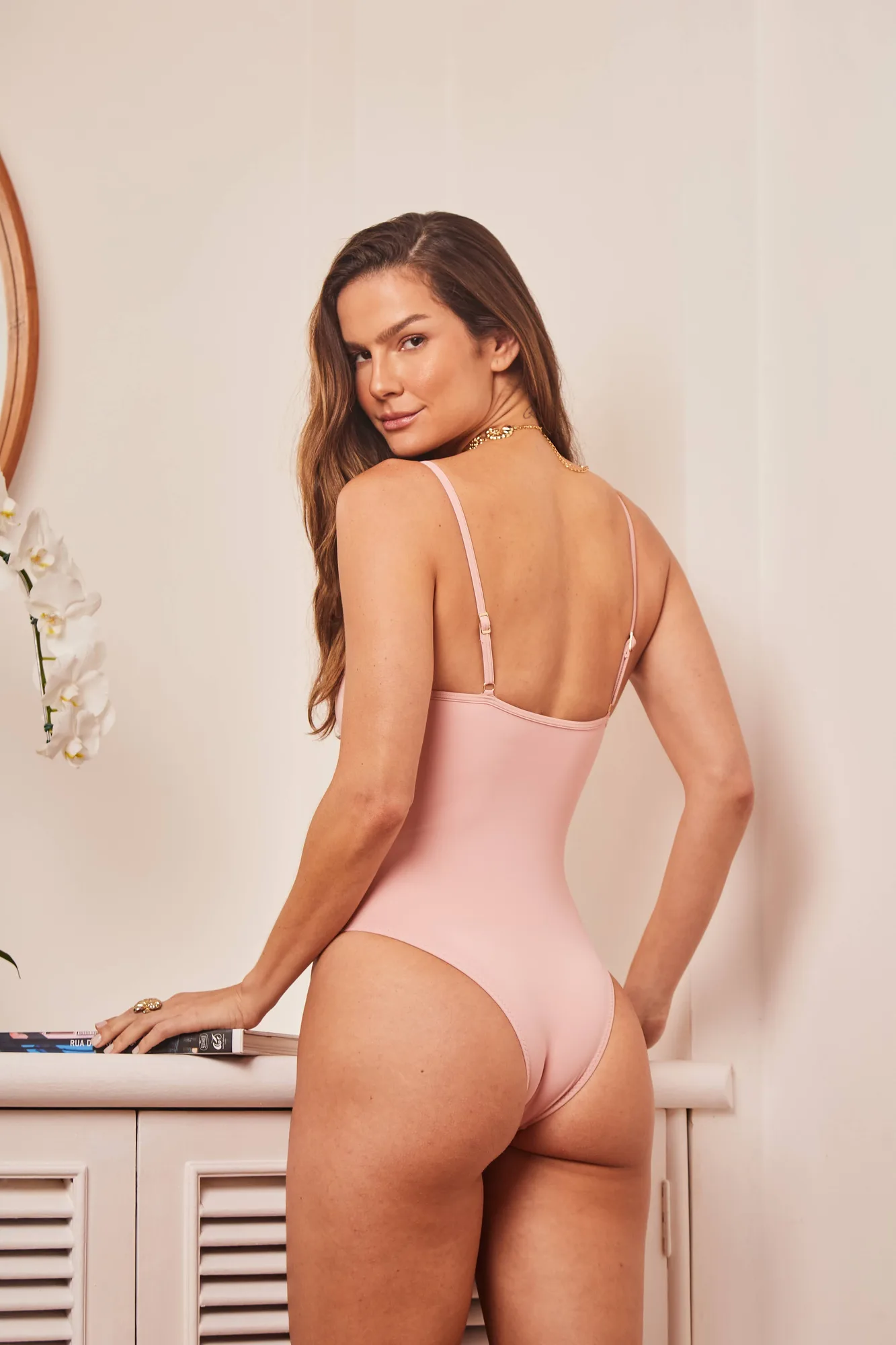
Classic One-Piece Swimsuit: Delicate adjustable straps and a square neckline with built-in padding. The adjustable straps let you fine-tune shoulder tension, while the square neckline and padding give gentle shaping and coverage across the bust.
Classic One-Piece Swimsuit