Start with the lid you actually have
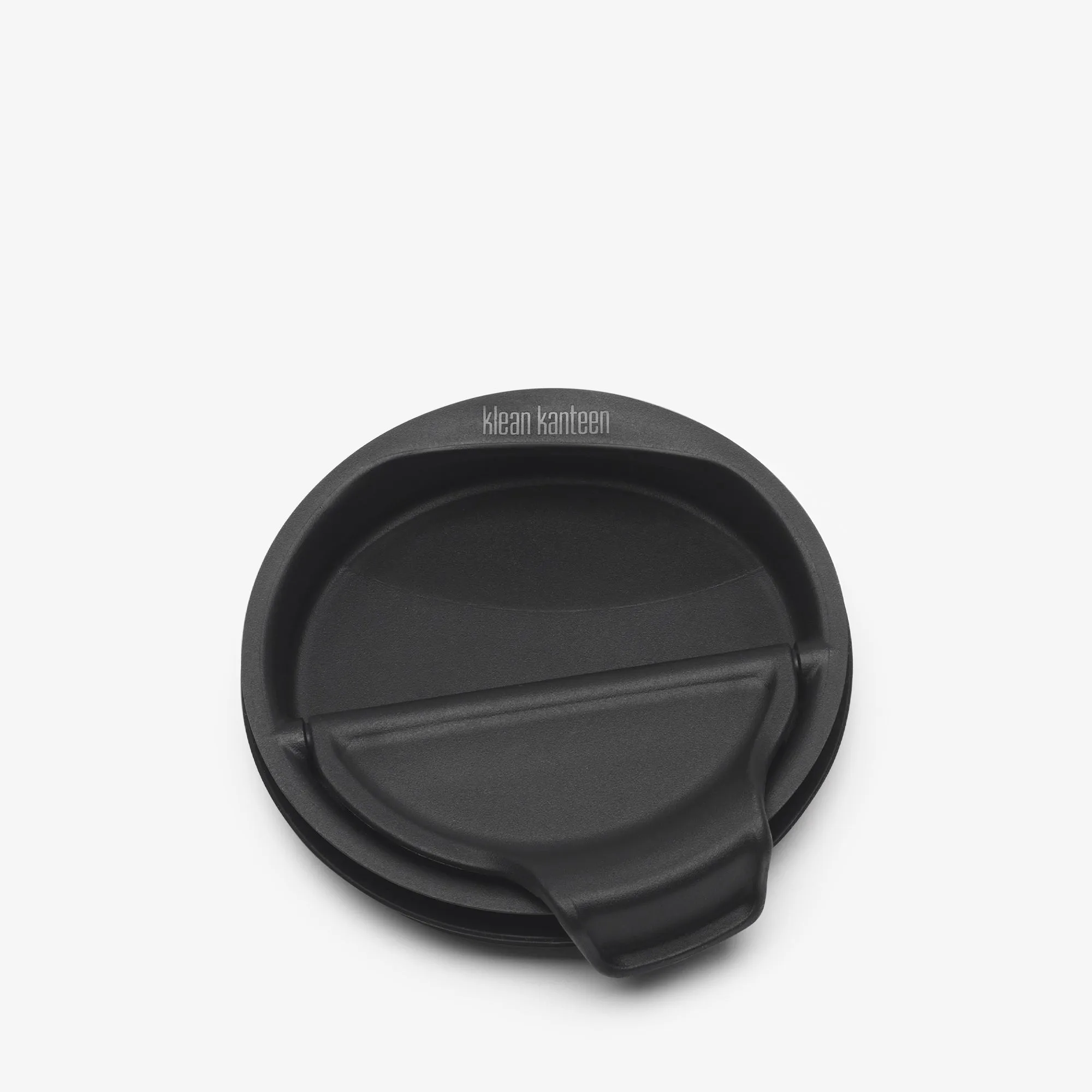
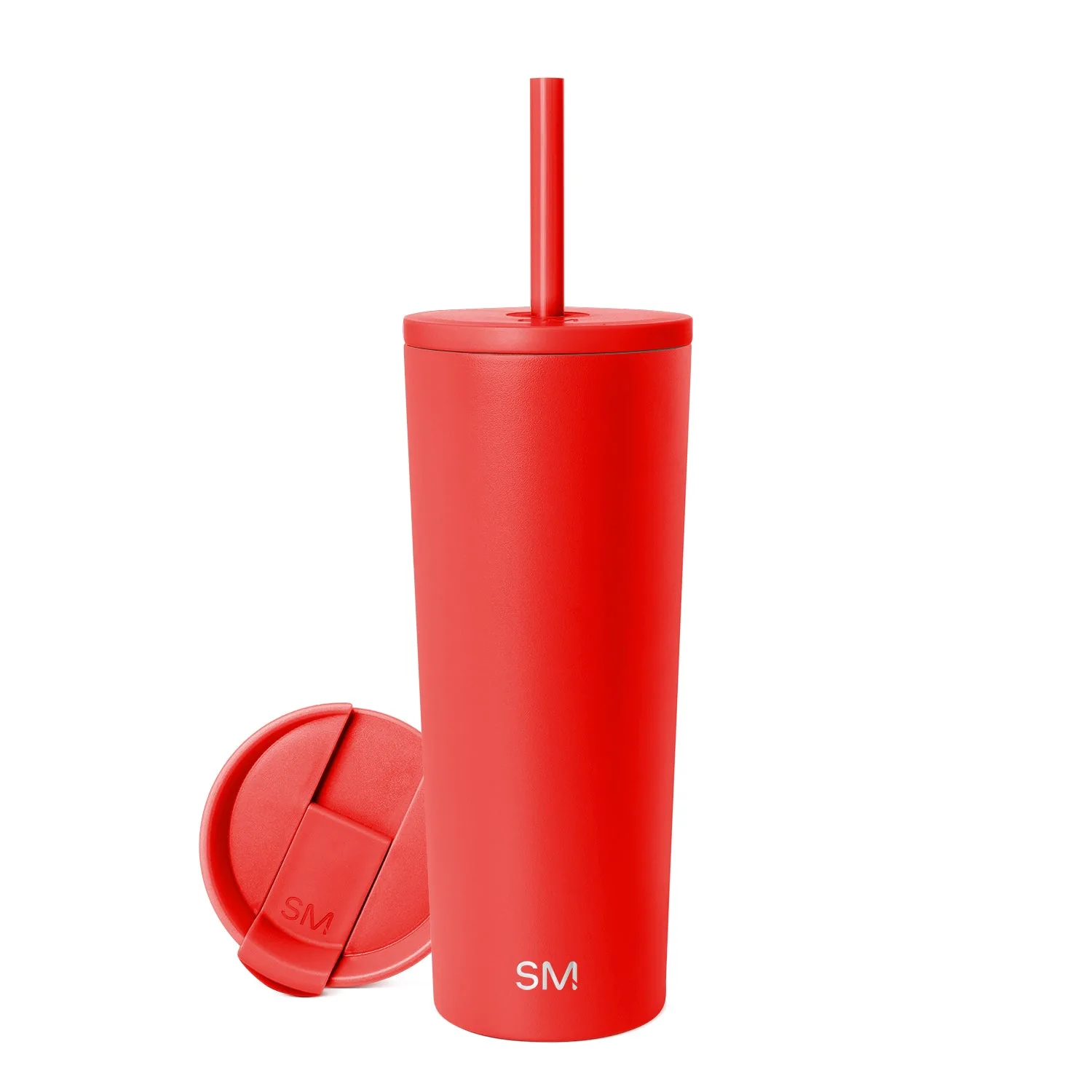
The Classic Tumbler ships with two lids: a straw lid and a flip lid. Both are described as leak-resistant, which means they are designed to prevent leaks under normal use, not to be fully leakproof in every situation. Before you assume the tumbler itself is the problem, confirm which lid is on the cup and whether the issue follows that lid or appears with both.
A leak that shows up only with the straw lid points to a different set of checks than one that appears with the flip lid. Likewise, an odor that lingers after washing is usually a sign that something in the lid assembly is trapping residue, not that the stainless steel body has absorbed a smell.
Leak checks to run before you replace anything
Work through these in order. Each one is a visual or hands-on check you can do at the sink, and none of them requires tools.
- Confirm the lid is fully seated: A lid that is slightly off its threads or pushed down unevenly can let liquid escape around the rim. Remove it, reseat it, and test with water before concluding the lid is faulty.
- Inspect the sealing areas for debris: Coffee grounds, tea leaves, and dried sugar can sit in the grooves where the lid meets the cup. Rinse and wipe those areas, then retest.
- Check the straw lid opening: The straw lid is designed to hold a straw, so liquid can travel through that opening when the cup is tipped. Test the flip lid separately to see whether the leak is specific to the straw design.
- Look for cracks or deformation: Hold the lid up to a light and flex it gently. Visible cracks, warping, or a rim that no longer sits flat are signs the lid has reached the end of its useful life.
- Test with cool water, not hot coffee: A small amount of cool water in the sink is easier to trace than a dark, hot drink. Fill the tumbler partway, fit the lid, and tip it over the sink to see where moisture appears.
When the leak is not the lid's fault
Leak-resistant is not the same as leakproof. If your tumbler tips over in a bag or gets shaken hard, some moisture can escape through the lid openings even when everything is working as intended. That is a design characteristic, not necessarily a defect.
The supplied product information does not include a gasket replacement part, a specific gasket material, or a manufacturer procedure for replacing lid seals. If your lid has a removable gasket and it looks stretched or torn, check with the retailer or the manufacturer's current support information before buying a replacement. Do not substitute a random O-ring without confirming the size and material, because a poor fit can make leaking worse.
What the Classic Tumbler lid is built to do
-
Classic Tumbler: Comes with a straw lid and a flip lid to prevent leaks. Two lids give you a way to isolate the problem: if one lid leaks and the other does not, you have narrowed the issue to that lid rather than the tumbler body.
Classic Tumbler
-
Classic Tumbler: Double-wall insulation prevents condensation and keeps beverages hot or cold for hours. A sweat-free exterior means moisture on the outside of the cup is more likely to come from the lid area or a spill than from condensation, which helps you trace a leak.
-
Classic Tumbler: Made of premium 18/8 stainless steel. The tumbler body is stainless steel, so persistent odors are more likely to be coming from the lid components and their crevices than from the cup itself.
A cleaning routine that targets odor at the source
Odor in a tumbler lid usually comes from residue that ordinary rinsing does not reach. The routine below focuses on the lid, because that is where the narrow openings and overlapping parts are. The supplied information does not specify dishwasher suitability or water temperature, so hand washing with warm water and a mild dish soap is the conservative approach.
Disassemble what can be disassembled. If your lid has a removable gasket or a sliding closure, take it apart as far as it is designed to go. Small parts that come off are the ones most likely to hide residue.
- Rinse immediately after use: Empty the tumbler and rinse the lid as soon as you finish a drink. Dried coffee, tea, or smoothie residue is harder to remove and more likely to leave a smell.
- Wash the lid in warm, soapy water: Use a mild dish soap and a soft brush or bottle brush that can reach into the straw opening and the flip-lid hinge area. Avoid abrasive pads that could scratch plastic surfaces.
- Pay attention to the gasket and hinge: These are the two places where liquid sits longest. If the gasket is removable, lift it out, wash both sides, and rinse thoroughly before putting it back.
- Rinse until the water runs clear and odor-free: Soap residue can itself hold a smell. Rinse longer than you think you need to, especially inside the straw opening.
- Air-dry fully before reassembly: Leave the lid parts spread out on a drying rack until completely dry. Putting a damp lid back on the tumbler traps moisture and encourages mustiness.
- Repeat with a deeper soak if odor persists: If a normal wash does not clear the smell, soak the disassembled lid parts in warm soapy water for a longer period, then scrub and rinse again. The supplied information does not specify a soaking duration or a cleaning solution, so start mild and check the result.
Habits that keep both lids working longer
Small daily habits make more difference than occasional deep cleaning. These apply to the straw lid and the flip lid alike.
- Do not leave a full tumbler sealed overnight: A sealed cup with liquid inside holds moisture and odor against the lid. Empty and rinse it before bed if you can.
- Store the lid off the cup: When the tumbler is not in use, leave the lid off or loosely fitted so air can circulate. This is one of the simplest ways to prevent musty smells.
- Keep the straw clean or replace it: The straw is a separate part from the lid, and residue inside it can smell even when the lid is clean. Wash it with a straw brush, and replace it if it stays cloudy or odorous.
- Check the lid before you pack it: Since the lids are leak-resistant rather than leakproof, carry the tumbler upright in a bag and give the lid a quick visual check before you leave.
What the supplied information does not confirm
The product record does not include a gasket replacement part number, a dishwasher recommendation, a specific cleaning temperature, or a manufacturer troubleshooting procedure for leaks. It also does not confirm whether the lids are compatible with other tumbler models. If your lid is damaged and you need a replacement, contact the seller or the manufacturer directly rather than assuming a part will fit.
If you have worked through the checks above and the lid still leaks with cool water or still smells after a thorough wash and full dry, the practical next step is replacement rather than further repair. The Classic Tumbler itself remains usable with the second included lid while you sort that out.