Quick answer
For decorative molding and detail veining, choose a classical round bottom bit based on the radius that matches your design and the shank size your machine accepts. For lighter work, the 1/8″ radius bit with a 1/4″ shank is a versatile start; for deeper cuts, the 7/32″ radius with a 1/2″ shank offers more stability.
Radius vs. cut depth: matching the bit to your design
The radius of a classical round bottom bit determines the width of the groove and how pronounced the veining appears. A smaller radius, like 1/8″, creates a finer line suitable for delicate details and tight curves. A larger radius, like 7/32″, produces a broader, more pronounced channel that stands out on larger panels.
Cut length also matters. The 1/8″ radius bit has a 1/2″ cut length, which is enough for most surface veining and shallow decorative grooves. The 7/32″ radius bit offers a 9/16″ cut length, giving you a bit more depth for deeper molding profiles without multiple passes.
Shank size: stability and compatibility
Shank size affects both compatibility and stability. A 1/4″ shank fits most trim routers and many CNC spindles with a 1/4″ collet. It’s lighter and easier to control for fine work. A 1/2″ shank is stiffer and less prone to deflection, which is beneficial for larger cuts or when using a CNC at higher feed rates.
Check your router or CNC collet before buying. If you have a 1/2″ collet, the 7/32″ radius bit with a 1/2″ shank is the more stable choice. If you only have a 1/4″ collet, the 1/8″ radius bit is your option.
AstraHP coating: wear and heat resistance
Both bits feature AstraHP coating, which reduces friction and heat buildup. This is especially useful when cutting hardwoods or when running long CNC jobs where heat can dull an uncoated bit quickly. The coating also helps the bit glide through the material, producing cleaner cuts with less burning.
While the coating adds to the cost, it extends the life of the bit between sharpenings. If you do frequent molding work, the extra upfront investment often pays off in fewer replacements.
Decision rules for choosing a classical round bottom bit
- Match the radius to the design: For fine, delicate veining, choose a 1/8″ radius. For broader, more pronounced grooves, choose a 7/32″ radius.
- Check your collet size: Use a 1/4″ shank if your router or CNC only accepts 1/4″ collets. Use a 1/2″ shank for maximum stability and less deflection, especially on deeper cuts. Verify your machine's collet size before purchasing.
- Consider cut length for depth: If you need deeper grooves, the 9/16″ cut length of the 7/32″ radius bit allows more depth in a single pass. For shallow veining, the 1/2″ cut length is sufficient.
- Adjust RPM to the bit size: Run the 1/8″ radius bit at 16,000 RPM and the 7/32″ radius bit at 13,000 RPM. Following recommended speeds reduces burning and extends bit life. Always check the recommended RPM for your specific bit.
Product facts
-
1/8″ Classical Round Bottom Router Bit x 1/4″ Shank – AstraHP Coated – Whiteside (3720): 1/8″ radius, 1/2″ cut length, 1/4″ shank, recommended RPM 16,000, AstraHP coated. This bit suits fine veining and detail work on cabinet doors, and its 1/4″ shank fits most trim routers and compact CNC spindles.
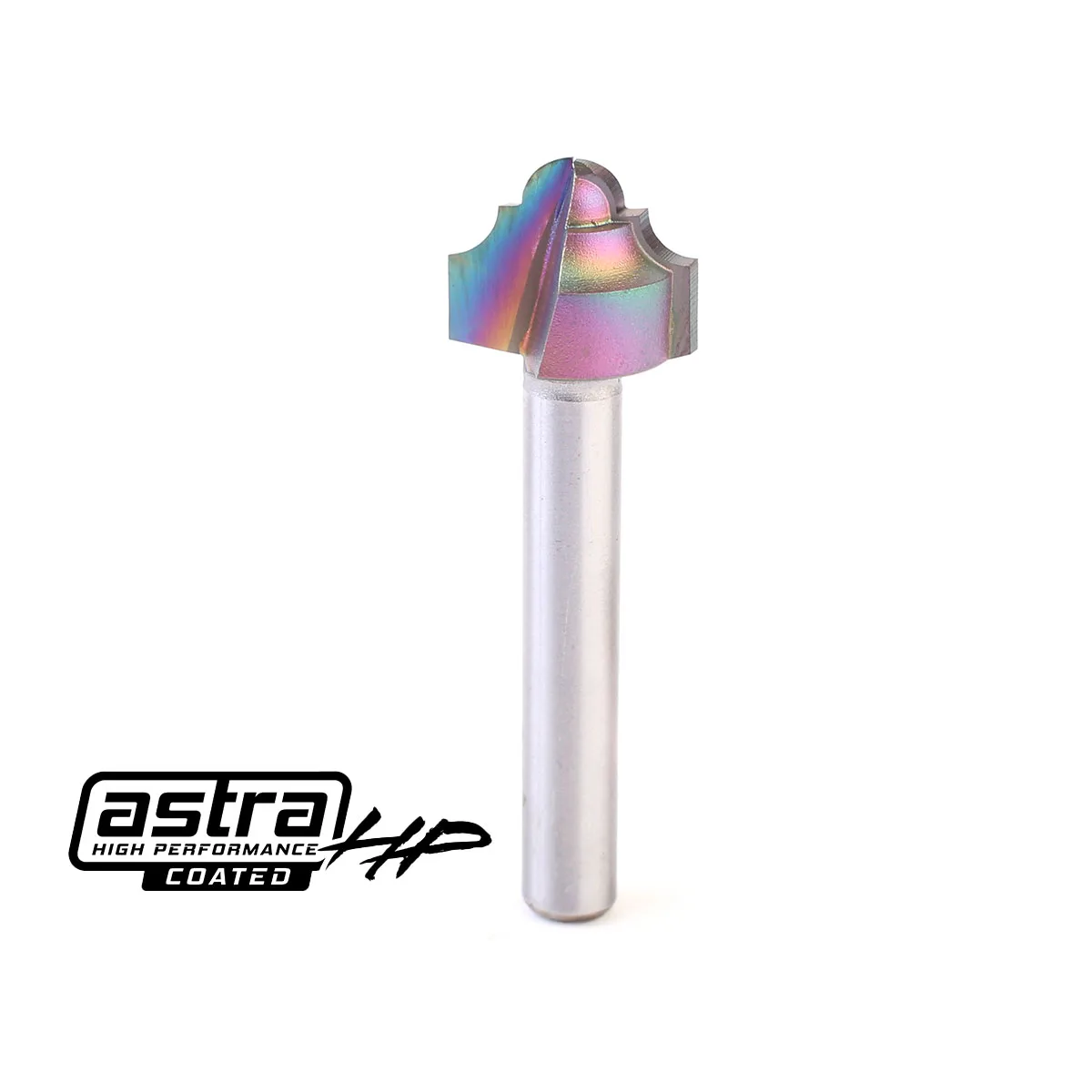
1/8″ Classical Round Bottom Router Bit x 1/4″ Shank – AstraHP Coated – Whiteside (3720)
-
7/32″ Classical Round Bottom Router Bit x 1/2″ Shank – AstraHP Coated – Whiteside (3750): 7/32″ radius, 9/16″ cut length, 1/2″ shank, recommended RPM 13,000, AstraHP coated. The larger radius and 1/2″ shank provide more stability for deeper cuts and larger molding profiles, ideal for CNC work with less deflection.
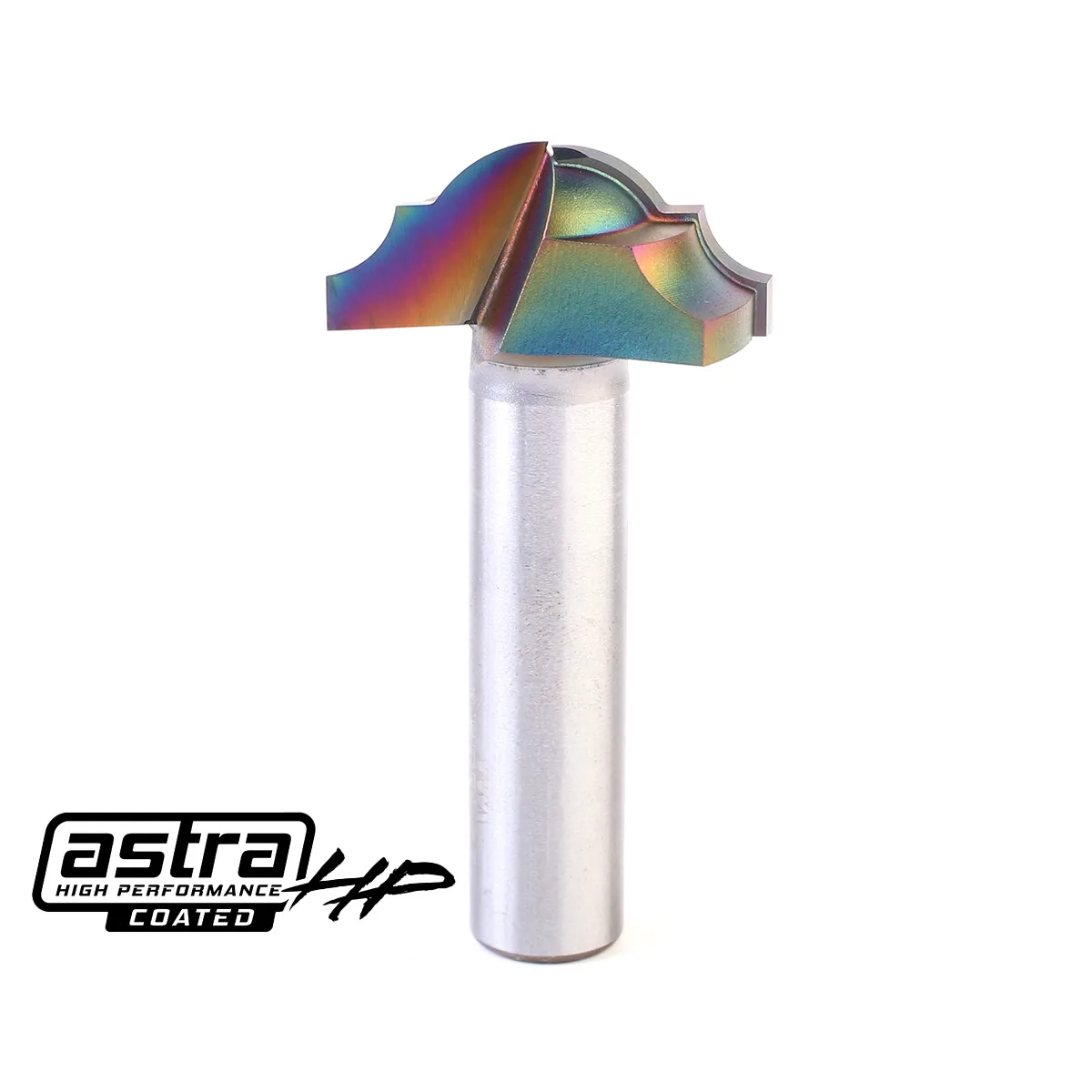
7/32″ Classical Round Bottom Router Bit x 1/2″ Shank – AstraHP Coated – Whiteside (3750)
Who should choose which bit
Best for
- The 1/8″ radius bit is best for cabinet door details and fine furniture veining.
- The 7/32″ radius bit is best for CNC users who need a deeper, more pronounced molding profile.
Not for
- Do not choose the 1/8″ radius bit if you need deep, wide grooves; consider the 7/32″ radius bit instead.
- Do not choose the 7/32″ radius bit if your router only accepts 1/4″ shanks; the 1/8″ radius bit is the compatible option.