Quick Answer
If you want targeted, on-the-go blackhead treatment, a clay stick offers precision and convenience. For full-face deep cleansing and pore refinement, a clay mask provides broader coverage and more intensive detoxification. Choose based on your skin's needs and your routine.
When it comes to tackling blackheads and clogged pores, clay-based treatments are a go-to. But the format matters: a clay stick lets you swipe precisely over problem areas, while a clay mask covers your entire face for a deeper, more uniform treatment. Both have their place in a pore care routine, but they serve different purposes.
This comparison breaks down the trade-offs between clay sticks and clay masks, so you can decide which deep cleansing method fits your skin type, lifestyle, and blackhead concerns.
Clay Stick vs. Clay Mask: Key Differences
Clay sticks are designed for spot treatment. Their twist-up format lets you apply a thin layer directly onto your nose, chin, or other areas prone to blackheads without mess. They're portable, quick to use, and easy to layer into a routine. However, because they're typically used on smaller areas, they may not provide the same full-face detoxifying effect as a mask.
Clay masks, on the other hand, are meant for broader application. Spread a generous layer over your entire face (or T-zone) and let it sit for several minutes. This allows the clay to draw out impurities, absorb excess oil, and refine skin texture more thoroughly. The downside is the time and cleanup involved, making them less convenient for quick touch-ups.
- Clay stick: precise, portable, minimal mess, good for spot treatment.
- Clay mask: full-face coverage, deeper pore cleansing, more intensive but time-consuming.
How to Choose Based on Your Skin Concerns
If your blackheads are concentrated in specific areas—like the nose or chin—a clay stick offers targeted action. It's also a great option for travel or midday touch-ups. On the other hand, if you struggle with overall oily skin, large pores, or frequent breakouts across your face, a clay mask can provide a more comprehensive deep clean.
Consider your skin type too. Clay masks can be drying if left on too long, so they're better for oily or combination skin. Clay sticks, because they're applied thinly to small areas, may be gentler for dry or sensitive skin, though you should always patch test.
- For targeted blackhead removal: choose a clay stick.
- For full-face oil control and pore refinement: choose a clay mask.
- For sensitive skin: use either sparingly and follow with hydration.
Using Both in One Routine
You don't have to pick just one. Many people use a clay mask once or twice a week for overall deep cleansing and a clay stick for daily spot treatment on stubborn blackheads. This combo lets you address immediate concerns while maintaining long-term pore health.
When layering, start with a clean face. Apply the clay stick to problem areas, then follow with a clay mask over the rest of your face if needed. Rinse thoroughly and always moisturize afterward to replenish hydration.
- Use a clay mask 1-2 times per week for full-face detox.
- Use a clay stick daily or as needed for spot treatment.
- Always follow with a moisturizer to prevent dryness.
Trade-offs at a Glance
- Convenience: Clay sticks are quick and mess-free, perfect for travel or on-the-go touch-ups. Clay masks require more time and cleanup. If you're always busy, a clay stick fits better into your routine.
- Coverage: Clay masks cover the entire face, providing even deep cleansing. Clay sticks are limited to small areas, so they may miss surrounding pores. For overall pore care, a mask is more thorough.
- Intensity: Clay masks often contain higher concentrations of active ingredients and are left on longer, offering a more intensive detox. Clay sticks are gentler and better for frequent use. Choose a mask for a weekly deep clean, and a stick for daily maintenance.
Product Facts
- Alaska Volcano Clay Deep Pores Cleansing Clay Mask: This clay mask is a detoxifying and exfoliating clay mask designed to deeply cleanse pores, remove blackheads, and refine skin texture. Infused with Alaska Volcano Clay micro particles, Glycolic Acid, and Probiotics, it promotes natural skin regeneration while protecting the skin barrier. The combination of clay and exfoliating acids makes it effective for full-face blackhead removal and texture refinement, but the exfoliating action means you should not leave it on too long if you have sensitive skin.
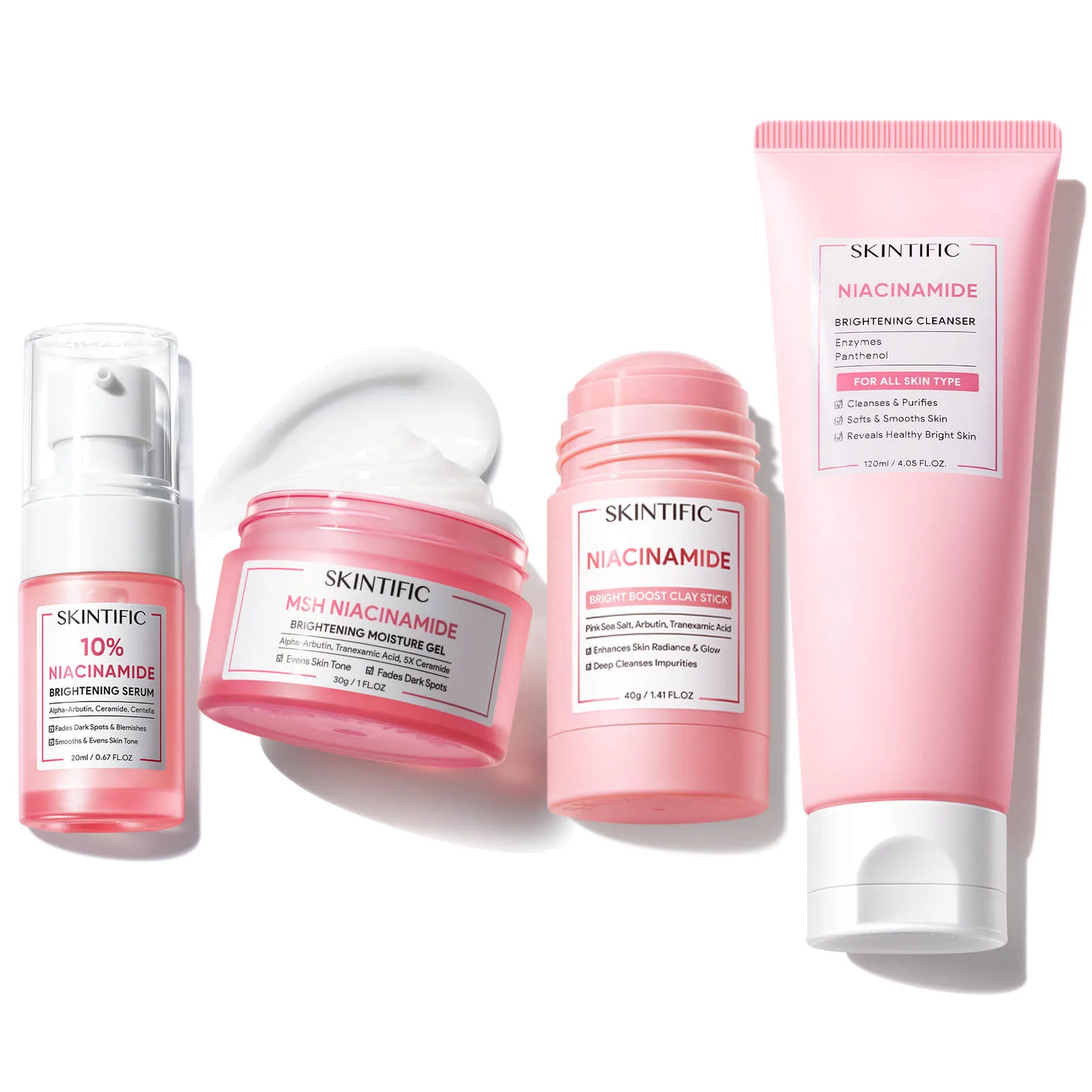
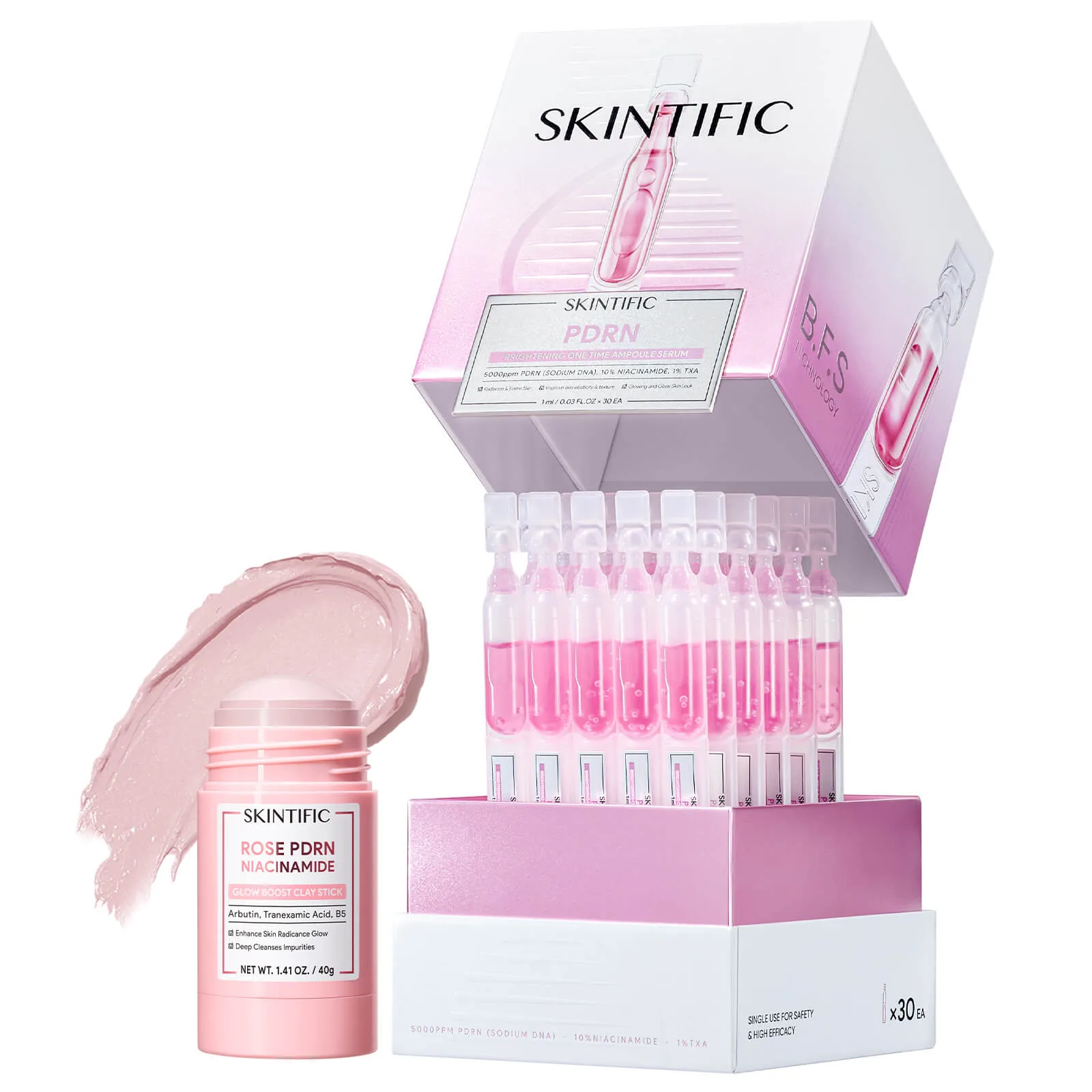
- PDRN Ampoule Moisture Gel and Clay Stick Set: This set includes a clay stick for targeted pore cleansing, along with a brightening serum and moisture gel to support a complete glow routine for dull, uneven, dehydrated-looking skin, clogged pores, and rough texture. The clay stick offers spot treatment for blackheads, while the accompanying serum and gel help hydrate and brighten, making it a balanced option for those who want both targeted and overall care.
Which Should You Choose?
Best for
- Clay sticks: people with targeted blackhead areas, oily T-zones, or those who need a portable option.
- Clay masks: people with widespread clogged pores, rough texture, or oily skin who prefer a weekly full-face treatment.
Not for
- Clay sticks: not ideal for full-face deep cleansing or if you have blackheads spread across your entire face.
- Clay masks: not suitable for daily use, especially if you have dry or sensitive skin, as overuse can strip moisture.
Both clay sticks and clay masks have their strengths. A clay stick offers precision and convenience for spot treatment, while a clay mask delivers a more comprehensive deep clean. Consider your skin type, blackhead severity, and lifestyle to pick the method that works best for you—or combine both for a complete pore care routine.