Burnt-on food is one of the most frustrating challenges in any kitchen. Whether it's a scorched tomato sauce or a charred stir-fry, that stubborn layer of blackened residue can make your favorite stainless steel pan look ruined. But before you reach for harsh abrasives or steel wool—which can permanently scratch the surface—know that there are effective, non-scratch methods to restore your cookware.
Stainless steel is prized for its durability and heat conductivity, but it's also prone to showing scratches and discoloration if cleaned improperly. The key is to use a cleaner that lifts burnt food without damaging the metal. In this guide, we'll walk you through step-by-step techniques using products like Cleanser and Cookware Cleanser & Polish from Bar Keeper's Friend, which are specially formulated to tackle tough burnt-on residue while preserving your pan's finish.
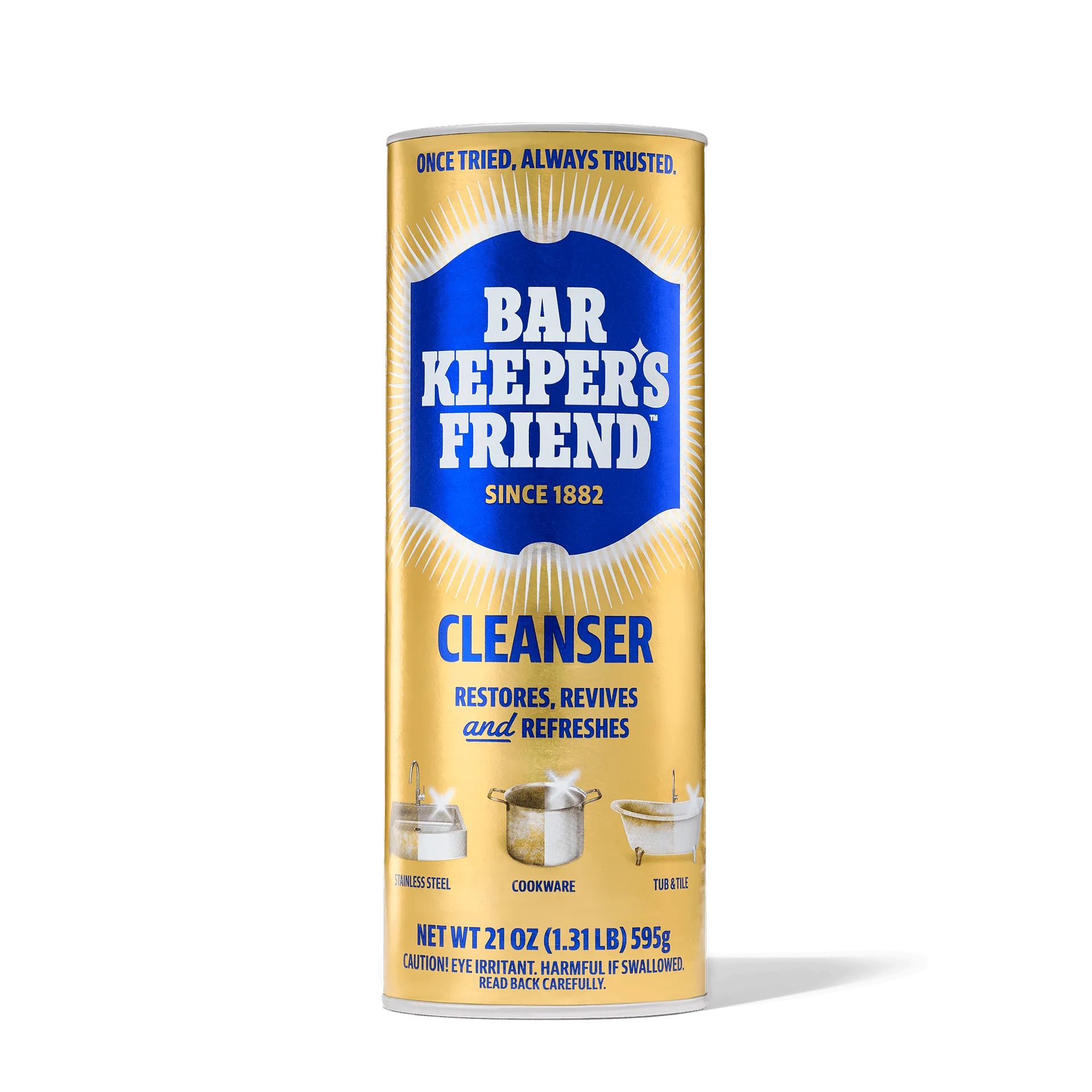
Cleanser
Why Stainless Steel Needs Special Care
Stainless steel is not non-stick, so food can easily bond to its surface when overheated. The high heat causes proteins and sugars to carbonize, creating a hard, baked-on layer. Scrubbing aggressively with metal pads or harsh chemicals can strip the protective oxide layer and leave visible scratches that trap future food particles.
The goal is to use a gentle abrasive that is fine enough to polish the metal without cutting into it. Bar Keeper's Friend products contain oxalic acid, which chemically breaks down burnt organic matter, and a mild abrasive that buffs away residue. This dual action makes them ideal for cleaning burnt stainless steel without scratching.
- Always test a small area first if you're unsure about your pan's coating.
- Avoid using bleach or chlorine-based cleaners, which can pit stainless steel.
Step-by-Step: How to Remove Burnt-On Food
Start by letting the pan cool completely. Hot metal can cause a cleaner to evaporate too quickly or react unevenly. Sprinkle a generous amount of Bar Keeper's Friend Cleanser over the burnt area. Add just enough water to form a thick paste—about a tablespoon of water per tablespoon of powder. Let the paste sit on the burnt spots for 2-5 minutes to allow the oxalic acid to start dissolving the carbonized food.
Using a soft sponge or a non-scratch scrub pad, work the paste into the burnt areas in circular motions. Apply moderate pressure, but let the cleaner do most of the work. For stubborn spots, you can let the paste sit longer (up to 10 minutes) or add a little more water to rehydrate it. Rinse thoroughly with warm water and dry immediately with a soft cloth to prevent water spots.
- For extra stubborn burnt food, try boiling a small amount of water in the pan first to loosen the residue, then apply the paste.
- Do not use the paste on hot surfaces—always clean cool cookware.
Polishing and Restoring Shine After Cleaning
Once the burnt food is removed, your pan may still look dull or have a cloudy film. This is often caused by mineral deposits or a thin layer of residue. To restore the original luster, use Bar Keeper's Friend Cookware Cleanser & Polish. This product is specifically designed for cookware and leaves a brilliant shine without scratching.
Apply a small amount of the Cookware Cleanser & Polish to a damp sponge or cloth. Rub it gently over the entire surface of the pan, inside and out. Rinse thoroughly and buff dry with a clean, lint-free towel. The result is a like-new finish that resists future staining and makes cleaning easier next time.
- Regular polishing once a month can help maintain the protective layer and reduce burnt-on buildup.
- For stainless steel sinks, the same technique works beautifully—just use a soft cloth.
Preventing Burnt-On Food in the Future
Prevention is always better than cure. To minimize burnt-on food, preheat your pan over medium heat before adding oil or butter. This creates a more even cooking surface. Also, avoid using high heat for extended periods—stainless steel conducts heat so well that medium-high is usually sufficient for searing.
When cooking, deglaze the pan with a splash of water, broth, or wine while it's still warm. This lifts food particles before they have a chance to burn and bond. If you do get a burnt spot, address it promptly with Bar Keeper's Friend Cleanser rather than letting it sit for days.
- Use wooden or silicone utensils to avoid scratching the surface during cooking.
- Never pour cold water into a hot pan—thermal shock can warp the metal.
Why Bar Keeper's Friend is the Best Choice for Stainless Steel
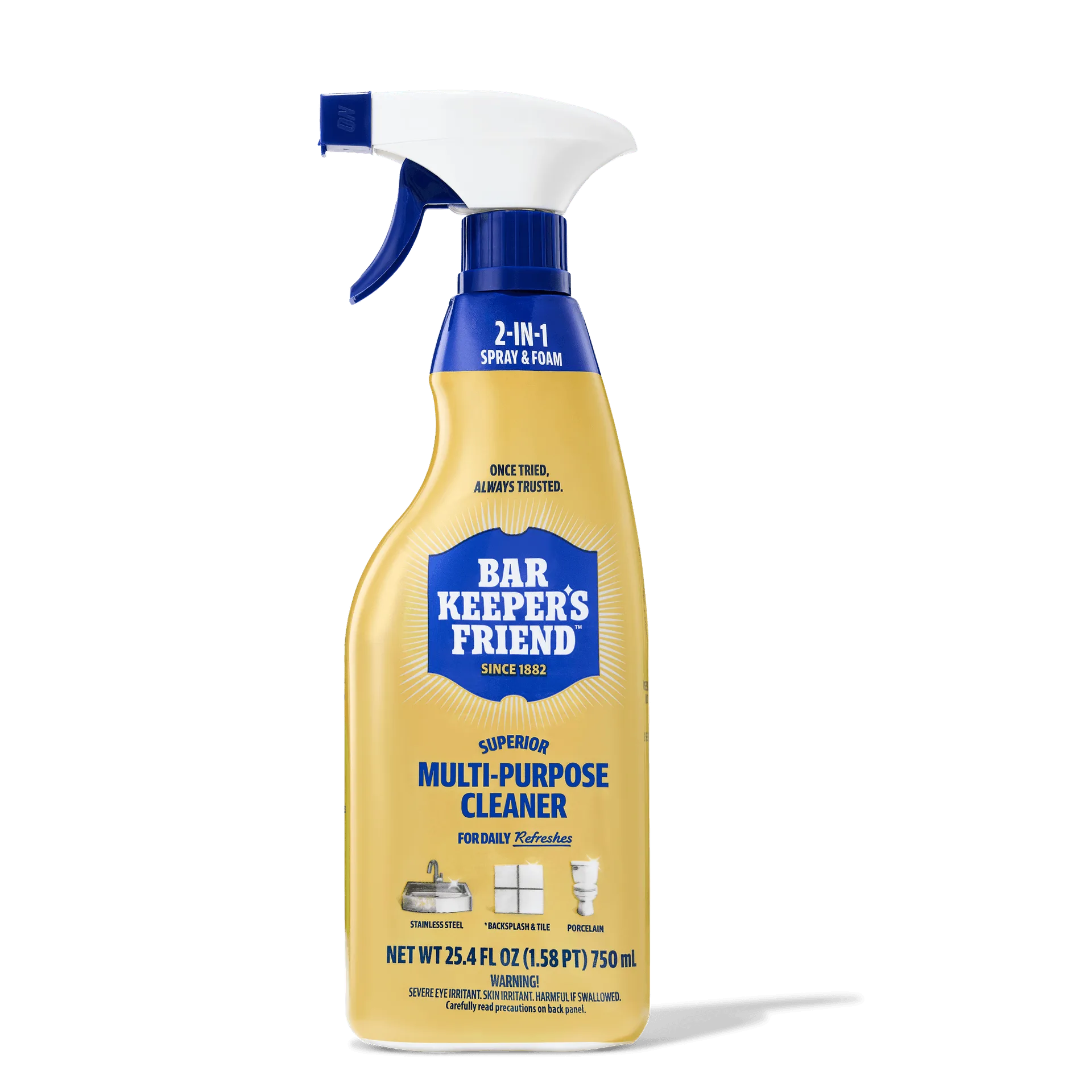
Bar Keeper's Friend has been a trusted name in cleaning for over a century. Unlike generic multipurpose cleaners, their formulas are pH-balanced and non-toxic, making them safe for food-contact surfaces. The Cleanser is a versatile powder that can be used on cookware, sinks, and even outdoor grills, while the Cookware Cleanser & Polish is tailored for the delicate finish of pots and pans.
Both products are free from harsh chlorine bleach and phosphates, so they're gentle on your cookware and the environment. Their fine abrasives are designed to polish rather than scratch, giving you a deep clean without the risk of damaging your investment.
- Store your Bar Keeper's Friend products in a dry place to prevent clumping.
- Always follow the label instructions for best results.
Cleaning burnt-on food from stainless steel cookware doesn't have to be a battle. With the right technique and a non-scratch cleaner like Bar Keeper's Friend Cleanser, you can restore your pans to their original beauty without damaging the surface. For ongoing care and a brilliant shine, follow up with the Cookware Cleanser & Polish. Explore our full range of stainless steel cleaning solutions to keep your kitchen looking its best.