Why Liuli Glass Needs Special Care
The Colorful Liuli Glass Wealth Ship with Tortoise and Carp is a striking feng shui piece made from liuli glass, a type of colored glass that requires gentle handling. Unlike standard glass, liuli glass can be more sensitive to scratches, harsh chemicals, and sudden temperature changes. Proper care keeps the vibrant colors and smooth surface intact for years.
This article focuses on safe cleaning and maintenance routines you can do at home. The catalog does not provide specific care instructions, so the advice here follows general best practices for decorative colored glass objects.
What the Catalog Confirms About This Piece
-
Colorful Liuli Glass Wealth Ship with Tortoise and Carp: Colorful Liuli Glass Wealth Ship with Tortoise and Carp - Unique and genuine Feng Shui products and cures at best-buy value. The piece is genuine liuli glass, not ordinary painted glass, so cleaning methods that work for standard glass may be too abrasive. The 'unique' description also suggests handcrafted details that need careful handling.
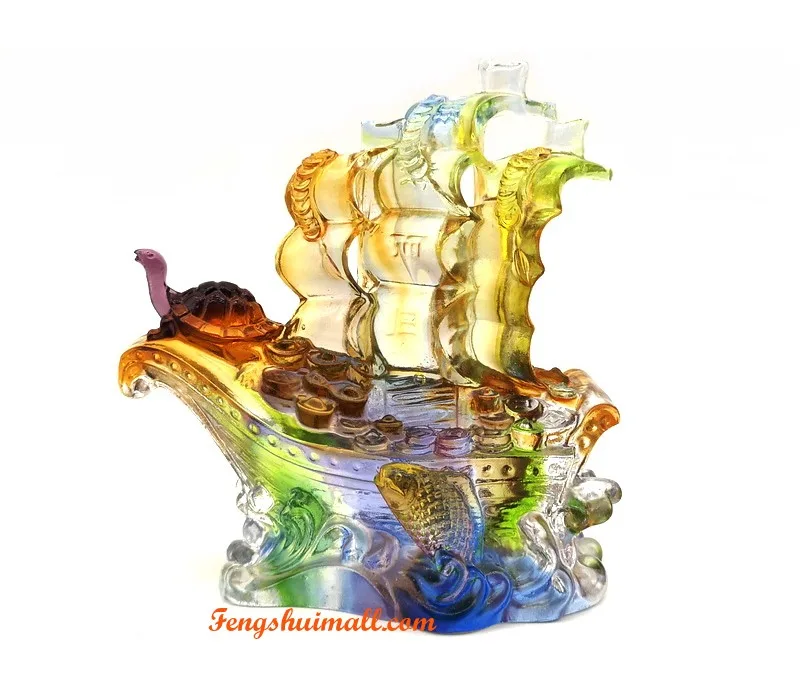
Colorful Liuli Glass Wealth Ship with Tortoise and Carp
-
Colorful Liuli Glass Wealth Ship with Tortoise and Carp: Your trusted Online Feng Shui Mega Mall since 2003. The seller has long experience with feng shui decor, but the absence of specific care instructions means you should default to gentle, proven methods for decorative glass.
Gentle Dusting Routine
Dust is the most common concern for a liuli glass wealth ship. The intricate shape—with a ship, tortoise, and carp—has crevices where dust can settle. A soft approach prevents scratches and preserves the glossy finish.
- Use a soft, lint-free cloth: A microfiber or cotton cloth works best. Avoid paper towels or abrasive sponges that can leave fine scratches on the liuli surface.
- Dry dust first: Gently wipe the surface with the dry cloth to remove loose dust. For small crevices around the tortoise and carp, use a soft makeup brush or a clean paintbrush to dislodge dust without touching the glass.
- Avoid compressed air: Canned air can blow dust into harder-to-reach areas and may contain propellants that leave a residue on the glass. Stick to manual dusting.
When a Deeper Clean Is Needed
If the piece has accumulated fingerprints or light grime, a damp cloth is usually enough. Avoid soaking the liuli glass or using any cleaning products that could damage the finish.
- Use lukewarm water only: Dampen a soft cloth with lukewarm water (not hot, as sudden temperature changes can stress the glass). Wring it out well so it is just slightly damp, then gently wipe the surface.
- No soap or glass cleaner: Household glass cleaners often contain ammonia or alcohol, which can dull the liuli glass over time. Soap residues can also be hard to rinse off from the detailed carvings.
- Dry immediately: After wiping, use a separate dry microfiber cloth to buff the surface dry. This prevents water spots and ensures no moisture lingers in the crevices.
What to Avoid
Liuli glass is more porous than standard glass, so it can absorb oils and chemicals. Never use abrasive scrubbing pads, harsh detergents, or ultrasonic cleaners. Avoid placing the wealth ship in direct sunlight for extended periods, as UV exposure can fade the colorful glaze over time. The catalog does not confirm whether the glass is heat-resistant, so keep it away from radiators, stoves, or other heat sources.
Preserving the Feng Shui Energy
In feng shui, a wealth ship symbolizes abundance and prosperity. Keeping it clean and dust-free is part of maintaining its positive energy. A quick weekly dusting is usually enough to keep the piece looking vibrant. If you ever need to move it, handle it by the base or the most solid part of the ship—avoid gripping the tortoise or carp separately, as they may be attached with adhesive that could weaken over time.
What the Catalog Does Not Confirm
The catalog does not provide any specific cleaning or care instructions for this liuli glass wealth ship. It does not mention whether the piece is dishwasher safe, whether it can be polished, or whether any protective coating is applied. For these reasons, the gentlest methods described here are the safest approach until you have more information from the manufacturer.