Gold and silver jewelry are timeless treasures that add elegance to any outfit, but daily wear can leave them looking dull, tarnished, or dirty. Whether you’re caring for a delicate necklace or a chunky bracelet, knowing how to clean gold jewelry and how to clean silver jewelry at home saves you time and money. With the right techniques, you can restore their shine without harsh chemicals or expensive professional services.
In this jewelry care guide, we’ll walk you through safe, effective DIY jewelry cleaning methods using common household items. You’ll also learn how to store and maintain your pieces to prevent future tarnish and damage. From the Watermelon Bracelet to the Precision Bead Bracelet for men, these tips work for all your favorite accessories.
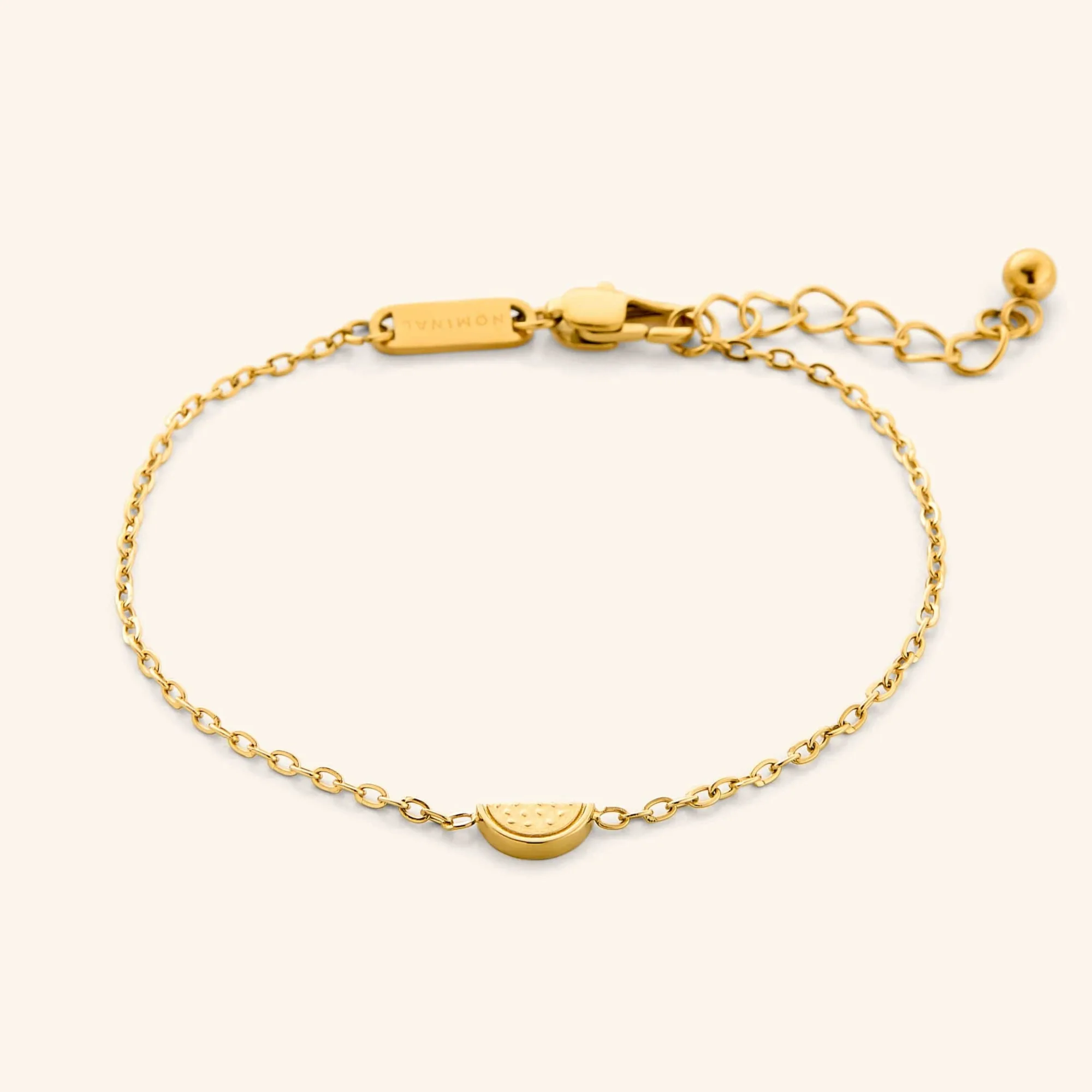
Watermelon Bracelet
Why Regular Jewelry Cleaning Matters
Jewelry accumulates dirt, oils from your skin, lotions, and environmental pollutants over time. For gold pieces, this buildup can cause a filmy layer that dims their natural luster. Silver jewelry, on the other hand, reacts with sulfur in the air to form tarnish—a dark, unsightly layer. Regular cleaning not only keeps your jewelry looking beautiful but also prevents long-term damage like scratches or weakened clasps.
Caring for your jewelry at home is especially important for sentimental pieces or items you wear daily, such as the Huggie Essential Hoops or the Crescent Stud Nose Ring. By establishing a simple routine, you can extend the life of your jewelry and keep it looking like new.
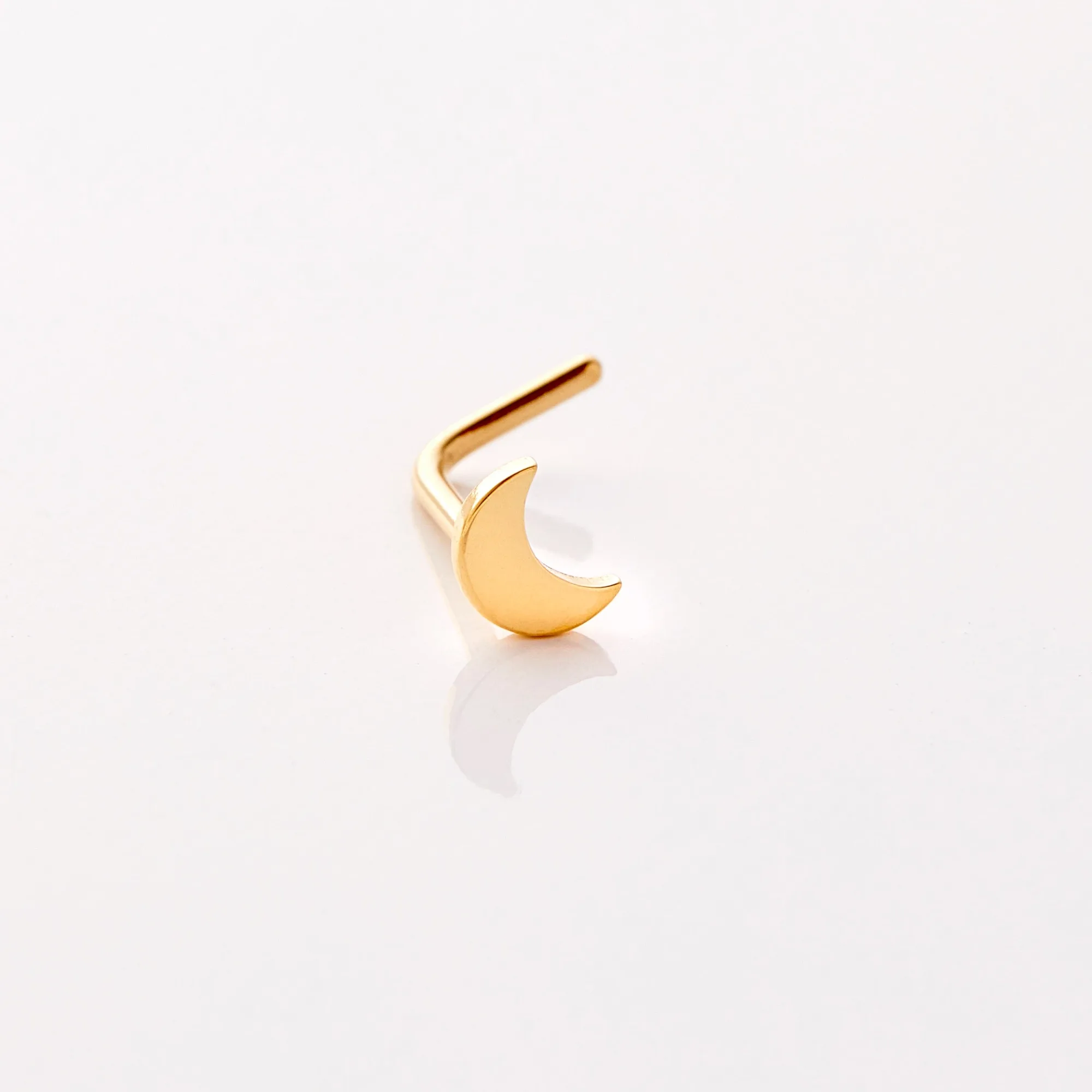
Crescent Stud Nose Ring
- Dirt and oils can cause skin irritation if left on earrings or rings.
- Tarnish on silver can become harder to remove the longer it sits.
- Regular care helps maintain the value of fine jewelry.
How to Clean Gold Jewelry at Home
Gold is a relatively soft metal that can scratch easily, so gentle cleaning methods are essential. For most gold pieces, a simple solution of warm water and a few drops of mild dish soap works wonders. Soak your jewelry for 10–15 minutes, then use a soft-bristled toothbrush to gently scrub crevices and settings. Rinse with clean water and pat dry with a lint-free cloth.
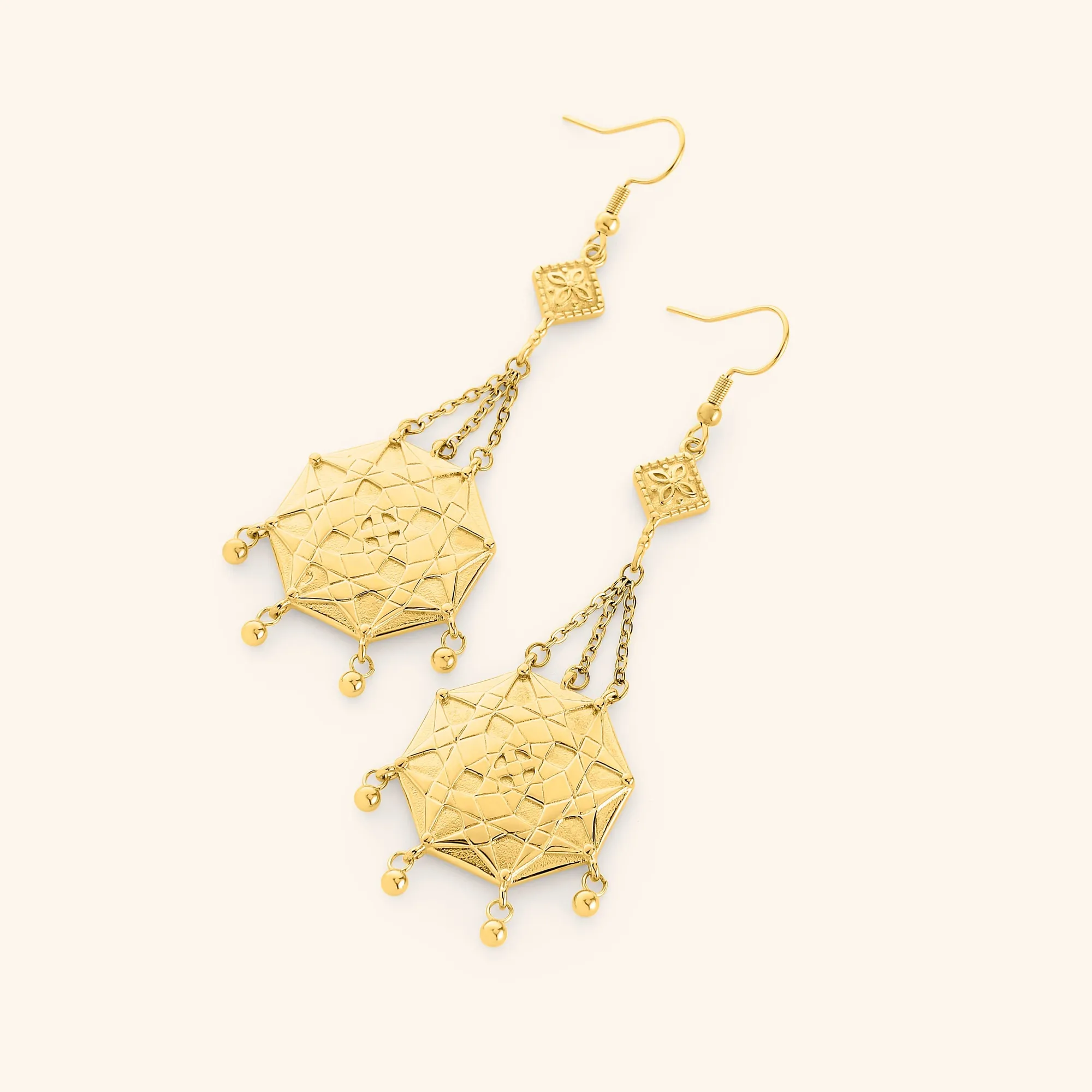
For pieces with intricate details or gemstones, like the Paisley Garden Earrings, avoid soaking for too long. Instead, dip a soft cloth in the soapy solution and wipe each piece carefully. Never use abrasive cleaners or toothpaste, as they can scratch the gold. If your gold jewelry has heavy buildup, a professional cleaning once a year is a good idea.
- Use only soft cloths and brushes to avoid scratching.
- Avoid chlorine bleach or harsh chemicals—they can damage gold.
- For white gold, occasional polishing may be needed to restore its bright finish.
How to Clean Silver Jewelry and Remove Tarnish
Silver jewelry requires a bit more attention because of tarnish. A popular DIY method is the baking soda and aluminum foil trick: line a bowl with aluminum foil, fill with hot water, add 1 tablespoon each of baking soda and salt, and stir. Place your silver pieces in the solution for 5–10 minutes. The chemical reaction transfers tarnish from the silver to the foil, leaving your jewelry bright.
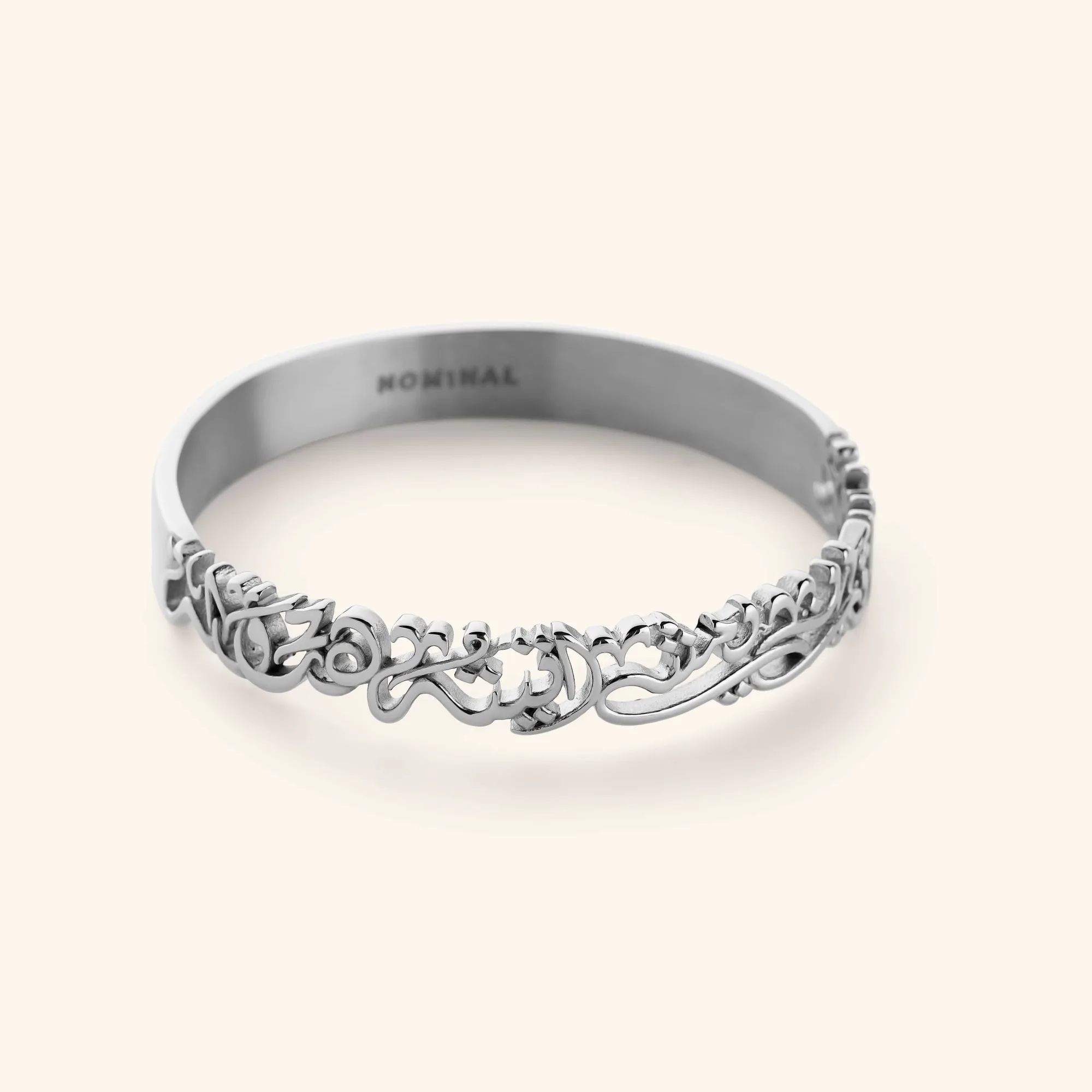
For a gentler approach, use a specialized silver polishing cloth, which is impregnated with anti-tarnish agents. This works well for pieces like the Keffiyeh Chunky Hoop or the Micro Rope Bracelet. Avoid dipping silver jewelry in commercial tarnish removers too often, as they can strip the metal’s protective layer. Always rinse and dry thoroughly after cleaning.
- Store silver in anti-tarnish pouches or cloths to slow tarnishing.
- Never use paper towels—they can scratch silver surfaces.
- Clean silver jewelry right after wearing to remove oils and moisture.
Caring for Gemstones and Special Finishes
Many jewelry pieces feature gemstones, pearls, or special finishes that require extra care. For example, the Walk to Me, and I'll run to you Medallion Necklace has a delicate medallion that could be scratched by abrasive cleaners. Similarly, earrings with crystals or enamel, like the Paisley Garden Earrings, should be cleaned with a damp cloth only—never soaked.
For pieces with a matte or brushed finish, avoid polishing cloths that might buff away the texture. Instead, wipe them gently with a soft, dry cloth. If your jewelry has a protective coating (common on some silver pieces), avoid any cleaning method that could strip it. When in doubt, stick to the mildest cleaning method: lukewarm water and a microfiber cloth.
- Pearls are porous—never submerge them in water.
- Opals and turquoise can be damaged by moisture; wipe only.
- Check for loose stones before cleaning to avoid losing them.
Proper Storage to Prevent Tarnish and Damage
How you store your jewelry is just as important as how you clean it. Keep gold and silver pieces in a cool, dry place away from direct sunlight. Use a jewelry box with soft lining or individual pouches to prevent scratching. For silver, anti-tarnish strips or bags are a great investment. Never store jewelry in the bathroom, where humidity accelerates tarnishing.
Separate your pieces by metal type and avoid tangling chains. For bracelets like the Micro Rope Bracelet or the Precision Bead Bracelet for men, lay them flat in a lined tray. For earrings, use a stud holder or keep pairs together in a small pouch. Taking these steps will keep your collection organized and ready to wear.
- Use silica gel packets in your jewelry box to absorb moisture.
- Close chains and clasps before storing to prevent knots.
- Travel with a soft jewelry roll to protect pieces on the go.
With these simple DIY jewelry cleaning and storage tips, you can keep your gold and silver pieces shining for years. Whether you’re caring for a delicate necklace or a chunky bracelet, a little regular attention goes a long way. To explore more beautiful pieces to add to your collection, check out the Watermelon Bracelet—a playful accessory that stays vibrant with proper care.