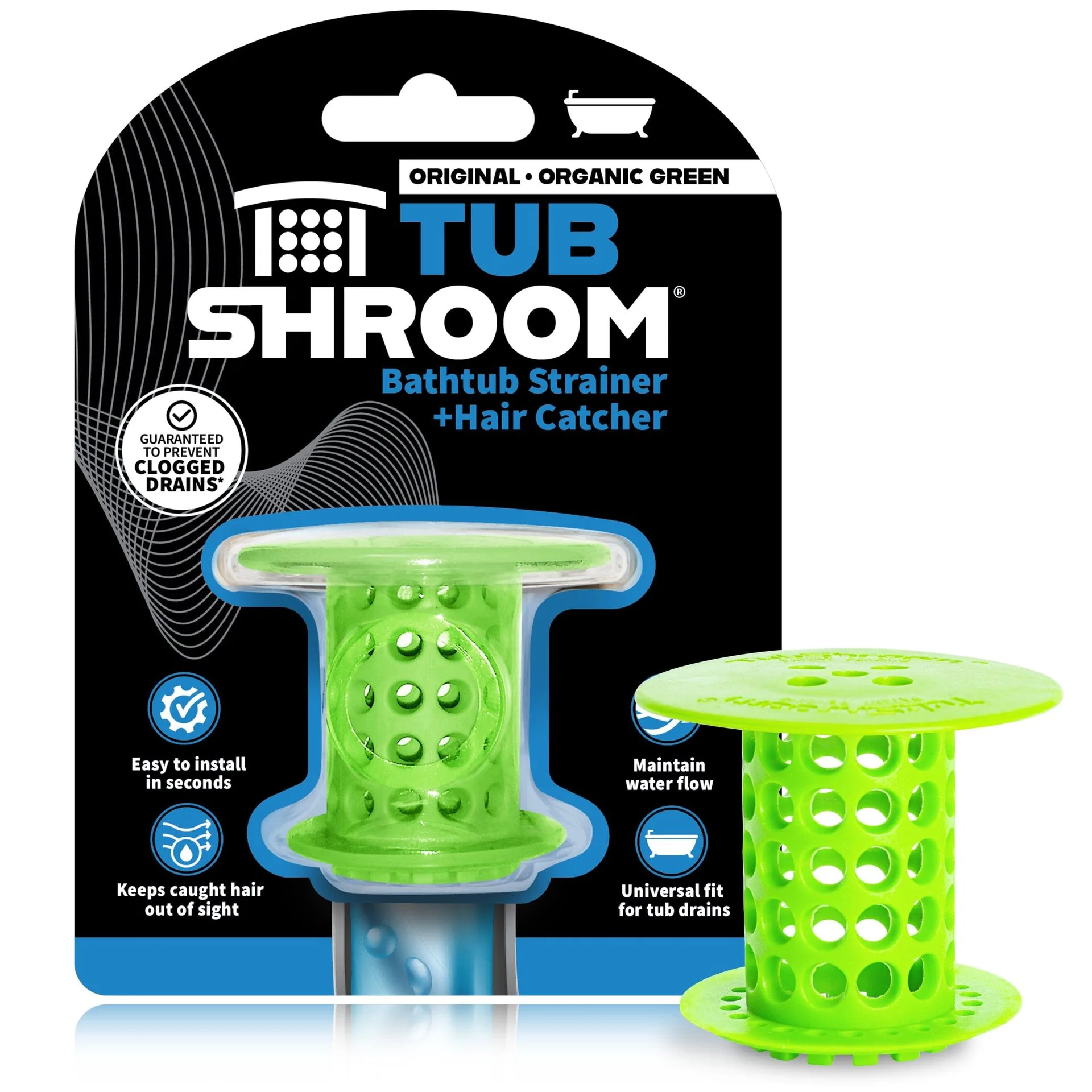
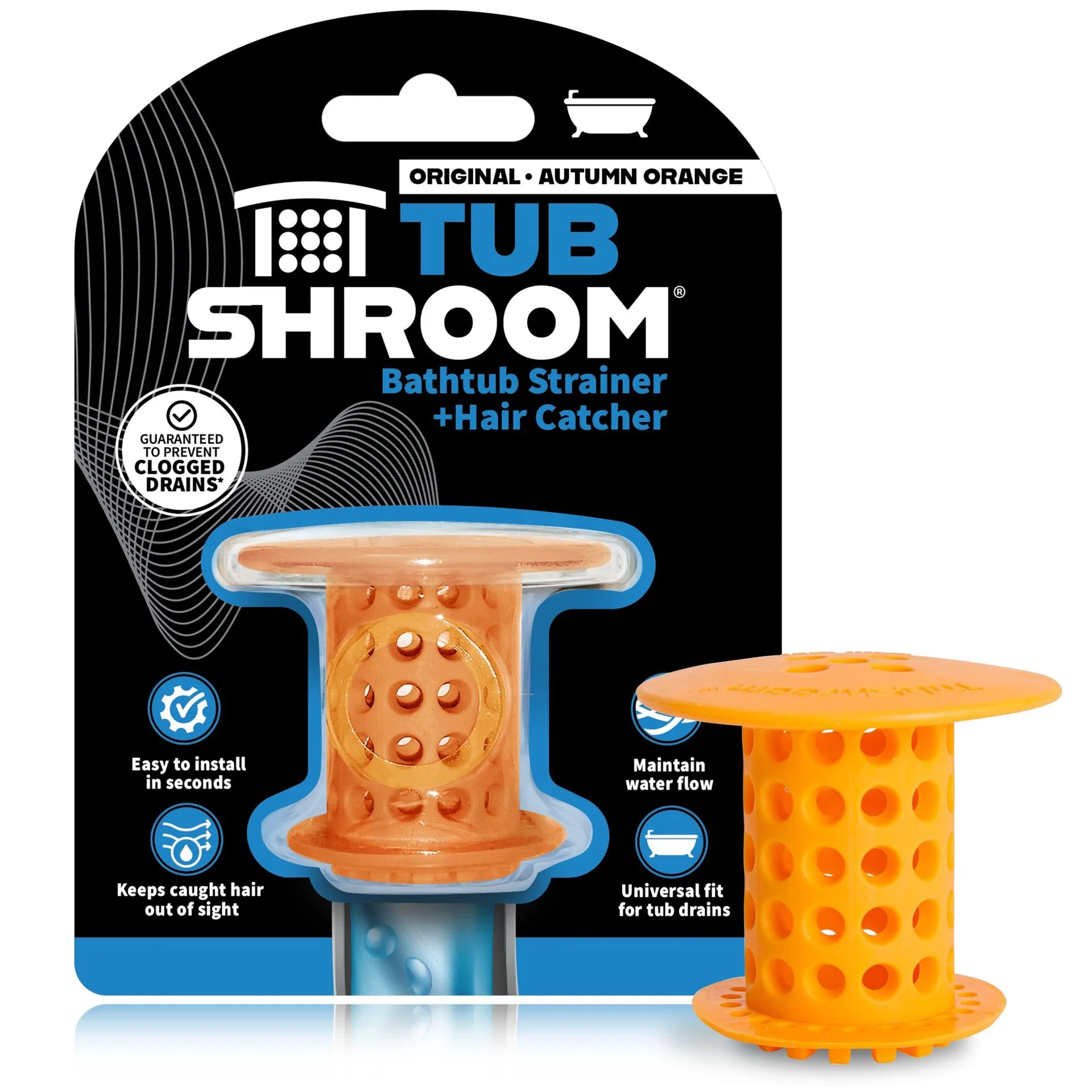
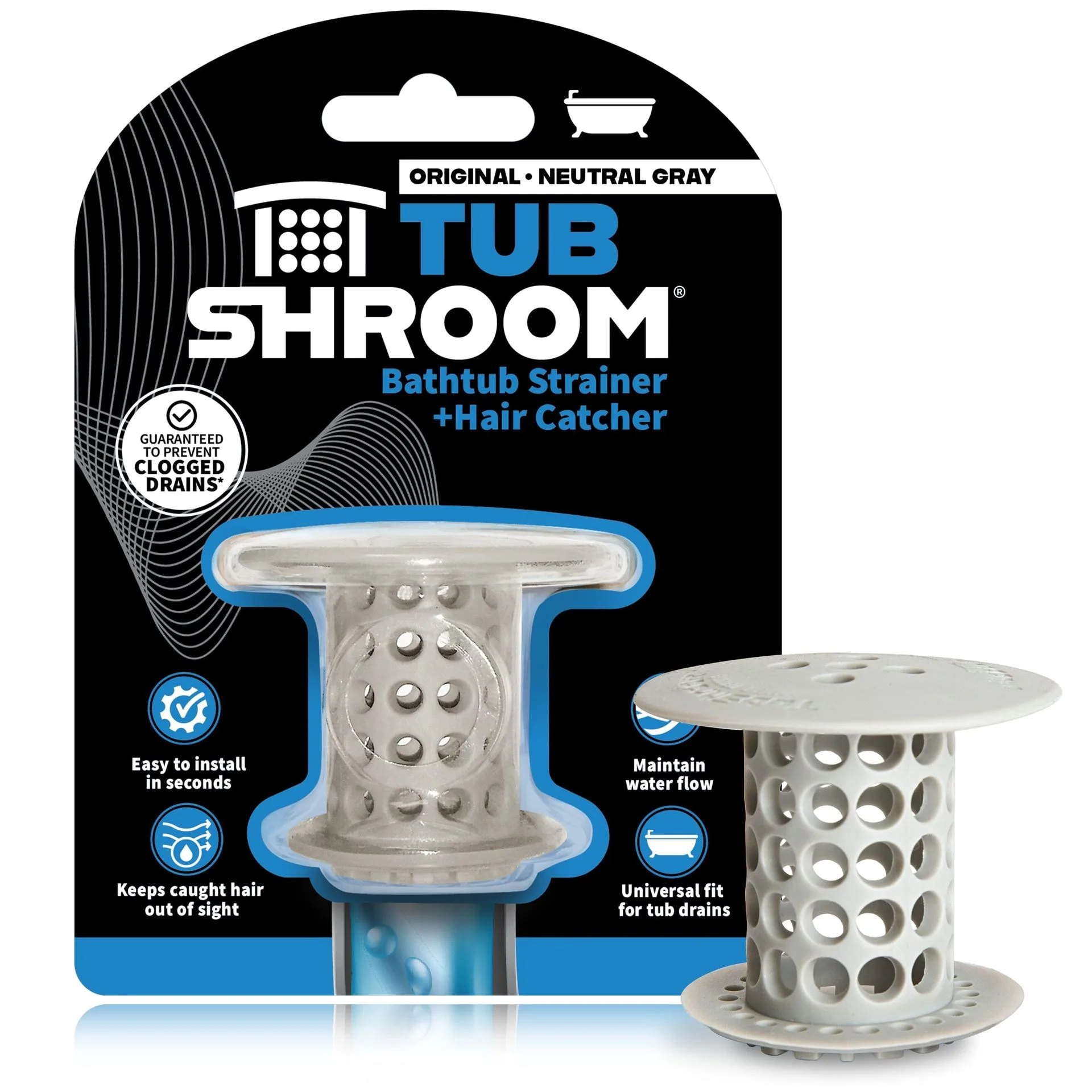
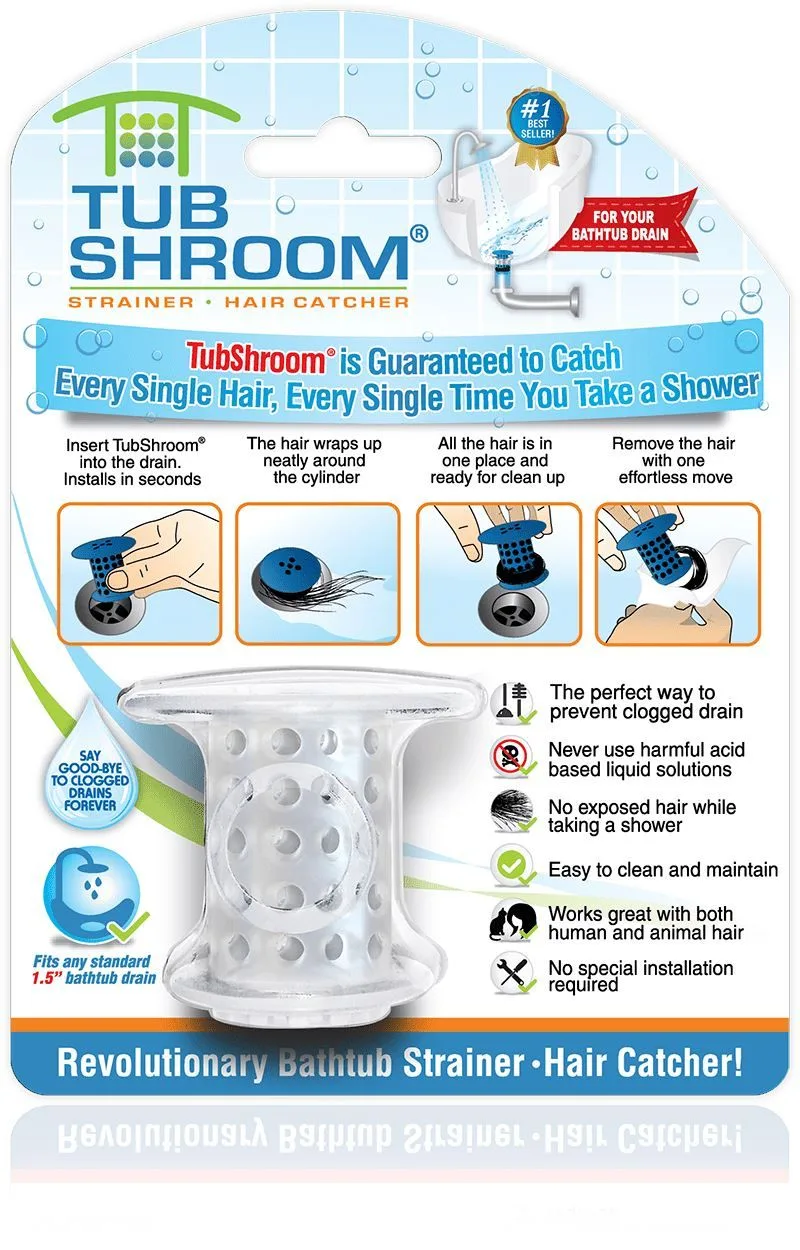
A drain protector is one of the most effective tools for preventing clogged bathroom drains. Whether you use a TubShroom in the shower or a SinkShroom in the sink, these simple devices catch hair and debris before they can accumulate in your pipes. However, like any tool, a drain protector needs regular cleaning and maintenance to work its best. Without proper care, even the best hair catcher can lose effectiveness, develop odors, or wear out prematurely.
In this guide, we’ll walk you through how to clean and maintain your drain protector for maximum lifespan. You’ll learn step-by-step cleaning methods, how often to clean different types of protectors, and tips for keeping your TubShroom or SinkShroom performing like new. By following these simple practices, you’ll save money on replacements and keep your drains flowing freely.
Why Regular Cleaning Matters for Your Drain Protector
When you use a drain protector like the TubShroom or SinkShroom, it traps hair, soap scum, and other debris that would otherwise travel down your drain. Over time, this buildup can become dense and even begin to decompose, leading to unpleasant smells. More importantly, a clogged protector can reduce water flow, forcing you to clean it more often or risk water pooling around your feet during a shower.
Regular cleaning also extends the lifespan of the protector itself. For silicone or rubber models, accumulated grime can cause the material to degrade faster. For stainless steel protectors like the SinkShroom Ultra, a simple rinse and occasional deep clean prevent mineral deposits from etching the surface. By making cleaning a part of your weekly routine, you ensure your drain protector remains effective and lasts for years.
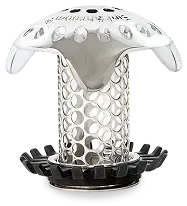
SinkShroom Ultra
- Prevents odor buildup from trapped hair and soap residue.
- Maintains optimal water drainage, reducing the need for chemical drain cleaners.
- Preserves the material integrity of silicone, rubber, or stainless steel protectors.
How Often Should You Clean Your Drain Protector?
The frequency of cleaning depends on how much hair your household sheds and how often you use the shower or sink. For most families, the TubShroom should be cleaned after every shower if you notice hair accumulating visibly. A quick rinse under warm water takes only 10 seconds. If you have a SinkShroom in the bathroom sink, check it every two to three days, as facial hair trimmings and toothpaste residue can build up quickly.
For a deeper clean, schedule a thorough wash once a week. This involves removing the protector, scrubbing it with a brush or old toothbrush, and soaking it in a vinegar solution to dissolve mineral deposits. If you use a https://simplenest.store/products/tubshroom-ultra-plus-69267TubShroom Ultra Plus or a SinkShroom Ultra, the silicone material is non-porous and easy to sanitize. A weekly routine will keep your drain protector looking and smelling fresh.
- After every shower: rinse the TubShroom under hot water to remove loose hair.
- Every 2-3 days: check the SinkShroom in the bathroom sink for buildup.
- Weekly: perform a deep clean with vinegar and a soft brush.
Step-by-Step Guide to Cleaning Your TubShroom and SinkShroom
Cleaning your drain protector is straightforward. Start by removing the protector from the drain. For the TubShroom, simply pull it out by the handle or stem. For the SinkShroom, lift it gently from the sink opening. Take the protector to the trash and use a paper towel or your fingers (with gloves) to pull off the hair wad. Dispose of it in the trash—never flush hair down the toilet, as it can cause clogs there too.
Next, rinse the protector under hot running water to remove any remaining debris. For a deeper clean, fill a bowl with equal parts white vinegar and warm water, and soak the protector for 15-20 minutes. This helps dissolve soap scum and hard water deposits. After soaking, scrub the protector with a soft brush or an old toothbrush, paying attention to the slots or holes where hair can get stuck. Rinse thoroughly and dry with a clean cloth before reinserting into the drain.
- Remove hair wad by hand (use gloves for hygiene).
- Rinse under hot water immediately after removal.
- Soak in vinegar solution weekly to prevent mineral buildup.
- Scrub gently with a soft brush to avoid scratching silicone or stainless steel.
Tips for Maintaining Your Drain Protector Between Cleanings
Even with a solid cleaning routine, a few extra habits can help your drain protector last longer. First, avoid using harsh chemical drain cleaners while the protector is in place. These chemicals can degrade silicone or rubber components over time. If you need to treat a slow drain, remove the protector first, then use a natural solution like baking soda and vinegar.
Second, consider rotating between two protectors if you have multiple drains. For example, keep a TubShroom in the shower and a SinkShroom in the bathroom sink. This reduces wear on any single unit. Also, if you notice the protector losing its shape or developing cracks, it’s time to replace it. High-quality protectors like the TubShroom Ultra Plus are durable but not indestructible—proper care will give you the longest possible use.
- Remove the protector before using any chemical drain cleaner.
- Use natural cleaning solutions like baking soda and vinegar for slow drains.
- Inspect your protector monthly for signs of wear or damage.
- Replace your drain protector every 6-12 months for optimal performance.
Common Mistakes to Avoid When Cleaning Drain Protectors
One common mistake is using abrasive scrubbers on silicone or stainless steel protectors. Steel wool or harsh scouring pads can scratch the surface, creating grooves where bacteria can hide. Instead, always use a soft brush or sponge. Another mistake is leaving the protector in the drain during a deep cleaning of the pipe. If you pour boiling water or a drain cleaner down the pipe, the protector can be damaged or deformed.
Some people also forget to dry the protector before reinserting it. Moisture trapped between the protector and the drain can promote mold growth. After cleaning, pat the protector dry with a towel. Finally, avoid storing the protector in direct sunlight or near heat sources, as UV rays and high temperatures can degrade silicone over time. Following these simple do’s and don’ts will keep your drain protector in top condition.
- Never use steel wool or hard brushes on silicone or stainless steel.
- Always remove the protector before using drain cleaners or boiling water.
- Dry the protector thoroughly before placing it back in the drain.
- Store spare protectors in a cool, dry place away from direct sunlight.
Keeping your drain protector clean is a small effort that pays off in fewer clogs, better drainage, and a longer product life. Whether you use a TubShroom in the shower or a SinkShroom in the sink, a simple weekly cleaning routine will keep your drains flowing smoothly and your bathroom smelling fresh. For a durable, easy-to-clean option that lasts, consider upgrading to the TubShroom Ultra Plus—it’s designed for hassle-free maintenance and maximum hair-catching power.