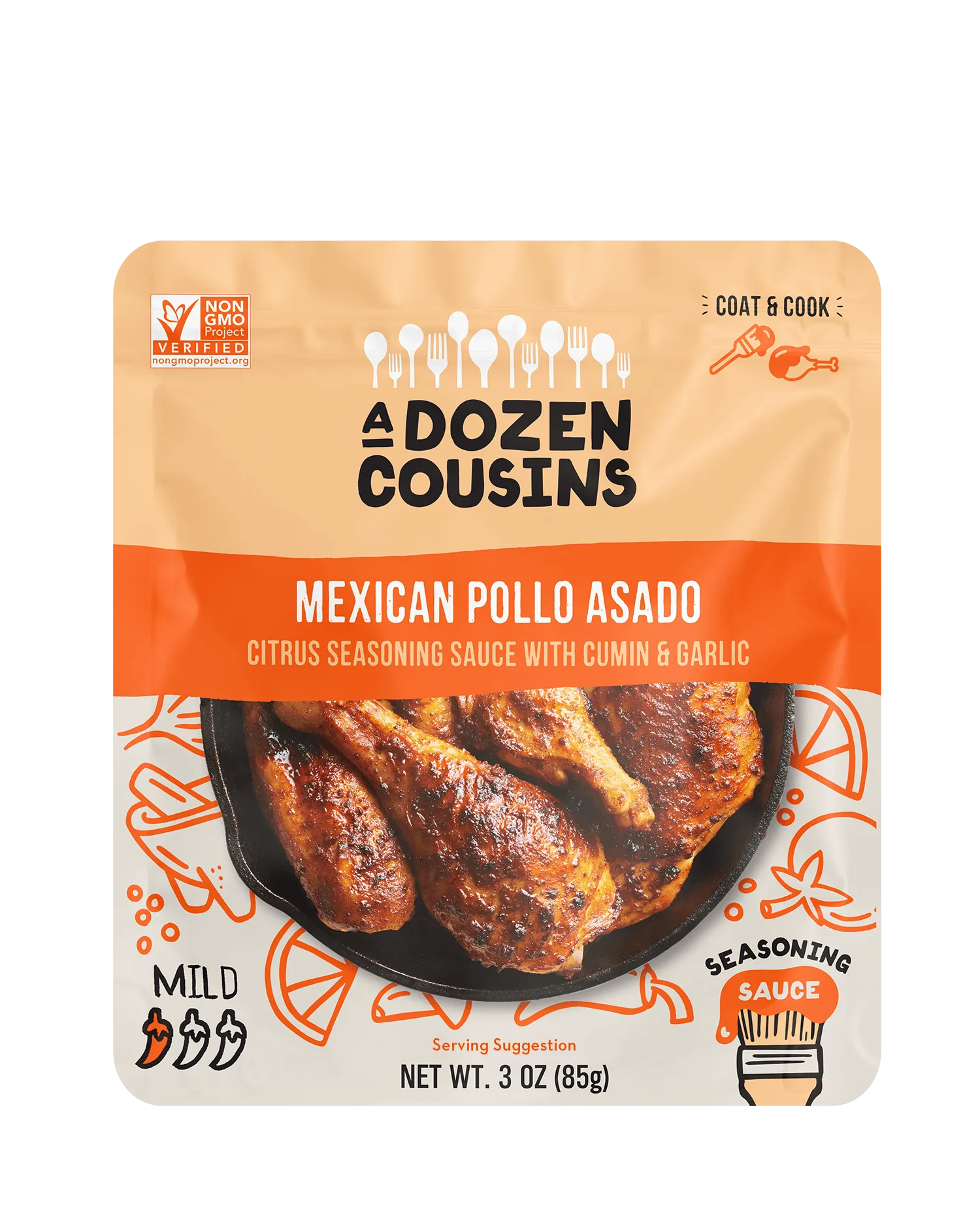
Seasoning sauces like our Caribbean Coconut Rice Seasoning Sauce or Mexican Red Rice Seasoning Sauce are flavor powerhouses that can transform any dish. But to keep them tasting fresh and prevent spoilage, proper bottle care is essential. A little attention to cleaning and storage goes a long way in maintaining sauce freshness.
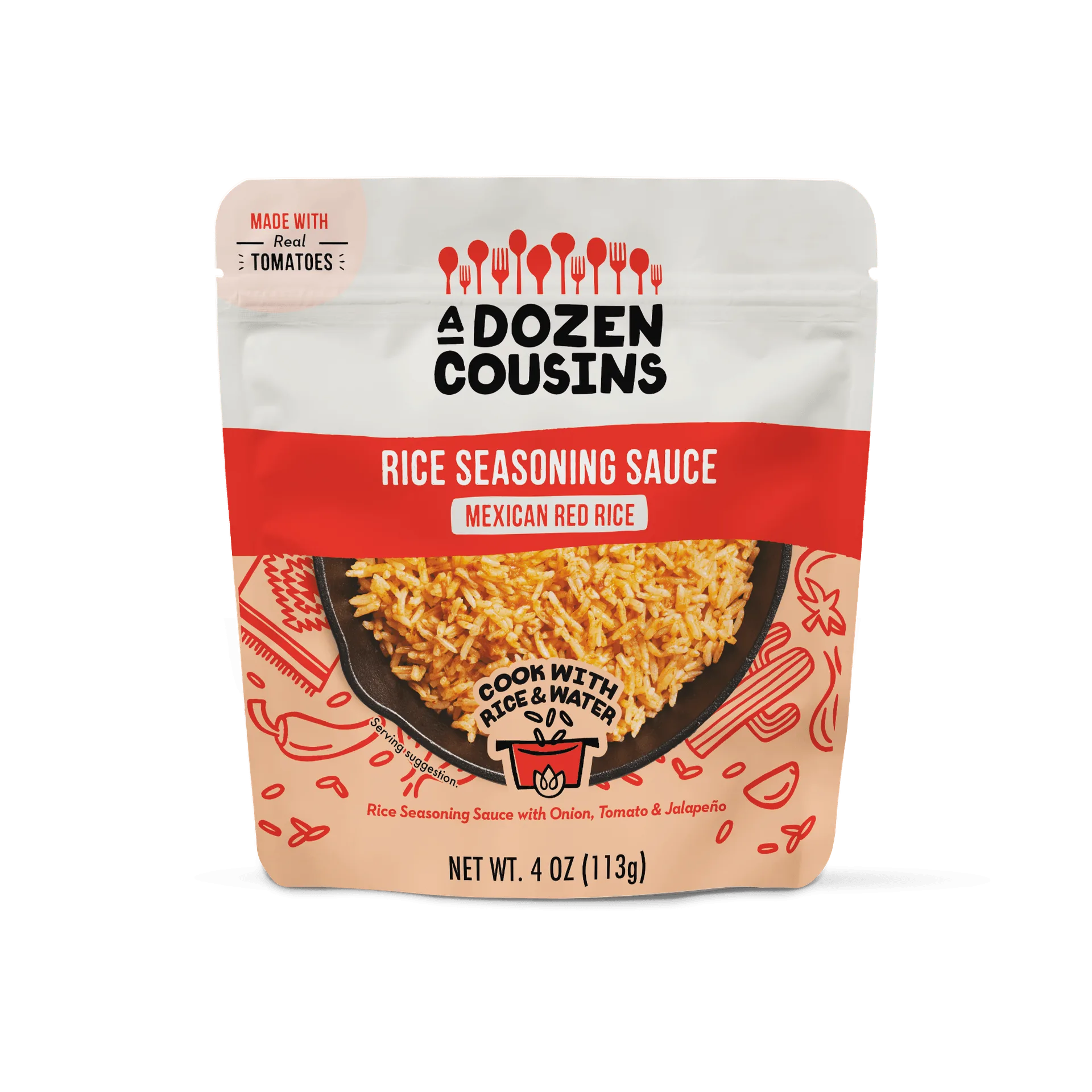
Mexican Red Rice Seasoning Sauce
Whether you use a sauce in one go or stretch it over several meals, the way you handle the bottle affects its shelf life. Below, we share straightforward methods to clean seasoning sauce bottles, store them correctly, and avoid common mistakes that lead to waste.
Why Clean Bottles Matter for Sauce Freshness
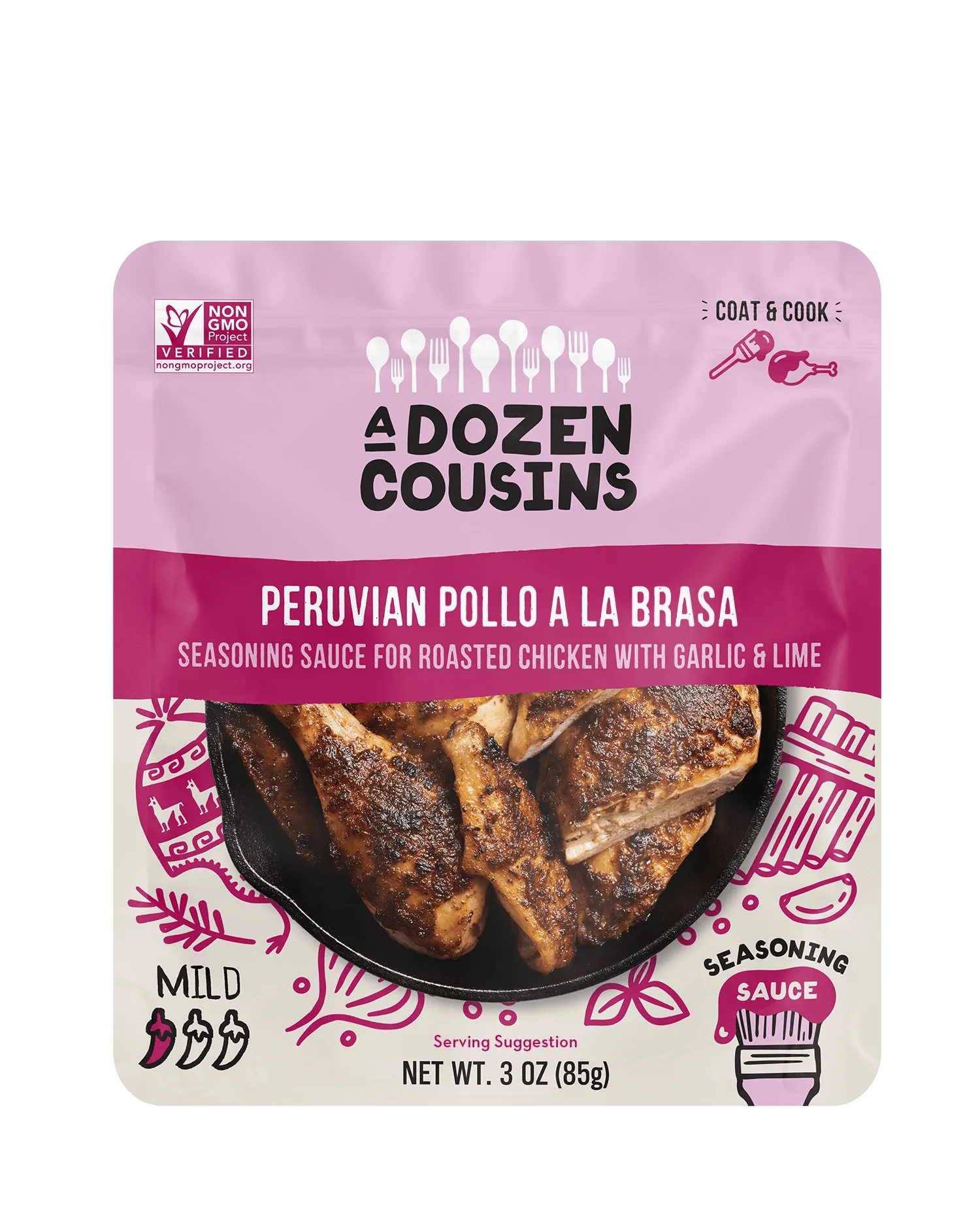
Residue buildup around the cap and nozzle can introduce bacteria and mold, which spoils the sauce faster. Even a small amount of dried sauce on the rim can compromise the seal, letting air in and causing oxidation. This is especially important for sauces with natural ingredients and no artificial preservatives, like our Peruvian Pollo A La Brasa Seasoning Sauce.
Regular cleaning ensures that the bottle's closure remains airtight. It also prevents cross-contamination when you dip utensils or pour directly over food. A clean bottle means every pour tastes as intended.
- Wipe the bottle neck and cap with a damp cloth after each use to remove drips.
Step-by-Step Guide to Clean Seasoning Sauce Bottles
Start by removing any remaining sauce from the bottle. If the sauce is thick, you can scrape it out with a spatula or run warm water inside to loosen it. For stubborn residue, fill the bottle halfway with warm water and a drop of dish soap, then shake vigorously. Let it sit for a few minutes before rinsing thoroughly.
Pay special attention to the cap and nozzle. Use a small brush or a clean toothbrush to scrub the threads and inside the nozzle where sauce often hides. Rinse all parts with warm water and let them air dry completely upside down on a drying rack. Moisture is the enemy of sauce freshness, so ensure no water remains before refilling.
- Avoid using abrasive sponges that can scratch plastic bottles and create hiding spots for bacteria.
Best Practices for Storing Seasoning Sauce
Store your seasoning sauce bottles in a cool, dark place away from direct sunlight and heat sources like the stove or oven. A pantry or cupboard is ideal. Heat and light can degrade the flavor and color of sauces over time, especially those with herbs and spices.
If you use a sauce infrequently, consider transferring it to a smaller bottle to minimize air exposure. Always tighten the cap securely after each use. For long-term storage, refrigeration can extend the shelf life of many sauces, but check the label first—some sauces may thicken when chilled.
- Label bottles with the date you opened them so you can track freshness.
Common Mistakes That Shorten Sauce Shelf Life
One common mistake is double-dipping—using a spoon that has touched food to scoop sauce. This introduces bacteria and moisture into the bottle. Instead, pour the amount you need into a separate dish. Another error is storing bottles near the stove where steam and heat can weaken the seal.
Also, avoid leaving bottles uncapped for long periods while cooking. Every moment the bottle is open, airborne contaminants can enter. Finally, don't ignore changes in smell, color, or texture—if the sauce develops an off odor or mold, discard it immediately.
- Use clean, dry utensils every time you handle the sauce.
With a little routine care, your seasoning sauce bottles can deliver vibrant flavor for months. Clean them after each use, store them properly, and avoid common pitfalls to maintain sauce freshness. Your taste buds—and your wallet—will thank you.