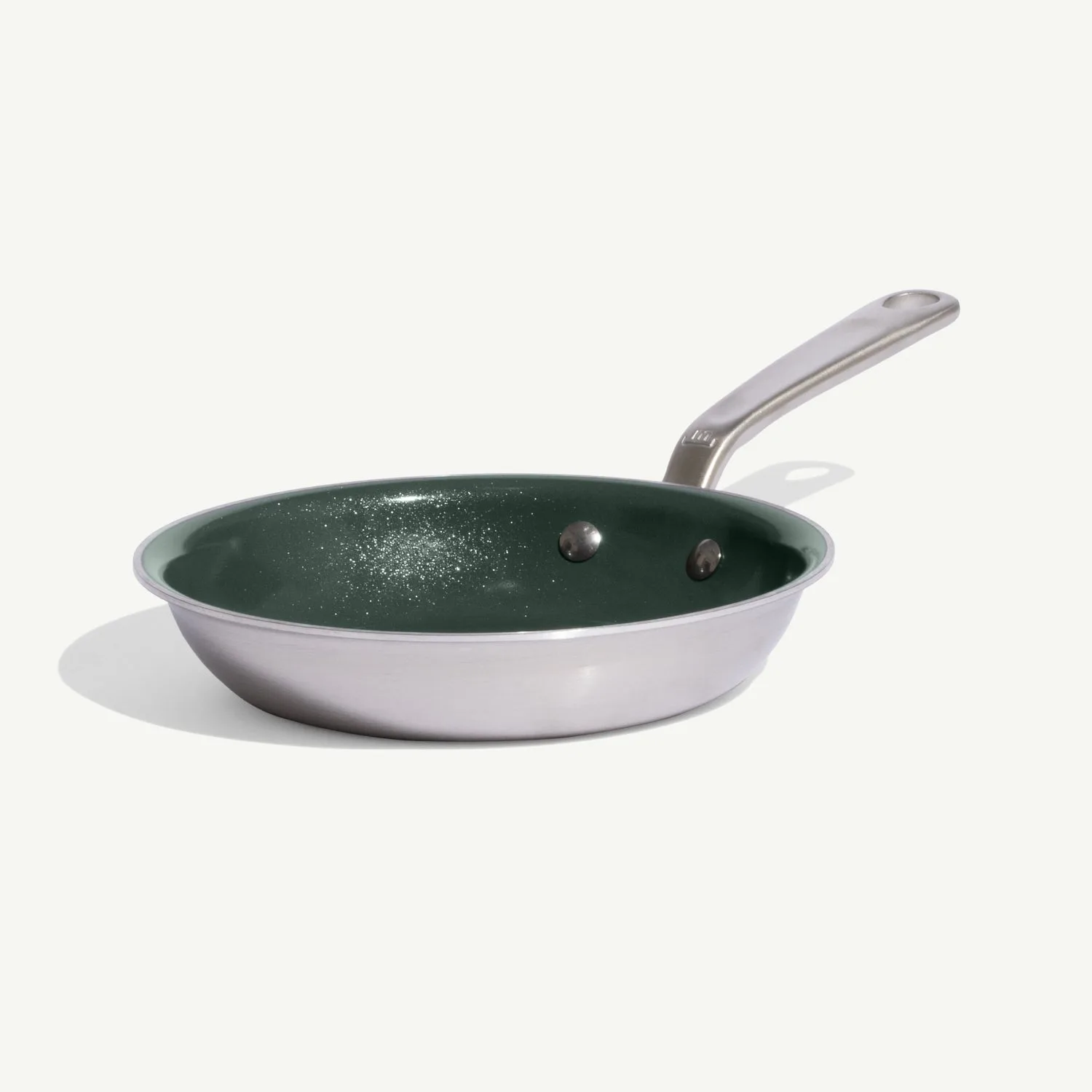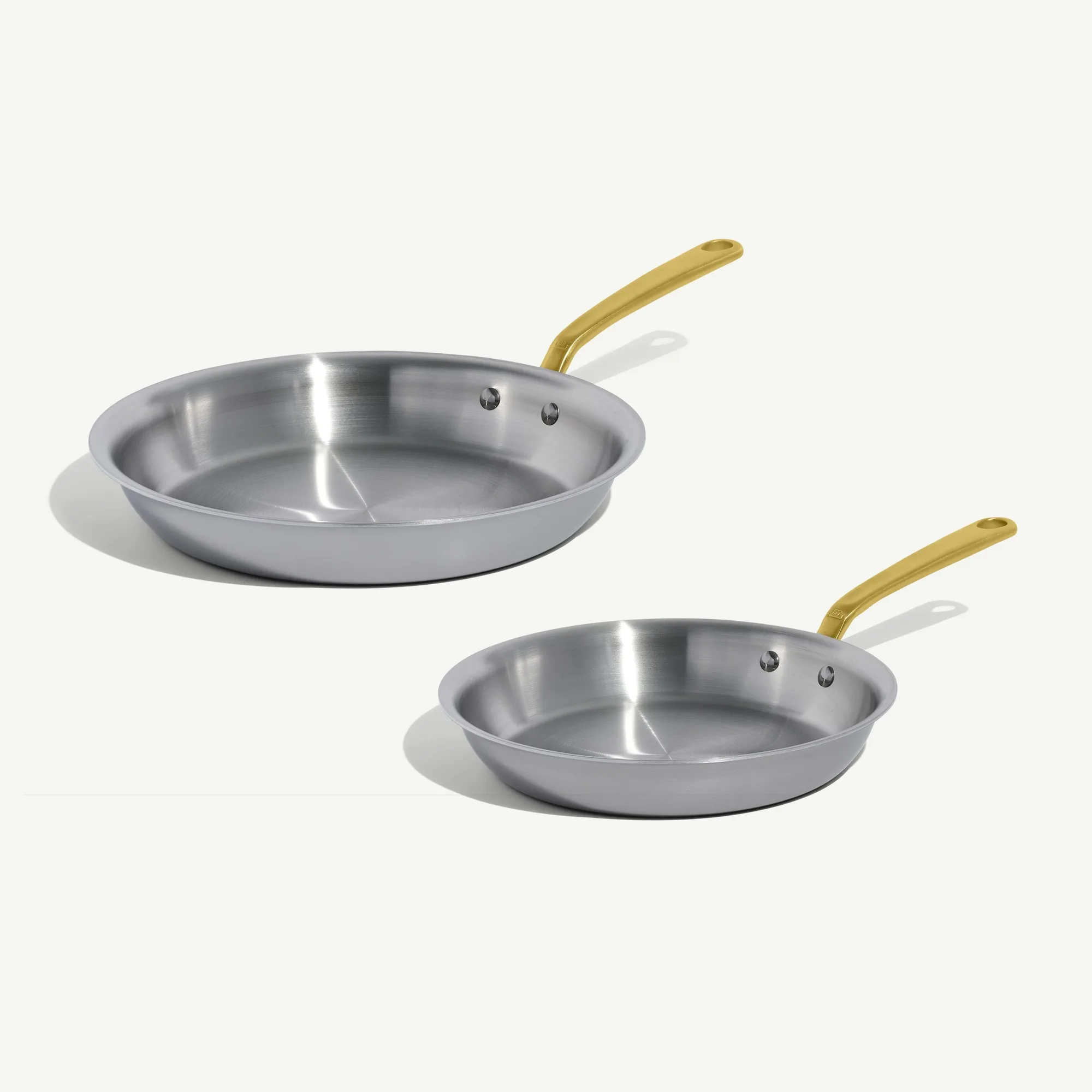
A https://kindaero.store/products/stainless-clad-frying-pan-set-97143https://kindaero.store/products/stainless-clad-frying-pan-set-97158https://kindaero.store/products/stainless-clad-frying-pan-set-97167https://kindaero.store/products/stainless-clad-frying-pan-set-97172stainless clad frying pan set is a workhorse in any kitchen, delivering even heat and professional results. But like any high-quality tool, it needs proper care to keep performing at its best. The good news? Cleaning and maintaining stainless cookware is straightforward once you know a few key techniques.
Whether you’re searing steaks, sautéing vegetables, or simmering sauces, your pans will develop stains, discoloration, or stuck-on food over time. That’s normal — not a sign of damage. With the right approach, you can restore them to like-new condition without harsh scrubbing or expensive cleaners.
Daily Cleaning: The Gentle Routine
After cooking, let your pan cool slightly before washing. Plunging a hot pan into cold water can warp the metal or cause stubborn food particles to bond even tighter. Use warm water, a soft sponge, and mild dish soap. Avoid steel wool or abrasive pads — they leave micro-scratches that make future cleaning harder.
For most meals, a quick wash with a non-scratch sponge removes oils and residues. If you cooked something acidic like tomatoes or wine, rinse the pan right away to prevent dulling the surface. Dry the pan thoroughly with a towel after washing to avoid water spots. This simple daily habit keeps your stainless cookware looking polished and prevents mineral buildup.
- Always cool the pan before washing to prevent warping.
- Use a soft sponge and mild dish soap — no steel wool.
- Dry immediately with a towel to avoid water spots.
Removing Stubborn Stains and Discoloration
Even with careful use, you’ll eventually see rainbow-like discoloration or brown stains on your stainless clad frying pan set. This is typically caused by overheating or cooking with too little oil. Don’t worry — it’s purely cosmetic and easy to fix with common kitchen ingredients.
Sprinkle a thin layer of baking soda over the stained area, then add a splash of white vinegar. Let the mixture fizz for a minute, then scrub gently with a soft sponge. For tougher stains, create a paste of baking soda and water, apply it to the pan, and let it sit for 15 minutes before scrubbing. Another effective method: boil a mixture of equal parts water and vinegar in the pan for 5 minutes, then wash normally. These gentle cleaners lift stains without damaging the stainless surface.
- Baking soda and vinegar paste works on most discoloration.
- Boil water and vinegar for 5 minutes to loosen burnt-on food.
- Avoid chlorine bleach or oven cleaners — they can pit the metal.
Deep Cleaning for Burnt-On Food
Sometimes food sticks despite your best efforts. If you have a layer of burnt-on residue, don’t reach for a metal scraper. Instead, try the deglazing method: add a cup of water and a splash of vinegar to the pan, bring it to a simmer, and scrape gently with a wooden spoon. The steam and liquid loosen the crust without scratching.
For extra stubborn spots, sprinkle baking soda directly onto the wet pan and let it sit for 10 minutes before scrubbing. If you own a Steamer Basket, you can also use it to steam a small amount of water in the pan — the steam helps release stuck food. After deep cleaning, always rinse and dry the pan thoroughly to prevent any cleaner residue from affecting your next meal.
- Deglaze with water and vinegar to lift burnt food.
- Use a wooden spoon or silicone spatula — never metal.
- A Steamer Basket can help steam away stubborn residue.
Avoiding Common Mistakes
The biggest threat to a stainless clad frying pan set is overheating. Stainless steel can handle high heat, but running a pan dry or preheating it on high for too long causes permanent discoloration and warping. Always add oil or food before the pan reaches its peak temperature. Medium to medium-high heat is sufficient for most tasks — you don’t need full blast.
Another mistake is stacking pans without protection. Stainless steel can scratch when pans slide against each other. Place a soft cloth or paper towel between each pan when storing. Also, avoid using cooking sprays — they contain lecithin and propellants that create a sticky residue that’s hard to remove. Stick to regular oils or butter for better results and easier cleanup.
- Preheat on medium heat — high heat is rarely needed.
- Store pans with a cloth or paper towel between them.
- Skip cooking sprays; use regular oil or butter instead.
When to Use Specialized Cleaners
For persistent discoloration or mineral deposits, a dedicated stainless steel cleaner can help. Products like Bar Keepers Friend (a mild oxalic acid powder) are popular among chefs for restoring shine. Apply it as a paste, scrub gently, and rinse thoroughly. Always test a small area first and follow the manufacturer’s instructions.
If you use an all-purpose cleaner designed for cookware, check that it’s safe for stainless steel. Some all-purpose cleaners contain chlorine or ammonia, which can damage the surface over time. For everyday maintenance, stick to mild dish soap and the baking soda methods — they’re effective, inexpensive, and gentle on your pans.
- Bar Keepers Friend is effective but use sparingly.
- Avoid cleaners with chlorine or ammonia on stainless steel.
- For daily care, mild soap and baking soda are all you need.
With just a few simple habits — gentle daily washing, prompt drying, and occasional deep cleaning — your stainless clad frying pan set will deliver consistent performance for years. Treat the pans with care, and they’ll reward you with even heating, easy release, and a professional look that lasts. For more tips on caring for your cookware, explore the Made In Cookware care guides tailored to each material.