Your ASP Talon baton is a precision instrument, engineered for reliability and performance. Whether you use it for duty, training, or personal defense, regular maintenance is essential to keep it functioning smoothly and to extend its lifespan. In this guide, we'll walk you through the steps to clean, lubricate, and store your Talon baton properly.
Neglecting maintenance can lead to dirt buildup, corrosion, and mechanical failures. By following a simple care routine, you can ensure your baton is always ready when you need it. Let's dive into the best practices for baton care.
Why Regular Maintenance Matters
Your Talon baton is subjected to harsh conditions, from dust and moisture to impact and friction. Over time, these elements can cause the locking mechanism to stick, the shaft to become gritty, and even lead to rust. Regular cleaning and lubrication prevent these issues, ensuring smooth extension and retraction every time.
Moreover, a well-maintained baton is safer to use. A malfunctioning baton can fail to lock or collapse unexpectedly, which could compromise your safety. By investing a few minutes in maintenance, you protect both your equipment and yourself.
- Prevents rust and corrosion
- Ensures smooth locking and unlocking
- Extends the life of the baton
- Maintains professional appearance
Step-by-Step Cleaning Guide
Start by fully extending your baton and wiping down the exterior with a clean, dry cloth to remove surface dirt and debris. For stubborn grime, use a mild solvent or degreaser on a cloth—avoid submerging the baton in liquid, as this can force contaminants into the internal mechanism.
Next, pay attention to the shaft and the locking mechanism. Use a soft brush or a cotton swab dipped in solvent to clean the areas where the shafts meet. This is where dirt and old lubricant tend to accumulate. Allow the baton to dry completely before applying fresh lubricant.
For a thorough clean, consider disassembling the baton if your model allows it. Refer to the manufacturer's instructions to avoid damaging the components. If you're unsure, a professional service is always an option.
- Always use a dry cloth for routine wipes
- Use a solvent-based cleaner for heavy grime
- Dry the baton completely before lubrication
Lubrication: The Key to Smooth Operation
Lubrication is crucial for the smooth extension and retraction of your Talon baton. Use a high-quality silicone-based or Teflon-based lubricant, as these won't attract dust and dirt like oil-based products. Apply a small amount to the shaft and the locking mechanism, then cycle the baton several times to distribute it evenly.
Avoid over-lubricating, as excess lubricant can collect debris and cause the baton to become sticky. A thin, even coat is all you need. If you use your baton frequently, lubricate it monthly; for occasional use, a quarterly schedule is sufficient.
- Choose a silicone or Teflon lubricant
- Apply sparingly and work it in
- Wipe off any excess to prevent buildup
Storage and Handling Tips
Proper storage is just as important as cleaning. Store your Talon baton in a cool, dry place, preferably in a protective scabbard or case. This shields it from moisture and physical damage. Avoid leaving it in a hot car or damp environment, as extreme temperatures and humidity can degrade the materials.
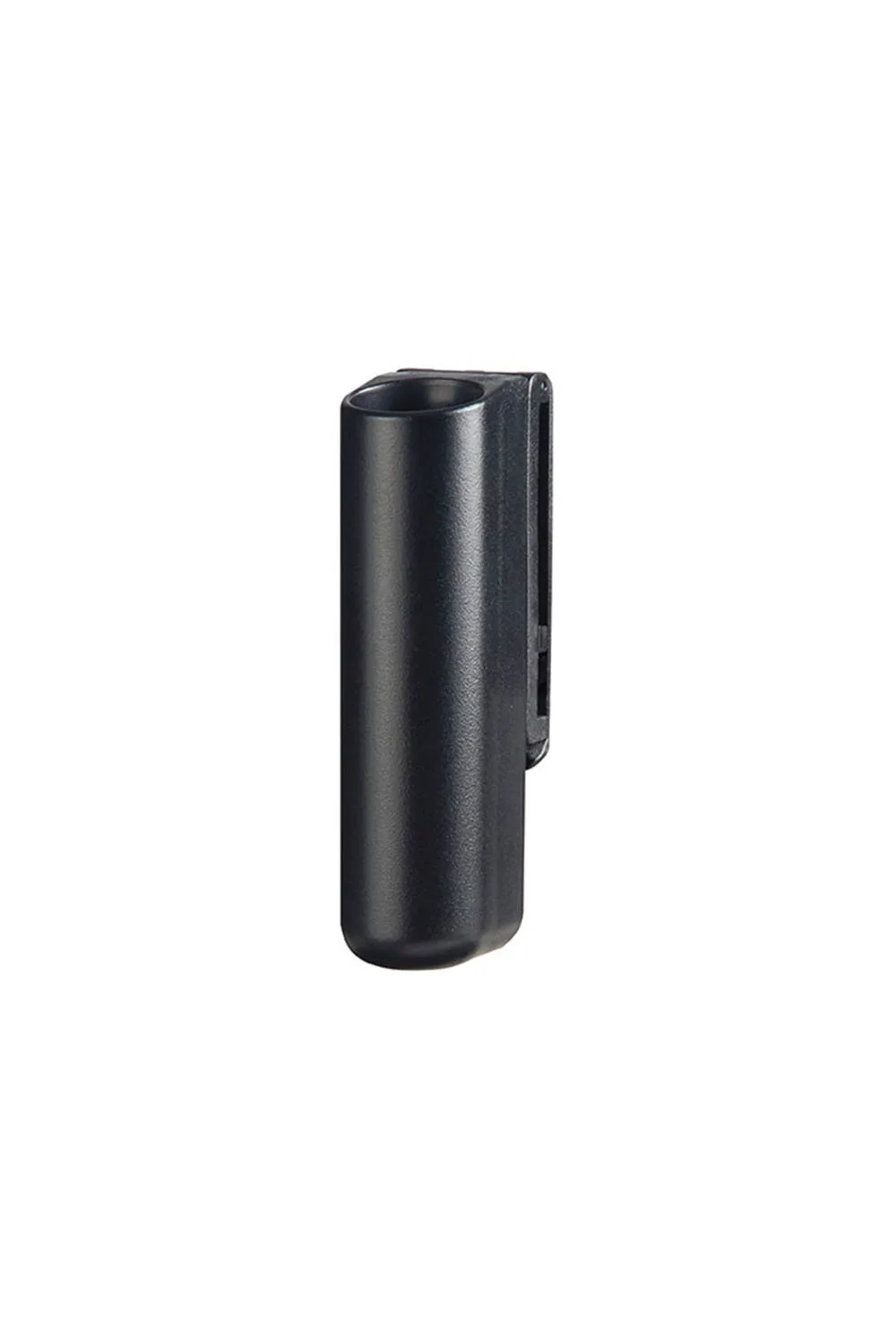
When carrying your baton, use a quality scabbard that fits securely. For example, the SideBreak Scabbard, 16" offers a secure fit and quick access, protecting your baton from the elements while on duty. Similarly, the https://aspersusa.com/products/envoy-scabbard-50cm-385889Envoy Scabbard, 50cm is an excellent choice for longer batons, providing both protection and easy deployment.
- Keep your baton in a scabbard when not in use
- Avoid extreme temperatures and humidity
- Inspect your baton regularly for signs of wear
Common Maintenance Mistakes to Avoid
One common mistake is using the wrong type of lubricant, such as WD-40 or grease, which can attract dirt and gum up the mechanism. Another is neglecting to dry the baton after cleaning, leading to rust. Also, avoid over-tightening any screws or components during reassembly, as this can strip threads.
Finally, never use abrasive cleaners or brushes that can scratch the finish. Stick to soft cloths and mild solvents. If you notice any damage or unusual resistance, consult a professional or contact the manufacturer for service.
- Avoid oil-based lubricants
- Always dry thoroughly after cleaning
- Use only gentle cleaning tools
Recommended Accessories for Baton Care
To make maintenance easier, consider investing in a few accessories. A dedicated cleaning kit can include solvents, brushes, and cloths tailored for baton care. The Safety Kit is a comprehensive option that includes essential cleaning supplies and a small tool for adjustments.
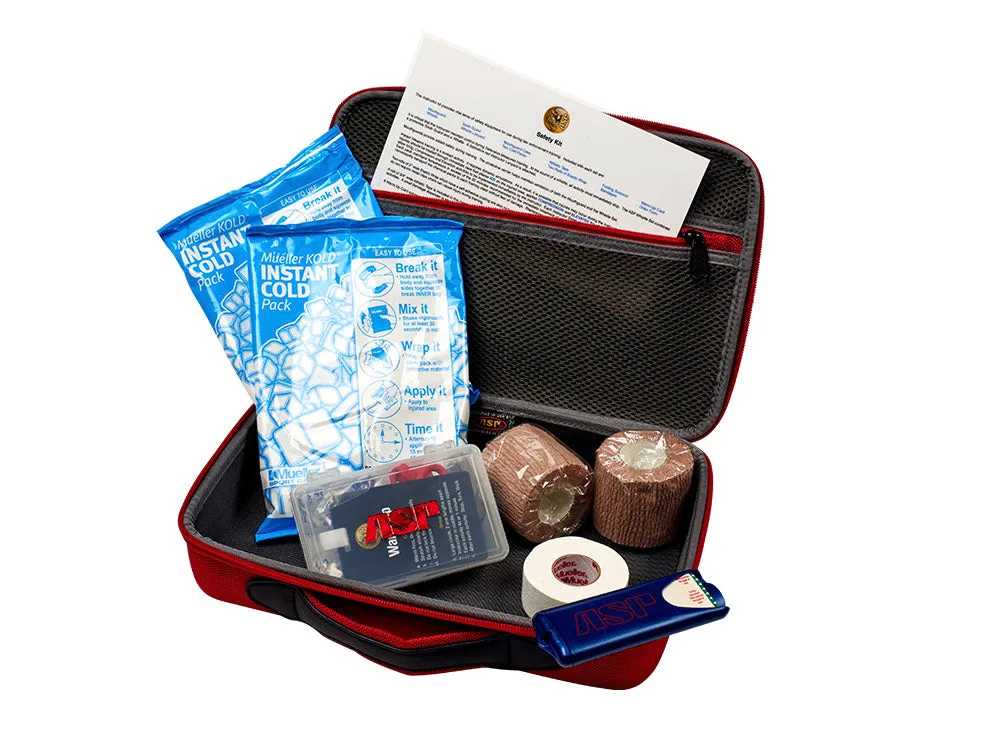
Safety Kit
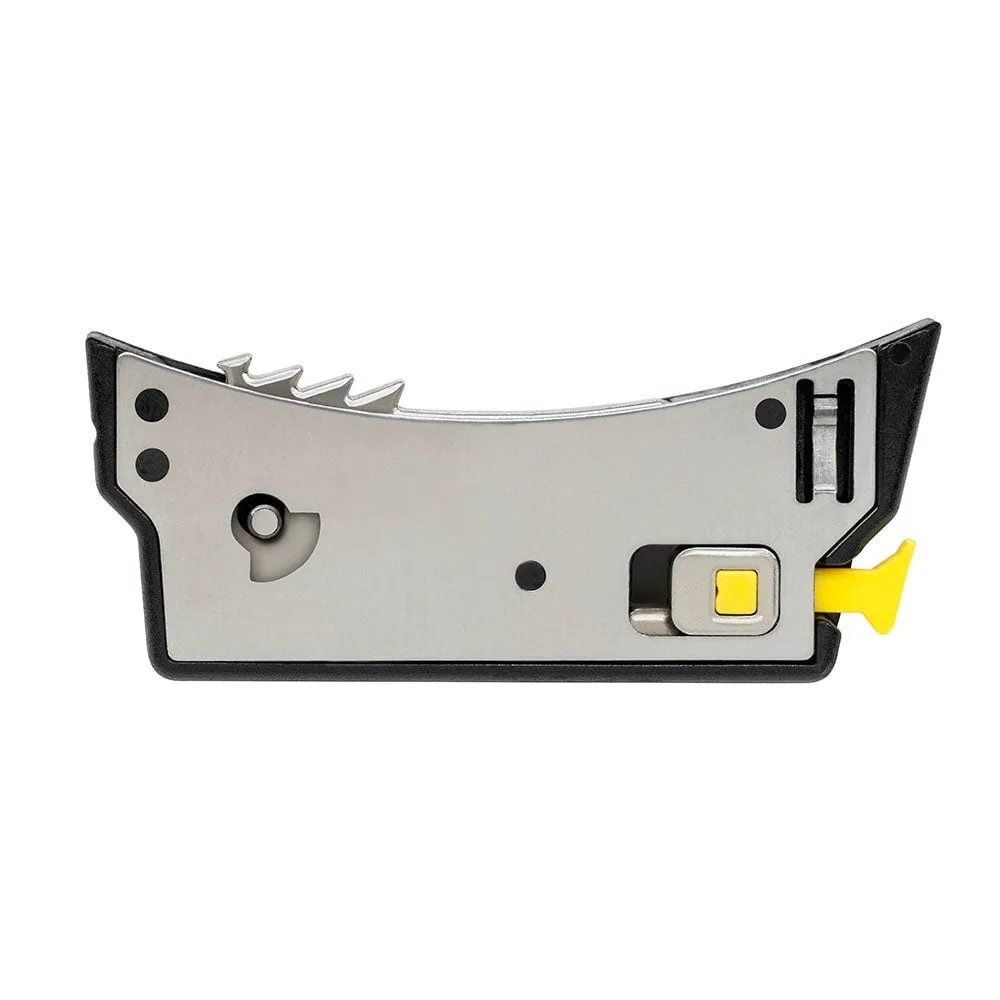
Additionally, having a spare set of parts can be handy. The Handcuff Parts are designed for ASP restraints, but they also include small springs and pins that can be useful for baton repairs. Always use genuine ASP parts to ensure compatibility and reliability.
- Use a specialized cleaning kit for convenience
- Keep spare parts on hand for quick fixes
- Always use genuine ASP accessories
Regular maintenance of your Talon baton is a simple yet vital practice that ensures it performs flawlessly when you need it most. By following the cleaning, lubrication, and storage tips outlined above, you can extend the life of your baton and maintain its reliability. Remember to use quality accessories like the SideBreak Scabbard, 16" to protect your baton, and consider the Safety Kit for all your maintenance needs. With proper care, your Talon baton will serve you well for years to come.