Your vacuum cleaner works hard every time you push it across the floor, but the brush roll—the rotating bar that beats dirt and debris out of carpet fibers—often gets overlooked until performance drops. A tangled, dirty brush roll can reduce suction power, make strange noises, and even damage your carpet or vacuum motor. Regular maintenance of this essential component is one of the simplest ways to keep your machine running like new.
In this guide, we'll walk you through why brush roll maintenance matters, how often to clean it, and step-by-step instructions for removing hair, thread, and debris. Whether you own a cordless stick vacuum or an upright carpet cleaner, these tips will help you get the most out of your cleaning tools.
Why Brush Roll Maintenance Matters
The brush roll is the workhorse of your vacuum. It agitates carpet fibers to loosen embedded dirt, pet hair, and dust so the suction can pull them away. Over time, hair, string, and fibers wrap around the bristles and axle, creating a thick mat that prevents the brush from spinning freely. This reduces agitation, which means less dirt is lifted from your carpet. You might notice the vacuum leaving behind debris or taking multiple passes to clean a spot.
A clogged brush roll also forces the motor to work harder, which can lead to overheating, belt wear, and even motor failure. In cordless models, the extra resistance drains the battery faster, cutting your runtime short. By keeping the brush roll clean, you protect your investment and maintain peak cleaning performance.
- Improved suction and dirt pickup
- Quieter operation with less vibration
- Longer battery life for cordless vacuums
- Reduced risk of belt or motor damage
How Often Should You Clean the Brush Roll?
The frequency depends on your household. If you have long-haired family members or shedding pets, inspect the brush roll after every use or at least once a week. In homes with short hair and minimal shedding, a monthly check is usually sufficient. Pay attention to warning signs: unusual noises, visible hair wrapped around the brush, or a noticeable drop in cleaning performance.
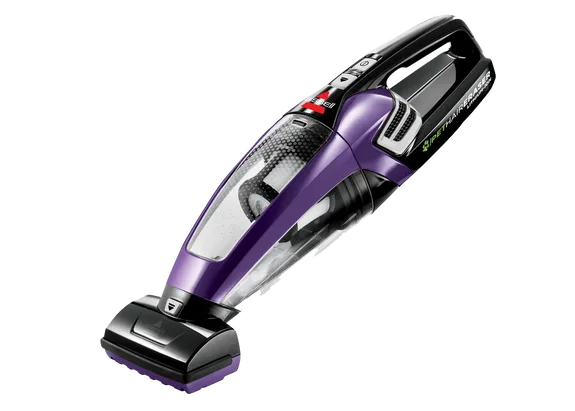
For pet owners, models like the Pet Hair Eraser Lithium Ion Cordless Pet Hand Vacuum are designed with tangle-resistant features, but no brush roll is completely immune. Regular maintenance is still recommended to keep the brush spinning freely and to prevent hair from accumulating deep inside the housing.
Step-by-Step Guide to Cleaning Your Vacuum Brush Roll
Start by unplugging your vacuum or removing the battery. Lay the machine on its side so you can access the brush roll housing. Most modern vacuums have a removable plate or a quick-release mechanism—consult your manual if you're unsure. Use a pair of scissors or a seam ripper to cut through tangled hair and thread. Work carefully to avoid cutting the bristles or the belt.
Once the large clumps are removed, use a cleaning tool or your fingers (with gloves) to pull away remaining debris. For stubborn buildup, a brush or an old toothbrush can help dislodge fine fibers. After cleaning, spin the brush roll by hand to ensure it rotates smoothly. Reassemble the housing and test the vacuum on a small area of carpet.
- Always disconnect power before cleaning
- Use a seam ripper or scissors with a pointed tip for precision
- Check the belt for wear or damage while you have the brush roll exposed
- Wipe the brush roll housing with a damp cloth to remove dust
Tools and Products That Help Maintain Brush Roll Performance
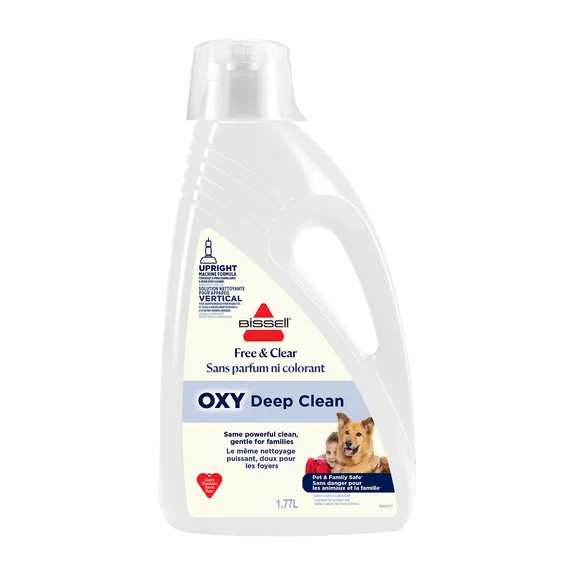
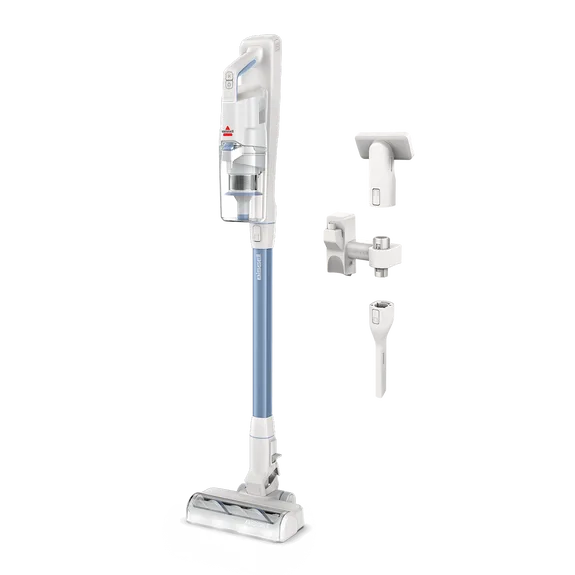
While cleaning the brush roll manually is effective, some vacuums include built-in tools to help. For example, the PowerClean FurGuard Cordless Stick Vacuum features a specially designed brush roll that resists hair wrap, making maintenance easier. Pairing your vacuum with the right cleaning formula can also reduce residue buildup on the brush. The OXY Deep Clean Free & Clear Upright Carpet Formula is a great choice because it leaves minimal sticky residue that can attract dirt and hair to the brush roll.
Additionally, using a handheld vacuum or a crevice tool to remove loose debris from the brush housing between deep cleans can prevent large tangles from forming. A soft brush attachment can also be used to gently clean the bristles without damaging them.
Common Mistakes to Avoid
One of the most common mistakes is pulling hair off the brush roll without cutting it first. This can stretch the belt or damage the bristles. Always cut the hair before pulling. Another mistake is forgetting to check the end caps of the brush roll—hair often wraps around the bearings there, which can cause the brush to seize up over time.
Finally, avoid using excessive water or cleaning solutions directly on the brush roll. While some brush rolls are washable, most should only be wiped clean. If you do remove the brush roll for a deeper clean, let it dry completely before reinstalling to prevent mold or mildew growth inside the vacuum.
- Always cut hair before pulling it off
- Check end caps and bearings for hidden tangles
- Dry the brush roll fully if you wash it
- Refer to your owner's manual for specific cleaning instructions
When to Replace the Brush Roll
Even with regular cleaning, brush rolls wear out. Signs that it's time for a replacement include bent or broken bristles, a cracked housing, or a brush that no longer spins even after cleaning. Most brush rolls last between 6 and 12 months depending on usage. If you notice your vacuum leaving streaks or not picking up as well, a new brush roll may be the solution.
Replacement brush rolls are available for most BISSELL models. Check your vacuum's model number to find the correct part. Installing a fresh brush roll can restore your vacuum's cleaning power and extend the life of the machine.
Taking a few minutes to clean your vacuum's brush roll on a regular basis can dramatically improve suction, reduce noise, and extend the life of your machine. Whether you use a cordless stick vacuum for quick pickups or an upright model for deep cleans, this simple maintenance step pays off. For a hassle-free cleaning experience, explore the PowerClean FurGuard Cordless Stick Vacuum, which features a brush roll designed to resist hair tangles and make maintenance even easier.