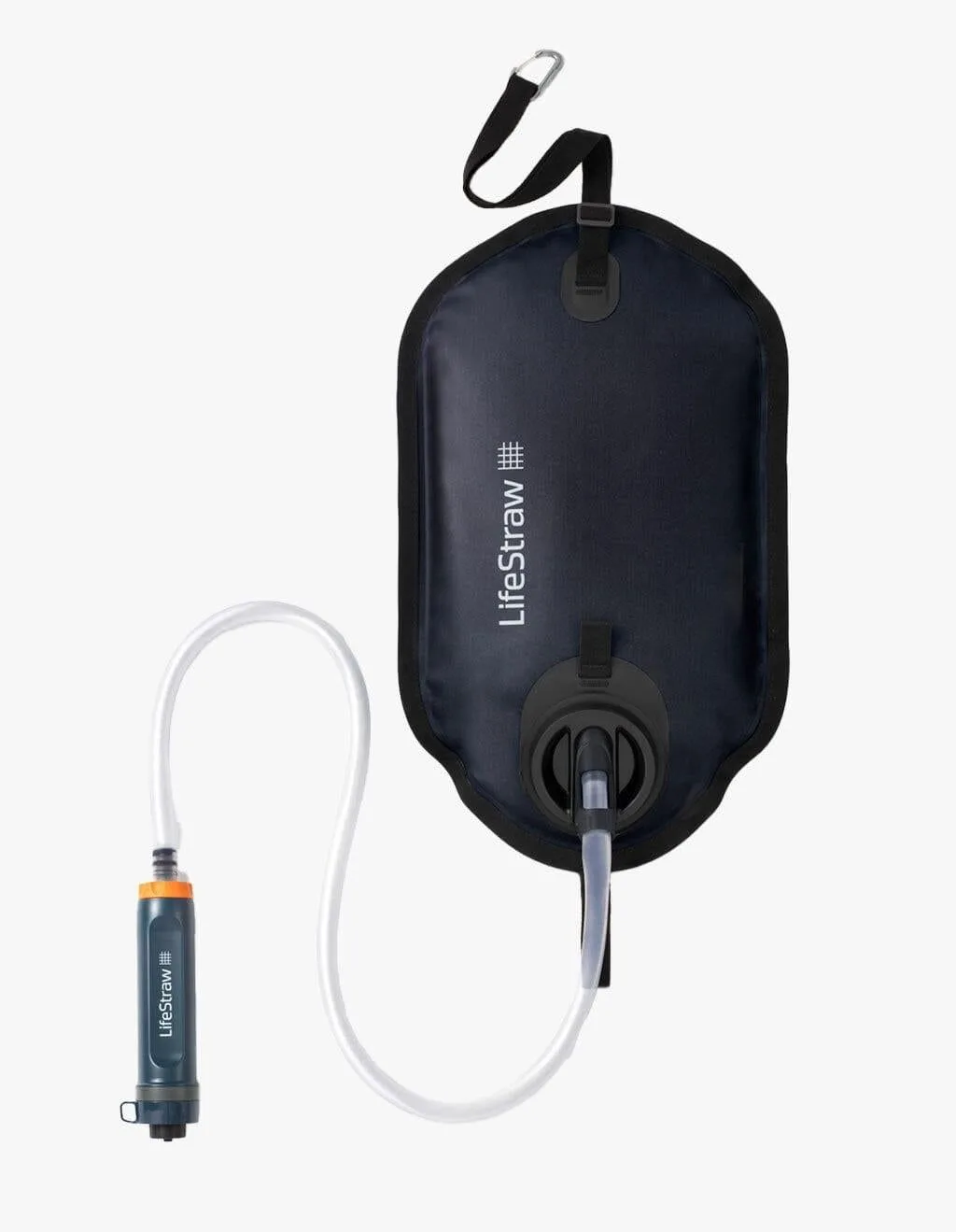
Your LifeStraw Peak Series straw is built to handle muddy streams, lake water, and even questionable tap sources, but it still needs a little TLC between adventures. Proper cleaning and storage aren't just about hygiene — they directly affect how long the hollow-fiber membrane lasts and whether your next sip tastes clean or musty.
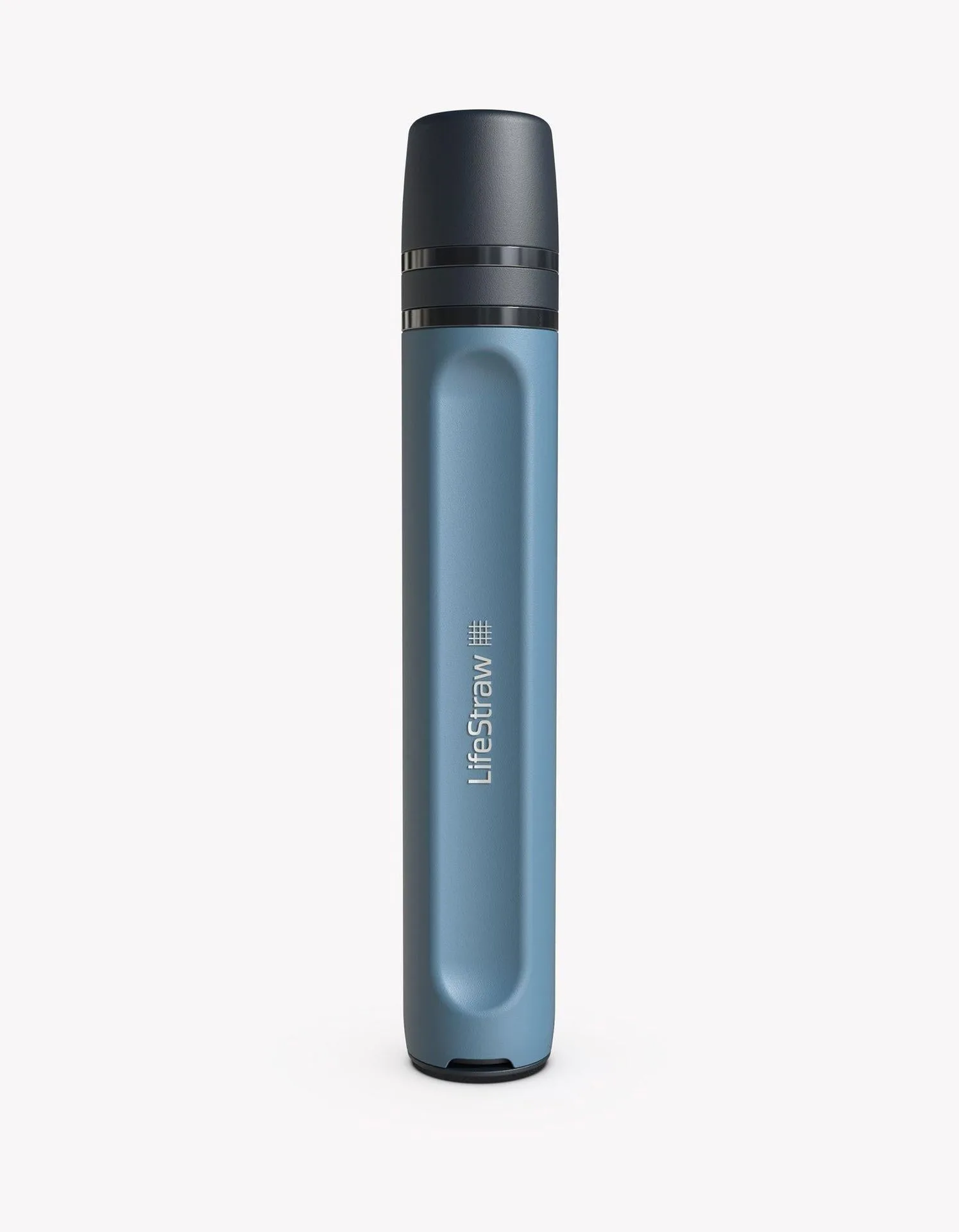
LifeStraw Peak Series straw
In this guide, we'll walk through the simple routine that keeps your Peak Series straw flowing freely and free from mold. Whether you're a weekend backpacker or a daily commuter who uses the LifeStraw Peak Series Collapsible Squeeze 1L Bottle with Filter, these tips will help you get the most out of your gear.
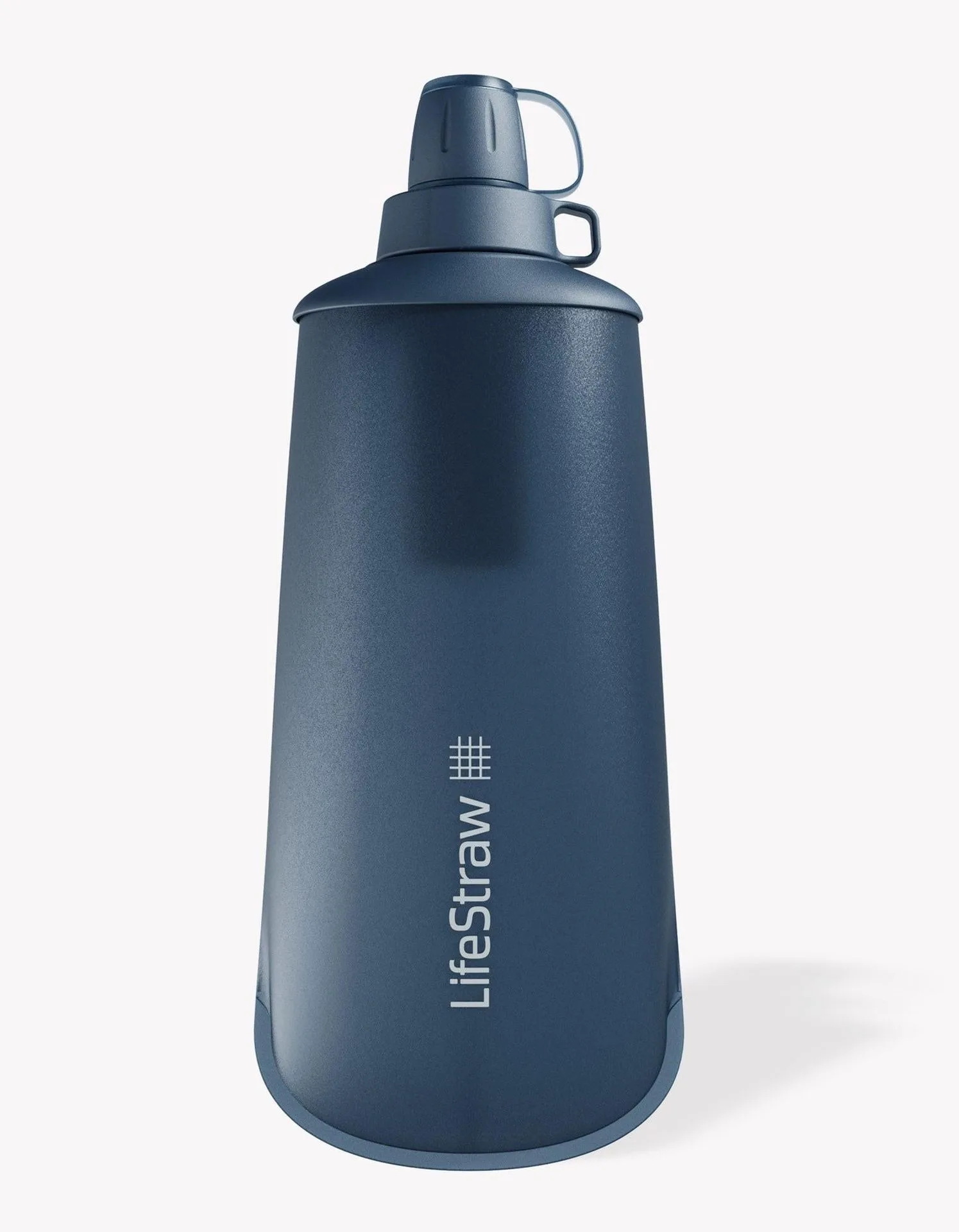
LifeStraw Peak Series Collapsible Squeeze 1L Bottle with Filter
Why Cleaning Your LifeStraw Peak Series Straw Matters
The hollow-fiber membrane inside the Peak Series straw traps bacteria, parasites, and microplastics. Over time, sediment and organic matter can build up on the outside of the fibers, slowing flow and creating a breeding ground for bacteria if left wet. Regular cleaning prevents clogging and keeps the filter working at its rated capacity.
Skipping maintenance doesn't just reduce performance — it can also affect taste. Stagnant water trapped in the straw after use can develop a stale or earthy flavor. A quick rinse and dry after each trip eliminates that problem entirely.
- Always back-flush the straw after filtering cloudy or silty water to push trapped particles out.
- Never use soap, bleach, or detergents — they can damage the membrane and leave residues.
Step-by-Step Cleaning Routine for Your Peak Series Straw
Start by removing the straw from your bottle or pouch. Shake out any excess water, then use the included back-flush syringe (or a clean water bottle) to force clean water backward through the mouthpiece end. This dislodges sediment that's stuck on the outside of the fibers. Repeat until the water coming out of the intake end runs clear.
For deeper cleaning after heavy use, soak the straw in a solution of one teaspoon of unscented bleach per gallon of water for five minutes, then flush thoroughly with clean water. Rinse until you can't smell any bleach. This step is optional and best reserved for filters that have been used in very dirty water or stored wet for more than a week.
- Back-flush immediately after each trip — dried sediment is much harder to remove.
- If you don't have a syringe, blow hard into the mouthpiece while the intake end is submerged in clean water.
How to Dry and Store Your Straw to Prevent Mold
Mold is the biggest enemy of stored filters. After cleaning, shake out as much water as possible, then let the straw air-dry completely in a well-ventilated area away from direct sunlight. Do not reassemble the bottle or cap until the straw is bone-dry inside and out — this usually takes 24-48 hours.
For long-term storage, keep the dry straw in a breathable bag or container. Avoid sealing it in an airtight plastic bag while damp, as trapped moisture encourages mildew. If you're storing it for the off-season, consider placing a silica gel packet inside the storage bag to absorb any residual humidity.
- Store the straw in a cool, dry place — avoid garages or sheds that experience temperature swings.
- If you notice a musty smell after storage, back-flush with a diluted bleach solution and dry thoroughly before your next use.
Extending the Life of Your LifeStraw Peak Series Filter
The Peak Series straw is rated for up to 2,000 liters (about 528 gallons) when properly maintained. To reach that number, always pre-filter visibly muddy water through a bandana or coffee filter before running it through the straw. This reduces the sediment load on the membrane and keeps flow rates high.
Avoid freezing the straw when it's wet — expanding ice can crack the hollow fibers. If you winter camp, keep the straw inside your sleeping bag or insulated jacket. Also, never let the straw sit in standing water for days; prolonged submersion can introduce contaminants into the mouthpiece. Follow these simple habits, and your LifeStraw Peak Series straw will serve you reliably for years.
- Replace the straw if you notice a persistent drop in flow rate after cleaning.
- For families or groups, consider the LifeStraw 5-Pack to have spare straws ready for multi-day trips.
Cleaning and storing your LifeStraw Peak Series straw doesn't take much time, but it makes a huge difference in performance and lifespan. A quick back-flush after each trip, thorough drying, and smart storage will keep your filter flowing fast and tasting clean. Treat your straw well, and it will keep you hydrated on every adventure — from backyard camping to backcountry treks.